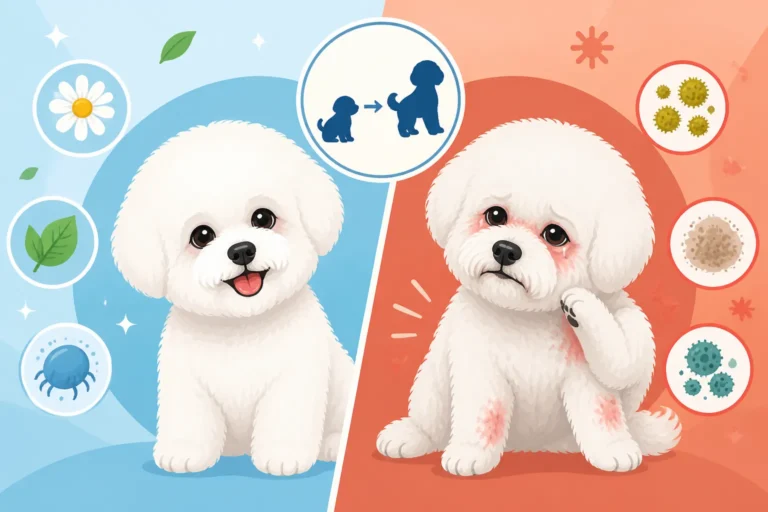
Whether a Bichon Frise’s Itching Is Food or Pollen
It's incredibly frustrating when your sweet Bichon Frise can't stop scratching, licking, or rubbing their face. You see their discomfort, the red irritated skin, and you just want to know why it's happening so you can make it stop. Pinpointing whether that persistent itch is due to something in their food bowl or something floating in the air can feel like an impossible puzzle, leaving you guessing and your beloved pup miserable. This guide is here to untangle that mystery, helping you understand the tell-tale signs, diagnostic steps, and management strategies for both food and environmental allergies in your Bichon.
Understanding the Roots of Bichon Frise Itching
Bichon Frises, with their beautiful cloud-like coats and cheerful dispositions, are sadly also prone to a host of allergic conditions that can make them incredibly itchy. It's not just a minor annoyance; for many Bichons, allergies can significantly impact their quality of life, leading to chronic discomfort, skin infections, and even behavioral changes. Understanding why they're so susceptible is the first step toward effective management.
The Genetic Predisposition to Allergies
One of the tough realities of owning a Bichon Frise is their genetic predisposition to developing allergies, particularly atopic dermatitis. This isn't just bad luck; it's often an inherited trait, meaning some Bichons are simply born with an immune system that's a little too enthusiastic when encountering common, otherwise harmless substances. Instead of ignoring pollen or certain food proteins, their body mounts an exaggerated inflammatory response, leading to that relentless itching and skin irritation. It's a fundamental difference in their immune system's programming, which is why we see so many Bichons suffering from these issues compared to other breeds. It’s important to acknowledge that this condition is deeply rooted in their genetics, setting the stage for their lifelong battle with sensitivities. If you've got a Bichon, it's highly probable you'll encounter some form of allergy challenge. To delve deeper into this inherited sensitivity, you might find it helpful to read about The Atopic Skin a Bichon Frise Is Born With.
Common Allergens in a Bichon Frise's World
The world is full of potential allergens for an immune system ready to overreact. For our Bichons, these can generally be grouped into a few main categories. First, there are environmental allergens, which are airborne particles like pollen from trees, grasses, and weeds, as well as dust mites, mold spores, and even dander from other animals. These are inhaled or absorbed through the skin, triggering a systemic response. Then, we have food allergens, typically specific protein sources in their diet, such as chicken, beef, dairy, or wheat. These are ingested and can cause both skin issues and gastrointestinal upset. Lastly, contact allergens, though less common, can include things like certain cleaning products, fabrics, or even flea saliva, which cause localized reactions where they touch the skin. Identifying the category is the first puzzle piece, helping us narrow down the hunt for the specific trigger that makes your Bichon so uncomfortable.
Deciphering Environmental Allergies Atopy
Environmental allergies, often referred to as atopy, are incredibly common in Bichon Frises. These are reactions to substances in their immediate surroundings that most other dogs wouldn't even notice. But for an allergic Bichon, these everyday elements can turn their skin into an itchy, inflamed mess.
The Role of Pollen and Other Airborne Triggers
Imagine a spring day, beautiful and bright, with flowers blooming and trees budding. For many, it's a delight, but for an atopic Bichon, it can be a nightmare. Pollen from trees, grasses, and weeds are huge culprits in seasonal environmental allergies. Their tiny particles float through the air, settle on your dog's coat, get inhaled, and absorb through their skin, triggering an intense immune response. But it's not just seasonal. Many Bichons also react to year-round airborne allergens like dust mites, which live in our homes, carpets, and bedding, or mold spores, which can be found indoors and out. This means some Bichons might have a seasonal itch, scratching furiously in spring and fall, while others suffer year-round due to pervasive indoor allergens. The key is to observe patterns: does your Bichon only itch during certain months, or is it a never-ending battle? This can provide a huge clue in identifying the specific airborne villain.
Recognizing the Signs of Environmental Atopy
The signs of environmental atopy in a Bichon Frise can be heartbreaking to witness. Typically, these allergies manifest as intense itching, leading to excessive licking, chewing, and scratching, often focused on specific areas. You might notice your Bichon constantly licking their paws raw, leaving them stained reddish-brown from saliva, or furiously rubbing their face against furniture or the carpet. Their ears are another common target; recurrent ear infections in a Bichon Frise are often a tell-tale sign of underlying environmental allergies, leading to head shaking and scratching at their ears. The skin itself can become red, inflamed, and thickened, especially in the armpits, groin, and between their toes. You might also spot tiny bumps or pustules, indicating secondary bacterial or yeast infections, which thrive on damaged skin. Unlike food allergies, environmental allergies often have a more distinct seasonal pattern, flaring up when specific pollens are abundant. To get a clearer picture of how these reactions present, you can look at resources like What Atopic Dermatitis Does to a Bichon Frise, Whether a Bichon Frise Licks Its Paws Raw, and Whether a Bichon Frise Rubs Its Face, all of which describe classic symptoms.
Investigating Food Allergies and Sensitivities
When environmental factors are ruled out or managed, the next big suspect for a Bichon's persistent itching often leads us to their food bowl. Food allergies and sensitivities can be just as frustrating, if not more so, because the culprit is something you provide daily, hoping it nourishes them.
Identifying Common Food Culprits
It might surprise you to learn that the most common food allergens for dogs aren't exotic ingredients, but rather proteins they've been eating regularly for a long time. In Bichon Frises, much like other breeds, the usual suspects often include common proteins such as chicken, beef, dairy products, eggs, wheat, and soy. The immune system mistakenly identifies these protein molecules as threats and mounts an allergic response. It's not a sudden reaction like a bee sting; rather, it often develops over time with repeated exposure. Your Bichon might have eaten the same chicken-based kibble for years before suddenly developing an intolerance. This delayed onset makes it particularly tricky to pinpoint, as owners rarely associate a long-standing diet with a new allergic reaction. Understanding these common culprits helps set the stage for a targeted approach to figuring out what's really bothering your furry friend.
The Elimination Diet: A Diagnostic Tool
When a food allergy is suspected, the gold standard for diagnosis isn't a blood test, but rather a carefully executed elimination diet. This process can feel daunting, but it's truly the most reliable way to uncover food sensitivities. It involves feeding your Bichon a novel protein source (one they've never eaten before, like venison, duck, or rabbit) or a hydrolyzed protein diet (where the proteins are broken down into molecules too small to trigger an immune response) for a strict period, usually 8 to 12 weeks. During this time, absolutely nothing else can pass your dog's lips – no treats, no table scraps, no flavored medications, no accidental nibbles of dropped food. Every single item must be accounted for.
The goal is to see if the itching resolves or significantly improves on this new, hypoallergenic diet. If it does, that's your first major clue. After the trial period, you'll then reintroduce individual suspect ingredients one at a time, watching closely for a return of symptoms. For example, you might add chicken back into their diet for a week. If the itching flares up again, you've likely found your culprit. This reintroduction phase is critical, as it confirms the allergy. Without it, you only know what they can eat, not what they can't. It's a meticulous process, but it’s invaluable for finding genuine relief. You can get more details on this process by reading Whether an Elimination Diet Helps a Bichon Frise, and it's worth noting that the commitment involved, and the specialized foods, contribute to What a Food Trial Costs a Bichon Frise Owner.
Differentiating Between Food and Environmental Triggers
Now, here's where it gets really tricky. Sometimes, the symptoms of food and environmental allergies can overlap, making it a head-scratcher to figure out which one is the primary issue. But by paying close attention to certain patterns and utilizing professional diagnostic tools, you can often distinguish between the two.
Key Differences in Symptoms and Timing
While both food and environmental allergies cause itching, there are often subtle, yet critical, differences in their presentation that can guide your investigation. Environmental allergies (atopy) are typically more seasonal, flaring up during specific times of the year when pollen counts are high, such as spring or fall. However, if the trigger is dust mites or mold, the itching can be year-round, making it harder to distinguish. Atopy often manifests as paw licking, face rubbing, ear infections, and generalized body itching, sometimes with a particular focus on the belly, armpits, and groin.
Food allergies, on the other hand, are generally non-seasonal and tend to cause year-round itching, unless the problematic food is only given sporadically. While they can also cause paw licking and ear infections, food allergies are more commonly associated with gastrointestinal symptoms like vomiting, diarrhea, or excessive gas, though these aren't always present. The itching associated with food allergies also frequently involves the skin around the anus, and sometimes presents with a dull coat or secondary skin infections. If your Bichon's itching is consistent regardless of the season, and especially if accompanied by tummy troubles, food allergy should be higher on your suspect list. Observing these specific timings and symptoms over time is paramount to identifying the true cause of your Bichon's discomfort.
Diagnostic Testing and Professional Guidance
When you're struggling to differentiate between food and environmental allergies, bringing in your veterinarian is absolutely crucial. They are your best resource for navigating this complex issue. While elimination diets are the gold standard for food allergies, diagnosing environmental allergies often involves specific tests. Your vet might recommend blood tests (serum IgE tests) that measure antibodies to various environmental allergens, or an intradermal skin test, where tiny amounts of allergens are injected under the skin to see which ones cause a localized reaction. These tests can help identify specific environmental triggers like particular pollens or dust mites.
However, it's important to understand that these tests aren't perfect; false positives and negatives can occur, especially with blood tests. They are best used in conjunction with your Bichon's clinical signs and seasonal patterns. If your vet suspects a complex case, they might even refer you to a veterinary dermatologist, a specialist who has advanced diagnostic tools and expertise in skin conditions. These specialists can perform more accurate intradermal skin testing and help tailor a long-term management plan. Navigating these diagnostic journeys can be expensive, so having a good pet insurance plan from a provider like Healthy Paws can be incredibly beneficial. They can help cover the costs of these specialized tests and vet consultations, making it easier to pursue the answers your Bichon needs. For more on this, check out Whether a Bichon Frise Needs Allergy Testing and What a Dermatology Referral Costs for a Bichon Frise.
Managing Chronic Itching: A Multi-faceted Approach
Dealing with chronic itching in a Bichon Frise, whether it's from food or environmental allergens, requires a comprehensive and often lifelong commitment. There's rarely a single magic bullet, but rather a combination of strategies tailored to your dog's specific needs.
Environmental Allergy Management Strategies
For Bichons suffering from environmental allergies, management often focuses on reducing exposure to allergens and treating the inflammatory response. This can involve a multi-pronged approach:
- Medications: Many vets will prescribe medications to control the itch. These can include daily oral medications like Apoquel, which specifically targets the itch pathway, or injectable treatments like Cytopoint, which provides several weeks of relief by blocking a key protein involved in itching. Antihistamines are sometimes tried, though they are less consistently effective in dogs than in humans. For severe flare-ups, short courses of steroids might be used, but long-term steroid use is generally avoided due to potential side effects. You can learn more about these options at Whether a Bichon Frise Can Take Apoquel Instead and Whether Cytopoint Suits a Bichon Frise.
- Immunotherapy: Once specific environmental allergens are identified (through blood or skin testing), immunotherapy, often called allergy shots or sublingual drops, can be a game-changer. This involves giving small, increasing doses of the specific allergens to "retrain" the immune system to stop overreacting. It's a long-term commitment, often taking 6-12 months to see full effects, but it's the only treatment that can truly change the underlying allergic response.
- Environmental Control: While impossible to completely eliminate, you can reduce exposure to certain allergens. This might mean frequent vacuuming, using HEPA air filters, washing bedding weekly in hot water (for dust mites), and wiping down your Bichon's paws and coat after outdoor excursions to remove pollen.
- Topical Therapies: Regular bathing with medicated shampoos can help remove allergens from the coat, soothe inflamed skin, and treat secondary bacterial or yeast infections. Special conditioning rinses can also help restore the skin barrier. For more insights on managing skin issues without steroids, refer to Managing a Bichon Frise's Skin Without Steroids and Medicated Baths Control a Bichon Frise's Infections.
Dietary Management for Food Allergies
If an elimination diet successfully identifies a food allergy, the management strategy is clear: strict avoidance of the offending ingredient(s). This means a commitment to a specific, hypoallergenic diet for the rest of your Bichon's life.
- Prescription Hydrolyzed or Novel Protein Diets: Your vet will likely prescribe a specialized diet. Hydrolyzed protein diets contain proteins broken down so small that the immune system doesn't recognize them as allergens. Novel protein diets feature protein sources your Bichon has never encountered, like kangaroo, alligator, or pea protein. Sticking to these diets religiously is paramount.
- Strict Adherence: This is where many owners struggle. Even a tiny piece of an allergen-containing treat or table scrap can trigger a flare-up and undo weeks of progress. You'll need to be incredibly diligent about what your Bichon eats. This means finding hypoallergenic treats that match their prescription diet or making your own safe treats.
- Avoiding Cross-Contamination: If you have multiple pets, you'll need to ensure your allergic Bichon doesn't sneak food from their bowls. Storing food separately and feeding in different areas can help. The long-term success of managing a food allergy hinges entirely on unwavering commitment to the diet. Consistency is key to keeping them comfortable and itch-free. For a deeper understanding of long-term dietary needs, see The Diet a Bichon Frise Stays On for Life and also Whether Wet Food Helps a Bichon Frise's Stones if considering different food textures.
Here's a quick table to help differentiate between food and environmental allergy symptoms:
| Symptom Category | Environmental Allergies (Atopy) | Food Allergies |
|---|---|---|
| Onset | Often seasonal, but can be year-round (dust mites, mold) | Typically year-round, non-seasonal |
| Primary Complaint | Intense itching, licking, scratching | Intense itching, licking, scratching, often with GI signs |
| Common Affected Areas | Paws, face, ears, armpits, groin, belly | Paws, face, ears, groin, belly, perianal area |
| Associated Issues | Recurrent ear infections, secondary skin infections (yeast/bacteria), redness, hair loss | Recurrent ear infections, secondary skin infections, vomiting, diarrhea, flatulence, poor coat quality |
| Response to Treatment | May improve with antihistamines, steroids, Apoquel/Cytopoint | Only improves with strict dietary avoidance |
| Diagnosis | Intradermal skin test, serum IgE test, clinical signs, response to treatment | Strict 8-12 week elimination diet |
Living with an Allergic Bichon Frise
Living with a Bichon Frise prone to allergies is a journey that requires patience, dedication, and a deep understanding of their needs. It's more than just addressing flare-ups; it's about establishing a routine that supports their sensitive system year-round.
The Importance of Consistent Care
Managing allergies in a Bichon Frise is rarely a one-time fix; it's an ongoing process that demands consistent, meticulous care. This means strictly adhering to any prescribed diet, diligently administering medications or immunotherapy as directed by your vet, and maintaining a regular grooming and skin care routine. Regular bathing with appropriate shampoos is crucial, not just for hygiene but to remove environmental allergens from their coat and maintain a healthy skin barrier. Keeping their signature white coat clean and free of irritants is a continuous effort, as highlighted in The Six Week Bichon Frise Groom That Never Stops.
Monitoring their skin daily for any signs of redness or irritation, like when Whether a Bichon Frise's Skin Goes Pink, allows for early intervention before minor issues escalate into painful infections. Regular vet check-ups are also non-negotiable, as their allergic condition and any secondary infections will need professional assessment and adjustment of treatment plans over time. This consistent, proactive approach is what truly makes a difference in keeping your Bichon comfortable and preventing chronic suffering.
Financial Considerations and Support
Let's be realistic: managing chronic allergies in a Bichon Frise can be expensive. The costs can quickly add up, from specialized prescription diets and ongoing medications like Apoquel or Cytopoint, to regular vet visits, diagnostic tests, and potentially dermatology referrals. What Allergy Medication Costs a Bichon Frise Owner and What Cytopoint Injections Cost for a Bichon Frise illustrate just how much these treatments can be. Over a year, the total cost for managing an allergic Bichon can be substantial, as explored in What Treating a Bichon Frise's Skin Costs Every Year.
This is where pet insurance can be an absolute lifesaver. Companies like Healthy Paws offer coverage for chronic conditions, which typically includes allergies, assuming the condition wasn't present before you enrolled your pet. While many policies have clauses about pre-existing conditions, if you enroll your Bichon early, before allergy symptoms manifest, Healthy Paws could help significantly offset the financial burden of diagnosis, medication, and ongoing treatments. It's definitely worth looking into a comprehensive plan that covers chronic illnesses, as the peace of mind and financial support can allow you to make the best health decisions for your furry family member without undue stress about the cost. For more information on what policies typically cover, you might want to look at Whether Allergies Are Excluded on a Bichon Frise Policy.
Disclaimer
This article is for general informational purposes only and does not constitute professional advice. Laws, prices and regulations vary by location and change over time. Consult a qualified professional for guidance on your specific situation.