Whether a Bichon Frise’s Kneecap Needs Surgery
It's incredibly distressing when you notice your sweet Bichon Frise limping, skipping, or holding up a little leg, especially if they used to bounce around without a care in the world. As Bichon parents, we worry instantly about their comfort and long-term well-being. This guide is here to walk you through everything you need to know about patellar luxation, from understanding the condition to determining if surgery is the right path for your furry family member.
Understanding Patellar Luxation in Bichon Frises
Patellar luxation, often simply called a "slipped kneecap," is one of the most common orthopedic conditions we see in small breeds like our beloved Bichon Frises. It's not just a minor inconvenience; it can cause discomfort, pain, and, if left unaddressed, lead to more serious problems like arthritis or even cruciate ligament tears down the line. Seeing your normally playful pup suddenly hesitant to jump or run can be heartbreaking, and it's essential to understand what's happening within their tiny joints.
What is Patellar Luxation?
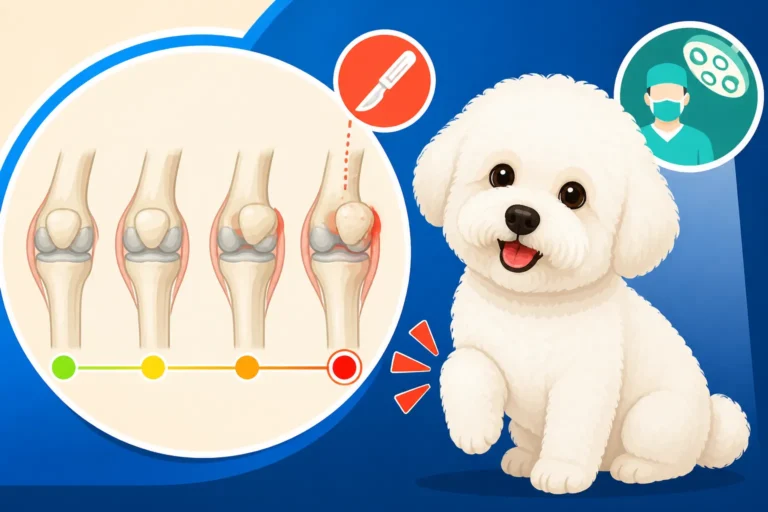
At its core, patellar luxation occurs when the patella, or kneecap, moves out of its normal groove on the end of the femur (thigh bone). Think of it like a train coming off its track. Normally, the kneecap sits snugly in a groove called the trochlear groove, allowing the leg to bend and extend smoothly. When it luxates, it can either slip to the inside of the leg (medial luxation, which is most common in small breeds) or to the outside (lateral luxation). This displacement causes pain and disrupts the normal mechanics of the knee joint. Each time the kneecap slips out and then back in, it can cause wear and tear on the cartilage and bone, leading to inflammation and eventual degenerative joint disease.
It's a condition that can vary greatly in severity. Some dogs might experience an occasional, fleeting skip that you hardly notice, while others may suffer from chronic lameness, pain, and a significantly reduced quality of life. The experience is incredibly frustrating for owners who just want their dogs to be comfortable. The constant worry about when the next "skip" will happen, or whether their dog is truly in pain, weighs heavily on our minds.
Why Bichon Frises are Prone to This Condition
Our adorable Bichon Frises, unfortunately, are genetically predisposed to patellar luxation. This isn't something they "catch"; it's often a congenital condition, meaning they're born with anatomical abnormalities that make them more susceptible. The specific reasons usually involve a combination of factors: a shallow trochlear groove, weakness in the quadriceps muscles, or an abnormal alignment of the femur and tibia (the shin bone). These anatomical quirks mean their kneecaps simply don't sit as securely as they should.
Because this condition often has a hereditary component, reputable breeders will usually screen their breeding stock to try and reduce the incidence in future generations. However, even with the best intentions, it can still appear. It's simply part of the package deal with some of these delightful small breeds. Understanding this predisposition helps us be proactive in monitoring our Bichons for signs of discomfort and seeking veterinary advice early.
Recognizing the Signs of a Slipping Kneecap
Spotting the signs of a slipping kneecap in your Bichon Frise often starts with subtle changes in their gait. You might notice them doing a quick "skip" step, where they pick up one hind leg for a few steps, perhaps shaking it out, before putting it back down and continuing as if nothing happened. This is often The skip that means a Bichon Frise's knee has gone. Sometimes, they might hold the leg up for a longer period, unwilling to put weight on it. This can be intermittent at first, but as the condition progresses or becomes more severe, the lameness can become more consistent.
Other signs might include reluctance to jump on furniture, climb stairs, or even engage in their usual playtime. You might also notice them favoring one leg, or perhaps a strange "bow-legged" or "knock-kneed" appearance, especially in severe cases where the joint has been significantly affected. If your Bichon is experiencing pain, they might yelp when the kneecap slips, or become sensitive to touch around the knee area. It's crucial not to dismiss these subtle cues, as early intervention can often lead to better outcomes.
Diagnosing and Grading Patellar Luxation
When you first suspect your Bichon Frise might have a luxating patella, the first step is always a thorough veterinary examination. Don't feel silly for bringing up even minor skips or changes in gait; you know your dog best, and their subtle signals are incredibly important for diagnosis. Your vet will perform a series of tests to confirm the condition, determine its severity, and rule out any other concurrent issues that might be causing similar symptoms.
The Veterinary Examination Process
During a vet visit for suspected patellar luxation, your veterinarian will typically begin with a comprehensive physical examination. They'll observe your Bichon's gait, both walking and running, if possible, to see if any lameness or skipping is apparent. Then, they'll carefully palpate, or feel, your dog's knee joints. This involves gently flexing and extending the knee, and attempting to manually push the kneecap out of its groove. They'll assess how easily it luxates, if it stays out of place, and how readily it returns to its normal position. They'll also check for any swelling, pain response, or crepitus (a crackling sound) within the joint, which can indicate cartilage damage or arthritis.
This hands-on examination is often sufficient to make a presumptive diagnosis of patellar luxation. The vet will likely try to assess both hind limbs, as it's not uncommon for Whether both of a Bichon Frise's knees go, even if symptoms are only apparent in one leg initially. It's a quick and relatively non-invasive process that provides a lot of crucial information.
Imaging Techniques
While a physical exam can often diagnose patellar luxation, imaging techniques, primarily X-rays, are invaluable for understanding the full scope of the problem and ruling out other conditions. X-rays allow your vet to visualize the bones and joints, assessing the depth of the trochlear groove, the alignment of the femur and tibia, and any signs of secondary arthritis. They can also help identify other potential issues that might be contributing to lameness, such as hip dysplasia or Legg-Calve-Perthes disease, although these are less common in Bichons for knee-related issues.
X-rays are usually performed with your Bichon lightly sedated to ensure they lie still and the images are clear and correctly positioned. This also helps reduce stress for your dog. While X-rays won't show the patella actively luxating (as it's a dynamic event), they provide a static picture of the bone structure that is crucial for surgical planning, should that become necessary. The vet will be looking for specific angles and shapes that predispose the patella to slip.
Grading a Bichon Frise's Luxating Patella
Once a luxating patella is diagnosed, your vet will assign a grade to the condition, usually on a scale of 1 to 4. This grading system helps determine the severity and guides treatment recommendations.
- Grade 1: The patella can be manually luxated but pops back into place on its own. Your Bichon might have an occasional skip, but usually shows minimal lameness or pain.
- Grade 2: The patella luxates spontaneously or with manipulation and remains luxated for a short period before returning to its normal position. Your Bichon might have more frequent skips, occasional lameness, and may be able to extend the leg and kick the kneecap back into place themselves.
- Grade 3: The patella is permanently luxated but can be manually reduced (pushed back into place) by the vet, though it will re-luxate immediately once released. Your Bichon will likely have consistent lameness, a crouched stance, or a bow-legged appearance.
- Grade 4: The patella is permanently luxated and cannot be manually reduced. This is the most severe form, where the trochlear groove is often flattened or absent, and there are significant skeletal deformities. Your Bichon will experience severe lameness, difficulty extending the knee, and potentially significant pain.
Understanding this grading is essential because it directly impacts the treatment plan. Which patella grade needs surgery in a Bichon Frise will depend on this assessment, as well as your dog's individual symptoms and quality of life.
Non-Surgical Management Options
It's natural to hope for a solution that doesn't involve surgery, especially for something as delicate as a knee. For many Bichon Frises with lower-grade patellar luxation, non-surgical, or conservative, management can be very effective in keeping them comfortable and active. This approach focuses on strengthening the surrounding muscles, maintaining a healthy weight, and providing support to the joint.
When Conservative Management is Considered
Conservative management is typically recommended for Bichon Frises with Grade 1 or Grade 2 patellar luxation, especially if they are experiencing mild, intermittent symptoms and no significant pain. If your dog is still playful, running around, and only has an occasional skip without persistent lameness, your vet will likely suggest starting with non-surgical options. The goal here is to minimize discomfort, prevent the condition from worsening, and delay or even avoid the need for surgery. It's a pragmatic approach that prioritizes your dog's comfort without immediately resorting to invasive procedures.
It's also often the first choice for very young puppies, where their bones are still developing, or for older Bichons where anesthesia might pose a higher risk due to other health conditions. A careful assessment of your dog's overall health and lifestyle, alongside the grade of luxation, will guide this decision.
Lifestyle Adjustments and Environmental Changes
Making specific lifestyle adjustments can significantly help manage patellar luxation. First and foremost, weight management is critical. Even a few extra pounds can put immense strain on your Bichon's joints, exacerbating the problem. Working with your vet to maintain an ideal body weight is paramount. Beyond that, modifying their environment and exercise routine can make a world of difference. This means encouraging controlled, low-impact exercise like leash walks on soft surfaces rather than high-impact activities like jumping.
You might want to consider ramps or steps to help them get onto furniture or into bed, reducing the stress on their knees from jumping down. Many owners ask, Whether a Bichon Frise should jump off furniture, and the answer is generally no, especially if they have luxating patellas. Similarly, protecting their joints from sudden twists or slips is important, so addressing Whether slippery floors hurt a Bichon Frise by using rugs or runners on hard floors can be very beneficial. These simple, yet effective, changes can create a safer and more comfortable environment for your Bichon.
Supplements and Medications
A range of supplements and medications can support conservative management. Joint supplements containing ingredients like glucosamine, chondroitin, and MSM are often recommended. These ingredients are believed to help maintain cartilage health and reduce inflammation. While not a cure, they can contribute to joint lubrication and overall comfort. Some brands even offer specific formulations for small breeds. Omega-3 fatty acids, found in fish oil, are also excellent natural anti-inflammatories that can help reduce joint pain.
In cases where your Bichon experiences intermittent pain or inflammation, your vet might prescribe non-steroidal anti-inflammatory drugs (NSAIDs) for short periods. These medications can significantly improve their comfort and mobility during flare-ups. However, NSAIDs should always be given under veterinary guidance due to potential side effects. Always discuss with your vet Whether joint supplements help a Bichon Frise and which specific products are best suited for your individual dog's needs.
When Surgery Becomes Necessary
While conservative management offers a great starting point for many Bichons, there are definitely times when surgical intervention becomes the clear and best option. It’s a big decision, and one that many Bichon owners grapple with, often with a mix of apprehension and hope for their furry friend’s full recovery. The thought of your small dog undergoing surgery is daunting, but understanding the indicators and procedures can help ease some of that worry.
Indicators for Surgical Intervention
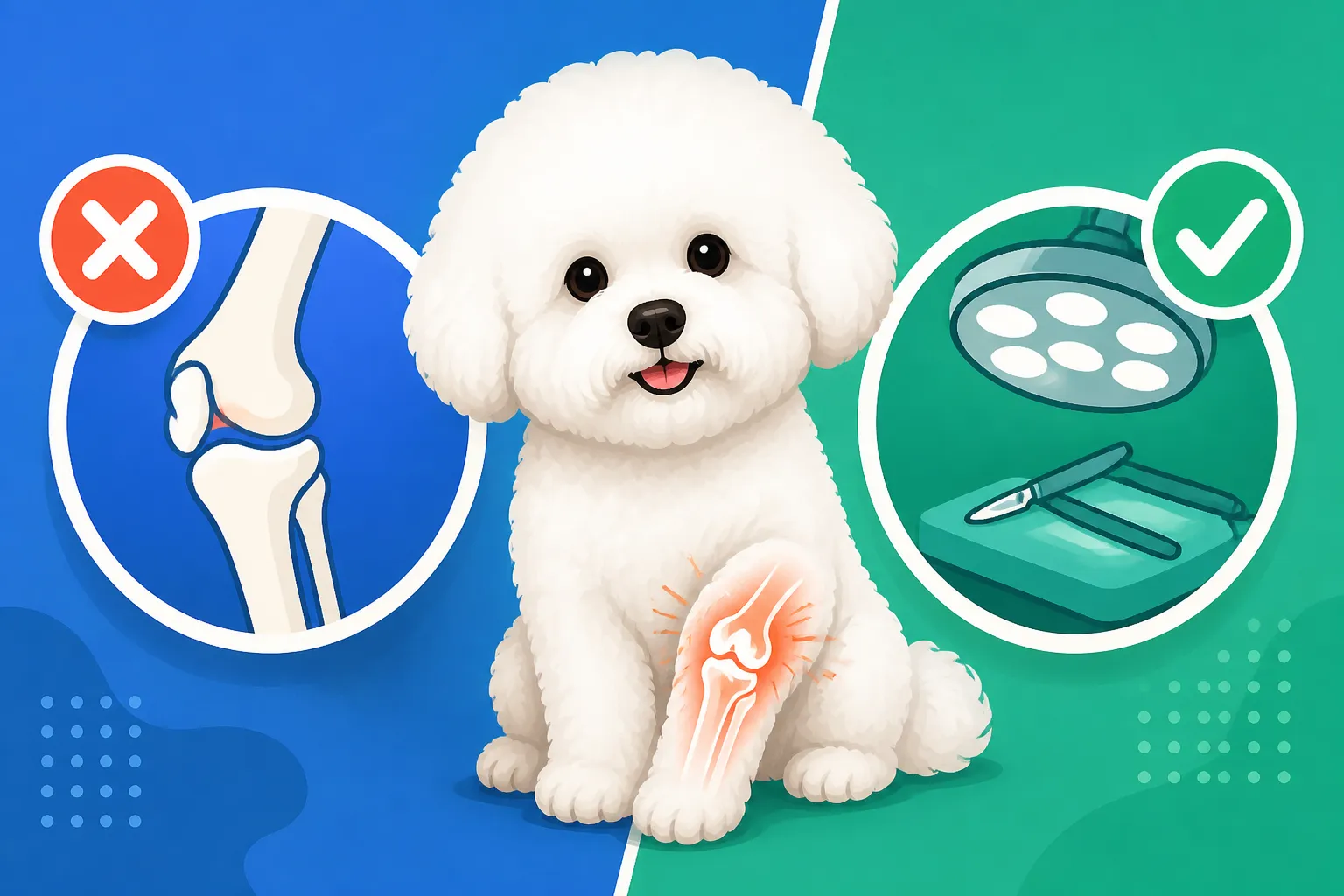
The decision for surgery typically hinges on several key factors. Primarily, if your Bichon Frise has a Grade 3 or Grade 4 patellar luxation, surgery is almost always recommended because the anatomical deformities are too severe for non-surgical methods to be effective. Even with Grade 2 luxation, if the condition is causing persistent pain, consistent lameness, or significantly impacting your dog's quality of life, surgery will likely be advised. If you notice your Bichon is constantly holding up a leg, struggling to move, or showing signs of discomfort even with medication, it's a strong indicator that their kneecap needs a more permanent fix.
Another crucial factor is the development of secondary issues, such as severe arthritis or a torn cranial cruciate ligament (CCL). Each time the patella slips out of place, it can damage the cartilage within the joint, accelerating the onset of arthritis. If your vet confirms significant joint degeneration or a CCL tear, addressing the luxating patella surgically becomes even more pressing to prevent further damage and alleviate chronic pain. It's about looking at their overall health and future mobility.
The Goals of Patellar Luxation Surgery
The primary goal of patellar luxation surgery is to stabilize the kneecap permanently within its trochlear groove, allowing the knee joint to function correctly. By restoring normal mechanics, the surgery aims to achieve several important outcomes: alleviating pain, eliminating lameness, preventing further cartilage damage, and reducing the risk of secondary conditions like severe arthritis or a CCL tear. It's about giving your Bichon a pain-free, active life where they can run, play, and enjoy all their favorite activities without hindrance.
Successful surgery means your Bichon can fully extend and flex their leg without the kneecap slipping, leading to improved comfort and a much better quality of life. While surgery can’t reverse existing arthritis, it can certainly slow its progression by preventing the constant wear and tear that occurs when the patella repeatedly luxates. It provides a foundation for long-term joint health.
Understanding Surgical Procedures
There isn't a single "one size fits all" surgery for patellar luxation; rather, veterinarians use a combination of techniques tailored to your Bichon's specific anatomical issues. The most common procedures include:
- Trochleoplasty (Deepening the Trochlear Groove): This involves making the groove in the femur deeper so the kneecap has a more secure channel to sit in. There are a couple of ways to do this, such as removing a wedge or block of bone from the groove and then replacing it deeper, creating a V or U shape.
- Tibial Tuberosity Transposition (TTT): The tibial tuberosity is the bony prominence on the shin bone where the patellar ligament attaches. If this attachment point is misaligned, causing the patella to pull to one side, the surgeon will cut this piece of bone, move it to a more correct position, and reattach it with pins or wires. This realigns the entire quadriceps mechanism.
- Fascial Release/Capsular Imbrication: Sometimes, the soft tissues around the knee joint are too tight on one side or too loose on the other, contributing to the luxation. The surgeon might release the tight fascia or tighten the joint capsule on the opposite side to help keep the patella centered.
Often, a combination of these techniques is used to achieve the best possible stability. Your veterinary surgeon, who might be a board-certified orthopedic specialist, will discuss the most appropriate surgical plan for your individual Bichon based on their physical examination and X-ray findings.
Post-Operative Care and Recovery
After patellar luxation surgery, the road to recovery is a crucial period that requires patience, dedication, and strict adherence to your vet's instructions. It's a journey, not a sprint, and your active involvement in your Bichon's post-operative care will greatly influence their long-term success.
Immediate Post-Surgery Management
Immediately after surgery, your Bichon Frise will be closely monitored by the veterinary team for pain management and anesthetic recovery. They will typically go home with pain medication, and potentially anti-inflammatory drugs and antibiotics. It's vital to administer all medications exactly as prescribed to keep your dog comfortable and prevent infection. The surgical incision will need to be monitored daily for signs of swelling, redness, or discharge. Your Bichon will likely wear an Elizabethan collar (the "cone of shame") to prevent them from licking or chewing at the incision site, which can lead to infection or reopening of the wound.
Activity restriction is paramount in the initial weeks. This usually means strict crate rest or confinement to a small, safe area, with only short, leash-controlled potty breaks. No jumping, running, or stair climbing! This can be a real challenge for a high-energy Bichon, but it's absolutely non-negotiable to allow the surgical site to heal properly and prevent damage to the repair. Remember, this period is critical for laying the groundwork for a successful recovery.
The Rehabilitation Process
Once the initial healing phase is complete, typically around 2-4 weeks post-surgery, your vet will guide you through a gradual rehabilitation process. This phase is about slowly increasing your Bichon's mobility and strength. It often begins with passive range of motion (PROM) exercises, where you gently move their leg through its natural range of motion, as demonstrated by your vet or a certified rehabilitation therapist. Hydrotherapy (underwater treadmill) is also incredibly beneficial, as it allows for controlled exercise without putting full weight on the healing joint.
Over the following weeks and months, the intensity and duration of exercise will slowly increase. This might involve short, controlled walks, specific strengthening exercises, and balance work. The goal is to rebuild muscle mass around the knee, improve joint stability, and restore full function. Consistency is key here; sticking to the prescribed rehabilitation plan is crucial for a complete and robust recovery. Many vets will recommend a follow-up X-ray at around 6-8 weeks to check on bone healing and implant position. The importance of proper physical therapy cannot be overstated for optimal long-term results.
Long-Term Outlook and Potential Complications
The long-term outlook for Bichon Frises undergoing patellar luxation surgery is generally very good, with success rates often reported at 90% or higher. Most dogs regain excellent use of their limb and live active, pain-free lives. However, it's important to have realistic expectations. While surgery aims to stabilize the joint, it doesn't eliminate the underlying predisposition to arthritis entirely, especially if some degree of cartilage damage was already present. Many dogs will benefit from ongoing joint supplements and continued weight management to support joint health throughout their lives.
Potential complications, though uncommon, can include infection at the surgical site, loosening or breakage of implants (pins or wires), or recurrence of the luxation. In very rare cases, a second surgery might be needed if the initial repair fails or if the patella re-luxates. Regular follow-up appointments with your vet are essential to monitor their progress and address any concerns early. With proper care and rehabilitation, your Bichon Frise can look forward to many happy, active years.
Financial Considerations and Insurance
Considering surgery for your Bichon Frise's luxating patella naturally brings up questions about cost. It’s a significant financial commitment, and understanding the expenses involved, as well as how pet insurance can help, is a vital part of the decision-making process. No one wants to put a price on their beloved pet's health, but practical considerations are real.
The Cost of Patellar Luxation Surgery
The cost of patellar luxation surgery for a Bichon Frise can vary significantly depending on your geographic location, the veterinary clinic (general practice vs. specialty orthopedic surgeon), the severity of the luxation, and whether one or both knees need addressing. Generally, you can expect costs to range anywhere from $1,500 to $4,000 per knee. This estimate typically includes:
- Pre-operative consultations and diagnostics: This might cover the initial exam, X-rays, and blood work to ensure your Bichon is healthy enough for anesthesia.
- The surgery itself: Surgeon's fees, anesthesia, surgical materials, and operating room time.
- Hospitalization: Overnight stays for pain management and initial recovery, if needed.
- Post-operative care: Medications (painkillers, antibiotics), recheck exams, and possibly follow-up X-rays.
- Rehabilitation: While some basic instructions will be given, intensive physical therapy sessions are usually an additional cost.
These costs can add up quickly, especially if both knees require surgery, either at the same time or sequentially. It’s worth having a frank discussion with your vet about the total estimated costs before proceeding.
Pet Insurance and Pre-Existing Conditions
This is where pet insurance can be an absolute lifesaver. If you have a policy in place before your Bichon Frise shows any signs of patellar luxation, it's highly likely that the surgery and associated costs would be covered under most comprehensive plans. However, if your Bichon has already been diagnosed or has shown symptoms (even just the occasional skip) prior to you enrolling in pet insurance, the condition will almost certainly be considered "pre-existing."
Most pet insurance providers, including reputable ones like Healthy Paws, have clauses that exclude pre-existing conditions. This means if the luxating patella was noted in your pet's medical records before your policy started, or during the waiting period, they typically won't cover treatment for it. This highlights why it's so important to consider pet insurance when your Bichon is a young puppy and healthy. A good policy from Healthy Paws or similar providers can provide immense peace of mind, knowing you won't have to make medical decisions based solely on cost. It’s always best to thoroughly read and understand your policy’s terms regarding waiting periods and pre-existing conditions.
Budgeting for Ongoing Care
Even with successful surgery, budgeting for ongoing care is a smart move. As mentioned, while surgery greatly improves the situation, it doesn't eliminate the risk of arthritis development entirely. You may still need to factor in costs for:
- Joint supplements: These are often a lifelong recommendation to support joint health.
- Periodic vet check-ups: To monitor joint health, especially as your Bichon ages. Arthritis in a Bichon Frise at eleven is a real possibility, and managing it will require ongoing care.
- Weight management: Special dietary foods if your Bichon tends to gain weight.
- Physical therapy: Ongoing sessions or at-home equipment, if recommended.
- Pain management: Occasional NSAIDs or other pain relief if arthritis becomes symptomatic in later years.
Even if you have pet insurance, some of these routine or long-term care items might not be fully covered, depending on your deductible and reimbursement levels. Having an emergency fund or setting aside money specifically for your Bichon's health needs is a responsible approach, ensuring you can always provide the best care without financial stress.
Disclaimer
This guide is intended for informational purposes only and does not constitute veterinary medical advice. Always consult with a qualified veterinarian for any health concerns or before making any decisions about your Bichon Frise's medical care.