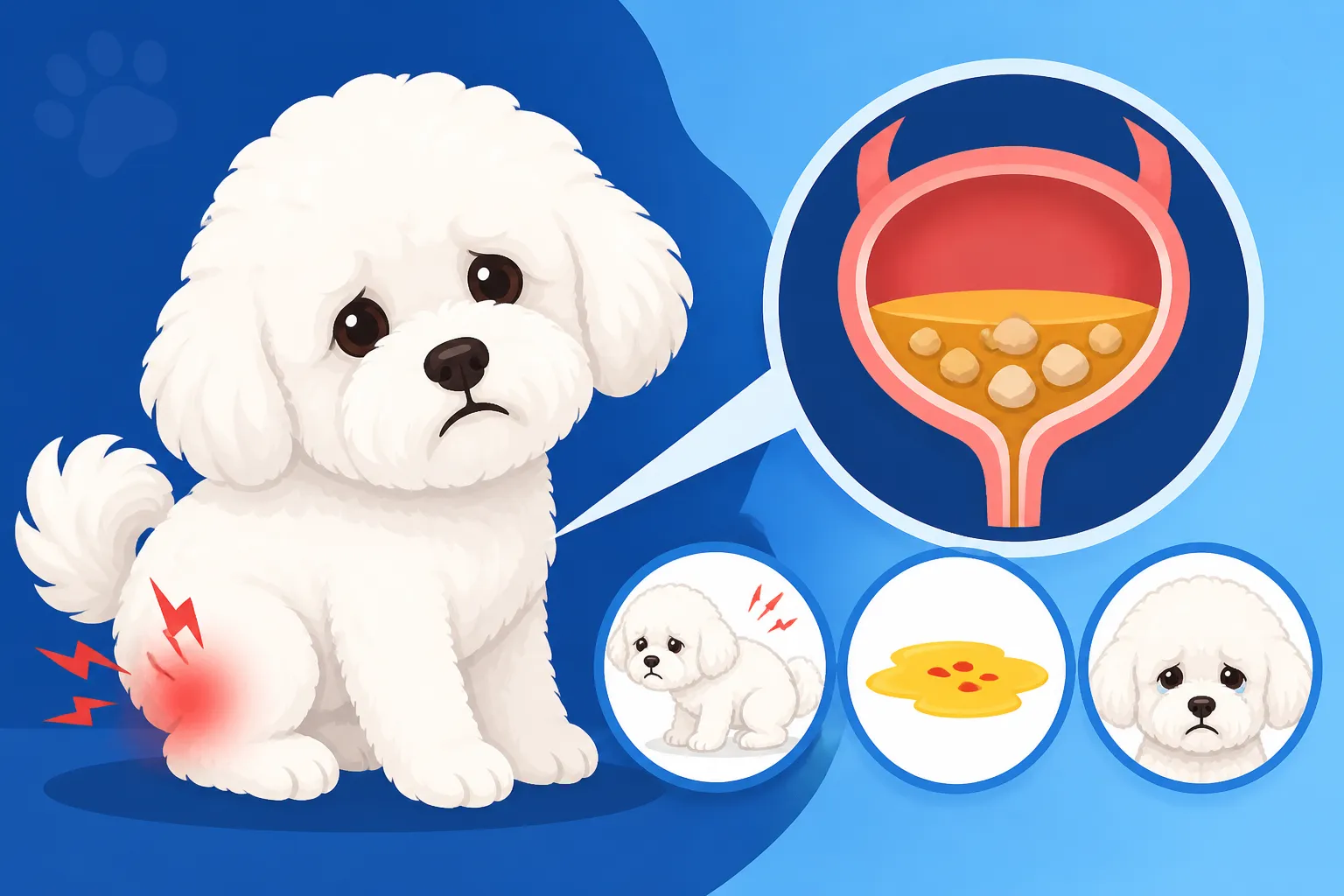
The First Signs a Bichon Frise Has Stones
It's incredibly unsettling when your beloved Bichon Frise starts acting "off," especially when you know they're prone to certain health issues. Bladder stones are a particularly common and painful problem for this breed, and catching the early signs can make all the difference in their comfort and recovery. This guide is here to walk you through those critical first indicators, helping you understand what to look for so you can act quickly and get your furry friend the help they need.
Understanding Why Bichon Frises Are Prone to Stones
If you're a Bichon parent, you've probably heard about their unfortunate predisposition to bladder stones. It's not just bad luck; there are some very real, underlying reasons why these fluffy bundles of joy seem to get them more often than many other breeds. Understanding this background can help you be more vigilant and recognize potential problems sooner.
The Genetic Predisposition in Bichons
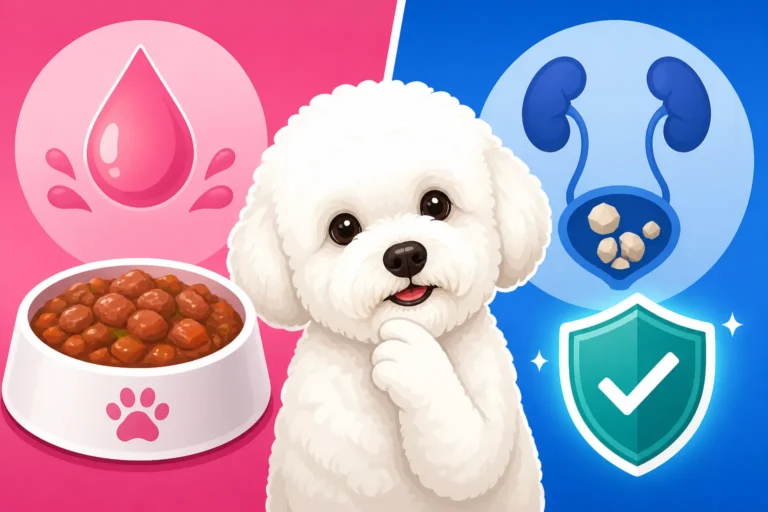
Let's be honest, it feels unfair, doesn't it? Our adorable Bichons are genetically predisposed to forming certain types of bladder stones. Specifically, they have a higher likelihood of developing calcium oxalate stones. This isn't something they "catch"; it's written in their DNA. Their metabolic processes can create an environment in their urinary tract that's just perfect for these tiny crystals to form and, eventually, grow into painful stones. It's a frustrating reality for many owners, leading to questions like Whether a Bichon Frise's Stone Risk Is Inherited.
This genetic factor means that even with the best diet and care, some Bichons will still be susceptible. It's not a reflection of your care, but a challenge inherent to the breed. Knowing this can help you understand the importance of routine veterinary check-ups and being extra observant for any changes in their urinary habits.
Common Stone Types and Their Formation
While Bichons are known for calcium oxalate stones, it's worth knowing that other types exist, though less common for them. Struvite stones, for instance, are often associated with urinary tract infections. Calcium oxalate stones, on the other hand, typically form in acidic urine that is highly concentrated with calcium and oxalate. Imagine tiny, sharp crystals forming and then clumping together, like grains of sand eventually forming a rock.
These stones can range in size from tiny grains, sometimes called "sludge," to large, palpable stones that can entirely block the urethra. The type of stone is crucial because it dictates the treatment and, more importantly, the long-term preventive diet. Your vet will often recommend What a Calcium Oxalate Stone Is in a Bichon Frise and send a sample for analysis after removal to guide future care.
How Stones Start Small and Grow
It's rare for a Bichon to suddenly develop a large bladder stone overnight. More often, it's a gradual process. First, microscopic crystals begin to form in the urine. If the urine remains concentrated and unbalanced (in terms of pH and mineral content), these crystals aggregate. Think of it like a snowball effect – small crystals attract more crystals, slowly but surely growing into detectable stones. This can happen silently for a while, with no outward symptoms at all, which is why early detection is so important.
This slow growth period is precisely why regular monitoring, even if your Bichon seems fine, is often recommended for the breed. A small stone is much easier to manage, and in some cases, might even be dissolved (though not usually with calcium oxalate stones) or passed naturally, preventing the need for more invasive procedures.
Early Behavioral Clues Your Bichon Might Have Stones
Your Bichon Frise can't tell you in words that something hurts, but their behavior often speaks volumes. Learning to interpret these subtle shifts in their routine and demeanor is absolutely crucial for catching bladder stones early. Pay close attention to how they're acting, especially around their potty breaks.
Changes in Urination Habits
This is often the very first sign that something isn't right in your Bichon's urinary tract. You might notice they're asking to go outside more frequently than usual. It’s not just an occasional extra trip; it’s a consistent increase in the frequency of their bathroom breaks, often accompanied by very little urine actually being passed each time. They might strain or squat for longer periods, looking uncomfortable as if they're really trying to go but not much is coming out.
Another common sign is urinating in unusual places. A previously perfectly housetrained Bichon might suddenly start having accidents indoors, which can be incredibly frustrating, but it's a critical clue. This isn't usually a behavioral issue; it's often a sign of urgency or discomfort. It's important not to punish them, but rather to investigate the underlying cause. Sometimes, you might even notice them holding their posture like they need to go, but nothing happens. This type of straining, known as stranguria, is a serious indicator.
Signs of Discomfort or Pain
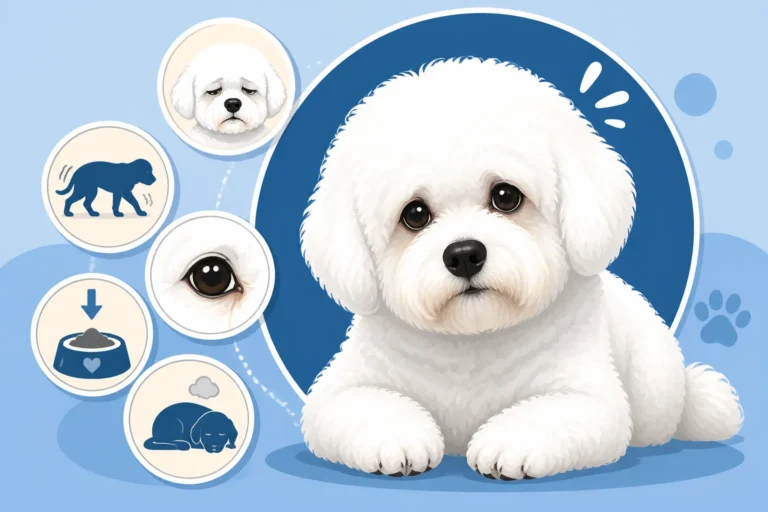
Beyond just changes in how often they urinate, look for broader signs of discomfort. Your Bichon might seem more restless, unable to settle down comfortably. They might pace, or constantly shift positions trying to find a comfortable spot. Some dogs will tuck their tail more, or walk with a slightly hunched back, indicating abdominal pain or discomfort in their bladder area.
You might also observe them becoming more withdrawn or less interested in play and affection. A normally bouncy, happy Bichon might be quieter, spending more time sleeping or just lying still. They might also react negatively to being touched or picked up, especially around their belly or hindquarters. Even a subtle yelp or flinch when you pet their lower back or abdomen can be a significant indicator. These are all subtle yet vital clues that they're in pain.
Subtle Personality Shifts
Sometimes, the changes are less about overt pain and more about a general shift in their cheerful demeanor. A Bichon known for its "Bichon Blitz" zoomies might stop doing them altogether, or their playful sessions might be noticeably shorter. They might seem generally lethargic or just "not themselves." This can be easily dismissed as just an off day, but if it persists, it's worth noting.
They might also become more irritable or snappy, which is very out of character for the usually sweet-natured Bichon. This isn't aggression; it's often a manifestation of chronic discomfort making them less tolerant. Think about how you feel when you're constantly in pain – patience wears thin. If your Bichon, who usually greets everyone with enthusiasm, suddenly seems indifferent or even a bit grumpy, it's a signal that something deeper could be bothering them. These subtle shifts can sometimes be easier to spot by someone who spends a lot of time with the dog and knows their baseline personality, like yourself.
Physical Indicators and What to Look For
While behavioral changes are key, there are also direct physical signs you can observe, often by just taking a closer look at your Bichon and their urine. These can be more obvious confirmations that bladder stones or another urinary issue is at play.
Visible Changes in Urine
This is perhaps one of the most direct and alarming signs. The most common change is the presence of blood in the urine, known as hematuria. You might notice pink, red, or even brownish tinges in their pee, especially if it's collected on a white surface like snow or a potty pad. Sometimes, the blood is so diluted it just makes the urine look a bit cloudy. This cloudiness can also be due to pus or an excessive amount of crystals, indicating an infection or stone formation.
Another thing to look for is small, gravel-like material in the urine. If you're collecting a sample for your vet, or even just observing where they've peed, you might see tiny crystals or sand-like grit. This is a very strong indicator of stone formation. Additionally, strong or foul-smelling urine can point to a urinary tract infection, which often goes hand-in-hand with bladder stones, particularly struvite stones. Don't ignore these visual or olfactory cues; they are your Bichon's way of showing you something is wrong.
Licking and Grooming Behaviors
Bichons are generally meticulous groomers, keeping their white coats pristine. However, an increase in licking around the genital area, hindquarters, or lower abdomen is a definite red flag. This isn't just routine grooming; it's often an attempt to soothe irritation or pain caused by the stones or an associated infection. The constant licking can even lead to skin irritation, redness, or hair loss in the affected areas.
Sometimes, this licking can be quite obsessive, almost frantic. It's their natural instinct to try and alleviate discomfort. If you notice your Bichon spending an unusual amount of time focused on these areas, or if the fur there appears damp, discolored, or thinning, it's important to consider urinary issues as a potential cause.
Other Physical Symptoms
While less specific to stones, other general physical symptoms can accompany urinary tract problems. A fever, for instance, might be present if there's a significant urinary tract infection. You might also notice a decreased appetite or an increased thirst. While increased thirst can be a sign of many issues, in the context of other urinary changes, it can be relevant.
Some Bichons might also experience vomiting or diarrhea, especially if the pain is severe or if an infection is making them feel generally unwell. These symptoms, when combined with changes in urination or discomfort, paint a clearer picture that a vet visit is needed. Remember, these are not exhaustive lists, and your Bichon might only show one or two of these signs, but any deviation from their normal healthy self warrants attention.
When to Seek Veterinary Attention Immediately
Recognizing the signs is the first step, but knowing when to act is just as important. Some symptoms are urgent and require immediate veterinary intervention to prevent severe complications, including a life-threatening blockage.
Recognizing a Urinary Emergency
If you notice your Bichon trying to urinate but literally nothing is coming out, or if they are straining intensely with no success, this is a severe emergency. Male Bichons are particularly susceptible to complete blockages because their urethra is narrower and longer. A full blockage means urine cannot leave the bladder, which can quickly lead to kidney failure, bladder rupture, and a build-up of toxins in the body, which can be fatal within hours. Spotting a Blocked Bichon Frise in Time is critical.
Other emergency signs include extreme pain, vocalizing loudly when trying to urinate, or collapsing. If your Bichon is lethargic, weak, vomiting repeatedly, or showing signs of shock, get to an emergency vet clinic immediately. Do not wait for your regular vet to open. These are situations where every minute counts, and prompt action can save your dog's life.
The Importance of Early Diagnosis
Beyond emergencies, acting quickly on any of the early behavioral or physical signs is incredibly important. The sooner bladder stones are diagnosed, the more options you and your vet have for treatment. Small stones might be manageable with dietary changes or medication, whereas larger, more established stones almost always require surgery. Early diagnosis means less pain for your pet, potentially less invasive treatment, and a quicker recovery.
Furthermore, untreated bladder stones can lead to chronic urinary tract infections, kidney damage, and a higher risk of future stone formation. Don't fall into the trap of thinking a few accidents or a little blood in the urine will just "go away." It's far better to be proactive. A simple urine test, sometimes combined with an X-ray or ultrasound, can quickly How a Vet Confirms Stones in a Bichon Frise and get your Bichon on the road to recovery.
Preparing for Your Vet Visit
When you notice these signs and decide to head to the vet, a little preparation can make the visit much more efficient. Try to collect a fresh urine sample if possible. A clean container and a quick "catch" mid-stream can provide a lot of information to your vet right away. Note down all the symptoms you've observed, including when they started, how often they occur, and any changes in your Bichon's appetite, water intake, or energy levels.
Be ready to discuss your Bichon's current diet, including treats and any supplements, as this is crucial information for stone analysis and prevention. Also, remember that a good pet insurance plan, such as one from Healthy Paws, can be a lifesaver when unexpected vet visits and potential surgeries arise. Knowing you have coverage can ease the financial stress during an already worrying time. It’s always a good idea to consider Whether a Bichon Frise Is Worth Insuring From Eight Weeks to be prepared for health challenges that commonly affect the breed.
Below is a quick reference table to help you identify the urgency of different symptoms:
| Symptom Category | Specific Signs | Urgency Level | What to Do |
|---|---|---|---|
| Changes in Urination | Increased frequency, straining, squatting for long periods with little urine, urinating in unusual places, small puddles. | Moderate | Schedule a vet appointment within 24-48 hours. Collect a fresh urine sample if possible. Monitor for worsening symptoms. |
| Discomfort/Pain | Restlessness, hunching, tail tucking, yelping or flinching when touched around the abdomen, decreased interest in play, lethargy, withdrawal, irritability. | Moderate | Schedule a vet appointment within 24-48 hours. Pay close attention to any progression of pain or other symptoms. |
| Urine Appearance | Blood in urine (pink/red/brown), cloudy urine, strong/foul odor, presence of grit/sand-like material. | Moderate | Schedule a vet appointment within 24-48 hours. Collect a fresh urine sample. If blood is heavy or pet seems very unwell, treat as urgent. |
| Obsessive Licking | Constant licking of genitals/abdomen, redness or irritation in those areas. | Low-Moderate | Monitor closely. Schedule a non-urgent vet appointment to investigate. This can also indicate allergies or skin issues, but combined with other symptoms, points to urinary discomfort. |
| Complete Blockage (Emergency) | Straining without passing any urine, persistent attempts to urinate with no success, extreme pain, vocalizing loudly, collapsing, severe lethargy, repeated vomiting. | HIGH | IMMEDIATE EMERGENCY VET VISIT. DO NOT WAIT. This is a life-threatening situation. Contact your emergency vet en route. Pet insurance like Healthy Paws can help cover emergency costs. |
Navigating these health challenges can be tough, but knowing the signs and acting quickly is the best way to keep your Bichon Frise happy and healthy. Remember, your vet is your best partner in their care, and being prepared with information will help them help your dog. If you ever have questions about costs, it's worth reviewing What a Bichon Frise's Emergency Blockage Costs or looking into pet insurance options to manage unexpected expenses. Early detection of issues like The Age a Bichon Frise Counts as Senior or Caring for a Bichon Frise Past Eleven also plays a big part in their overall longevity and quality of life. Thinking about The Fourteen to Fifteen Years a Bichon Frise Lives means being proactive from puppyhood.
Your diligent observation can truly make all the difference in catching these problems early. For ongoing care and prevention, your vet might discuss options like The Diet a Bichon Frise Stays On for Life or the importance of Whether a Bichon Frise Should Be Urine Tested Yearly. Pet insurance providers, including Healthy Paws, can help manage the long-term costs associated with specialized diets, regular check-ups, and potential treatments for stone prevention.
Disclaimer
Please remember that this article provides general information and guidance only. It is not a substitute for professional veterinary advice, diagnosis, or treatment. Always seek the immediate advice of your veterinarian or another qualified pet health provider for any questions regarding your Bichon Frise's medical condition. Never disregard professional veterinary advice or delay in seeking it because of something you have read here.