Whether a Cushing’s Bichon Frise Loses Its Coat
It's incredibly disheartening when your beloved Bichon Frise, known for their glorious, fluffy white coat, starts to look a bit… different. You might notice thinning patches, a dullness that wasn't there before, or perhaps their fur just doesn't feel right. If you've been worried about these changes and whether they link to Cushing's disease, you're in the right place. This guide will meticulously break down how Cushing's affects your Bichon's coat and what you can expect.
The Unmistakable Impact of Cushing's on Your Bichon's Coat
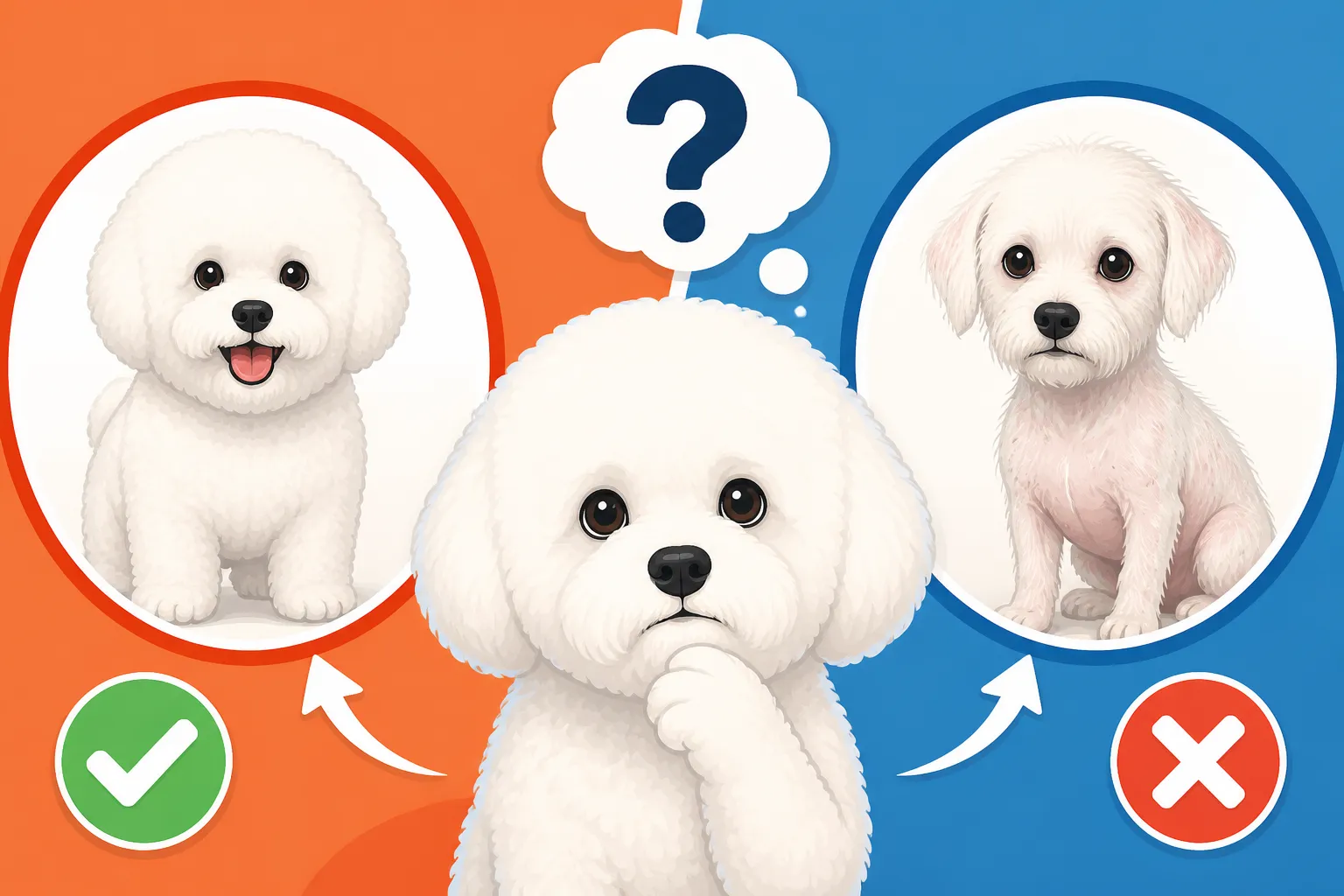
One of the most visually striking and often concerning symptoms for Bichon Frise owners dealing with Cushing's disease is the change in their dog's beautiful coat. It's not just a minor shedding; it's a systemic issue stemming from a hormonal imbalance that deeply affects hair follicle health and regrowth. This can be particularly distressing because a Bichon's signature fluffy white coat is such a defining characteristic, and seeing it deteriorate can feel like a direct hit to their identity.
The Hormonal Imbalance Behind Hair Loss
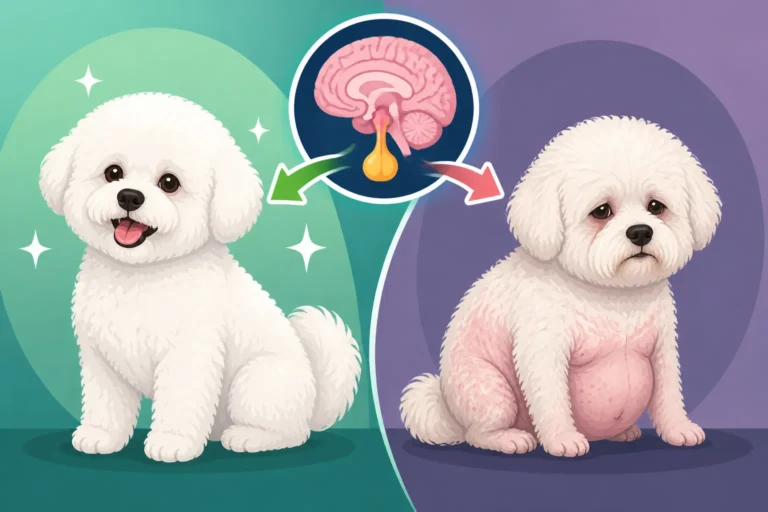
Cushing's disease, or hyperadrenocorticism, is essentially an overproduction of cortisol, a steroid hormone, by the adrenal glands. This excess cortisol wreaks havoc on various body systems, and the skin and hair follicles are no exception. Think of cortisol as a stress hormone; in chronic excess, it tells the body to conserve resources in a "fight or flight" mode, often at the expense of non-essential functions like healthy hair growth. Hair follicles enter a resting phase prematurely and stay there longer, preventing new hair from growing in, or making any new growth very fragile and sparse.
This continuous assault by high cortisol levels fundamentally alters the hair growth cycle. Instead of a healthy rotation of growing, resting, and shedding, the growing phase becomes severely truncated, and the resting phase is prolonged indefinitely. For a breed like the Bichon Frise, whose coat is naturally dense and perpetually growing, this interruption is dramatically visible. The normally vibrant, springy curls can become sparse, dull, and prone to breakage, making grooming a much more delicate and often frustrating task. It's a stark contrast to the thick, luxuriant fur they are known for.
Common Coat Changes Beyond Just Losing Hair
While hair loss is a primary concern, Cushing's doesn't just make the hair fall out. It alters the very quality of the remaining coat and the underlying skin. You might observe a general thinning, where the coat lacks its usual volume and bounce, especially over the body and flanks. The texture often changes too; what was once soft and curly can become dry, brittle, or even somewhat coarse to the touch. This change isn't just cosmetic; it signals underlying skin issues that make the coat more susceptible to matting and less effective as a protective barrier.
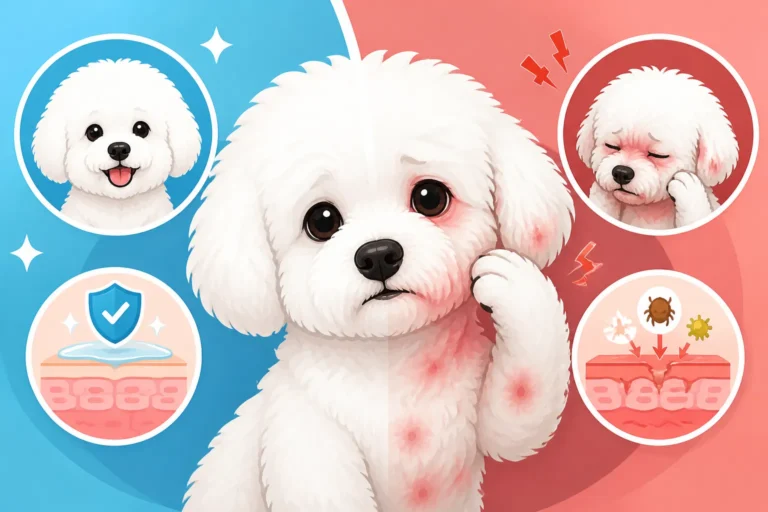
Beyond the visible hair loss, many Bichons with Cushing's develop incredibly dry, flaky, and thin skin. This fragile skin can be easily bruised or injured, and it's also more susceptible to secondary bacterial and yeast infections. The chronic elevation of cortisol weakens the immune system, making it harder for the skin to defend itself. You might notice dark spots or patches (hyperpigmentation), especially on the belly, and the skin itself might appear almost transparent in severely affected areas. These skin changes contribute to the overall poor coat condition, making it a challenging cycle to break without proper medical intervention. If you're seeing these signs, it's essential to consult your vet. Early diagnosis of conditions like Cushing's can significantly improve your Bichon's quality of life, and having a good pet insurance plan like those offered by Healthy Paws can provide peace of mind regarding diagnostic and treatment costs.
Recognizing Specific Types of Coat Loss in Cushing's
The way a Bichon Frise loses its coat due to Cushing's disease often follows a somewhat predictable pattern, which can be a key indicator for veterinarians when diagnosing the condition. It's not usually patchy, irregular hair loss like you might see with an allergy or a fungal infection, but rather a more symmetrical and generalized thinning that speaks to a systemic cause.
Bilateral Symmetrical Alopecia
One of the hallmark signs of coat loss in a Bichon Frise with Cushing's is bilateral symmetrical alopecia. This term simply means hair loss that occurs on both sides of the body in a mirrored pattern. It commonly starts on the flanks, chest, and abdomen, often sparing the head and legs initially. The hair doesn't necessarily fall out in clumps, but rather thins out gradually until the skin becomes visible. You might notice your Bichon's once plush belly and sides becoming noticeably bare or sparse.
This symmetrical pattern is crucial because it points away from localized issues like skin parasites or contact dermatitis, which tend to cause more irregular or itchy patches. The thinning often progresses to a point where the skin is quite exposed, and as mentioned earlier, this exposed skin is typically thin, dry, and sometimes hyperpigmented (darkened). Owners often report that even though the hair is thinning, the dog isn't scratching excessively, unlike with allergies, further differentiating it. Understanding The Signs of Cushing's in a Bichon Frise can help you recognize other symptoms alongside coat changes.
The 'Puppy Coat' Phenomenon and Texture Changes
Another interesting, and sometimes baffling, aspect of Cushing's-related coat changes in Bichons is what many owners describe as a "puppy coat" phenomenon, or a dramatic alteration in hair texture. The luxurious, tightly curled adult coat that's so characteristic of the breed can regress, becoming much softer, finer, and less dense, almost like the sparse, wispy coat of a young puppy. In other cases, the coat might become coarser and more brittle, losing its natural bounce and resilience.
This textural shift makes the coat incredibly prone to matting, even with diligent brushing, because the individual hairs lack their normal structure and strength. It’s also common to see a lack of regrowth after routine grooming or clipping. Where previously your Bichon's coat would spring back within weeks, with Cushing's, it might simply remain short or fail to grow back at all, leaving areas looking perpetually bald. This can be particularly frustrating for owners who pride themselves on their Bichon's immaculate grooming, and it necessitates a change in approach to The Six Week Bichon Frise Groom That Never Stops, often requiring much gentler handling and specialized products to prevent discomfort for your pet.
Differentiating Cushing's Hair Loss from Other Causes
It's easy to jump to conclusions when you see your Bichon Frise losing their coat. Many conditions can cause hair loss, and while Cushing's has distinct patterns, it's vital to let your veterinarian conduct a thorough investigation. Rushing to self-diagnose can lead to delays in appropriate treatment, and some conditions can even mimic Cushing's, making the diagnostic process a careful dance of elimination.
Ruling Out Allergies and Skin Infections
Before a definitive diagnosis of Cushing's, your vet will likely want to rule out other common culprits for hair loss and skin issues in Bichons, such as allergies and skin infections. Allergic reactions, whether to food or environmental triggers, can cause intense itching, redness, and secondary skin infections (bacterial or yeast) from constant scratching, licking, and chewing. This self-trauma leads to patchy hair loss, skin inflammation, and sometimes scabbing. For example, a Bichon with environmental allergies might lick their paws raw, leading to inflamed, stained, and thinned hair on their feet.
However, Cushing's itself can make a Bichon more susceptible to skin infections because the elevated cortisol suppresses the immune system. So, you might have a Bichon with Cushing's and a secondary skin infection. The key difference often lies in the primary driver: with allergies, intense itching is usually the first sign, leading to hair loss; with Cushing's, the hair loss is often non-itchy and symmetrical, with infections being a consequence rather than the initial cause of the loss. Your vet might suggest Whether a Bichon Frise Needs Allergy Testing or What Atopic Dermatitis Does to a Bichon Frise to rule out these possibilities.
The Importance of a Full Veterinary Workup
Because the signs of Cushing's can overlap with other conditions, a full veterinary workup is absolutely critical for an accurate diagnosis. This isn't just a simple visual check; it involves a series of tests to measure hormone levels and assess overall organ function. Typically, this begins with blood work, including a complete blood count and a biochemistry panel, which can reveal elevated liver enzymes, increased cholesterol, and other subtle indicators that point towards Cushing's.
Further specialized tests, such as an ACTH stimulation test or a low-dose dexamethasone suppression test, are then performed to directly evaluate the adrenal glands' function and cortisol production. These tests require careful timing and interpretation but are the gold standard for diagnosing Cushing's. Additionally, your vet might recommend urine tests to check for dilute urine or increased protein, and even imaging like an abdominal ultrasound to examine the adrenal glands for enlargement or tumors, especially if they are considering What Pituitary Cushing's Does to a Bichon Frise. It's a comprehensive process, but it's essential to pinpoint the exact cause of your Bichon's coat changes and other symptoms to ensure they receive the correct and most effective treatment.
| Feature | Cushing's Disease | Allergies/Infections | Hypothyroidism |
|---|---|---|---|
| Hair Loss Pattern | Bilateral, symmetrical, non-itchy; flanks, abdomen, chest | Patchy, irregular, often intensely itchy; any area, especially paws, face, ears | Bilateral, symmetrical; trunk, tail ("rat tail"), sparing head/legs |
| Skin Appearance | Thin, fragile, hyperpigmented (darkened), dry, flaky | Red, inflamed, scabby, moist; may have secondary infections | Dry, scaly, thickened, often cold to the touch |
| Hair Texture | Dull, brittle, sparse, sometimes like puppy fur or coarse | May be stained (saliva), broken, sparse in affected areas | Dry, brittle, coarse, lack of undercoat |
| Itchiness | Usually minimal or none, unless secondary infection | Intense itching is a primary symptom | Usually none, unless secondary infection |
| Other Symptoms | Increased thirst/urination, potbelly, lethargy, muscle weakness, panting | Licking, chewing, rubbing, recurrent ear infections, runny eyes | Lethargy, weight gain, cold intolerance, mental dullness |
Managing Coat Health for a Bichon Frise with Cushing's
Discovering your Bichon Frise has Cushing's can be overwhelming, but there's good news: treatment can often reverse many of the distressing symptoms, including coat issues. Managing your Bichon's coat health, both through medical intervention and supportive care, is crucial for their comfort and well-being.
Treatment for Cushing's and Its Effect on Coat Regrowth
The cornerstone of managing Cushing's disease in Bichon Frises is medication that controls cortisol production. The most common drug used is trilostane, which works by inhibiting enzymes involved in cortisol synthesis in the adrenal glands. Once treatment begins and cortisol levels are brought back into a normal range, you should gradually start to see improvements in your Bichon's overall health, and yes, their coat. However, it's important to have realistic expectations; coat regrowth isn't instant. It can take several months for new hair to begin appearing, and even longer for the coat to return to its former glory.
Patience is key during this period. The new hair might initially be softer or a slightly different texture than before, but with continued management, it should improve. Regular veterinary check-ups are essential to monitor your Bichon's response to the medication and adjust dosages as needed. This often involves periodic blood tests, like the ACTH stimulation test, to ensure cortisol levels are therapeutic. A good pet insurance policy, such as one from Healthy Paws, can be incredibly beneficial for covering these ongoing diagnostic and medication costs, which can add up significantly over time. Understanding What Cushing's Medication Costs a Bichon Frise Owner Monthly can help you prepare for the financial commitment.
Supportive Grooming and Skincare Strategies
Even with successful medical treatment for Cushing's, supportive grooming and skincare are vital for helping your Bichon's coat recover and thrive. Their skin will likely still be delicate for a while, so a gentle approach is paramount. Regular, but soft, brushing with a slicker brush designed for sensitive skin can help stimulate circulation and remove loose hairs without irritating the skin. Avoid harsh brushing or dematting tools that could pull or break the fragile new growth.
Bathing should be done with gentle, moisturizing shampoos specifically formulated for sensitive or medicated skin, perhaps even those with soothing ingredients like oatmeal. Lukewarm water is best, and thorough rinsing is crucial to prevent any residue that could irritate the skin. If your Bichon has secondary skin infections, your vet might prescribe medicated shampoos or topical treatments. After bathing, gently pat them dry with a soft towel, avoiding vigorous rubbing. A low-heat blow dryer, held at a distance, can be used, but ensure their skin doesn't get too hot. This diligent care complements the medical treatment, helping to restore both skin and coat health. Knowing What a Bichon Frise Needs Every Day can help you integrate these grooming routines seamlessly into your daily life, especially as they age, as discussed in Caring for a Bichon Frise Past Eleven.
Disclaimer
This article is intended for informational purposes only and does not constitute veterinary advice. Always consult with a qualified veterinarian for any health concerns or before making any decisions about your pet's health or treatment plan.