Which Patella Grade Needs Surgery in a Bichon Frise
It can be incredibly disheartening, and frankly, a bit scary, when your playful Bichon Frise starts showing signs of discomfort or lameness, especially if it points to an issue like a luxating patella. Many of us have been there, watching our furry companions skip or hold up a leg, immediately worried about what it means for their long-term health and happiness. This guide aims to demystify patellar luxation in Bichons, helping you understand the different grades and, most importantly, when surgery becomes a necessary step to restore your beloved dog's comfort and mobility.
Understanding Patellar Luxation in Bichon Frises
When you hear the term "luxating patella," it might sound intimidating, but it's a relatively common orthopedic condition, especially in smaller breeds like our cherished Bichon Frises. It essentially means that your dog's kneecap (patella) slips out of its normal groove. Imagine your own kneecap shifting to the side instead of gliding smoothly up and down – that's what's happening.
What Exactly Is a Luxating Patella?
To really grasp what's going on, let's talk a little about the anatomy of your Bichon's knee. The patella is a small bone embedded in the quadriceps tendon, sitting right at the front of the knee joint. It's supposed to glide within a shallow groove on the end of the femur (thigh bone), called the trochlear groove. This mechanism is crucial for proper extension and flexion of the knee, allowing your Bichon to run, jump, and play.
In a dog with patellar luxation, this kneecap, instead of staying centered, slips out of that groove. It can luxate (slip) to the inside of the leg (medial luxation, which is far more common in Bichons and other small breeds) or to the outside (lateral luxation). When it slips, it can cause pain, instability, and an altered gait – often seen as a characteristic "skip" in their step. This condition can be congenital, meaning your Bichon was born with anatomical abnormalities that predispose them to it, or it can be a result of trauma, though that's less frequent. It’s worth noting that if you have a Bichon Frise, understanding The Skip That Means a Bichon Frise's Knee Has Gone is incredibly important for early detection.
The Different Grades of Patellar Luxation
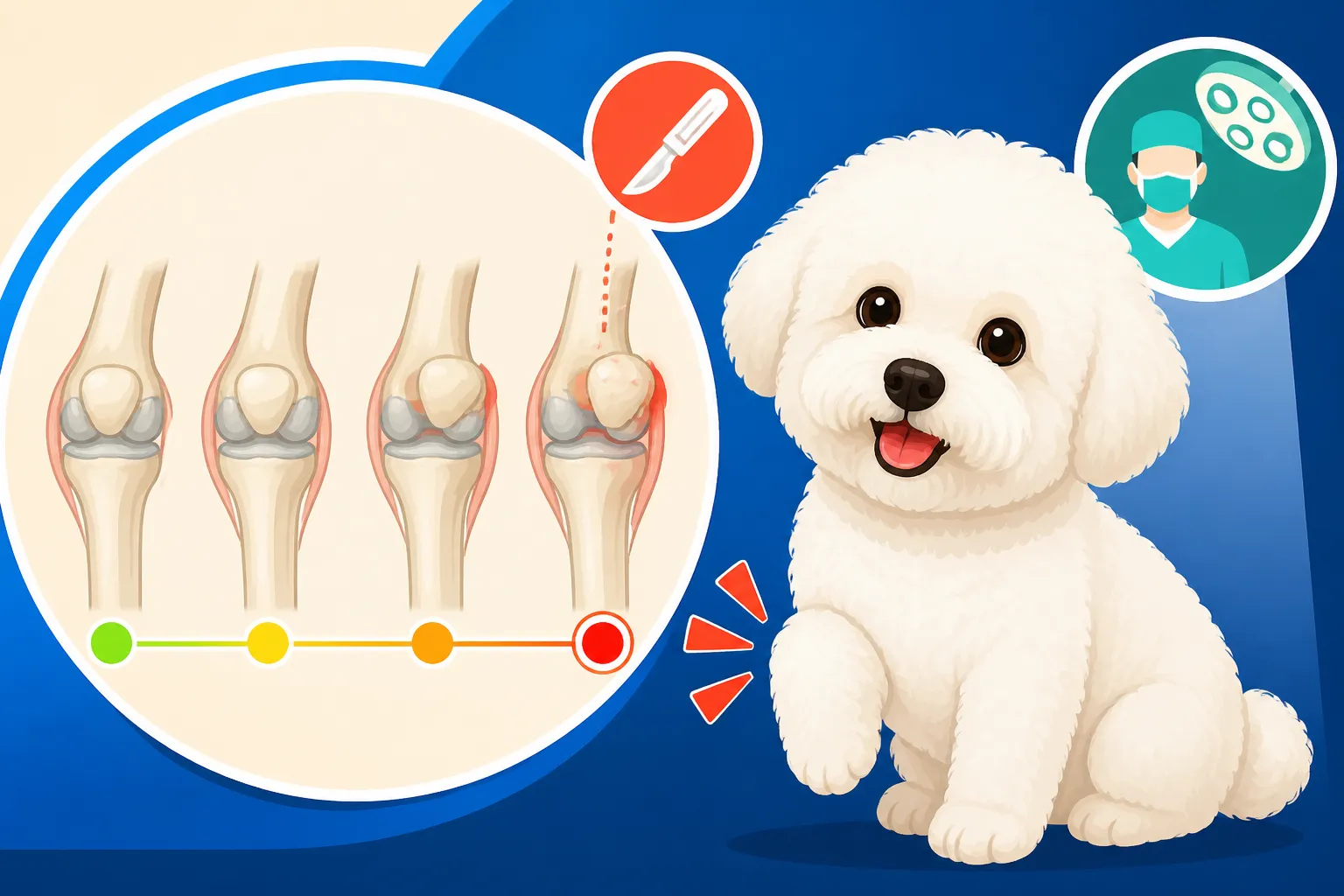
Vets typically grade patellar luxation on a scale from 1 to 4, which helps determine the severity and guides treatment decisions. It's not always as simple as "Grade 3 equals surgery," but the grading provides a vital framework.
-
Grade 1 Luxation: This is the mildest form. The patella can be manually luxated (pushed out of the groove) by a vet but will spontaneously return to its normal position. Your Bichon might show no obvious signs of lameness, or perhaps only an occasional skip that you barely notice. There's usually minimal pain, and the dog can still bear weight normally. Often, these cases are discovered during routine vet checks. For many Bichon owners, the question of Slipping Kneecaps in a Bichon Frise comes up, and Grade 1 is where it often begins.
-
Grade 2 Luxation: Here, the patella luxates more frequently and doesn't always go back into place on its own. It might luxate when your Bichon flexes or extends their knee, or it might stay luxated until they stretch their leg out. You might observe a more noticeable skip in their gait, where they hold their leg up for a few steps before putting weight on it again. While they can still use the leg, the instability is more pronounced. This grade is often the "tipping point" for considering intervention, as it can progress and lead to other complications like arthritis over time if not managed.
-
Grade 3 Luxation: With a Grade 3 luxation, the patella is luxated most of the time. It can be manually reduced (pushed back into the groove) by a vet, but it will immediately re-luxate once released. At this stage, your Bichon will likely experience consistent lameness, a noticeable crouch in their stance, and significant discomfort. They might be reluctant to use the affected leg normally, leading to muscle atrophy and a decreased quality of life. This degree of luxation almost always warrants surgical consideration due to the constant displacement and its impact.
-
Grade 4 Luxation: This is the most severe grade. The patella is permanently luxated and cannot be manually reduced back into the groove. The trochlear groove itself is often flattened or even absent, and there can be significant deformities of the femur and tibia. Bichons with Grade 4 luxation often walk with a severely abnormal gait, or may not be able to bear weight on the affected limb at all. They might walk in a crouched position, or with their knees constantly bent and rotated inwards. This condition is extremely painful and debilitating, and surgery is almost always recommended as soon as possible to improve their quality of life, although complete functional restoration can be challenging depending on the extent of the deformities.
Knowing Grading a Bichon Frise's Luxating Patella with your vet is the first step in understanding the path forward.
Deciding When Surgery Becomes Necessary
The decision to proceed with surgery for a luxating patella in your Bichon Frise is rarely taken lightly. It's a significant undertaking, both emotionally and financially, and it's completely natural to feel overwhelmed. While the grade of luxation is a major indicator, it’s not the only piece of the puzzle. Your vet will consider a range of factors before recommending the best course of action.
Factors Beyond the Grade Itself
It's tempting to think of patellar luxation as a straightforward "if this grade, then surgery" situation, but it's far more nuanced than that. Here are some of the critical considerations your veterinarian will take into account:
- Clinical Signs and Pain Level: The most important factor, regardless of grade, is how much the luxation impacts your individual Bichon. A Grade 2 luxation causing severe, consistent pain and lameness for one dog might be managed non-surgically in another dog who only has an occasional, pain-free skip. If your Bichon is visibly limping, crying out, avoiding jumping, or showing reluctance to play, these are strong indicators that intervention is needed. Your vet will assess their pain response during examination and observe their gait.
- Frequency of Luxation: How often does the kneecap slip out? An occasional luxation is different from one that occurs multiple times a day. Frequent luxation can lead to greater wear and tear on the joint cartilage and surrounding structures, predisposing your Bichon to early onset arthritis.
- Age and Overall Health: A young, otherwise healthy Bichon might be a better candidate for surgery and recovery than an older dog with multiple other health concerns. However, even older Bichons can benefit significantly from surgery if their quality of life is severely compromised by pain. Your vet will perform thorough pre-surgical blood work and a physical exam to ensure your dog is healthy enough for anesthesia and recovery.
- Presence of Other Orthopedic Issues: Sometimes, patellar luxation can occur alongside other joint problems, like hip dysplasia (though less common in Bichons) or even cruciate ligament tears. Addressing these co-existing issues might influence the surgical plan or necessity. For some, even a condition like Arthritis in a Bichon Frise at Eleven might be a consequence of long-standing, untreated patellar issues.
- Potential for Progression: Some milder luxations (especially Grade 1 or low-end Grade 2) might be monitored, but if your vet suspects the condition is progressing, early surgical intervention can prevent more severe deformities and reduce the risk of secondary arthritis. This is particularly true in growing puppies, where correcting the issue early can guide proper bone development.
The Impact of Luxation on Your Bichon's Quality of Life
Ultimately, the decision often comes down to your Bichon's quality of life. As pet parents, we want our dogs to be happy, pain-free, and able to enjoy their daily activities.
- Chronic Pain and Discomfort: Even if the luxation is intermittent, repeated slipping can cause significant discomfort and inflammation in the joint. This chronic pain can make your Bichon lethargic, irritable, or even lead to behavioral changes as they try to cope. They might become less tolerant of handling or avoid certain movements.
- Reduced Mobility and Activity: A dog with a luxating patella might stop engaging in activities they once loved. They might avoid stairs, be reluctant to go for walks, or simply lie around more. This reduction in activity can lead to weight gain, muscle loss, and a general decline in their physical and mental well-being.
- Increased Risk of Other Injuries: When the kneecap repeatedly slips, it can damage the cartilage in the joint and stress other ligaments, most notably the cranial cruciate ligament. A torn cruciate ligament is a much more complex and painful injury, often requiring its own extensive surgery. Correcting patellar luxation can significantly reduce the likelihood of these secondary injuries. This is why addressing Whether a Bichon Frise's Kneecap Needs Surgery early is so crucial.
- Long-Term Degenerative Changes: Left untreated, chronic patellar luxation invariably leads to osteoarthritis. The constant rubbing and abnormal movement within the joint cause cartilage erosion and bone spurs, leading to irreversible joint damage. While surgery aims to prevent or minimize this, the longer the luxation goes unaddressed, the more severe the arthritic changes can become, even with successful surgery. This is where proactive care and considering options like Healthy Paws pet insurance can make a huge difference in managing the potentially high costs of diagnostics and treatment.
Considering all these factors, your veterinarian will discuss the pros and cons of surgery versus conservative management, tailored specifically to your Bichon's unique situation. It's a partnership between you and your vet to make the best choice for your furry family member.
What Patellar Surgery Entails for Your Bichon Frise
Once the decision for surgery has been made, it's natural to feel a mix of hope and apprehension. Understanding what the surgical procedure involves and what to expect during recovery can help ease your mind and prepare you for the journey ahead. Veterinary orthopedic surgeons are highly skilled, and patellar luxation surgery is a very common and often successful procedure.
The Surgical Procedures Involved
The goal of surgery is to stabilize the patella so it remains securely in its trochlear groove, preventing further luxation. Depending on the specific anatomical issues present in your Bichon, the surgeon may use one or a combination of techniques:
- Trochlear Groove Deepening (Trochleoplasty): This is one of the most common procedures. If the trochlear groove (the "track" where the kneecap slides) is too shallow, the surgeon will deepen it. There are a few ways to do this, such as a wedge recession (removing a wedge of bone, deepening the groove, and then replacing the wedge) or a block recession (removing a rectangular block of bone, deepening the groove, and replacing the block). This creates a more defined channel for the patella to sit in.
- Tibial Crest Transposition: Often, in cases of medial patellar luxation, the tibial crest (the bony prominence where the patellar ligament attaches on the shin bone, or tibia) is misaligned, pulling the patella out of its groove. In this procedure, the surgeon carefully cuts a section of the tibial crest, moves it to a more appropriate position to realign the patella-quadriceps mechanism, and then reattaches it with pins.
- Lateral Imbrication (Capsular Overlap) or Release: Sometimes, the soft tissues surrounding the kneecap can be either too loose on one side, allowing it to luxate, or too tight on the other, pulling it out. A lateral imbrication involves tightening the joint capsule on the side opposite the luxation to help hold the patella in place. Conversely, a medial release might be performed, where tight tissues on the side of the luxation are cut to reduce tension.
- Corrective Osteotomy: In severe cases, especially Grade 4 luxations or those with significant angular limb deformities, the femur (thigh bone) or tibia (shin bone) itself might need to be reshaped. This is a more complex procedure, involving cutting and realigning the bone, then stabilizing it with plates and screws. This is less common for typical Bichon luxations but may be necessary in extreme cases.
Your orthopedic vet will take X-rays and carefully examine your Bichon to determine the best combination of these techniques for their specific condition. They will explain the procedures in detail, so you have a clear understanding of what will happen during your Bichon's surgery.
Post-Operative Care and Recovery Expectations
The surgery is only the first step; successful recovery largely depends on meticulous post-operative care. This period requires significant dedication from you, the owner.
- Immediate Post-Op Care: Your Bichon will typically stay in the hospital for a day or two for pain management, monitoring, and initial bandage changes. They'll likely come home with pain medication, anti-inflammatory drugs, and possibly antibiotics. A soft padded bandage might be applied to the leg, and they will almost certainly need to wear an Elizabethan collar (the "cone of shame") to prevent licking or chewing at the incision site. It’s important to stick to the medication schedule diligently.
- Restricted Activity: This is perhaps the most challenging, yet critical, part of recovery. For the first few weeks (usually 4-8 weeks), your Bichon will need strict rest. This means no running, jumping, stairs, or rough play. Leash walks will be very short, just for potty breaks, and always on a short leash to prevent sudden movements. Confining your Bichon to a crate or a small, safe area can be immensely helpful in managing their activity. This can feel like an eternity, but it's essential for the bones and tissues to heal properly and for the patella to stabilize in its new position.
- Physical Rehabilitation: Many vets recommend physical therapy (rehab) after patellar surgery. This can include passive range of motion exercises, gentle massage, and controlled exercises to rebuild muscle strength and flexibility. A certified canine rehabilitation therapist can guide you through these exercises, ensuring they are performed correctly and safely. Starting too aggressively can cause setbacks, so following professional advice is key.
- Follow-Up Appointments: Your vet will schedule several follow-up appointments. The first usually occurs within 10-14 days for suture removal and an initial check. Subsequent checks might involve X-rays to monitor bone healing and patellar stability. It's important to keep all these appointments, even if your Bichon seems to be recovering well.
- Long-Term Outlook: While most Bichons recover extremely well from patellar luxation surgery and regain excellent function, it's not a magic bullet. Some degree of arthritis can still develop over time, especially if the condition was severe or long-standing. Therefore, long-term joint support, such as supplements (like glucosamine and chondroitin), weight management, and regular controlled exercise, will be important throughout your Bichon's life. This is where pet insurance, like a policy from Healthy Paws, can provide peace of mind for potential follow-up care or management of age-related arthritis.
Understanding the commitment required for recovery can help you prepare emotionally and practically for this journey with your Bichon.
Living with Patellar Luxation: Non-Surgical Management and Prevention
Even if surgery is the recommended path, or if your Bichon's luxation is mild enough not to require it, there's a lot you can do to support their joint health. Non-surgical management plays a crucial role for Grade 1 cases, some Grade 2 cases, and as a supportive measure post-surgery. Prevention, especially in puppies, is also key.
Supporting Your Bichon Without Surgery
For those Bichons with milder forms of luxation (often Grade 1, or some Grade 2 cases that aren't causing significant pain or frequent lameness), or for those not suitable for surgery, conservative management can make a world of difference.
- Weight Management: This cannot be stressed enough. Excess weight puts enormous strain on all joints, including the knees. Keeping your Bichon at a lean, healthy weight is one of the single most effective things you can do to reduce stress on their patellas and slow the progression of arthritis. Talk to your vet about the ideal weight for your Bichon and adjust their diet and exercise accordingly.
- Joint Supplements: Many owners find success with joint supplements containing ingredients like glucosamine, chondroitin, MSM, and omega-3 fatty acids. These can help support cartilage health, reduce inflammation, and improve joint lubrication. While they won't "cure" luxation, they can significantly improve comfort and slow down degenerative changes. It's always best to discuss specific brands and dosages with your vet to ensure they are appropriate for your Bichon. You might be interested in reading Whether Joint Supplements Help a Bichon Frise for more information.
- Controlled Exercise: While strenuous activities like jumping and aggressive play should be avoided, regular, controlled exercise is vital for maintaining muscle strength around the joint. Strong quadriceps and hamstring muscles can help stabilize the patella. Short, leash-controlled walks on flat, even surfaces are ideal. Avoid activities that involve sudden starts, stops, twisting, or high impact. Swimming can be an excellent low-impact exercise option.
- Environmental Modifications: Make your home as knee-friendly as possible. Provide ramps or steps for access to furniture and beds, rather than allowing your Bichon to jump. Use non-slip rugs on hard flooring to prevent slips and falls that could cause luxation or re-injury. Be mindful of stairs, and consider carrying your small Bichon up and down if possible.
- Pain Management: If your Bichon experiences intermittent pain, your vet might prescribe anti-inflammatory medications (NSAIDs) for short-term use during flare-ups. Never give human pain medication to your dog without veterinary guidance, as many are toxic. Regular check-ups with your vet are crucial to monitor their comfort level and adjust management strategies as needed.
Proactive Steps to Protect Your Bichon's Knees
Prevention often starts long before a diagnosis, especially when it comes to inherited conditions like patellar luxation.
- Responsible Breeding: If you're considering getting a Bichon Frise puppy, choose a reputable breeder who performs appropriate health screenings on their breeding dogs. Patellar luxation has a genetic component, so breeders should screen their breeding stock and avoid breeding dogs with moderate to severe luxation. A good breeder will be transparent about their dogs' health history and screening results. This is why The Health Tests Both Bichon Frise Parents Should Have is a critical resource.
- Early Detection: Be vigilant about observing your Bichon's gait and activity levels, particularly if you have a young puppy. Noticeable "skipping," lameness, or reluctance to use a leg should prompt a vet visit. Early diagnosis allows for earlier intervention, whether surgical or conservative, which can lead to better long-term outcomes. Regular vet check-ups are also key for your vet to manually check your Bichon's patellas.
- Avoid High-Impact Activities: From a young age, be careful about activities that put excessive strain on your Bichon's knees. While they are playful, try to discourage repeated jumping off high furniture or engaging in vigorous activities on slippery surfaces. Their little joints are delicate.
- Maintain Optimal Muscle Mass: A well-developed musculature surrounding the knee joint can provide natural support. This goes hand-in-hand with controlled exercise and maintaining a healthy weight. Proper nutrition also plays a role in supporting overall skeletal and muscle health.
By proactively managing your Bichon's weight, providing appropriate exercise, considering joint supplements, and being mindful of their environment, you can significantly contribute to their comfort and joint health, whether they undergo surgery or are managed conservatively.
Here's a quick overview of patella grades and typical treatment considerations:
| Patella Luxation Grade | Description | Common Clinical Signs | Typical Treatment Approach |
|---|---|---|---|
| Grade 1 | Patella can be manually luxated but returns spontaneously. | Occasional, minor skip; often asymptomatic. | Conservative management (weight, exercise, supplements), monitoring. |
| Grade 2 | Patella luxates frequently, may return with manipulation. | Intermittent lameness, more noticeable skips, discomfort. | Conservative management or surgical repair depending on pain/impact. |
| Grade 3 | Patella luxated most of the time, can be manually reduced. | Consistent lameness, crouching, significant discomfort. | Surgical repair almost always recommended. |
| Grade 4 | Patella permanently luxated, cannot be manually reduced. | Severe lameness, abnormal gait, inability to bear weight. | Surgical repair highly recommended, potentially complex. |
It's clear that understanding your Bichon's patellar health is a journey, not a single destination. With diligent care, communication with your vet, and sometimes, the right surgical intervention, your Bichon Frise can continue to live a full, happy, and active life.
Disclaimer
The information provided in this article is for general informational purposes only and is not a substitute for professional veterinary advice. Always consult with a qualified veterinarian for any health concerns or before making any decisions about your pet's medical care.