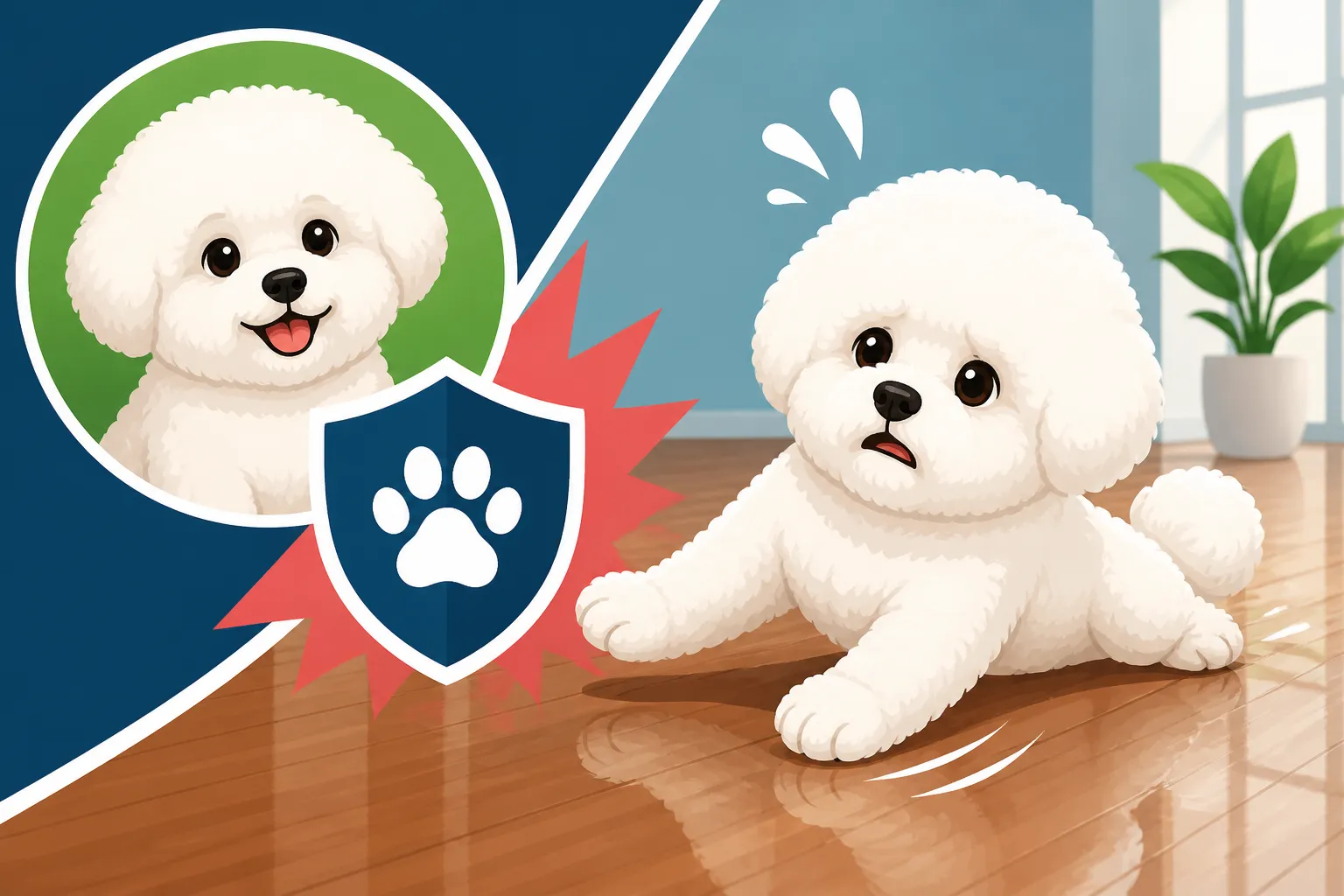
Whether Slippery Floors Hurt a Bichon Frise
It's heartbreaking to see your fluffy little Bichon Frise struggle to keep their footing, sliding across smooth floors like they're on an ice rink. Many of us worry about our dogs taking a nasty tumble, and the truth is, slippery surfaces can indeed pose a real threat to our beloved companions, leading to everything from minor sprains to severe, long-term injuries. This guide will walk you through exactly how slippery floors can hurt your Bichon, why they're particularly susceptible, and, most importantly, provide actionable steps to make your home safer and keep their little paws firmly on the ground.
Why Slippery Floors Are a Hidden Hazard for Bichon Frises
For such a joyous, spirited breed, Bichon Frises can be surprisingly vulnerable to the dangers lurking on seemingly innocuous slippery surfaces in our homes. It's not just about a temporary loss of balance; repeated slips and falls can lead to significant health issues that impact their quality of life for years to come.
The Mechanics of a Slip and Fall
When a dog walks on a surface, their paws are designed to grip, providing traction for movement and stability. On a smooth floor like hardwood, laminate, or tile, there's often insufficient friction between the paw pads and the surface. This causes the paws to splay outwards or slip backward, leading to a loss of balance. Think about trying to walk on ice in regular shoes – it's the same principle. A Bichon Frise, with their relatively small size and delicate bone structure, often lacks the body mass and wide stance to easily correct a sudden slip. Their natural gait involves a lot of quick, nimble movements, which can become dangerous when traction is compromised. It’s not just a clumsy moment; it's a momentary loss of control over their entire body.
Immediate Risks and Acute Injuries
The most obvious concern when your Bichon slips is an immediate injury. A sudden fall can result in sprains or strains to muscles and ligaments, particularly in their legs, hips, and back. Imagine your Bichon taking a sharp turn in the living room and their back legs splaying out completely. This kind of sudden, uncontrolled movement puts immense stress on their joints. Fractures, while less common from a simple slip, are a definite possibility if they fall awkwardly or hit something hard. You might notice a sudden limp, yelping, or reluctance to bear weight on a limb. In severe cases, a hard fall could even lead to head trauma, though this is thankfully rare for smaller dogs. Any immediate signs of pain or difficulty moving should prompt an urgent visit to your veterinarian.
Long-Term Health Consequences
Beyond the immediate injury, repeated exposure to slippery floors can contribute to chronic health problems for your Bichon Frise. One of the most common issues in small breeds, including Bichons, is Slipping Kneecaps in a Bichon Frise, also known as patellar luxation. While often a genetic predisposition, constant slipping and struggling for traction can exacerbate the condition or hasten its onset, causing the kneecap to dislocate more frequently. The repetitive stress on joints from trying to stabilize themselves can also accelerate the development of Arthritis in a Bichon Frise at Eleven as they age. This leads to chronic pain, reduced mobility, and a significant decrease in their overall comfort and joy. Even if they don't have a specific joint condition, the constant micro-trauma from slipping can wear down cartilage and contribute to inflammation over time, making their golden years much harder than they need to be.
Bichon Frises and Their Unique Vulnerabilities
It's easy to assume all dogs face similar risks on slippery floors, but our fluffy Bichon Frises have specific characteristics that make them even more susceptible to these hazards. Understanding these breed-specific traits is key to providing them with the safest home environment.
Small Size and Delicate Build
A Bichon Frise is a small dog, typically weighing between 12 and 18 pounds, and they have a relatively delicate skeletal structure compared to larger, more robust breeds. This means they simply don't have the sheer body mass or strong, thick bones to absorb impact as well as a bigger dog. When a Great Dane slips, its weight might keep it more stable, or it might just skid a bit. When a Bichon Frise slips, its lighter frame can be easily thrown off balance, leading to a more jarring fall. Furthermore, their small size means their legs are shorter, which, while adorable, means they have less leverage to correct a slide once it begins. They often rely on quick, small steps, which on a slippery surface, turn into a frantic dance for balance.
Predisposition to Joint Issues
Bichon Frises, like many small breeds, are unfortunately prone to certain orthopedic conditions that can be worsened by slippery floors. As mentioned, patellar luxation is a significant concern. The instability of a knee that already has a tendency to slip out of place becomes a much greater problem when the dog is constantly trying to gain purchase on a slick surface. Imagine a person with a weak knee trying to walk on ice – it’s a recipe for disaster. This isn't just a hypothetical scenario; many Bichon owners will tell you stories about their dog's knee giving out, sometimes with an audible "pop," and the dog holding up a back leg. While an underlying genetic issue is usually present, consistent slipping can be the environmental trigger that pushes a mild case into a more severe one, or increases the frequency of those painful episodes. The Skip That Means a Bichon Frise's Knee Has Gone can be a frightening sight, and we want to do everything to prevent it.
Age and Mobility Considerations
Both very young Bichon Frise puppies and senior Bichons are particularly at risk. Puppies are still developing their coordination, muscles, and bone density. They're often playful and prone to zoomies, running at top speed across any surface. A fast run on a slippery floor can lead to uncontrolled slides and falls that could potentially damage still-developing joints. We want to protect them during The First Year With a Bichon Frise Puppy to ensure strong development. On the other end of the spectrum, The Age a Bichon Frise Counts as Senior usually begins around 7-8 years old. As Bichons age, their muscles naturally weaken, their joint flexibility decreases, and conditions like arthritis become more prevalent. Their paw pads may also become smoother and less able to grip. A senior Bichon who slips can suffer much more severe consequences, taking longer to heal, and potentially worsening existing painful conditions. Their balance and reaction time are also diminished, making them less able to recover from a minor slide.
Making Your Home Safer: Practical Solutions
Once you understand the risks, the good news is that there are many effective ways to make your home a safe haven for your Bichon Frise, reducing the chances of slips and falls. It's about proactive intervention and creating a thoughtful environment.
Improving Traction on Hard Surfaces
The most direct way to prevent slips is to improve the traction on your hard floors. This doesn't necessarily mean tearing out your beautiful hardwood; there are simpler, more elegant solutions.
- Rugs and Runners: This is often the easiest and most effective solution. Place non-slip rugs, runners, or carpet tiles in high-traffic areas where your Bichon spends the most time. Think about the path from their bed to the water bowl, around their favorite napping spots, and in any areas where they tend to run or play. Ensure these rugs have non-slip backing or use rug pads underneath to prevent the rugs themselves from becoming a tripping hazard. For a busy household, washable runners are a lifesaver, easily cleaned when inevitable pet accidents happen.
- Paw Grips and Nail Trimming: Believe it or not, the condition of your Bichon's paws plays a huge role in their ability to grip. Overgrown nails can act like skates on a hard floor, preventing their paw pads from making proper contact. Regular nail trims are essential. You might also consider paw balms or waxes that add a thin, non-slip layer to their pads, or specialized "toe grips" that are essentially tiny rubber sleeves placed on their nails to improve traction. These can be particularly helpful for older Bichons or those with existing mobility issues.
- Non-Slip Coatings: For those looking for a more permanent solution without replacing floors, there are clear, non-slip coatings available that can be applied to hardwood, laminate, or tile. These treatments typically create a slightly textured, invisible layer that significantly increases friction. Always research pet-safe options and consider a professional application for the best results.
Rethinking Furniture and Stairs
It's not just the floor itself, but how your Bichon interacts with their environment. Jumping on and off furniture or navigating stairs can be particularly risky on slippery floors.
- Ramps and Steps for Furniture: Bichons love to cuddle on the couch or sleep in bed with us. However, repeated jumping off furniture onto a slick floor can be highly detrimental to their joints, especially their knees and hips. Consider investing in pet-specific ramps or steps that allow your Bichon to safely ascend and descend from couches and beds. This isn't just about preventing slips; it's about reducing the overall impact on their joints. You might remember the advice about Whether a Bichon Frise Should Jump Off Furniture – it’s generally best to discourage it, especially as they age.
- Stair Runners or Gates: Stairs, even carpeted ones, can be a challenge for small dogs, but uncarpeted, slippery stairs are a major fall risk. If you have slick stairs, install a non-slip runner or individual stair treads. For puppies, senior dogs, or those with mobility issues, a pet gate at the top and bottom of the stairs can prevent them from attempting them unsupervised, safeguarding against potentially dangerous tumbles. Even for healthy adult Bichons, practicing controlled stair use on carpeted stairs can be beneficial.
Maintaining a Safe Environment
Beyond the physical alterations, daily habits can also contribute to a safer home.
- Spill Management: Water spills from bowls, accidental urine leaks, or even tracked-in moisture can turn an already slippery floor into an ice rink. Be diligent about wiping up spills immediately. Place water bowls on mats with raised edges to contain splashes.
- Regular Cleaning: A build-up of dust, pet hair, or cleaning product residue can also reduce traction. Regular cleaning with appropriate, pet-safe floor cleaners can help maintain a consistent level of grip.
- Pet Insurance Consideration: While prevention is key, accidents can still happen. Having pet insurance can provide peace of mind should your Bichon experience an injury from a slip or fall. Providers like Healthy Paws offer comprehensive coverage that can help with the unexpected vet bills that might arise from such incidents. It’s always a good idea to consider how a policy from Healthy Paws could support your dog's health needs, including those unforeseen accidents.
Monitoring Your Bichon's Mobility and Health
Even with the best preventative measures, it's crucial to regularly observe your Bichon Frise for any subtle signs that they might be struggling or experiencing pain. Early detection of issues allows for prompt intervention and can prevent problems from escalating.
Observing Gait and Movement
Pay close attention to how your Bichon moves throughout the day. Are they walking confidently, or do they seem hesitant on certain surfaces? Do you notice any slight limping or favoring of a limb, especially after they've been running or playing? A subtle change in gait, such as a shorter stride or a reluctance to put full weight on a paw, can be an early indicator of discomfort or a developing joint issue. Sometimes, they might even do a little "bunny hop" with their back legs, which can be a sign of patellar luxation. Watch them closely as they get up from lying down – do they struggle, or do they pop up with ease? Any change in their usual enthusiastic scamper should be noted.
Recognizing Signs of Pain or Discomfort
Bichons are notoriously good at hiding pain, often because their instinct tells them to mask weakness. However, there are subtle clues. Look for changes in their behavior:
- Reluctance to play: A typically playful Bichon suddenly uninterested in their favorite toy might be in pain.
- Lethargy or increased sleeping: More rest than usual could indicate discomfort.
- Changes in appetite or thirst: Pain can sometimes affect a dog's desire to eat or drink.
- Aggression or snapping: A dog in pain might become uncharacteristically irritable, especially if you touch a sore spot.
- Excessive licking: Licking a particular joint or paw could be an attempt to soothe an ache.
- Difficulty with stairs or jumping: If they suddenly avoid their usual routes or places, it's a red flag.
These signs, combined with observing their movement, are vital for catching problems early. If you notice any of these, don't hesitate to contact your vet. Early diagnosis and treatment can make a significant difference in their long-term comfort.
The Importance of Regular Vet Check-ups
Routine veterinary check-ups are invaluable, even if your Bichon seems perfectly healthy. Your veterinarian can assess your dog's overall physical condition, including their joint health and mobility. They can detect subtle signs of developing orthopedic issues that you might miss, such as early stages of arthritis or a grade 1 patellar luxation. These check-ups are also an opportunity to discuss any concerns you have about your Bichon's movement or any observed slips. Your vet can recommend specific joint supplements, pain management strategies, or even physical therapy exercises that can strengthen their muscles and improve their stability. A good vet-client relationship means you have an expert on your side, helping you navigate the health journey of your beloved Bichon and ensuring any issues, including those related to falls on slippery surfaces, are addressed proactively. It's an investment in their long-term well-being, much like considering a comprehensive pet insurance plan from a provider like Healthy Paws to cover any unforeseen medical needs.
Table: Slippery Floor Solutions for Your Bichon Frise
Here's a quick overview of common slippery floor types and effective solutions to keep your Bichon Frise safe and sound.
| Floor Type | Slip Risk for Bichons | Recommended Solutions | Best For |
|---|---|---|---|
| Hardwood/Laminate | High | Area rugs with non-slip backing, runners, paw waxes/grips, non-slip floor treatments, pet ramps for furniture. | Living rooms, hallways, high-traffic areas |
| Tile/Stone | High | Area rugs with non-slip backing, runners (especially in kitchens/bathrooms), paw waxes/grips, anti-slip sprays, pet steps/ramps. | Kitchens, bathrooms, entryways |
| Polished Concrete | High | Large area rugs, rubber-backed mats, paw protection, consider professional non-slip sealant. | Basements, utility rooms, modern homes |
| Vinyl/Linoleum | Moderate to High | Non-slip mats in play areas, regular cleaning to prevent residue buildup, paw waxes. | Kitchens, laundry rooms, older homes |
| Carpet | Low to None | Generally safe, ensure carpet is not loose or bunched. If thin, consider extra padding for joint comfort in senior dogs. | Bedrooms, family rooms |
This table isn't exhaustive, but it provides a great starting point for assessing the risks in your home and implementing targeted solutions. Remember, a combination of strategies often works best to create a truly Bichon-friendly environment.
Beyond the Floor: Comprehensive Joint Care
While preventing slips is critical, a holistic approach to your Bichon Frise's joint health involves more than just addressing flooring. Diet, exercise, and preventative care all play significant roles in keeping their joints strong and resilient.
The Role of Nutrition and Supplements
A balanced diet is foundational for good joint health. Ensure your Bichon is on a high-quality dog food appropriate for their life stage and size. Maintaining a healthy weight is paramount, as excess pounds put additional stress on joints, exacerbating any existing issues and increasing the risk of injury from falls. Consider discussing joint-specific supplements with your veterinarian, especially as your Bichon approaches Caring for a Bichon Frise Past Eleven. Ingredients like glucosamine, chondroitin, and Omega-3 fatty acids are widely recognized for their anti-inflammatory properties and ability to support cartilage health. Brands like Healthy Paws, while an insurance provider, often promote holistic wellness for pets, reminding us that good nutrition is the first line of defense against many health challenges. There are many reputable veterinary-grade supplements available that can be incorporated into their daily routine, but always consult your vet before adding new supplements to ensure they are appropriate for your individual dog's needs and won't interfere with any medications.
Appropriate Exercise and Muscle Building
While you want to prevent slips, you certainly don't want to limit your Bichon's activity to the point where their muscles atrophy. Regular, controlled exercise is crucial for maintaining strong muscles around their joints, which in turn provides better stability and support. Short, frequent walks on safe, non-slip surfaces (like grass or textured sidewalks) are ideal. Engage them in gentle play that encourages movement without high-impact jumps or quick, sharp turns on slippery floors. Activities like hide-and-seek in a carpeted room or gentle tug-of-war can be great for mental and physical stimulation. Avoid overly strenuous activities, especially in warm weather, and always ensure they have a soft place to land. Strong core and leg muscles can make a huge difference in their ability to recover from a minor stumble, reducing the chances of a serious fall.
Proactive Health Management
Thinking proactively about your Bichon's long-term health is one of the greatest gifts you can give them. This includes regular vet check-ups where orthopedic health is specifically discussed. Your vet can perform physical examinations to check joint stability, range of motion, and look for any signs of pain. For breeds prone to specific conditions like patellar luxation, early detection means you can implement management strategies sooner, potentially slowing progression. Investing in pet insurance, such as a policy from Healthy Paws, offers a financial safety net for unexpected health issues, including those that might stem from a joint injury or a worsening orthopedic condition. This allows you to focus on getting your Bichon the best possible care without the added stress of overwhelming veterinary bills. Proactive management isn't just about reacting to problems; it's about anticipating them and setting your Bichon up for a lifetime of comfortable, happy movement.
Disclaimer
This article is intended for informational purposes only and does not constitute veterinary advice. Always consult with a qualified veterinarian for any health concerns or before making any decisions about your pet's health or treatment.