What a Bichon Frise Puppy Costs in 2026
Bringing a fluffy, lively Bichon Frise puppy into your home is an incredibly exciting prospect, but the reality for many prospective owners is a bit of sticker shock when they start looking at prices. It's not just the initial adoption or purchase fee you need to consider; the journey of dog ownership, especially with a breed like the Bichon, comes with a whole host of financial commitments. This guide will help you understand the true cost of acquiring a Bichon Frise puppy, breaking down what contributes to the price tag and preparing you for the ongoing expenses that are part and parcel of loving this wonderful breed.
Understanding the Price Tag: More Than Just a Number
When you first start researching Bichon Frise puppies, you might notice a significant range in advertised prices. It's easy to get caught up in finding the lowest price, but that can often be a red flag. The cost of a Bichon Frise puppy isn't just about the cute ball of fluff you bring home; it reflects the care, health screening, and ethical practices (or lack thereof) behind that puppy.
Initial Investment vs. Lifetime Costs
Many people focus solely on the "purchase price" of a puppy, thinking that's the primary financial hurdle. And while it's a significant upfront cost, it's truly just the tip of the iceberg. A Bichon Frise can live for The Fourteen to Fifteen Years a Bichon Frise Lives, and during that time, you'll be spending money on food, vet care, grooming, toys, training, and more. Thinking of the puppy's initial cost as part of a larger, long-term financial commitment can help you budget more realistically and avoid surprises down the road. For instance, even before you bring your puppy home, you'll need to purchase a crate, bedding, food bowls, a harness, and initial toys. These things add up quickly!
Factors Influencing Bichon Frise Puppy Price
Several key elements play into how much a Bichon Frise puppy costs. Understanding these can help you discern a fair price from one that's either suspiciously low or excessively high.
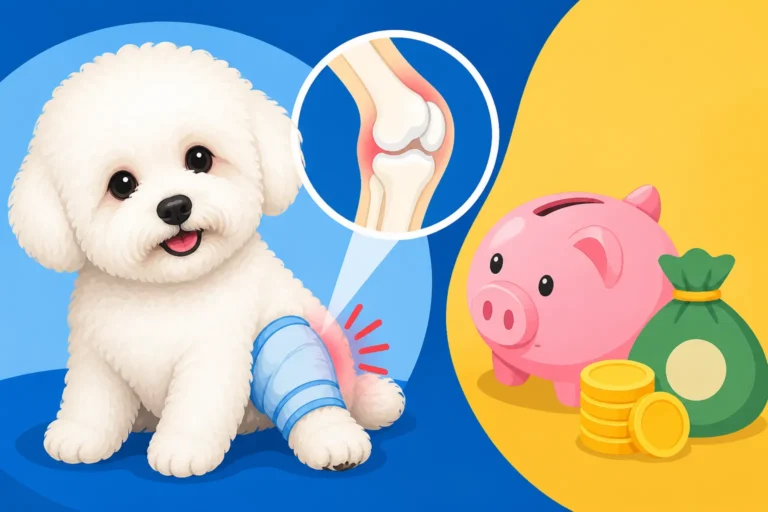
- Breeder Reputation and Ethics: Reputable breeders invest heavily in their dogs. This includes health testing the parent dogs for common Bichon issues like Slipping Kneecaps in a Bichon Frise, eye conditions, and heart murmurs. They provide excellent nutrition, veterinary care, and socialization for their puppies. This all costs money, and these costs are naturally reflected in the puppy's price. Conversely, a breeder selling puppies at a very low price might be cutting corners, which can lead to future health or behavioral issues that cost you far more in the long run.
- Pedigree and Bloodlines: Puppies from champion bloodlines or parents with strong show records typically command higher prices. This is because these puppies are usually bred with an emphasis on conformation to the breed standard, temperament, and health. If you're looking for a show dog or a potential breeding dog, you'll pay more for a puppy with an exceptional pedigree.
- Location: Puppy prices can vary significantly by geographical region. In areas with a higher cost of living or fewer reputable breeders, prices might be higher due to demand and overheads. Conversely, in areas with many breeders, there might be more competitive pricing.
- Included Services: What does the price include? A good breeder will often provide initial vaccinations, deworming, a microchip, and a health guarantee. Some might even include a starter bag of food or a blanket with the mother's scent. These inclusions add value and peace of mind.
- Age and Training: While less common for Bichons, a puppy that has received initial potty training or basic obedience commands might be priced slightly higher. This is rare, as most people want puppies at a young age, typically between 8 and 12 weeks old.
Where to Find Your Bichon Frise Puppy
The source of your Bichon Frise puppy will have a direct impact on the cost and, more importantly, the long-term health and well-being of your new family member. Choosing the right source is paramount.
Reputable Breeders and What They Charge
A reputable breeder is your best bet for a healthy, well-socialized Bichon Frise puppy. These breeders are passionate about the breed and committed to producing sound, healthy dogs. They'll typically have a waiting list, interview prospective owners thoroughly, and be transparent about their breeding practices. They'll also be happy to discuss health clearances and guarantees, which are crucial for a breed predisposed to certain conditions like Why a Bichon Frise Forms Stones Twenty Times as Often.
A puppy from a reputable breeder will generally have a higher upfront cost than from other sources. This higher price covers:
- Health Testing: Thorough health screenings for the parent dogs, including patella, eye, and cardiac evaluations. This helps ensure puppies inherit good health.
- Quality Care: Proper nutrition for the mother and puppies, a clean environment, and early socialization.
- Veterinary Care: First vaccinations, deworming, and a vet check-up before the puppy goes home.
- Support: Ongoing support and advice from the breeder throughout the dog's life.
While I can't give you exact figures, expect to pay a premium for a puppy from a truly ethical and responsible breeder. Think of it as investing in your dog's future health and your peace of mind. They aren't trying to get rich; they're covering the extensive costs of responsible breeding.
Rescue Organizations: A Less Costly, Equally Rewarding Path
Adopting a Bichon Frise from a rescue organization is a fantastic option and often comes with a lower adoption fee than purchasing from a breeder. These fees usually cover the cost of spaying/neutering, vaccinations, microchipping, and any necessary medical care the dog received while in rescue. Many wonderful Bichons find themselves in rescue situations for a variety of reasons, often through no fault of their own. Sometimes owners surrender them because they can't afford the ongoing care, which can include managing common health issues like The Atopic Skin a Bichon Frise Is Born With.
Rescue organizations like local humane societies or breed-specific Bichon Frise rescues often have dogs of all ages, including puppies. While finding a Bichon Frise puppy in rescue might require a bit more patience, it's incredibly rewarding. You're giving a deserving dog a second chance, and often, the rescue will have a good understanding of the dog's temperament and needs, helping you find a perfect match. The adoption fee is typically much less than a breeder's price, making it a more accessible option for some families.
Avoiding Puppy Mills and Backyard Breeders
It's tempting to opt for a cheaper puppy you find online or in a pet store, but these often come from puppy mills or irresponsible backyard breeders. These operations prioritize profit over the health and welfare of their dogs. Puppies from these sources are often:
- Unhealthy: Prone to genetic diseases due to lack of health testing, often have parasites, and can be severely undersocialized.
- Unregistered or Falsely Registered: Their papers might be questionable or nonexistent.
- More Expensive in the Long Run: While the initial cost might be lower, the vet bills for chronic health issues or behavioral problems can quickly dwarf any initial savings.
- Unethical: Supporting these operations perpetuates a cycle of animal suffering.
Always ask to see the puppy's parents, visit where the puppies are raised, and ask for health clearances. A reputable breeder will welcome these questions; an irresponsible one will make excuses.
What's Included in a Reputable Breeder's Price?
When you pay a higher price for a Bichon Frise puppy from an ethical breeder, you're not just buying a dog; you're investing in a foundation of health, temperament, and support. Let's break down what that price typically covers.
Health Clearances and Guarantees
This is arguably the most crucial aspect. Responsible breeders spend a significant amount of money ensuring their adult breeding dogs are free from genetic conditions common to the Bichon Frise. This includes:
- Orthopedic Evaluations: Checking for luxating patellas (slipping kneecaps) and, less commonly, hip dysplasia.
- Ophthalmologist Exams: Screening for inherited eye diseases like cataracts and progressive retinal atrophy.
- Cardiac Exams: Checking for heart murmurs or other cardiac issues.
- Other Testing: Depending on the lines, they might also screen for issues like primary ciliary dyskinesia or other conditions.
These tests are performed by certified veterinary specialists and are not cheap. The cost of these clearances is factored into the puppy's price. Furthermore, a reputable breeder will offer a health guarantee, often covering genetic issues for a certain period. This provides peace of mind that you're getting a puppy bred with care, not just for profit. You also want to ask about the prevalence of calcium oxalate stones in their lines, as Whether a Bichon Frise's Stone Risk Is Inherited is a real concern.
Initial Vet Care and Vaccinations
Before your Bichon Frise puppy comes home, a good breeder ensures they've received foundational veterinary care. This typically includes:
- First Vaccinations: Protection against common diseases like distemper, parvovirus, and adenovirus.
- Deworming: Multiple rounds of deworming treatment to eliminate common internal parasites.
- Microchipping: Permanent identification, registered with a national database, which is vital for safe return if your puppy ever gets lost.
- Initial Health Check: A thorough examination by a licensed veterinarian to confirm the puppy is healthy and free of obvious defects before going to its new home.
All these services require a veterinarian's time and resources, and the costs are absorbed into the puppy's purchase price.
Pedigree and Registration
A reputable breeder will provide you with the puppy's pedigree, detailing its ancestry, and often register the puppy with a recognized kennel club. In the US, this is typically the American Kennel Club (AKC). Registration confirms your puppy's purebred status and provides access to various AKC programs and events. While you might not plan to show or breed your dog, knowing its lineage offers a measure of confidence in its genetic background. Breeders pay fees for litter registration and individual puppy registration, which contribute to the final price.
Beyond the Puppy Price: First-Year Expenses
The initial cost of your Bichon Frise puppy is just the start. The first year of ownership, especially, comes with a flurry of essential expenses as you set up your home, establish routines, and ensure your puppy's health and training.
Essential Supplies: Setting Up Your Bichon's Home
Before your fluffy new family member even steps paw in your door, you'll need to gather some basic necessities. These items are non-negotiable for a puppy's safety, comfort, and training.
- Crate: A comfortable, appropriately sized crate is essential for potty training and providing a safe den.
- Bedding: Soft, washable bedding for the crate and other resting spots around the house.
- Food and Water Bowls: Stainless steel or ceramic bowls are often recommended for hygiene.
- Collar/Harness and Leash: A comfortable harness is often preferred for small breeds like Bichons to avoid strain on their delicate necks. Read up on Whether a Bichon Frise Should Wear a Harness.
- Toys: A variety of safe, durable toys for chewing, mental stimulation, and play.
- Grooming Tools: Even if you plan on professional grooming, a good brush and comb are vital for daily upkeep to prevent mats in their beautiful white coat.
- Potty Training Supplies: Wee-wee pads (if using), enzyme cleaner for accidents, and plenty of high-value treats for rewards.
- Baby Gates: To safely restrict your puppy's access to certain areas of your home.
These initial purchases can quickly add up, so it's wise to budget a few hundred dollars for these setup costs. Brands like Chewy offer a wide array of options for all your puppy needs, often with convenient delivery.
Initial Veterinary Visits and Preventative Care
Your puppy's health journey continues long after leaving the breeder. The first year involves several critical vet visits.
- Initial Check-up: A visit to your vet within a few days of bringing your puppy home is often required by breeder health guarantees.
- Puppy Vaccination Series: Your puppy will need booster shots over several weeks to complete their initial vaccination series, protecting them from diseases like rabies, distemper, parvovirus, and leptospirosis.
- Parasite Prevention: Regular deworming and year-round prevention for fleas, ticks, and heartworm are crucial.
- Spaying/Neutering: Unless you plan to responsibly breed, spaying or neutering your Bichon Frise is highly recommended for health and behavioral reasons. This is a significant one-time cost.
- Microchip Registration: While the breeder may implant the microchip, you'll need to pay to register it in your name.
These preventative care costs are ongoing and essential. Consider pet insurance providers like Healthy Paws, which can help mitigate the financial impact of unexpected illnesses or accidents, especially given the Bichon's predispositions to certain conditions.
Food and Nutrition Considerations
Feeding your Bichon Frise puppy a high-quality, age-appropriate diet is fundamental to their growth and health.
- Puppy Food: Start with the food the breeder was using to avoid stomach upset, then transition slowly if you choose a different brand. Small breed puppy formulas are designed to meet their specific nutritional needs.
- Treats: Training treats are a must for positive reinforcement, especially during Why a Bichon Frise Is Famously Hard to Housetrain periods. Ensure treats are small and healthy.
- Specialized Diets: Some Bichons might eventually require specialized diets due to allergies or conditions like bladder stones. If your Bichon ever develops issues like The Diet a Bichon Frise Stays On for Life for stone prevention, those foods can be more expensive.
The cost of food will vary based on brand and whether you choose kibble, wet food, or fresh food options like those offered by Ollie. Always consult your vet for nutritional recommendations specific to your puppy's needs.
Grooming Needs and Costs
Bichon Frises are known for their beautiful, non-shedding white coats, but this comes with significant grooming requirements. This is not a breed you can neglect when it comes to coat care.
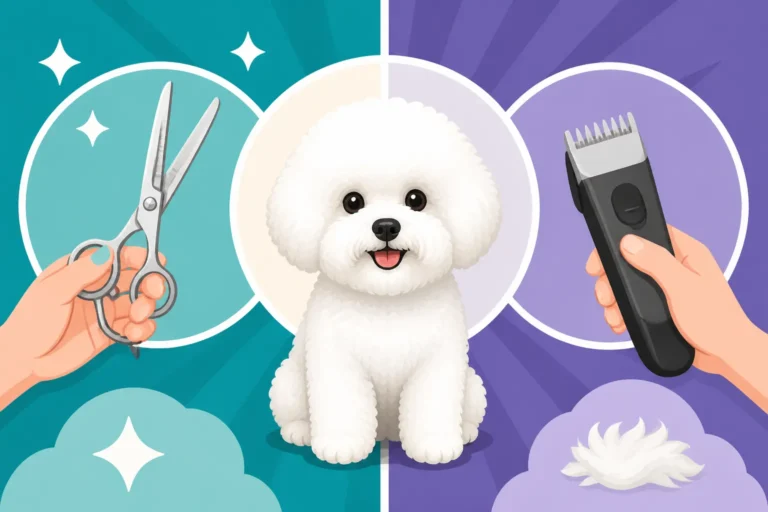
- Professional Grooming: Most Bichons require professional grooming every 4-8 weeks to maintain their coat, prevent matting, and keep them looking their best. These sessions include bathing, drying, brushing, clipping, and scissoring to achieve the classic "powder puff" look. The cost will depend on your location, the groomer's experience, and the condition of your dog's coat.
- Home Grooming Supplies: Even with professional grooming, daily or every-other-day brushing is essential to prevent mats. You'll need a good quality slicker brush, a metal comb, dog-specific shampoo and conditioner, nail clippers, and possibly ear cleaner. Many owners find it more cost-effective to learn some basic grooming themselves, at least for upkeep between professional appointments.
- Tear Stain Products: Bichons are prone to tear staining, which requires regular cleaning and specialized products to keep their face white.
The lifetime cost of grooming for a Bichon Frise can be substantial, so it's a critical factor to include in your budget planning. Read up on The Six Week Bichon Frise Groom That Never Stops to understand the commitment.
Summary of Initial and First-Year Bichon Frise Costs
To give you a clearer picture, here's a general breakdown of typical cost ranges. Remember, these are estimates and can vary widely based on your location, choices, and your dog's specific needs.
| Category | Initial Purchase/Adoption (One-time) | First Year Ongoing Costs (Monthly/Annually) | Notes |
|---|---|---|---|
| Bichon Frise Puppy | (Higher for breeders, lower for rescue) | N/A | Reflects breeder's health testing, initial vet care, pedigree, or rescue's spay/neuter, vaccinations, microchip. Price varies significantly based on source. |
| Essential Supplies | A few hundred dollars | N/A | Crate, bedding, bowls, collar/harness, leash, initial toys, potty pads, gates, basic grooming tools. |
| Vet Care (First Year) | N/A | A few hundred to a thousand+ dollars | Puppy vaccine series, deworming, flea/tick/heartworm prevention, spay/neuter surgery, microchip registration, unexpected illness/injury. Crucial to budget for this. |
| Food & Treats | N/A | Typically $50 – $100+ | High-quality puppy food, training treats. Costs can increase if special veterinary diets are needed later. Check brands like Ollie for fresh food options. |
| Grooming | N/A | $50 – $100+ per month/every 4-8 weeks | Professional grooming every 4-8 weeks is essential, plus home grooming supplies. This is a significant and unavoidable ongoing cost for Bichons. |
| Training | N/A | $100 – $300 (one-time class cost) | Puppy classes for socialization and basic obedience. Can vary if private training or specialized classes are needed. |
| Pet Insurance | N/A | $30 – $70+ per month | Optional but highly recommended, especially for a breed prone to certain conditions. Providers like Healthy Paws can save you a fortune in unexpected vet bills. |
As you can see, the initial price of a Bichon Frise puppy is just one piece of the financial puzzle. Being prepared for these ongoing costs is key to providing a happy, healthy life for your beloved companion. Responsible ownership means understanding and budgeting for the full commitment.
Disclaimer
This article is for general informational purposes only and does not constitute professional advice. Laws, prices and regulations vary by location and change over time. Consult a qualified professional for guidance on your specific situation.