Why a Bichon Frise Is Slower to Housetrain Than Most
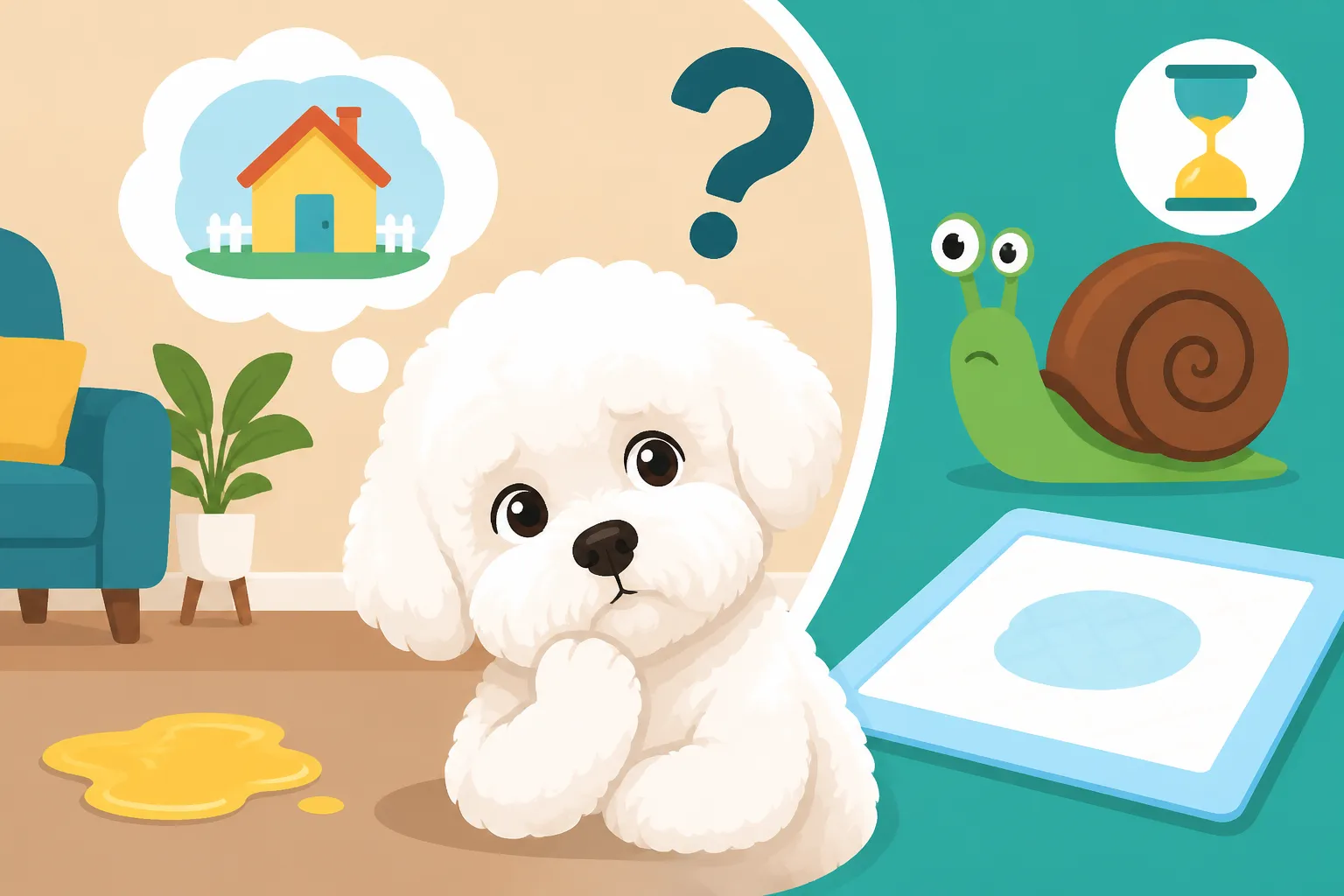
It can be incredibly frustrating when your adorable Bichon Frise puppy just doesn't seem to "get" housetraining, or when your adult dog suddenly starts having accidents indoors. Many Bichon owners feel like they're doing everything right, yet their fluffy companion is slower to master potty etiquette than other breeds. This comprehensive guide will delve into the specific reasons why Bichon Frises can be notoriously challenging to housetrain and offer practical, empathetic strategies to help you navigate these common difficulties.
The Unique Physiology of the Bichon Frise Bladder
Let's face it, when you're dealing with a tiny fluffball like a Bichon Frise, their internal plumbing is going to be a bit different from a Golden Retriever's. It’s not just about size; there are physiological and behavioral reasons that can make housetraining a journey rather than a sprint. Understanding these can help you adjust your expectations and your approach.
Small Bladder, Frequent Urination
One of the most significant factors contributing to the Bichon Frise's housetraining challenges is their small stature, which naturally means a smaller bladder. Unlike larger breeds that can "hold it" for extended periods, a Bichon Frise puppy simply doesn't have the physical capacity. Imagine trying to hold your bladder for four hours after drinking several glasses of water – that's often what we expect from a tiny puppy. Their little bladders fill up quickly, demanding frequent trips outside. Expecting a small puppy to go through an entire workday without an accident, even in a crate, is often unrealistic and can lead to frustration for both you and your pet. It's a physical limitation, not a behavioral defiance. For more on this, you might find Whether a Bichon Frise's Small Bladder Is the Problem insightful.
This physiological reality means that a consistent and frequent potty schedule is absolutely paramount from day one. When you bring home a Bichon Frise puppy, you’re signing up for what feels like constant outdoor excursions, especially in the first few months. We're talking every 30-60 minutes when they're awake, immediately after waking up, after eating or drinking, and before bed. Missing one of these critical windows almost guarantees an indoor puddle. It's an exhausting phase, but crucial for setting up lifelong success, because every accident indoors reinforces the wrong behavior.
High Metabolism and Water Intake
Bichon Frises, like many smaller breeds, can have a relatively high metabolism. This means they process food and water more quickly, leading to more frequent elimination. Coupled with their natural propensity to drink a good amount of water to stay hydrated, this accelerated internal processing directly impacts their need to relieve themselves often.
Furthermore, a Bichon Frise's diet can also play a role. Certain foods, especially those high in sodium, might encourage them to drink more, subsequently increasing urine output. While hydration is vital for their overall health, especially to help prevent common issues like bladder stones later in life, it does mean a more diligent housetraining routine is required. It's a delicate balance: you want them well-hydrated, but you also need to be prepared for the consequences of that hydration. Owners often struggle with finding that perfect rhythm, which makes consistency even more important.
Common Misconceptions and Training Pitfalls
It's easy to fall into traps when housetraining, especially with a breed that often defies typical expectations. Many owners unwittingly make mistakes that prolong the process, not because they're bad owners, but because they're working with outdated information or a lack of understanding about the Bichon Frise's specific needs.
The "Stubborn" Label and Intelligence Misinterpretations
One of the biggest misconceptions surrounding Bichon Frises and housetraining is that they are simply "stubborn" or "hard to train." While they certainly have a personality, this often isn't stubbornness, but rather a combination of their physical limitations, sensitive nature, and our own inconsistencies. A Bichon Frise is an intelligent dog, eager to please, and highly responsive to positive reinforcement. However, their intelligence also means they are quick to pick up on our patterns – or lack thereof.
If a Bichon learns that relieving themselves indoors is sometimes acceptable (because we missed a cue, didn't take them out quickly enough, or didn't clean an accident thoroughly), they'll continue that behavior. They don't associate going to the bathroom with a "bad" act; they just associate it with relieving themselves. The "stubborn" label often comes from owner frustration rather than an accurate assessment of the dog's temperament. Instead of labeling them, it's more productive to re-evaluate our own training methods and ensure they are clear, consistent, and positive.
Inconsistent Schedules and Missed Opportunities
The biggest enemy of effective housetraining, especially for a Bichon Frise, is inconsistency. Taking your puppy out at different times each day, occasionally skipping scheduled potty breaks, or not going out immediately after critical times (waking up, eating, playing) sends mixed signals. Bichons thrive on routine and predictability. When the schedule is erratic, they become confused, and accidents become more frequent.
Think of it like this: if your human child was learning to use the toilet, would you only take them when you remembered, or would you stick to a strict schedule until they mastered it? The same principle applies here. Every missed opportunity to take your Bichon outside and reward them for going in the right spot is a missed chance to reinforce the desired behavior. Furthermore, not staying outside long enough for them to actually go, or getting distracted while out, means you might bring them back inside only for them to immediately have an accident. This is where a detailed routine, perhaps even a written one, can be a game-changer for a Bichon Frise. You may want to check out Whether a Written Toilet Schedule Helps a Bichon Frise.
Ineffective Cleaning and Punishment
Another common pitfall is not thoroughly cleaning up accidents with an enzymatic cleaner. Dogs are drawn back to the same spots by scent, even if we can't smell it. If an old accident spot isn't completely neutralized, your Bichon Frise will likely return to it. Regular household cleaners might mask the odor for us, but a dog's keen sense of smell will still detect it, marking it as an "acceptable" bathroom spot. Brands like Rocco & Roxie Supply Co. or Nature's Miracle are often recommended for their enzymatic properties, which break down the odor-causing molecules. You can find many effective options on Amazon.
Equally detrimental is punishing your Bichon Frise for indoor accidents. Punishment, especially if it happens after the fact, doesn't teach your dog where to go; it only teaches them to fear you or to hide their accidents. They won't understand that going indoors is wrong; they'll only learn that you are scary when there's a mess. This can lead to them sneaking off to pee or poop in hidden corners, or even developing anxiety around elimination, making the problem worse. The key is to catch them in the act and immediately interrupt with a sharp, but not angry, "Ah-ah!" and whisk them outside to finish. Then, praise them lavishly for going outdoors.
The Impact of Health Issues on Housetraining
It’s easy to blame training or a dog’s personality, but sometimes, sudden changes or persistent difficulties in housetraining can be a red flag for underlying health issues. Bichon Frises are prone to certain conditions that can directly affect their bladder control and urge to urinate.
Urinary Tract Infections (UTIs) and Bladder Stones
Bichon Frises, unfortunately, are genetically predisposed to developing urinary tract issues, including UTIs and bladder stones, particularly calcium oxalate stones. These conditions can cause increased frequency of urination, straining, discomfort, and even accidents in an otherwise perfectly housetrained dog. A UTI makes a dog feel like they constantly need to go, even if their bladder isn't full, leading to urgent, often small, puddles. Bladder stones can cause inflammation, pain, and blockages, making it impossible for your dog to hold their urine or even pass it properly. If your Bichon suddenly starts having accidents, especially if they are straining, squatting frequently, or seem uncomfortable, a vet visit is imperative to rule out a medical cause. Whether a Urinary Infection Undoes a Bichon Frise's Training and Whether Stone Trouble Explains a Bichon Frise's Accidents provide further reading on these critical health concerns.
The urgency and discomfort associated with these conditions override any prior housetraining. Your dog isn't being naughty; they're genuinely unable to control their bladder due to pain or inflammation. Ignoring these signs or simply reinforcing training without a vet check could lead to a worsening medical condition and prolonged suffering. Prompt diagnosis and treatment are essential, not just for their health, but for getting your housetraining back on track.
Other Medical Conditions Affecting Urination
Beyond UTIs and stones, several other medical conditions can impact a Bichon Frise's ability to maintain housetraining. Diabetes, for example, causes increased thirst and, consequently, increased urination (polydipsia and polyuria). A dog with uncontrolled diabetes will drink excessively and need to urinate much more frequently, often leading to accidents. Similarly, Cushing's disease, which is more common in older Bichons, can also lead to excessive thirst and urination. Whether a Cushing's Bichon Frise Drinks Constantly delves deeper into this condition.
Even less obvious issues, such as kidney disease or certain medications (like corticosteroids used for allergies), can increase urine output and make housetraining more challenging or cause regressions. If an adult Bichon Frise who was previously reliable suddenly starts having accidents, it's always best to consult your veterinarian. Don't immediately assume it's a training issue; it could be their body telling you something is wrong. Older Bichons, in particular, can develop age-related incontinence or cognitive dysfunction, which might manifest as accidents. Whether an Old Bichon Frise Loses Bladder Control covers these later-life challenges.
Effective Strategies for Consistent Housetraining
Housetraining a Bichon Frise might require more patience and diligence, but it's absolutely achievable with the right approach. Consistency, positive reinforcement, and a deep understanding of your dog's needs are your best tools.
Crate Training and Management
Crate training is an invaluable tool for housetraining a Bichon Frise. Dogs naturally prefer not to soil their sleeping area, so a properly sized crate becomes their den. It should be just big enough for them to stand up, turn around, and lie down comfortably – if it's too large, they might relieve themselves in one corner and sleep in another. Introduce the crate positively, making it a comfortable, safe space with soft bedding and toys. Never use the crate as punishment.
The crate serves as a management tool, not a solution in itself. It helps you manage your Bichon's potty schedule. When you can't actively supervise your puppy, they go into their crate. The moment they come out, take them straight outside. BAXTER & Bella, an online puppy school, offers excellent resources and guidance on positive crate training techniques that can be very helpful for Bichon owners. For selecting a good crate, many options are available on Amazon, ranging from wire crates to soft-sided carriers. Remember to gradually increase the time they spend in the crate as their bladder control improves, but always be realistic about how long a young Bichon Frise can hold it. Whether Crate Training Works on a Bichon Frise offers further guidance.
Establishing a Predictable Potty Schedule
Consistency is king. Create a strict potty schedule and stick to it religiously. This means taking your Bichon Frise out:
- First thing in the morning
- Immediately after waking from a nap
- After every meal or drink
- After playing or any exciting activity
- Before bedtime
- Every 1-2 hours while they are awake (for puppies)
Use a consistent phrase like "Go potty!" each time you take them out. Take them to the same designated potty spot if possible. When they eliminate, praise them enthusiastically with a happy tone and offer a high-value treat immediately as they are finishing. The timing of the reward is crucial; it must happen right as they are performing the desired action. Don't wait until you're back inside. Whether a Bichon Frise Should Be Taken Out Hourly emphasizes the importance of frequent outings.
| Time of Day | Activity / Cue | Action |
|---|---|---|
| 7:00 AM | Wake up | Straight outside for potty |
| 7:15 AM | Breakfast | Outside again within 10-15 mins |
| 7:30 AM – 12:00 PM | Playtime/Supervised inside | Outside every 60-90 minutes, after naps |
| 12:00 PM | Lunch | Outside again within 10-15 mins |
| 12:15 PM – 5:00 PM | Playtime/Supervised inside | Outside every 60-90 minutes, after naps |
| 5:00 PM | Dinner | Outside again within 10-15 mins |
| 5:15 PM – 9:00 PM | Playtime/Supervised inside | Outside every 60-90 minutes, after naps |
| 9:00 PM | Last potty break before bed | Ensure a thorough empty bladder |
| Overnight (for puppies) | Set alarm if needed for very young puppies | Quick trip outside, minimal interaction |
This table provides a general example; adjust timing based on your Bichon's age, individual needs, and your own schedule.
Utilizing Potty Pads or Indoor Grass Patches
While the ultimate goal is outdoor elimination, for very young puppies, owners who live in high-rise apartments, or in areas with extreme weather, potty pads or indoor grass patches can serve as an interim solution. However, be aware that relying on them for too long can sometimes delay true outdoor housetraining, as the dog learns to eliminate indoors. If you choose this route, actively supervise and gradually transition them outside.
One strategy is to place the pad closer and closer to the door over time, eventually moving it outside. The key is to be consistent with where the pad is placed and to still offer frequent outdoor trips. The BAXTER & Bella program sometimes discusses strategies for managing pad training alongside outdoor training, helping to bridge the gap without confusing your puppy. This can be especially useful if your Bichon Frise has a strong aversion to going out in the rain or snow, which is a common trait. Whether a Bichon Frise Hates Wet Grass is a real concern for many owners.
Addressing Setbacks and Regressions
Even with the best intentions and consistent training, setbacks can happen. It's crucial not to get discouraged but to approach these moments with understanding and a methodical plan. Regressions are often a sign that something has changed, either in their environment, routine, or health.
Identifying the Root Cause of Accidents
When accidents start happening after a period of success, the first step is always to rule out a medical issue. As discussed, Bichons are prone to UTIs and bladder stones, and these can cause a sudden loss of housetraining. A quick vet visit for a urine test can often clear up any doubts. Whether Frequent Squatting Means Stones Not Training provides a reminder that physical symptoms should always be investigated.
Once medical causes are eliminated, consider other factors:
- Changes in routine: Has your work schedule shifted? Has someone new moved into the house? Even small changes can disrupt a dog's sense of security and routine, leading to anxiety-induced accidents.
- Environmental changes: New furniture, a different type of cleaning product, or even a sudden change in weather can influence a Bichon's willingness to go outside.
- Inconsistency on your part: Have you become lax with the potty schedule? Are you taking them out less frequently or not supervising them as closely indoors? It's easy to slip up once a dog seems "trained."
- Subtle fear or anxiety: Is something outside making them hesitant to relieve themselves? A new neighbor's dog, a loud noise, or even a change in the outdoor lighting could make them nervous, causing them to hold it until they are back inside.
Pinpointing the exact trigger is essential for finding the right solution.
Re-establishing the Routine and Reinforcement
If you've ruled out medical issues and identified a potential behavioral or environmental cause, it's time to go back to basics. Treat your Bichon Frise as if they are a brand new puppy again in terms of housetraining. This means:
- Strict supervision: Keep them on a leash indoors if necessary, tethered to you, so you can prevent accidents before they happen.
- Frequent potty breaks: Reimplement the stringent schedule you used when they were a puppy. Set timers if you need to.
- High-value rewards: Make outdoor potty breaks the most exciting event of the day! Use their favorite treats and lavish praise immediately after they go outside.
- Thorough cleaning: Use enzymatic cleaners on all past and new accident spots to eliminate odors completely.
- Crate time: When you cannot actively supervise, use their crate (assuming they are comfortable with it) to prevent accidents.
This "boot camp" approach, combined with increased attention and positive interactions, can help your Bichon re-learn and solidify their housetraining. It requires patience and dedication, but your consistency will pay off. Consider using a bell on the door, like those often seen on Amazon, to help your Bichon communicate their need to go out. Whether Bell Training Works on a Bichon Frise can give you more ideas for training your dog to signal.
When to Seek Professional Guidance
Sometimes, despite your best efforts, the housetraining challenges persist. This is not a sign of failure on your part or a "bad" dog; it simply means you might need an extra set of eyes and expertise. A certified professional dog trainer or a veterinary behaviorist can offer tailored advice and help identify subtle nuances in your Bichon Frise's behavior or environment that you might be overlooking.
They can assess your specific situation, observe your dog's behavior, and develop a customized plan. They can also provide guidance on dealing with anxiety, marking behaviors, or other complex issues that might be contributing to the housetraining difficulties. Don't hesitate to reach out for help. Many online training programs, like those offered by BAXTER & Bella, also provide one-on-one coaching options that can be incredibly beneficial for persistent issues. Investing in professional guidance can save you a lot of frustration and help your Bichon Frise become a confident, reliably housetrained companion.
Disclaimer
This article is for general informational purposes only and does not constitute professional advice. Laws, prices and regulations vary by location and change over time. Consult a qualified professional for guidance on your specific situation.