Whether Two Bichon Frises Learn From Each Other
Bringing a second adorable Bichon Frise into your home sounds like a dream, doesn't it? Many of us, myself included, have fantasized about how our older, perfectly trained companion will effortlessly pass on all their wisdom to the new puppy, making the whole training process a breeze. You picture the seasoned Bichon gently guiding the little one to the potty patch, sharing toys politely, and demonstrating impeccable manners. But here's the honest truth: while there are definitely benefits to having two Bichons, especially in terms of companionship, the idea that they'll simply "teach" each other everything you need them to is often more hopeful thinking than reality. This guide will dive into what two Bichon Frises truly learn from each other, and what still falls squarely on your shoulders as their dedicated human.
The Reality of Canine Mentorship: What Actually Transfers
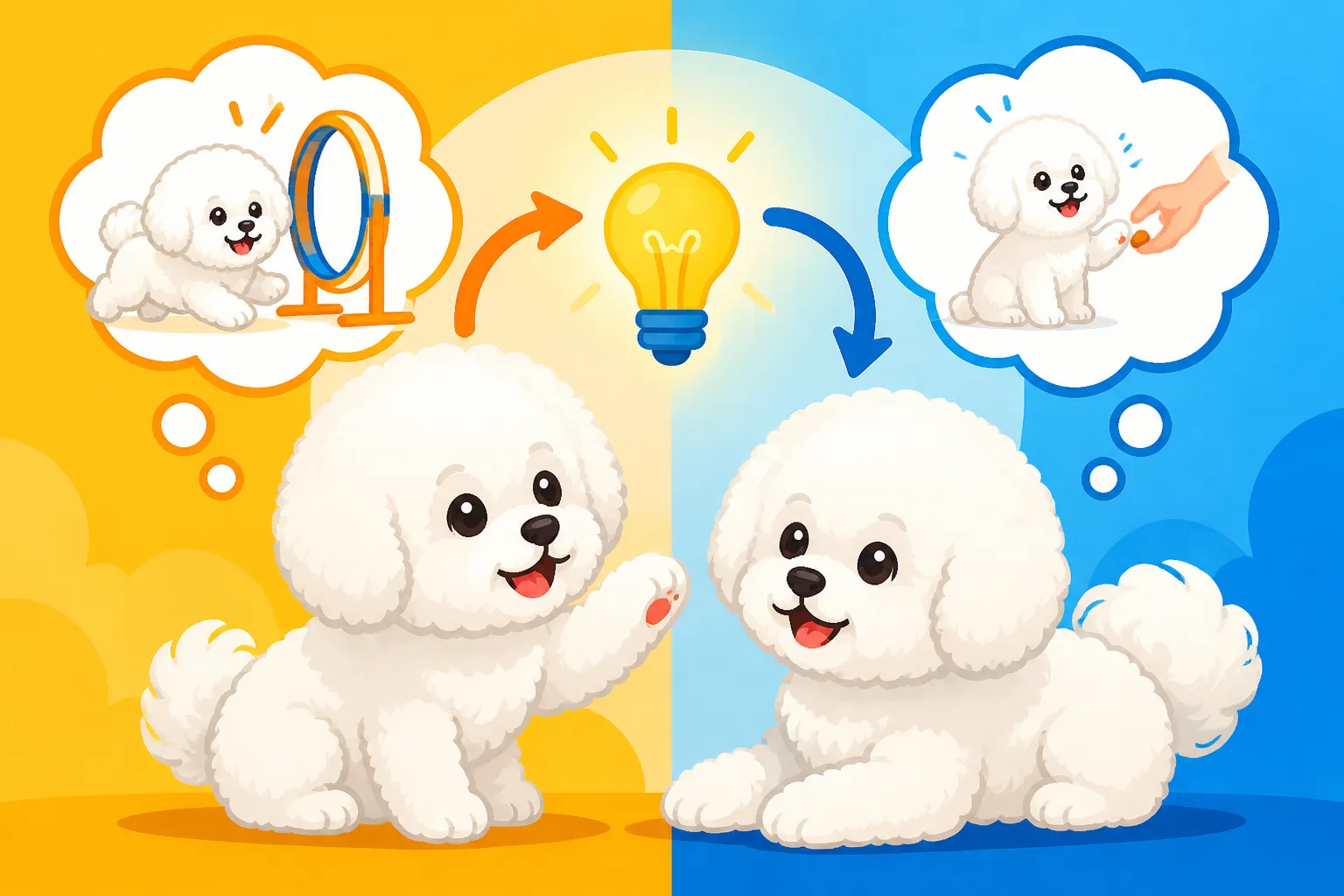
It's a lovely thought, isn't it? Your calm, housetrained Bichon, perhaps named Fluffy, showing little snowball Pip where to do his business, how to greet guests without jumping, and patiently enduring a bath. While puppies do learn by observation, and an older dog can certainly influence a younger one, it's rarely the complete training shortcut we hope for. Think of it more like an older sibling providing a general vibe rather than offering structured lessons.
The "Good Influence" Myth: It's Not a Training Manual
We all want our veteran dog to be the perfect role model. You’ve put in the hours, overcome the infamous housetraining challenges, and taught your first Bichon a good routine. So, when a new puppy arrives, it’s natural to expect some of that hard-won knowledge to rub off. A puppy, particularly one as intelligent and observant as a Bichon, will definitely watch what the older dog does. They might learn:
- Social cues: How to approach other dogs, what play solicitations mean, when to back off. This is invaluable, as learning these from a stable adult dog is far better than learning them haphazardly at a dog park.
- Routine rhythms: When the older dog gets up, eats, goes out, or settles down, the puppy will naturally start to fall into a similar rhythm, which can be a huge help in establishing a daily schedule.
- Appropriate toys: If your older Bichon only chews on designated toys, the puppy is more likely to mimic this, saving your furniture from tiny, sharp puppy teeth.
However, where the myth often breaks down is in the nuance of training. Your older dog doesn't understand why they go potty outside – they just do because you established the habit. They can't explain concepts like "only potty on grass" or "wait until we get outside." So, while Pip might follow Fluffy out the door, he hasn't learned delay or signal. This is where the human element remains paramount. The older dog is a fantastic companion and a living example, but they aren't a certified dog trainer.
The "Bad Influence" Possibility: Reinforcing Unwanted Habits
Now for the dose of realism: sometimes, the learning goes in the wrong direction. If your older Bichon has developed a few quirks or less-than-ideal habits, your new puppy might pick those up with alarming speed, sometimes even amplifying them. We're talking about things like:
- Window barking: If your first Bichon barks at every squirrel, leaf, or distant sound they see through the window, your puppy will likely join in, creating a canine chorus that can quickly become overwhelming. Suddenly, you don't just have one watchdog, you have two, and they're egging each other on. This is where you might find yourself dealing with The Window Barking a Bichon Frise Does on a whole new level.
- Selective hearing: Perhaps your older dog is fantastic until they catch a scent outside or see another dog, and suddenly, recall goes out the window. A puppy observing this might learn that ignoring commands is an option in certain exciting situations.
- Resource guarding: If your older dog has any tendencies to guard toys, food, or even your lap, a puppy entering the equation can either exacerbate this, or the puppy might learn the behavior from the older dog, leading to squabbles and potential aggression. It's crucial to be vigilant here.
The key takeaway is that observation is a double-edged sword. Puppies are sponges, and they will soak up both the good and the not-so-good behaviors from their canine housemates. Your job as the owner is to actively manage this environment and ensure the positive influences outweigh the negative ones.
Housetraining: A Tale of Two Toilets (or More!)
Ah, housetraining a Bichon Frise. It's a journey, isn't it? Many Bichon owners will tell you that it's one of the breed's more challenging aspects, sometimes taking longer than expected. The hope that an older, housetrained Bichon will magically solve this problem for a new puppy is a common one, but it comes with its own set of complexities.
Why Housetraining Can Be Tricky with Two Bichons
While a puppy might indeed follow your older Bichon outside, seeing them relieve themselves can encourage the younger one to do the same. This can be a fantastic start! The puppy learns the location of the bathroom quickly. However, the intricacies of housetraining, like communicating the need to go, holding it for longer periods, or understanding that inside is strictly off-limits, are not easily taught by one dog to another. This often reinforces the common saying: Why a Bichon Frise Is Famously Hard to Housetrain.
What can happen instead is a scenario where the older dog's established routine gets disrupted. If the puppy has accidents inside, the scent can sometimes confuse the older dog, or even encourage them to mark or have accidents in response. It's not uncommon for owners to find that their previously reliable dog starts having "regression" issues when a puppy is introduced. Moreover, when you have two dogs going outside, managing their potty breaks requires double the vigilance. Are both dogs actually relieving themselves? Or is the puppy just playing while the older one handles business? You're no longer just watching one dog for signals, but two, and they might have different needs based on their age and bladder control. Remember, a young Bichon puppy cannot hold it for How Long a Bichon Frise Puppy Holds It Overnight for very long, so frequent, supervised trips for both are essential.
Strategies for Multi-Bichon Potty Training
Successfully housetraining a new Bichon puppy while also maintaining the older dog's routine requires a methodical approach. You absolutely cannot rely solely on the older dog.
- Individual Supervision: Treat the puppy as if it's your first and only dog for housetraining purposes. This means constant supervision, frequent trips outside, and immediate rewards for outdoor success. When both dogs go out, observe both carefully.
- Separate Potty Breaks (Initially): If possible, take the puppy out alone more frequently than the older dog. This ensures the puppy learns to go independently and not just because the older dog is there. As they get older, group outings become easier, but the initial foundation is crucial.
- Crate Training: This remains one of the most effective tools for housetraining. Both Bichons can have their own crates, which helps them learn to hold their bladder and bowels overnight and during short periods of absence. If you're wondering if this method works for your breed, rest assured, Whether Crate Training Works on a Bichon Frise is generally very effective for Bichons, as they are naturally clean dogs who prefer not to soil their sleeping area.
- Enzyme Cleaners: Accidents will happen, especially with a puppy. Invest in a good enzymatic cleaner (many excellent options are available on Amazon) to thoroughly remove all traces of urine smell. This is vital to prevent both the puppy and the older dog from being drawn back to "accident spots" indoors.
- Reinforce the Older Dog: Continue to praise and reward your older Bichon for their good potty habits. This validates their behavior and prevents them from feeling neglected or confused by the new arrival's learning phase.
By taking a proactive, individual approach to housetraining, you can ensure both your Bichons develop excellent potty manners, rather than hoping for a magical transfer of knowledge.
Behavior, Socialization, and Grooming: What They Do Learn
Beyond housetraining, the presence of an older, well-adjusted Bichon can be incredibly beneficial for a new puppy, especially in areas of social development and adapting to household routines. This is where the "learning from each other" aspect truly shines.
Social Cues and Play Styles
This is arguably the most significant benefit of having two Bichons. Puppies need to learn how to be dogs, and the best teacher for canine social dynamics is another stable, adult dog.
- Canine Etiquette: An older Bichon will teach a new puppy appropriate play behaviors – when a nip is too hard, when a chase is over, and how to respect personal space. This is vital for developing a well-rounded dog who knows how to interact politely with other canines. The puppy learns to interpret body language and vocalizations that humans often miss.
- Confidence Building: For a shy or timid puppy, an outgoing older dog can be a tremendous source of confidence. The puppy will observe the older dog's interactions with new people, places, and other animals, and learn that these situations are not to be feared. Conversely, a boisterous puppy might learn limits and self-control from an older, calmer dog who doesn't tolerate overly rough play.
- Shared Joy: There’s nothing quite like watching two Bichons play together. Their joyful, The Merry Temperament the Bichon Frise Standard Demands truly comes alive when they have a playmate of their own kind. This interaction provides vital mental and physical stimulation that you, as a human, can't fully replicate. They chase, tumble, and engage in elaborate play sessions, burning off energy and strengthening their bond.
Grooming and Handling Tolerance
Grooming is a huge part of Bichon ownership, and it needs to start early and be consistent. If your older Bichon is a trooper on the grooming table, that can be a massive advantage for the puppy.
- Observational Acceptance: A puppy watching an older dog calmly stand for brushing, nail trims, or even a full scissor trim, is far more likely to accept these procedures themselves. They see that it's not scary or painful, just a normal part of life. While you'll still need to desensitize the puppy with positive reinforcement, the precedent set by the older dog can make the process smoother. For example, if your older Bichon has learned Teaching a Bichon Frise to Stand for an Hour of Scissoring, the puppy might emulate that patience quicker.
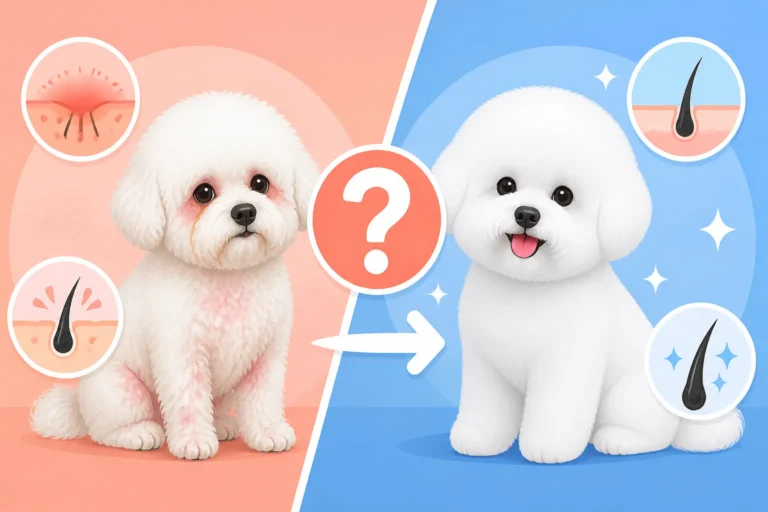
- Routine Acceptance: The sound of clippers, the feel of the brush, the process of drying – all these can be intimidating for a young puppy. But if they're exposed to these sounds and sensations during the older dog's grooming sessions, they become normalized. They see the older dog emerge fluffy and happy, associating grooming with positive outcomes. Even tasks like paw rinses after walks or daily eye wiping might be more readily accepted if the puppy sees the older dog tolerate it.
- Mitigating "Two Troubles" Syndrome: While having two can amplify barking, it can also reduce other issues. Two Bichons often experience less separation anxiety because they have each other for company. They provide comfort and entertainment for one another during your absence, which can lead to a calmer household overall. However, if one Bichon has a health issue that requires frequent handling or medication, teaching the other to accept handling without fear is critical.
The Human Element: Managing a Multi-Bichon Household
While your two Bichons will undoubtedly share a special bond and learn some things from each other, the ultimate responsibility for their health, happiness, and training rests firmly with you. Managing a multi-Bichon household is rewarding, but it demands consistent effort and attention to each dog as an individual.
Ensuring Individual Attention and Training
It's easy to fall into the trap of treating your two dogs as a single unit, but it's crucial for their individual development and your bond with them that you spend one-on-one time with each.
- Individual Training Sessions: Don't assume that because one Bichon knows "sit" or "stay," the other will automatically learn it through osmosis. Dedicate short, positive training sessions to each dog separately. This strengthens their individual understanding of commands and reinforces your leadership role. Resources like BAXTER & Bella offer online puppy training programs that can be tailored to individual dogs, ensuring structured learning even when you have multiple pets. These programs provide step-by-step guidance that can be incredibly helpful for owners juggling two eager-to-learn (or sometimes stubborn) Bichons.
- One-on-One Bonding: Take each Bichon on solo walks, engage in individual play, or simply have quiet cuddle time. This ensures each dog feels valued, loved, and connected directly to you, preventing potential sibling rivalry or over-reliance on the other dog for companionship. This individual attention contributes to What a Bichon Frise Needs Every Day for their emotional well-being.
- Addressing Specific Needs: One Bichon might be more prone to anxiety, the other might have a specific health concern. Individual attention allows you to spot subtle changes in behavior or health that might be missed if you're only observing the pair as a whole.
Setting Up for Success (and Sanity)
Bringing a second dog means doubling up on many things and rethinking your household management. Preparation is key to a harmonious multi-Bichon home.
- Separate Feeding Areas: To prevent resource guarding and ensure each dog gets the correct amount of food (especially if one is on a special diet), feed them in separate, quiet areas. This could be in different rooms or crates. Supervise meals to ensure no food stealing occurs.
- Designated Resting Spots: While they might love to cuddle, each Bichon should have their own bed or crate where they can retreat for alone time. This promotes a sense of security and prevents competition for prime sleeping spots.
- Ample Resources: Ensure you have enough toys, chew bones, and water bowls to go around. Having duplicates of favorite items can reduce squabbles and make for a more peaceful environment.
- Double the Grooming Schedule: If one Bichon requires regular grooming, two will require double the effort or expense. Bichon coats are prone to matting, so a regular grooming schedule (whether professional or at home) for both is non-negotiable. If you're tackling it yourself, ensure you have the right tools and patience. This adds up, as anyone managing What a Bichon Frise's Lifetime Grooming and Vet Bill Compares To can attest.
Here’s a quick overview of how having two Bichons might impact their learning and your effort:
| Aspect of Training/Care | Potential for Learning from Each Other (Good Influence) | Potential for Reinforcing Bad Habits (Bad Influence) | Owner's Continued Responsibility |
|---|---|---|---|
| Housetraining | Location of potty area, outdoor routine | Disrupted routines, indoor accidents from scent, puppy "hides" accidents | Strict schedule, supervision, individual rewards, cleaning |
| Socialization | Canine etiquette, play cues, confidence building | Over-excitement, resource guarding, barking | Managed introductions, positive exposure to world, preventing unwanted behaviors |
| Basic Obedience | Observing commands, general routines | Selective hearing, slower individual response | Individual training sessions, consistent commands, positive reinforcement |
| Grooming Tolerance | Accepting handling, sounds of tools | Resistance if older dog is difficult | Positive desensitization, regular handling, making it a pleasant experience |
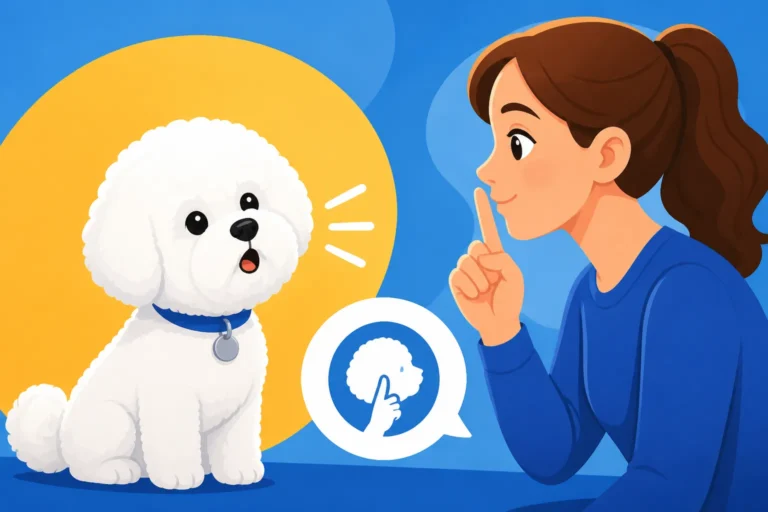
| Noise Levels | Barking at perceived threats | Amplified barking, reciprocal excitement | Teaching "quiet" cues, environmental management, identifying triggers |
| Separation Anxiety | Mutual comfort, less reliance on human | (Less common for this specific issue) | Ensuring individual bonding, gradual departures for both |
Ultimately, bringing a second Bichon into your life is a wonderfully rewarding experience, filled with double the cuddles, play, and joy. They will certainly teach each other many things, especially about being a dog in your specific household. However, it's not a hands-off approach to training. Your active participation, patience, and commitment to treating each Bichon as an individual will be the true keys to raising two well-behaved, happy companions. They'll thrive on your consistent guidance, love, and the unique bond they share with each other.
Disclaimer
This article is for general informational purposes only and does not constitute professional advice. Laws, prices and regulations vary by location and change over time. Consult a qualified professional for guidance on your specific situation.