What a Bichon Frise Will Work For
It's incredibly frustrating when you're trying to teach your sweet Bichon Frise something new, whether it's "sit" or not to jump on guests, and they just look at you with that innocent, fluffy face, seemingly unimpressed. It can feel like you're speaking a different language, and you start to wonder what on earth could possibly motivate them. This guide is all about cracking the code of your Bichon's motivation, exploring what truly makes their little ears perk up and their tails wag with eagerness to learn.
The Foundation of Motivation: Understanding the Bichon Frise Personality
Before we dive into specific motivators, it's crucial to understand the unique personality of a Bichon Frise. These aren't your stoic, driven working dogs. They're bred for companionship, for being adored family members, and that colors everything about how they learn and what they value. When you understand their core nature, you can tap into their natural desires and make training feel less like a chore and more like a joyful partnership.
Their Innate Desire to Please Sometimes
Yes, Bichons generally want to please their people, but it’s not always a given like with some breeds. They are intelligent and capable of learning a great deal, but they also possess a charmingly independent streak. This isn't stubbornness in a negative sense; it's more about their preference for doing things on their own terms if they don't see an immediate benefit or connection to what you're asking. If a command feels irrelevant or unrewarding, they might just decide it's not worth their precious time and effort. It's not defiance; it's a cost-benefit analysis happening in their fluffy little heads! This is why patience and understanding are paramount, ensuring that the reward for compliance always outweighs the effort or the distraction.
The "Merry" Temperament and Its Training Implications
The Bichon Frise is known for its "merry" temperament – a cheerful, playful, and outgoing disposition. This isn't just a cute descriptor; it's a huge asset in training. Their natural joy and enthusiasm mean they often respond incredibly well to positive, upbeat interactions. Training sessions should feel like a fun game, not a serious drill. If you approach training with a sense of playfulness and keep the energy positive, your Bichon is far more likely to engage. Think about it: why would a naturally joyful dog want to participate in something that feels dull or demanding? Tapping into their inherent love for fun and interaction is a secret weapon. This also means that praise and happy voices can go a long way. Understanding The Merry Temperament the Bichon Frise Standard Demands really helps in appreciating this aspect.
Sensitivity and Positive Reinforcement
Bichons are quite sensitive souls. They thrive on affection and positive attention, and harsh words or punishments can easily make them shut down, become fearful, or even resistant to learning. Yelling or using physical corrections will not only damage your bond but will also make them dread training. They need to feel safe, loved, and encouraged to truly flourish in a learning environment. This is why positive reinforcement is the only way to go. It builds confidence, strengthens your relationship, and makes them eager to try new things. Instead of punishing what you don't want, focus on rewarding what you do want, shaping their behavior with kindness and clear, consistent rewards.
Top Motivators for Your Bichon Frise
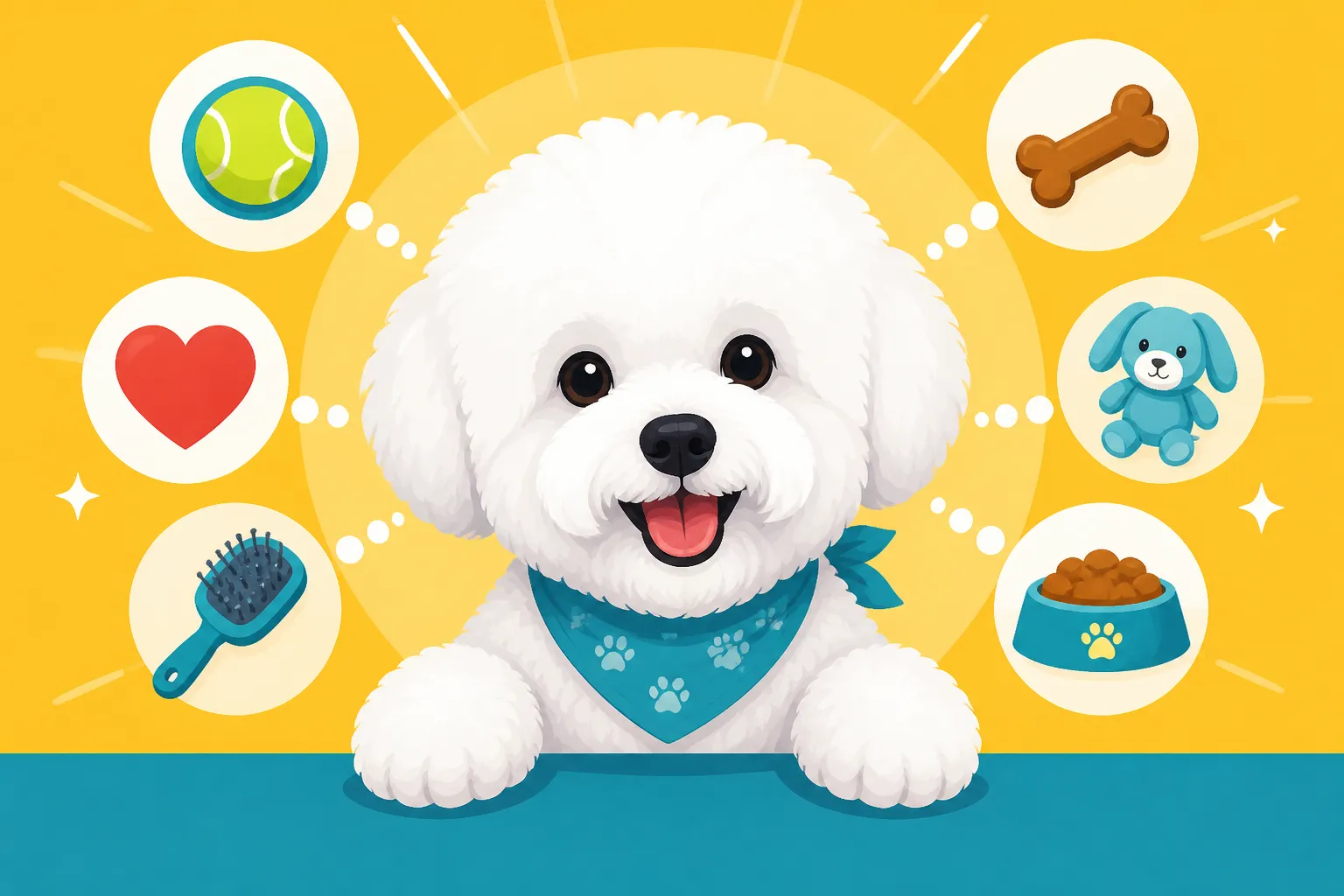
So, what exactly do these adorable, sometimes-stubborn fluffballs work for? It usually boils down to a few key things that hit them right in their happy place. Identifying your individual Bichon's ultimate "currency" is the first step to unlocking their full training potential. It might be food, a squeaky toy, or simply your undivided attention and affection.
High-Value Treats: The Irresistible Incentive
Let's be honest, for many Bichons, the quickest way to their brain is through their stomach. But not all treats are created equal. For everyday maintenance cues like "sit" or "stay" in a low-distraction environment, their regular kibble or a small, crunchy training treat might suffice. However, for teaching something new, working in a distracting environment, or solidifying a tricky behavior, you'll need the "jackpot" treats. Think tiny pieces of cooked chicken, cheese, hot dogs, or even specific soft, chewy training treats readily available on platforms like Amazon. The key is "high-value" – something they absolutely go crazy for.
It's important to keep these high-value treats special. Don't use them for every single reward; save them for when you need that extra boost of motivation. Varying your treats can also keep them interested and prevent them from getting bored. Sometimes, a tiny bit of peanut butter (xylitol-free, always!) on a spoon can be a fantastic, long-lasting reward for holding a "stay." Remember, these treats should be pea-sized or even smaller to avoid overfeeding and keep their focus on the training, not just scarfing down a meal.
Playtime and Toy Rewards: Tapping into Their Inner Puppy
While food is a strong motivator, don't underestimate the power of play for a Bichon. Many Bichons have a strong play drive, and a quick game of fetch, a tug with a favorite rope toy, or even just chasing a squeaky ball can be an incredibly effective reward. For some, a toy is even more motivating than food, especially if they've just had a meal. This is particularly useful when you're trying to teach them something active, like recall, or if you want to reward energetic behavior.
Using play as a reward means the training session itself becomes part of the fun. After a successful "down-stay," a quick burst of zoomies with a favorite toy, often dubbed The Bichon Blitz and What It Means, can reinforce the behavior powerfully. The key is to make the play short, enthusiastic, and directly linked to the successful completion of the task. Keep a special "training toy" that only comes out for training sessions to maintain its high value. If your Bichon typically loves to play, consider integrating short bursts of play as a primary reward system.
Praise and Affection: The Power of Your Voice and Touch
Never, ever underestimate the power of your happy voice and loving touch. For a breed so dedicated to companionship, human attention, praise, and physical affection are extremely potent motivators. A warm "Good boy!" or "Good girl!", accompanied by gentle scratches behind the ears or a tummy rub, can be just as rewarding, if not more so, than a treat for many Bichons. This is especially true once they understand a command and are performing it reliably.
Praise is fantastic because it's always available, doesn't add calories, and reinforces the bond between you and your dog. Make your praise enthusiastic and genuine. Use a higher-pitched, happy tone that lets them know they've done something wonderful. Coupled with physical affection, like being picked up for a cuddle (after a successful recall, for instance), it can solidify behaviors beautifully. This helps to answer the question of Whether a Bichon Frise Works for Food or Praise – often, it's a combination of both, with praise being the constant, foundational reward.
Tailoring Your Approach: Beyond the Basics
Once you've got the basics down, you can start to think about more nuanced motivators. Sometimes, what truly drives a Bichon isn't just a treat or a toy, but something deeper related to their desires and environment. Thinking outside the box can make training more engaging and your Bichon even more responsive.
The Lure of Novelty and Exploration
Bichons are curious little dogs, and a change of scenery or the opportunity to explore can be a strong motivator. If your Bichon is getting bored with indoor training, try taking your sessions to a new, safe outdoor location, like a quiet park or even just a different room in the house. The novelty of the environment itself can act as a reward, making them more engaged and interested in what you have to teach. For example, practicing "come" in a new, exciting area can be very rewarding, as the successful execution of the command leads to more freedom to explore.
You can also use new experiences as rewards. Perhaps your Bichon loves car rides, or a visit to a dog-friendly store. Making "good behavior" a prerequisite for these outings can be highly effective. For instance, successfully performing a series of commands at home could be rewarded with the car keys coming out and an adventure beginning. This taps into their natural inquisitiveness and desire for stimulation, proving that the world itself offers plenty of rewarding opportunities.
Social Interaction: Working for Your Attention
For a breed so centered on human connection, your attention is a huge motivator. Bichons thrive on being part of the family action, and being ignored can be one of the harshest "punishments" for them. Conversely, earning your focused attention can be a massive reward. This can be as simple as you dropping what you're doing to engage with them, or inviting them onto the couch for a cuddle. Considering Whether a Bichon Frise Is a Lap Dog, the answer is often a resounding yes, and this desire for closeness can be cleverly utilized in training.
This type of social reward is particularly effective for behaviors you want to see more of, like sitting politely instead of jumping, or staying calm when guests arrive. When they offer a desired behavior, immediately give them that precious social attention they crave. This is also why many online training programs, such as those offered by BAXTER & Bella, emphasize the owner-dog bond and communication as central to motivation, teaching you how to use your presence and interaction as powerful tools.
Life Rewards: What They Want Anyway
Think about all the things your Bichon wants to do throughout the day: go for a walk, get their meal, have a toy thrown, come inside from the garden. These everyday desires are powerful "life rewards" that you can leverage in your training. Instead of just giving them these things freely, ask for a small behavior first. This concept is often called "Learn to Earn."
Here's how it works:
- Before going for a walk: Ask your Bichon to "sit" or "stay" while you put on the leash. The reward is the walk itself.
- Before getting their food bowl: Ask for a "down" or "wait." The reward is their meal.
- Before throwing a toy: Ask them to "sit" and make eye contact. The reward is the toss.
This simple shift teaches your Bichon that good things don't just happen; they happen because they offer desired behaviors. It makes them think, "What can I do to get what I want?" and puts you in control of the resources they value, turning every interaction into a potential training opportunity.
Troubleshooting Common Motivational Hurdles
Even with the best treats and a cheerful attitude, you might hit some snags. Bichons, like all dogs, can have off days, or they might simply be in an environment where your motivators aren't cutting it. Don't despair! There are ways to navigate these challenges.
When Your Bichon Seems Uninterested: Assessing the Environment
If your Bichon suddenly seems to lose interest in training, or flat-out ignores your highest-value treat, it’s time to take a step back and look at the bigger picture. The problem might not be your motivator, but the environment itself. Is there too much distraction? A loud TV, kids playing, or another pet can pull their focus away. A Bichon, with their sensitive nature, might also be subtly stressed or uncomfortable. Maybe the floor is too slippery for them, or they're feeling a bit under the weather.
Consider the time of day: Is it too close to mealtime (making them too full or too hungry)? Are they tired? Try moving to a quieter, less stimulating area. Observe their body language; are they relaxed, or are their ears back, tail tucked, or are they constantly scanning the room? Addressing underlying discomfort or removing overwhelming distractions can often immediately bring their motivation back into play. Remember, training should be a positive experience, and if they're not comfortable, they won't learn effectively. If you suspect discomfort, consider if they might be Handling a Bichon Frise Whose Skin Is Sore, as pain can significantly impact willingness to engage.
The Treat-Hopper: Keeping Food Rewards Effective
We've all seen it: the dog who eats the treat and then stares at you blankly, waiting for the next one, without a thought for the actual command they just performed. This is the "treat-hopper," and it happens when dogs become too focused on the treat itself rather than the behavior that earned it. To combat this, you need to be strategic with your food rewards.
Firstly, make sure the treat is truly a reward and not a bribe. The treat should appear after the desired behavior, not before to lure them. Secondly, vary your rewards. Don't always use the same treat, and sometimes, use praise or a quick game of tug instead. Mix up when and how you deliver the treat – sometimes from your hand, sometimes dropped on the floor. Gradually, as your Bichon understands the command, you can start to phase out continuous treats, especially for well-known behaviors. Instead of a treat every time, reward every two or three successful repetitions, then intermittently. This teaches them to work for the chance of a reward, making their response more reliable.
Overcoming Stubbornness and Distraction
It can feel like stubbornness when your Bichon ignores you in a high-distraction environment. What they're often doing is prioritizing the more exciting or interesting thing over your request, especially if your reward isn't compelling enough. To overcome this, start your training in a low-distraction environment where success is almost guaranteed. Gradually introduce more distractions, but only increase them once your Bichon is consistently successful at the current level.
The value of your motivator needs to match the level of distraction. If you're practicing recall at the dog park, you'll need those "jackpot" treats – pieces of chicken or cheese – not just their regular kibble. Keep training sessions short and positive, especially when working on challenging behaviors. For a Bichon, Whether Short Sessions Suit a Bichon Frise is almost always a yes; they have excellent attention spans for short bursts, but can quickly lose focus if sessions drag on. If they're struggling, make the task easier, decrease the distractions, or increase the value of the reward. Set them up for success, and then celebrate their achievements.
Incorporating Motivation into Everyday Life and Advanced Training
Motivation isn't just for teaching basic commands; it's a tool you can use throughout your Bichon's life to foster good behavior, tackle more complex tasks, and strengthen your bond. When training becomes a regular, positive part of your daily routine, your Bichon will be a happier, more well-behaved companion.
Making Training a Game: Fun and Engagement
For a "merry" breed like the Bichon, transforming training into a game is one of the most effective motivational strategies. If it feels like play, they'll be far more engaged and eager to participate. Instead of drilling commands, try hide-and-seek with treats, where they have to "stay" while you hide food and then "find" it. Or incorporate their favorite toys into a training sequence, rewarding a "sit" or "down" with a toss of the toy. This makes learning feel less like work and more like an enjoyable interaction with their favorite person.
Even basic obedience can be gamified. For example, instead of just asking for a "sit" at the door, turn it into a race to see who can get into the "sit" position first, then reward with exciting praise and the opening of the door. The goal is to keep the energy light, positive, and varied, so your Bichon views every interaction as a chance for fun and rewards, rather than a demanding task.
Training Beyond Basic Cues: Agility and Tricks
The same motivational principles apply when you want to move beyond basic obedience into more advanced training, like teaching tricks or even exploring dog sports like agility. Bichons, despite their small size, can be surprisingly agile and love to learn new things, especially if it involves attention from you and tasty rewards. If you're wondering Whether a Bichon Frise Can Do Agility, the answer is absolutely yes, and they often excel due to their intelligence and desire to please.
When teaching a new trick, break it down into tiny, achievable steps, and reward each small success. For example, when teaching "spin," first reward a head turn, then a step, then a full circle. Use those high-value treats to capture their attention and guide them through the movement. For more complex sequences, like those found in agility, you'll use a combination of food, toys, and enthusiastic praise to keep them focused and driven. Consistency in rewarding will help them understand the full sequence. This also applies when exploring Whether a Bichon Frise Learns Tricks – their circus ancestry often means they pick up tricks with glee!
Consistency is Key: Building a Reliable Response
No matter what motivator you use, consistency in your application is the absolute bedrock of successful training. If "sit" sometimes earns a treat, sometimes praise, and sometimes nothing, your Bichon will quickly learn that it's a gamble, and their motivation will wane. Every time your Bichon performs a desired behavior, especially in the early stages of learning, you should follow it with a reward, whether it's a treat, a toy, or enthusiastic praise.
This doesn't mean you'll be giving treats forever! As your Bichon reliably performs a command, you can transition to intermittent reinforcement, where rewards are given less predictably but are still highly valued. This actually makes the behavior stronger and more resistant to extinction because your Bichon will keep trying, hoping for that big payoff. But from day one, and for every new behavior, be consistent. Everyone in the household should use the same commands and reward systems to avoid confusion and ensure your Bichon understands what will make them happy and earn them those coveted rewards.
| Motivator Type | Best Use Cases | Pros | Cons |
|---|---|---|---|
| High-Value Treats | New commands, high-distraction environments, shaping | Very powerful, quick reinforcement, easy to deliver | Can lead to "treat-hopping," calories, some dogs get picky |
| Play/Toy Rewards | Energetic behaviors, recall, engaging sessions | Taps into natural drive, builds bond, no calories | Not all Bichons are toy-driven, requires active engagement |
| Praise/Affection | Maintaining known behaviors, building confidence, everyday life | Always available, strengthens bond, no cost/calories | Less effective for new behaviors or high distractions |
| Novelty/Exploration | Overcoming boredom, varying training environments | High intrinsic value, keeps sessions fresh | Requires planning, not always suitable for every command |
| Social Interaction | Strengthening bond, polite greetings, attention-seeking | Builds relationship, reinforces companionship | Less immediate for some tasks, requires your focused attention |
| Life Rewards | Everyday obedience, teaching patience, "Learn to Earn" | Very powerful, integrates training into daily life | Can be delayed, requires owner consistency and foresight |
Disclaimer
This article is for general informational purposes only and does not constitute professional advice. Laws, prices and regulations vary by location and change over time. Consult a qualified professional for guidance on your specific situation.