Whether a Housetrained Bichon Frise Suddenly Starts Leaking
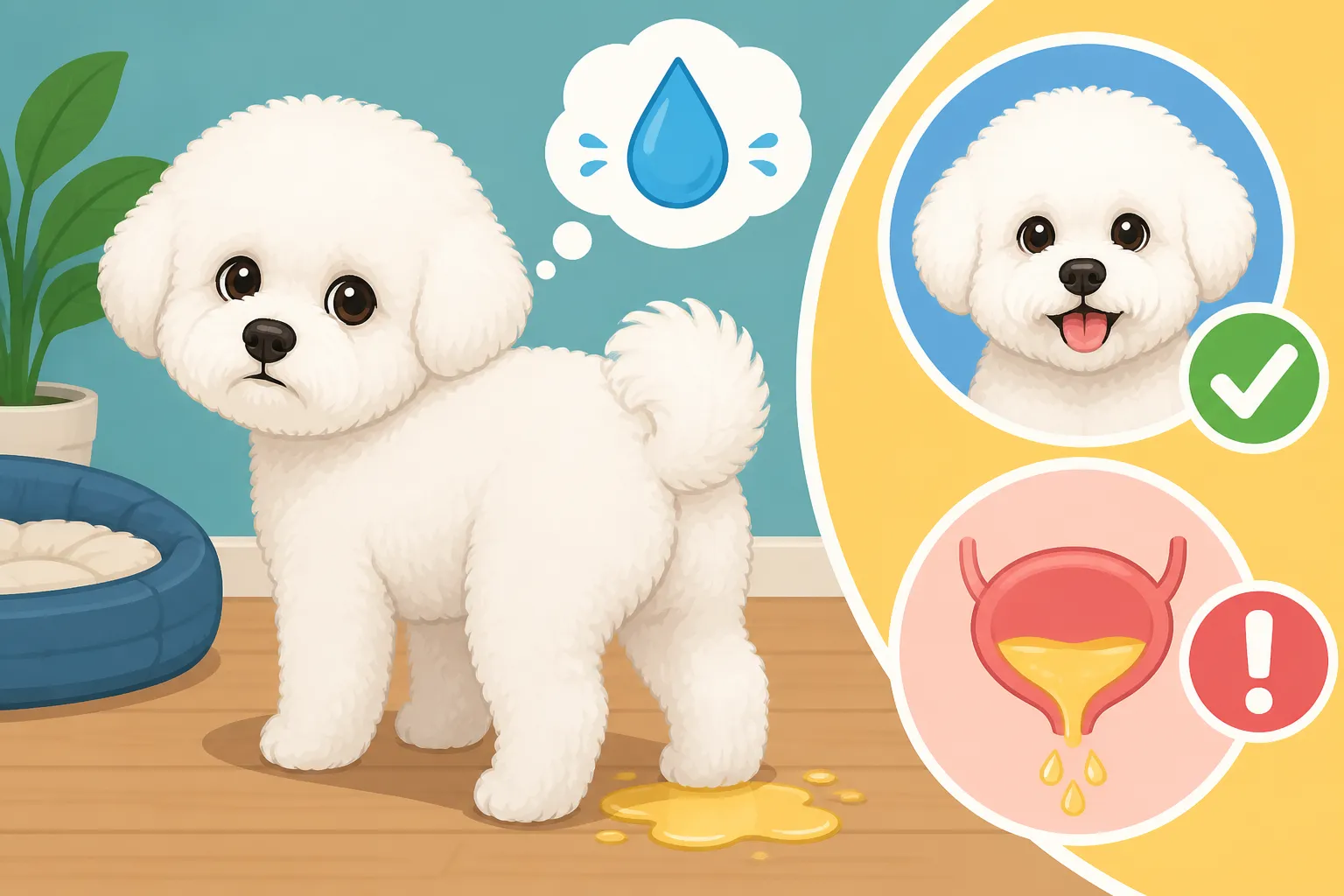
Oh, the sheer frustration and heartbreak when your meticulously housetrained Bichon Frise, who's been a perfect angel for years, suddenly starts having accidents indoors. It’s enough to make you tear your hair out, isn't it? One minute they're reliably signalling to go outside, and the next you're stepping in a puddle, wondering what on earth went wrong. This guide is here to help you navigate this confusing and often distressing situation, exploring the various reasons why your once-spotless Bichon might suddenly start leaking and what steps you can take to get things back on track.
Medical Reasons Behind Sudden Leaking
When a housetrained dog suddenly loses control of their bladder, the very first thing that should spring to mind is a potential medical issue. It’s easy to jump to conclusions about training failures or spite, but in almost every case of sudden onset incontinence, there’s an underlying physical cause. Neglecting this crucial first step can delay essential treatment and cause unnecessary suffering for your beloved Bichon.
Urinary Tract Infections and Bladder Stones
Urinary tract infections (UTIs) are incredibly common in dogs, and they can absolutely wreak havoc on even the most perfectly trained bladder. Imagine having a constant, irritating urge to go, coupled with a burning sensation – you'd probably struggle to hold it too! UTIs are often caused by bacteria making their way up the urethra into the bladder, leading to inflammation and discomfort. Your Bichon might suddenly start needing to go out more frequently, straining to urinate, or perhaps only passing small amounts of urine at a time, sometimes with visible blood.
Beyond infections, Bichon Frises are, unfortunately, notoriously prone to developing bladder stones, especially calcium oxalate stones. It's a genetic predisposition that makes them form stones twenty times as often compared to many other breeds. These stones act like tiny, sharp rocks rattling around in the bladder, causing irritation, inflammation, and pain. This constant irritation mimics the feeling of a full bladder, leading to an urgent need to urinate, even when there's not much urine present. A Bichon with bladder stones might suddenly start squatting more often, struggling to pee, or passing blood in their urine. You might even notice them licking their genital area excessively due to the discomfort. It’s a truly painful condition that can absolutely derail even the best housetraining, and recognizing The First Signs a Bichon Frise Has Stones is critical. A vet visit is paramount to diagnose these issues, usually involving a urine test and imaging like X-rays or ultrasound.
Hormonal Imbalances and Kidney Issues
Sometimes, the culprit behind sudden leaking isn't an infection or stones, but something a little more systemic, like hormonal imbalances. Spay incontinence is one such condition, often seen in spayed female dogs, where a lack of estrogen can weaken the urethral sphincter, leading to involuntary urine leakage, particularly when they're relaxed or asleep. It's not usually a sudden gush, but more of a slow drip that you might notice as damp spots on their bedding. While less common, certain endocrine disorders like Cushing's disease can also impact bladder control. A Bichon Frise with Cushing's disease, particularly Cushing's Disease in a Bichon Frise Past Seven, often experiences increased thirst and urination. They might drink constantly and then find their bladder simply can't hold the increased volume, leading to accidents. Whether a Cushing's Bichon Frise Drinks Constantly is a classic symptom, and the larger volume of urine means their bladder fills up much faster than usual.
Kidney disease, though less often a cause of sudden leakage, can certainly contribute to increased urination and, consequently, accidents. When kidneys aren't functioning optimally, they struggle to concentrate urine, leading to your Bichon drinking more and producing more dilute urine. This higher fluid turnover means their bladder fills more quickly, and they might simply not be able to hold it as long as they once could. It's not usually a sudden loss of control but rather an increased frequency and urgency that can overwhelm even a perfectly trained dog. A comprehensive blood panel and urinalysis performed by your veterinarian can help identify these underlying hormonal or kidney issues.
Diabetes and Other Metabolic Conditions
Diabetes mellitus, commonly referred to simply as diabetes, is another significant medical condition that can lead to a sudden and dramatic increase in urination, inevitably causing accidents in even the most reliably housetrained Bichon Frise. When a dog has diabetes, their body struggles to regulate blood sugar levels. High blood sugar "spills" over into the urine, taking excess water with it. This results in polydipsia (increased thirst) and polyuria (increased urination). Your Bichon might suddenly seem insatiably thirsty, constantly heading to the water bowl, and then, shortly after, needing to urinate much more frequently and in larger volumes.
This constant need to eliminate can quickly overwhelm a dog's bladder capacity and their ability to hold it until they get outside, especially if they're used to longer intervals between potty breaks. It's not a matter of choice or forgotten training; their body is simply producing too much urine for their bladder to contain. Learning Whether a Bichon Frise Gets Diabetes is a concern for the breed is important, and if diagnosed, managing an insulin-dependent Bichon Frise is crucial for their overall health and bladder control. Whether a Diabetic Bichon Frise Needs Twice Daily Insulin is a common part of this management. Other less common metabolic conditions could also impact hydration and kidney function, indirectly leading to increased urination. Anytime you see a sudden, drastic change in your Bichon's drinking and urinating habits, it's a huge red flag for a serious medical issue that needs immediate veterinary attention.
Behavioral and Environmental Factors
Once medical causes have been thoroughly ruled out by your vet – and this must be the first step – then it’s time to consider behavioral and environmental factors. These reasons for sudden leaking are often tied to changes in your dog's world or their emotional state, rather than a physical inability to hold their urine.
Stress, Anxiety, and Fear-Based Accidents
Dogs, just like people, can be profoundly affected by stress and anxiety, and these emotions often manifest in physical ways, including inappropriate urination. A sudden change in your Bichon's environment or routine can be incredibly unsettling. Think about it: a new baby arriving, a move to a new house, a new pet joining the family, or even a sudden increase in loud noises (like construction next door or persistent fireworks) can all trigger significant stress. Your previously calm and collected Bichon might become anxious, leading to submissive urination or excitement urination.
Submissive urination usually occurs when a dog feels intimidated or threatened, often when greeting people or other dogs, or when being corrected. It's not deliberate; it's an involuntary response driven by fear or submission. The little puddles are usually small and happen quickly. Excitement urination, on the other hand, happens when your Bichon gets overly enthusiastic, perhaps when you return home after a long day or when a favorite guest arrives. They just can't contain their joy, and a little leak escapes. Whether a Bichon Frise Has Excitement Wetting is a common question, and yes, they absolutely can, especially when young or easily overstimulated. It's rarely a conscious act and punishing it will only increase their anxiety, making the problem worse. Instead, focus on creating a secure, predictable environment and managing exciting situations with calm, gentle interactions.
Marking Behavior and Training Regressions
Sometimes, what looks like a "leak" is actually marking behavior, particularly in intact male Bichons, but it can also occur in spayed females or even neutered males who feel the need to establish territory. Marking is different from a full bladder accident; it's typically a small amount of urine deposited on vertical surfaces (like furniture legs, walls, or curtains) as a way of communicating presence and claiming territory. If you've recently introduced a new pet, had visitors with other dogs, or even brought home new furniture that smells unfamiliar, your Bichon might feel compelled to mark their territory. Whether a Male Bichon Frise Marks Indoors is a common concern for owners, and while neutering often reduces this, it doesn't always eliminate it, especially if the habit is ingrained.
Training regressions can also occur. Even the most perfectly housetrained dog might "forget" their manners under certain circumstances. This isn't usually a malicious act but rather a lapse in understanding or an overwhelming situation. Perhaps the routine has changed drastically, and they no longer have clear signals for when it's time to go out. Maybe they’ve been left alone for too long and simply couldn’t hold it, breaking their good habit. Sometimes, a lack of consistent positive reinforcement can lead to a gradual decline in reliability. If the accidents started after a significant life event or a change in your household, it’s worth considering if their routine or understanding has been disrupted.
Age-Related Changes and Cognitive Decline
As our beloved Bichon Frises transition into their golden years, it's not uncommon for physical and cognitive changes to affect their housetraining. It's a tough pill to swallow when your once spry and sharp dog starts to show signs of aging, and bladder control can be one of the first things to falter. Senior incontinence often develops as the muscles that control the bladder sphincter weaken over time. This can lead to small leaks, especially when your dog is relaxed, sleeping deeply, or even just shifting position. It's not that they want to have accidents; their body just isn't as strong or responsive as it once was. You might notice damp spots on their bed in the morning, or little puddles appearing when they stand up after a nap. It’s important to understand Whether an Old Bichon Frise Becomes Incontinent is a common reality, and it's a condition that often requires gentle management rather than retraining.
Beyond physical weakening, cognitive decline, sometimes referred to as canine cognitive dysfunction syndrome (CDS) or "doggy dementia," can also play a significant role. Just like in humans, a dog's cognitive abilities can diminish with age, leading to confusion and disorientation. A Bichon with CDS might simply forget where they are supposed to relieve themselves, or they might lose awareness of the need to go until it's too late. They might stand by the door, look confused, and then suddenly have an accident right there, or even pee in a spot they would never have used before. Whether an Old Bichon Frise Gets Confused is a heart-wrenching sign of this condition. They might also forget to signal, or their signals might become less clear to you. This isn't a training issue; it's a neurological one, and it requires immense patience, understanding, and often, veterinary guidance to manage.
What to Do When Your Bichon Leaks
Discovering an indoor accident from a previously housetrained Bichon Frise can be upsetting, but your reaction in those first moments is crucial. Panicking or scolding your dog will only make the situation worse, especially if they are already feeling unwell or anxious. The key is to remain calm and approach the problem systematically.
Immediate Steps and Veterinary Consultation
When you find an accident, the very first thing to do is not to punish your Bichon. They are not doing it to be spiteful, and punishment will only teach them to hide their accidents or fear you, making the problem harder to solve. Instead, calmly clean up the mess with an enzymatic cleaner to neutralize the odor and prevent your dog from being attracted back to the same spot. Brands like Nature's Miracle or Rocco & Roxie Supply Co. (available on Amazon, for example) are excellent for this.
Once the immediate mess is handled, your absolute priority is a visit to the veterinarian. Seriously, book that appointment today. As we've discussed, the vast majority of sudden housetraining lapses have a medical root. Your vet will perform a thorough physical examination, ask you detailed questions about the accidents, and likely recommend tests such as a urinalysis, blood work, and possibly imaging (like X-rays or ultrasound) to check for bladder stones or other structural issues. When you go, be prepared to share specific information:
- Frequency: How often is your Bichon having accidents?
- Volume: Are they large puddles, or small dribbles?
- Timing: Do they happen overnight, while you're away, or even when you're home?
- Color/Appearance: Is the urine clear, cloudy, or bloody?
- Behavioral changes: Any increased thirst, straining, licking, or changes in appetite/energy?
This information will be invaluable for your vet in diagnosing the problem. Waiting to see if it "gets better" can lead to serious complications, especially if a UTI escalates or bladder stones cause a blockage. How a Vet Confirms Stones in a Bichon Frise involves specific diagnostic steps, and getting these done promptly can save your dog from significant pain and risk.
Management Strategies and Environmental Adjustments
While you're waiting for a diagnosis or once a medical issue is being treated, there are practical steps you can take to manage the situation and minimize accidents. Increased potty breaks are a must. Take your Bichon out much more frequently than usual – every hour or two, especially after waking up, eating, or playing. Reward them generously with praise and treats when they go outside.
Consider using belly bands for male dogs or doggy diapers for females (also readily available on Amazon). These aren't solutions to the underlying problem, but they can save your floors and sanity while you work on diagnosis and treatment. For dogs with age-related incontinence or those prone to frequent accidents, having easily accessible potty pads or an indoor grass patch can be a temporary lifesaver, especially overnight. Just be aware that introducing pads can sometimes confuse dogs about where they should go, so use them strategically. Ensure your dog's bed is comfortable and washable, and that they have easy access to fresh water. If slippery floors are an issue for an older dog, lay down non-slip mats to help them feel more secure and prevent stress.
Retraining and Support
If, and only if, all medical issues have been ruled out or are under control, then you can begin to address potential behavioral components or training regressions. The key here is to go back to basics, treating your Bichon like a brand new puppy again when it comes to housetraining. This means:
- Supervision: Keep your Bichon tethered to you or in the same room so you can actively monitor them.
- Frequent potty breaks: Take them out every hour, or even more frequently, and definitely after eating, drinking, waking up, and playing.
- Positive reinforcement: Lavishly praise and reward your Bichon with high-value treats every single time they eliminate outside. Make it the best thing ever!
- Crate training: If you haven't already, introduce or reintroduce Whether Crate Training Works on a Bichon Frise. A crate is a fantastic tool because most dogs naturally avoid soiling their sleeping area. Use it for short periods when you can't actively supervise.
Consistency is your best friend. Everyone in the household needs to be on the same page with the routine. For more complex behavioral issues, or if you feel overwhelmed, don't hesitate to seek guidance from a certified professional dog trainer or a veterinary behaviorist. They can offer tailored strategies and support. Many online resources, like BAXTER & Bella, offer comprehensive training programs that can help you rebuild good habits and confidence in both you and your Bichon. Remember, patience and understanding are paramount throughout this process. It takes time to undo habits or rebuild confidence, but with the right approach, you can help your Bichon get back to being a perfectly housetrained companion.
| Potential Cause | Typical Signs | First Steps | Long-Term Management |
|---|---|---|---|
| Urinary Tract Infection (UTI) | Frequent urination, straining, blood in urine, strong odor, small puddles. | Immediate vet visit for diagnosis and antibiotics. | Follow vet's full course of treatment; monitor for recurrence. |
| Bladder Stones | Similar to UTI, recurrent UTIs, pain, straining, bloody urine, potential blockage. | Immediate vet visit for diagnosis (X-ray/ultrasound) and treatment plan. | Prescription diet, increased water intake, regular monitoring. |
| Spay Incontinence | Leaking small amounts of urine, especially when relaxed, asleep, or getting up. Often seen in spayed females. | Vet visit for diagnosis and medication options. | Daily medication (e.g., estrogen or PPA), possibly doggy diapers. |
| Cushing's Disease | Increased thirst & urination, pot-bellied appearance, thinning coat, lethargy. | Vet visit for diagnosis (blood tests) and treatment. | Long-term medication, regular monitoring with vet. |
| Diabetes | Dramatic increase in thirst & urination, weight loss despite good appetite, lethargy. | Immediate vet visit for diagnosis (blood/urine tests) and insulin regimen. | Daily insulin injections, dietary management, regular vet check-ups. |
| Stress/Anxiety | Accidents during specific triggers (loud noises, new people/pets), submissive posture, excessive licking/panting. | Identify and minimize stressors; create a safe space. | Behavior modification, anti-anxiety aids (diffusers), vet consultation for medication. |
| Marking Behavior | Small amounts of urine on vertical surfaces; often in response to new smells/territorial feelings. | Neuter/spay if not already; thorough cleaning with enzymatic cleaner. | Supervised outings, block access to marking spots, consider belly band (males). |
| Age-Related Incontinence / CDS | Leaks when resting, confusion about location, altered sleep-wake cycles, general disorientation. | Vet visit to rule out medical issues; discuss management options. | Increased potty breaks, doggy diapers, comfortable bedding, cognitive supplements. |
Disclaimer
This article is for general informational purposes only and does not constitute professional advice. Laws, prices and regulations vary by location and change over time. Consult a qualified professional for guidance on your specific situation.