Whether a Bichon Frise Licks a Surgical Wound
It's an absolute nightmare scenario for any Bichon Frise parent: your beloved fluffy companion has just undergone surgery, perhaps for something serious like bladder stones, and now you're constantly battling their instinct to lick, lick, lick at that fresh incision. You know it's bad for them, but it feels like they just don't understand, and the stress of trying to keep them from undoing all the vet's hard work can be overwhelming. This guide is here to walk you through why your Bichon acts this way and, more importantly, how you can effectively prevent them from licking their surgical wound, ensuring a smooth and speedy recovery.
The Instinct to Lick: Why Bichons Can't Resist
When your Bichon Frise licks a wound, it’s not because they’re being naughty or trying to spite you. It’s a deep-seated, natural instinct, but one that unfortunately does more harm than good in a post-surgical setting. Understanding why they feel compelled to lick can help you approach the situation with more empathy and strategic solutions.
Natural Healing vs. Surgical Realities
For wild animals, licking wounds is a rudimentary form of self-care. Their saliva contains enzymes that can help clean debris, and the physical act of licking can remove foreign bodies. It also provides a soothing sensation, much like how humans might rub a sore spot. In a natural environment, this can sometimes prevent minor infections or help dislodge irritants.
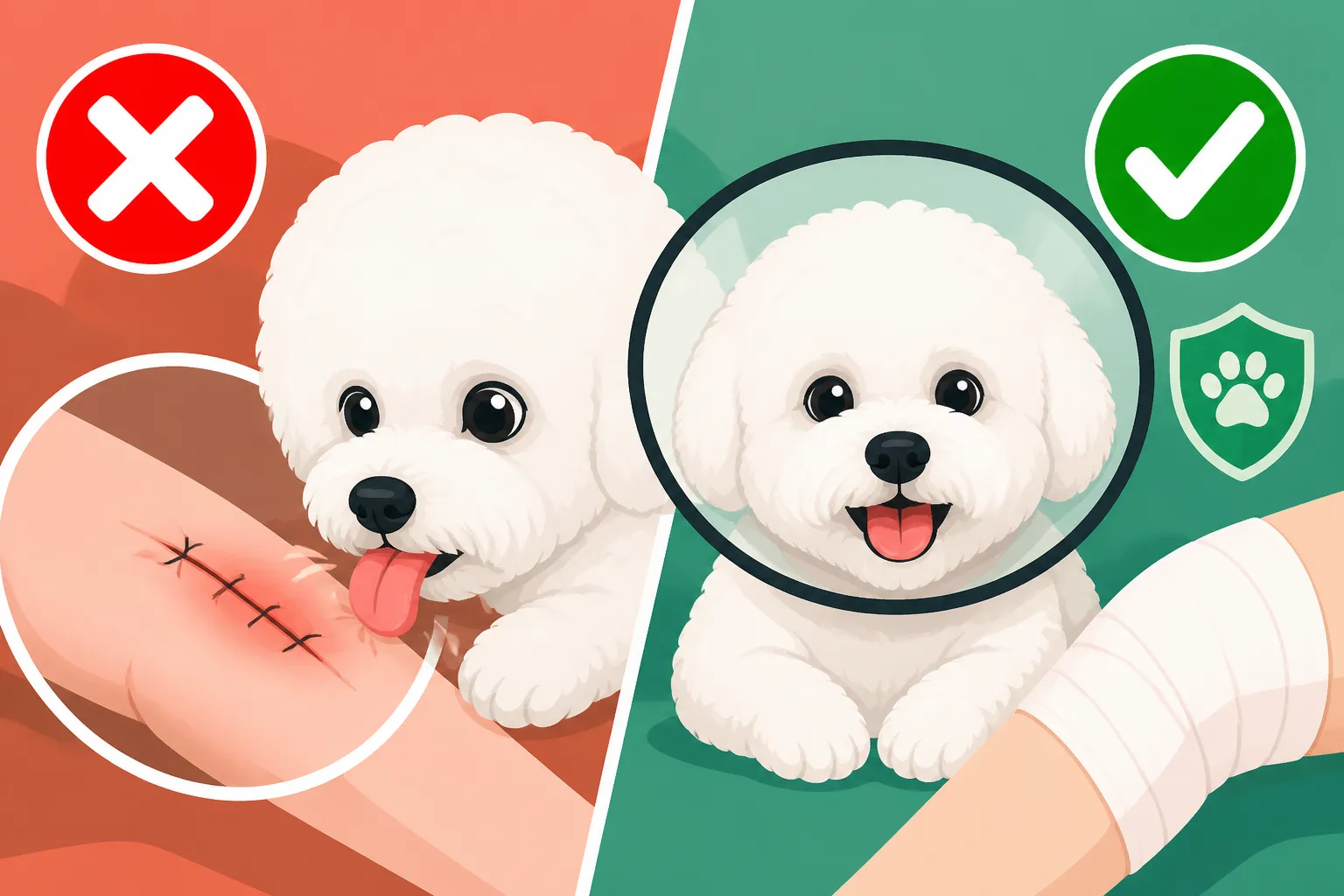
However, the reality of a modern surgical wound is vastly different. A vet has meticulously closed the incision with sutures, ensuring a sterile environment. Introducing bacteria from your Bichon's mouth, which is teeming with microbes, is the absolute last thing you want. What looks like natural healing to your dog is actually a direct threat to the delicate work done by the surgeon. It's a classic example of an ancient instinct clashing with modern medicine, and as their human, it's our job to bridge that gap.
Pain, Itch, and Anxiety
Beyond the instinct to "clean," there are several other powerful drivers behind your Bichon's licking. The incision site itself can be a source of immense discomfort.
Imagine having a cut that's healing – it often becomes itchy as new skin forms, or it might throb with residual pain. Your Bichon feels this too. The sutures themselves can be irritating, feeling foreign against their skin, or they might prick and pull with movement. This irritation can be a constant, low-level annoyance that triggers an almost unconscious licking response.
Furthermore, surgery and recovery are incredibly stressful for dogs. They don't understand why they suddenly feel unwell, why they have a strange sensation on their body, or why their routine is completely disrupted. This anxiety can manifest in obsessive behaviors, and licking is a common one. It's a self-soothing mechanism, a way to cope with unfamiliar discomfort and emotional distress. A bored or anxious Bichon, left alone with their thoughts and a tender incision, will almost invariably turn to licking as a way to occupy themselves and alleviate their feelings. It's crucial to acknowledge these underlying emotions rather than just viewing the licking as a simple physical action.
The Dangers of Licking a Surgical Site
It's not just about slowing down healing; allowing your Bichon Frise to lick their surgical wound can lead to a cascade of serious complications, some of which can be life-threatening. This isn't just a minor setback; it can necessitate further veterinary intervention, adding to your dog's discomfort and your stress (not to mention the financial burden).
Infection and Contamination
One of the most immediate and dangerous risks of wound licking is infection. A dog's mouth, despite what old wives' tales might suggest, is far from sterile. It contains a diverse population of bacteria, some of which are harmless in the mouth but can wreak havoc when introduced into an open wound or under the skin. When your Bichon licks the incision, they are essentially inoculating it with these bacteria.
An infected surgical site can become red, swollen, painful, and may discharge pus. The infection can delay healing significantly, requiring a course of antibiotics, and in severe cases, might even spread systemically, leading to a much more serious condition known as sepsis. It’s a bit like inviting a whole host of uninvited guests to a carefully prepared clean room – the consequences can be quite messy and difficult to clean up. For a tiny Bichon Frise, whose immune system might already be recovering from the stress of surgery, a rampant infection is a serious threat.
Opening the Incision
Surgical incisions are closed with sutures (stitches) designed to hold the edges of the wound together, allowing them to fuse and heal properly. Excessive licking and chewing can directly damage these sutures. Your Bichon might chew them out entirely, or simply weaken the knotting, causing the incision to open. This is known as dehiscence.
If the incision opens, it's a critical emergency. Not only does it expose the underlying tissues to infection, but if it's an abdominal surgery, it could mean internal organs become exposed, which is incredibly dangerous and requires immediate surgical repair. Even if it's a superficial wound that reopens, it will significantly prolong the healing time and create a larger, more complex wound that is harder to keep clean. Imagine the stress and potential pain for your little one if they have to go through another anesthetic and surgery! This is why preventing licking is non-negotiable for their safety and well-being.
Prolonged Healing and Complications
Even if infection or dehiscence doesn't occur, constant licking creates a moist, irritated environment that is completely counterproductive to proper healing. Wounds need to be kept clean and relatively dry to form a healthy scab and new tissue. Licking can break down the forming scab, leading to maceration of the skin, where it becomes soft, white, and prone to further breakdown. This also makes the wound more itchy, creating a vicious cycle of licking and irritation.
Prolonged healing means a longer recovery period, more discomfort for your Bichon, and potentially more vet visits. In some cases, chronic licking can lead to the formation of granulomas – raised, thickened areas of inflamed tissue that are difficult to resolve and can become permanently scarred. It's a long, frustrating road when complications arise, and often, all of it could have been avoided with diligent anti-licking measures from day one. You want your Bichon Frise to recover quickly, and preventing this instinctual behavior is key to achieving that. You might also want to look into Whether a Bichon Frise Recovers Quickly From Stone Surgery for more on recovery times.
Practical Strategies to Prevent Licking
Preventing your Bichon Frise from licking their surgical wound requires a multi-faceted approach, combining physical barriers, distraction techniques, and sometimes, veterinary-prescribed medications. The key is consistency and finding what works best for your individual dog.
The Cone of Shame (E-Collar) and Alternatives
The most common and often most effective tool in your arsenal is the Elizabethan collar, affectionately known as the "cone of shame." While your Bichon might initially protest, it's a vital piece of equipment. Traditional plastic cones are highly effective at preventing access to most parts of the body. However, they can be cumbersome, making it difficult for your small Bichon to eat, drink, or navigate tight spaces.
Thankfully, there are many alternatives now available. Soft cones made of fabric are more flexible and comfortable, though they might not offer full protection for all areas, especially on a very determined Bichon. Inflatable collars, which resemble a travel pillow, prevent head turning to access the body but leave peripheral vision intact and allow for easier eating and drinking. Recovery suits or medical pet shirts are another excellent option. These are fabric bodysuits that cover the incision, acting as a physical barrier. They are often more comfortable than a cone and can significantly reduce stress. You can often find a wide variety of these options on platforms like Amazon, which allows you to compare different styles and sizes to fit your Bichon perfectly. For tips on helping your dog adjust to one, you can explore Whether a Bichon Frise Wears a Cone Well.
Distraction and Management
Simply putting a cone on your Bichon isn't always enough, especially if they are anxious or bored. They might still try to rub the cone against furniture or obsessively try to get to the wound. Distraction and careful management of their environment are crucial.
Engage your Bichon in low-impact activities that don't strain the incision. Puzzle toys filled with a tiny bit of their approved food (if they're on a special diet, make sure treats match, see Whether One Treat Can Restart a Bichon Frise Stone) can keep their minds busy. Gentle, supervised play sessions away from the incision site can also help. A short, calm walk on a leash, if approved by your vet, can provide mental stimulation and reduce pent-up energy, but always ensure they wear a harness instead of a collar to avoid pressure on the neck.
Consider increasing your presence and gentle interaction. Extra cuddle time, soft verbal praise, or even just sitting quietly with them can reduce anxiety. Ensure their sleeping area is comfortable and safe, perhaps in a crate where they feel secure. For highly anxious dogs, calming pheromone diffusers or sprays might offer some relief. The goal is to redirect their focus from the wound to something more positive and engaging, thereby reducing the obsessive urge to lick. Early training can help with compliance during these times, and resources like BAXTER & Bella offer online puppy and dog training programs that focus on positive reinforcement and manners, which can lay a great foundation for handling medical care.
Medication and Veterinary Support
Sometimes, despite your best efforts with physical barriers and distractions, the underlying discomfort or anxiety is too strong for your Bichon to ignore. This is where veterinary intervention comes in. Your vet will likely prescribe pain medication for the initial post-operative period. It's essential to administer these as directed, even if your Bichon seems fine, as pain can escalate quickly and lead to licking.
If the licking persists or seems driven by intense itching, your vet might consider prescribing anti-inflammatory medications or antihistamines. For Bichons with high anxiety, especially those prone to stress, a short course of anti-anxiety medication might be considered. This isn't about sedating your dog; it's about reducing their stress levels enough so they can cope with the recovery process more calmly. Always consult your veterinarian before giving your Bichon any medication, even over-the-counter options, as dosages and interactions can be critical. They are your primary resource for managing pain and discomfort effectively, which is often the root cause of persistent licking.
Monitoring and Post-Operative Care
A successful recovery isn't just about preventing licking; it's also about diligent monitoring and providing the best possible care for your Bichon Frise during their healing process. Your active participation is critical in spotting potential issues early and ensuring everything progresses as it should.
Daily Wound Checks
Establishing a routine for daily wound checks is paramount. Ideally, this should be done at least twice a day, in good lighting. Gently lift your Bichon's recovery suit or remove their cone for a few moments, if necessary, to get a clear view. What you're looking for is any change from the day before. The incision site should ideally look clean, dry, and the edges should be well-approximated (meaning they are neatly together).
Watch out for signs of trouble:
- Redness: While some mild redness is normal initially, increasing redness or redness spreading away from the incision can indicate inflammation or infection.
- Swelling: Any new or increasing swelling around the incision is a red flag.
- Discharge: Clear or slightly blood-tinged fluid might be normal for the first day or two, but pus (thick, yellowish, or greenish discharge) or excessive bleeding is not.
- Heat: If the area feels noticeably warmer than the surrounding skin, it could be a sign of infection.
- Odor: An unpleasant smell emanating from the wound is a strong indicator of infection.
- Openings: Check that all sutures are intact and the wound edges remain closed.
- Pain: If your Bichon shows increased pain when you gently examine the area, or if they're suddenly more lethargic or reluctant to move, these are also concerns.
If you notice any of these alarming signs, don't hesitate to contact your vet immediately. Early detection can prevent minor issues from becoming major complications.
Maintaining Hygiene Around the Site
While direct wound cleaning might be necessary only if specifically instructed by your vet (and usually involves sterile saline or a prescribed antiseptic), maintaining overall hygiene around the site is important. Keep the fur around the incision trimmed short to prevent it from matting into the wound or trapping moisture. Your vet may have already done this.
If your Bichon has had an accident, or the area around the cone gets dirty, gently clean it with a damp cloth or pet-safe wipes, ensuring no moisture or cleaning product gets directly into the incision. Always dry the area thoroughly afterward. Avoid harsh soaps, alcohol, or hydrogen peroxide unless specifically told otherwise by your vet, as these can irritate or damage delicate healing tissues. If your Bichon is prone to tear stains or has an area of skin that constantly gets damp, such as under the eyes or around the mouth, keep these areas clean and dry too, as excess moisture can encourage bacterial growth and further irritation that might distract from the main incision. This consistent attention to cleanliness contributes significantly to an infection-free healing process.
The Road to Full Recovery
Recovery from surgery is a marathon, not a sprint, especially for a small breed like a Bichon Frise. Patience and consistency are your greatest allies. Stick to your vet's post-operative instructions religiously, including medication schedules, activity restrictions, and follow-up appointments. Remember, even if your Bichon seems to be feeling better, the internal healing may still be ongoing. Pushing them too hard or removing protective measures too soon can easily lead to setbacks.
The entire household needs to be on board with the recovery plan. This means making sure children understand the importance of being gentle and leaving the incision alone, and ensuring other pets don't inadvertently interfere with your Bichon's healing. Provide a quiet, comfortable space where your Bichon can rest undisturbed. Continue with positive reinforcement, praising their good behavior and making them feel loved and secure. With your diligent care and attention, your Bichon Frise will be back to their cheerful, playful self in no time. For broader health concerns and what to watch out for, you might find What Bichon Frises Are Most Often Treated For a useful resource.
Comparison of Anti-Licking Devices
| Device Type | Pros | Cons | Best For |
|---|---|---|---|
| Traditional E-Collar | Highly effective at blocking access; durable | Can be cumbersome; blocks peripheral vision; noisy; may impede eating/drinking | Determined lickers; difficult-to-reach incision sites; short-term use |
| Soft/Fabric E-Collar | More comfortable; quieter; softer edges; less intimidating | May not prevent licking for very determined dogs or long-bodied Bichons; can get dirty easily | Less intense licking; anxious dogs; easily accessible incisions |
| Inflatable Collar | Comfortable; allows peripheral vision; easier eating/drinking | May not block access to lower extremities or tail; can be punctured | Dogs needing head/neck/upper body protection; for general wound awareness |
| Recovery Suit/Onesie | Very comfortable; allows full mobility; good for anxiety; keeps wound clean | May overheat dog; requires frequent washing; less effective for paw licking | Abdominal/chest incisions; dogs prone to anxiety; long-term use |
| Bitter Sprays/Creams | Can deter licking directly; no physical barrier | Not always effective (some dogs don't mind the taste); can stain coat; not for open wounds | Mild licking; adjunct to other methods; non-incisional irritation |
Disclaimer
This article is for general informational purposes only and does not constitute professional advice. Laws, prices and regulations vary by location and change over time. Consult a qualified professional for guidance on your specific situation.