Whether a Bichon Frise Should Be Groomed Before Twelve Weeks
Oh, the joy of a new Bichon Frise puppy! Those fluffy little bundles are just irresistible, aren't they? But then the questions start swirling: when do they need their first bath? What about a haircut? And the big one: is it even safe to take your precious little one to a groomer before they’ve had all their puppy shots, especially if they haven't hit the twelve-week mark yet? It's a completely valid concern for any responsible new dog parent, and this guide is here to help you navigate the delicate balance of early puppy care and establishing good grooming habits for your Bichon Frise.
The Delicate Balance: Puppyhood, Immunity, and Early Grooming
Bringing home a new Bichon Frise puppy is a whirlwind of excitement, sleepless nights, and endless cuddles. Amidst all the puppy antics, the topic of grooming often comes up surprisingly quickly. Your breeder or adoption agency might have given you some initial pointers, but many new owners find themselves caught between two seemingly conflicting pieces of advice: "socialize your puppy early!" and "don't expose your unvaccinated puppy to anything risky!" When it comes to grooming, this tension is particularly acute, especially before your puppy is fully vaccinated and past the crucial twelve-week milestone.
Understanding Your Puppy's Vulnerable Period
During those first few weeks and months, your Bichon Frise puppy is going through an incredible period of development, both physically and emotionally. Their immune system is still maturing, relying heavily on the maternal antibodies they received from their mother's milk. While these antibodies provide some initial protection, they also interfere with the effectiveness of early vaccinations. This creates a "vulnerability window" where your puppy might not be fully protected by their shots but their maternal immunity is waning. Exposing them to environments where many other dogs frequent, like a busy dog park or even a professional grooming salon, carries a degree of risk. You're constantly weighing the benefits of early socialization—getting them used to new sights, sounds, people, and experiences—against the potential for exposure to illnesses like parvovirus or distemper. It's a tricky tightrope walk, and you're not alone in feeling a bit anxious about it.
The Importance of Full Vaccinations
Veterinarians universally recommend that puppies complete their full series of vaccinations before being exposed to environments with a high density of other dogs, or to unknown dogs. This typically means waiting until they've had their final booster shot, usually around 16 weeks of age, before venturing out to places like dog parks, pet stores, or bustling grooming salons. For a breed like the Bichon Frise, whose fluffy coat begins to mat surprisingly quickly, this waiting period can feel like an eternity. You might be looking at your adorable, yet increasingly scruffy, pup and wondering how on earth you're going to keep them clean and tangle-free without professional help. The good news is that "grooming" isn't just about a full haircut; it's also about a series of positive exposures that you can absolutely start at home.
The Benefits of Early Exposure and Gentle Desensitization
While caution about public places is paramount for an unvaccinated puppy, that doesn't mean you should delay all grooming-related activities. In fact, quite the opposite! The period before twelve weeks, and indeed up to sixteen weeks, is a critical socialization window. During this time, puppies are most open to new experiences and learning that the world isn't a scary place. This includes learning to accept handling, brushing, and all the sounds and sensations that come with grooming. Laying a positive foundation now will save you (and your future groomer) a lot of stress down the line.
Building a Positive Association at Home
You might not be able to take your Bichon Frise to a professional groomer for a full styling session, but you can absolutely start building a positive association with grooming right there in your living room. Think of it as "grooming playtime." Start with short, gentle sessions. Use a soft slicker brush and a metal comb—you can find a great variety of options on Amazon, making it easy to get started. Don't aim for perfection; aim for positive experiences. Brush for just a minute or two, offering lots of praise and high-value treats. Touch their paws, ears, tail, and muzzle gently. Mimic the sound of clippers (even if they're off at first) or a hairdryer from a distance.
The goal here isn't to get them perfectly groomed, but to make them think, "Oh, this brush means yummy treats!" or "Mommy touching my feet means a game and cuddles!" This early, consistent, and positive exposure is invaluable. If you wait until your Bichon is older and already matted and uncomfortable, grooming becomes a negative experience associated with pain and struggle, which can then require more drastic measures down the road, like sedation for difficult grooms, which you certainly want to avoid.
The Critical Socialization Window for Handling
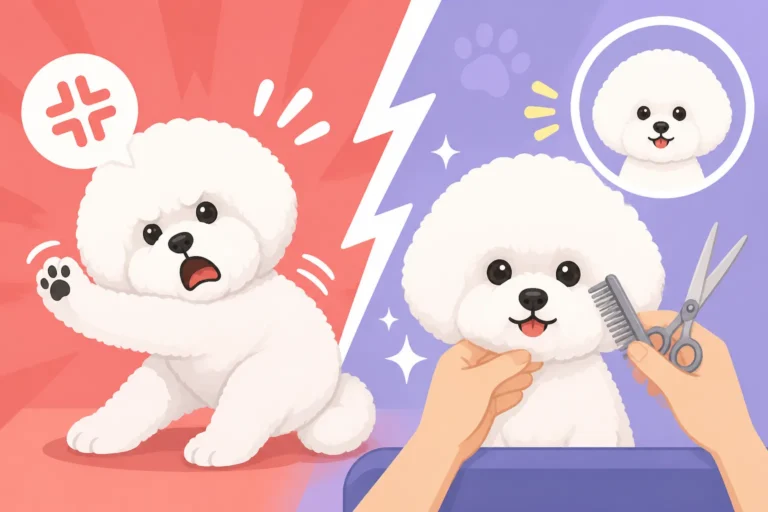
The period between 3 and 16 weeks is often referred to as the "critical socialization window." During this time, a puppy's brain is like a sponge, soaking up every experience and forming its understanding of the world. If a Bichon Frise puppy learns during this window that being handled, having their nails touched, or hearing the whir of clippers is a normal, non-threatening, and even pleasant experience, they'll be far more cooperative throughout their lives. This is especially important for Bichons, who require frequent grooming. A pup that hasn't been desensitized to handling might become fearful or even aggressive during grooming sessions, making it a stressful ordeal for everyone involved. Think of it as an investment in their future emotional well-being and your peace of mind. Consistent, gentle handling is far more effective than trying to force an unwilling or scared adult dog into cooperation. Many online puppy training programs, like those offered by BAXTER & Bella, include modules on getting your puppy comfortable with handling and grooming, providing structured guidance for these vital early steps.
Navigating Professional Grooming Before Twelve Weeks
So, while comprehensive grooming salon visits are generally on hold until vaccinations are complete, are there any scenarios where a professional groomer might step in before your Bichon Frise turns twelve weeks old? Sometimes, yes, but it's about finding the right kind of groomer and the right kind of "groom." It's not about a full show trim, but about small, manageable introductions that prioritize the puppy's well-being and safety.
When a "First Groom" Might Be Necessary (and Safe)
For a Bichon Frise, whose coat is constantly growing and prone to matting, sometimes a little professional intervention is needed even before the full vaccine series is complete. This isn't usually a full bath and haircut, but rather a "puppy tidy-up" or "puppy introduction." This might involve:
- Sanitary Trim: Trimming the hair around their private areas to keep them clean and prevent messes.
- Paw Pad Trim: Trimming the hair between their paw pads to prevent slipping and debris accumulation.
- Face Trim: Trimming the hair around their eyes to prevent irritation and tear staining. This is particularly crucial for Bichons, who are known for their Tear Stains Under a Bichon Frise's Eyes.
Many groomers offer special "puppy packages" for young, partially vaccinated pups. These are usually quick, low-stress visits in a quiet area of the salon, often with minimal contact with other dogs. The focus is purely on getting the puppy accustomed to the sounds, smells, and sensations of the grooming environment in a positive way, rather than achieving a perfect groom. It’s an invaluable step in teaching a Bichon Frise to hold still on a table.
Before considering any professional grooming, you should always consult with your veterinarian to assess your puppy's individual health and vaccine status. They can advise on the safest timing and precautions, considering local disease prevalence and your puppy’s specific risk factors.
Choosing a Groomer for Your Young Bichon Frise
If you decide that a puppy tidy-up is appropriate for your Bichon Frise before they are fully vaccinated, the choice of groomer is absolutely critical. You can't just drop them off at any salon; you need a groomer who understands the unique needs and vulnerabilities of young puppies. Here’s what to look for:
- Puppy-Specific Programs: Ask if they have a "puppy introduction" or "puppy groom" service. This usually means a shorter, quieter session focused on positive reinforcement.
- Experience with Young Dogs: A groomer experienced with puppies will know how to make the experience gentle and positive, understanding that fear now can lead to problems later.
- Strict Hygiene Protocols: This is paramount for unvaccinated puppies. Ask about their cleaning procedures, how they sanitize equipment, and whether they have separate, disinfected areas for young puppies that won't come into contact with other dogs.
- One-on-One Attention: Ideally, your puppy will receive individual attention without being left in a busy holding area.
- Transparency: A good groomer will be happy to discuss their approach, show you their facilities, and answer all your questions. They should never pressure you.
A dedicated puppy groomer understands that this first experience sets the tone for future visits. It's not about the perfect cut, but about creating a confident, happy association with the grooming process. Remember, a Bichon Frise needs frequent professional attention, so How Often a Bichon Frise Needs a Full Groom is a question you'll be asking for years to come, making early positive experiences crucial.
Laying the Foundation for a Lifetime of Happy Grooming
Whether you opt for an early puppy tidy-up at a professional salon or stick exclusively to home desensitization until your Bichon Frise is fully vaccinated, the most important thing is to establish a consistent routine built on positive experiences. A Bichon Frise's coat needs constant attention, and making grooming a positive rather than a painful or scary experience will benefit both you and your dog for their entire life.
Creating a Routine, Not a Chore
Once your Bichon Frise comes home, start incorporating short, positive grooming sessions into their daily or weekly routine. Even if it's just a few minutes of gentle brushing, a quick wipe of the eyes, or a moment of ear inspection, consistency is key. Make it part of your bonding time. Use a soft voice, plenty of praise, and irresistible treats. If you have a grooming table, even a small, affordable one from Amazon, start getting them comfortable being on it for short periods, associating it with good things. This gradual exposure will help your Bichon Frise learn to tolerate, and perhaps even enjoy, the necessary grooming tasks.
Think about it like this: if your Bichon Frise has to Whether a Bichon Frise Needs Sedation for Grooming later in life because they weren't properly desensitized to handling and grooming as a puppy, it's a far more invasive and costly experience. Proactive, positive, and consistent handling now prevents bigger problems later. This is also where resources like BAXTER & Bella's online puppy training can be invaluable, offering step-by-step guides for introducing handling and making it a positive part of your puppy's routine. Remember, The First Year With a Bichon Frise Puppy is foundational for so many aspects of their future behavior and well-being.
The Lifelong Impact of Early Grooming Habits
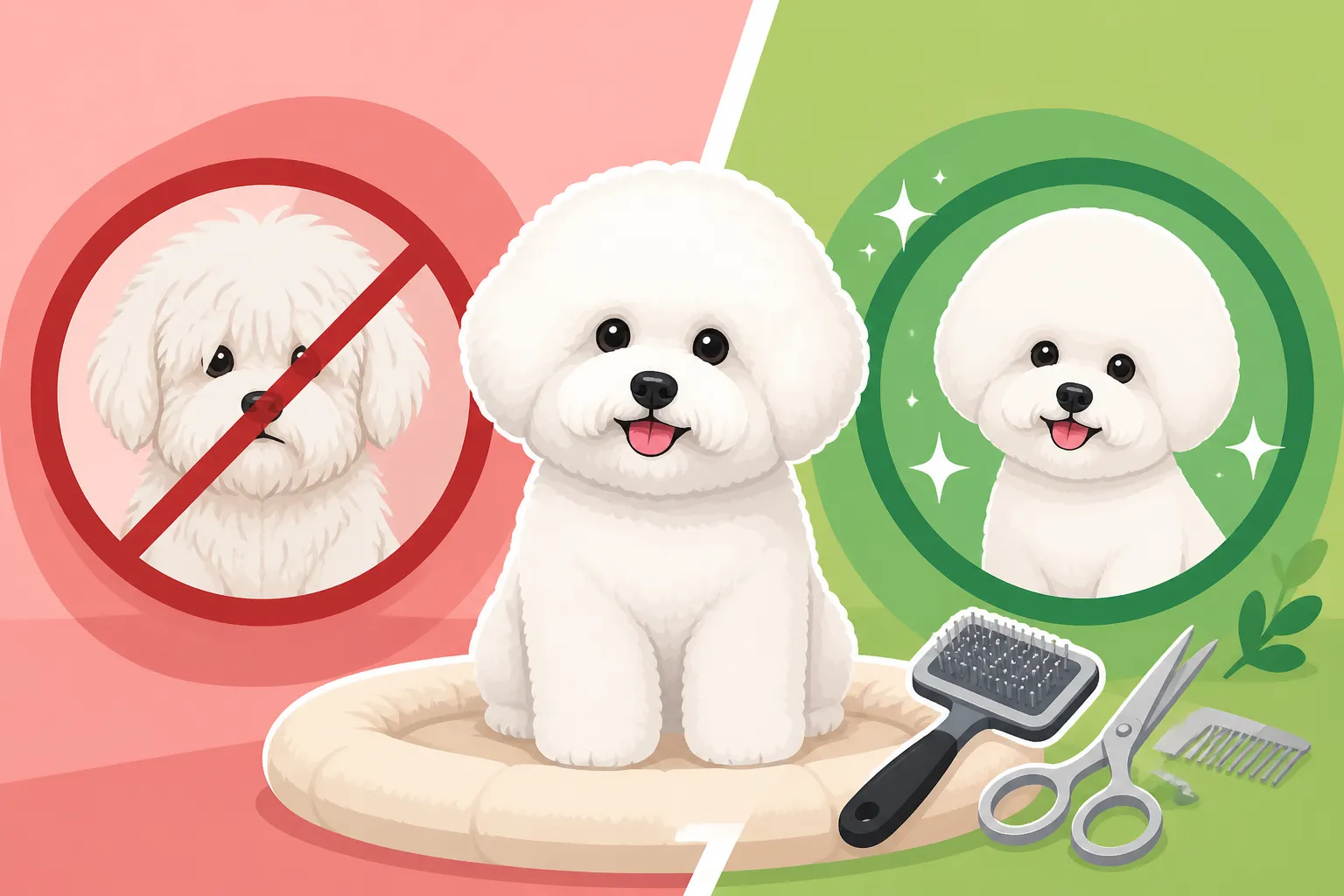
The choices you make about early grooming for your Bichon Frise puppy will have a ripple effect throughout their entire life. A puppy that learns to tolerate and even enjoy grooming will be a much happier and healthier adult dog. Regular grooming isn't just about aesthetics; it's essential for preventing painful matting, skin infections, and identifying potential health issues early on. A well-groomed Bichon is a more comfortable Bichon, free from tugging mats and itchy skin.
Imagine the difference between a dog that happily jumps onto the grooming table, or lies calmly for a nail trim, versus one that struggles, bites, or cowers in fear. The latter scenario is stressful for everyone involved and often requires more time, patience, and sometimes even professional behavioral intervention. By taking the time to introduce grooming gently and positively from an early age, even before twelve weeks old, you're not just caring for their coat; you're nurturing their confidence and building a stronger, more trusting bond with your beloved Bichon Frise. This early effort directly contributes to their overall quality of life and makes future care, such as Teaching a Bichon Frise to Stand for an Hour of Scissoring, much more manageable. The timeline for The Months a Bichon Frise Puppy Coat Changes also highlights the need for continuous grooming adjustments as their coat matures, making a solid foundation essential.
| Aspect of Grooming Introduction | Before 12 Weeks (Partially Vaccinated) | After 12-16 Weeks (Fully Vaccinated) |
|---|---|---|
| Primary Focus | Positive desensitization, gentle handling at home | Full grooming and styling at home or by professional |
| Professional Grooming | Minimal "puppy tidy-up" (sanitary, face, paws) with strict hygiene | Full grooming services including bathing, drying, haircut, nail trims |
| Exposure Risk | Higher in public; prioritize home-based activities | Lower in public; broader range of safe environments |
| Key Activities at Home | Brushing, combing, touching paws/ears, sound desensitization | Continued regular brushing, bathing, drying, nail trims |
| Groomer Selection | Crucial to find puppy-specialized, highly hygienic groomer | Can choose from wider range of reputable groomers |
| Behavioral Impact | Critical window for forming positive associations; prevents future fear | Reinforces established positive habits; addresses maturing coat needs |
Disclaimer
This article is for general informational purposes only and does not constitute professional advice. Laws, prices and regulations vary by location and change over time. Consult a qualified professional for guidance on your specific situation.