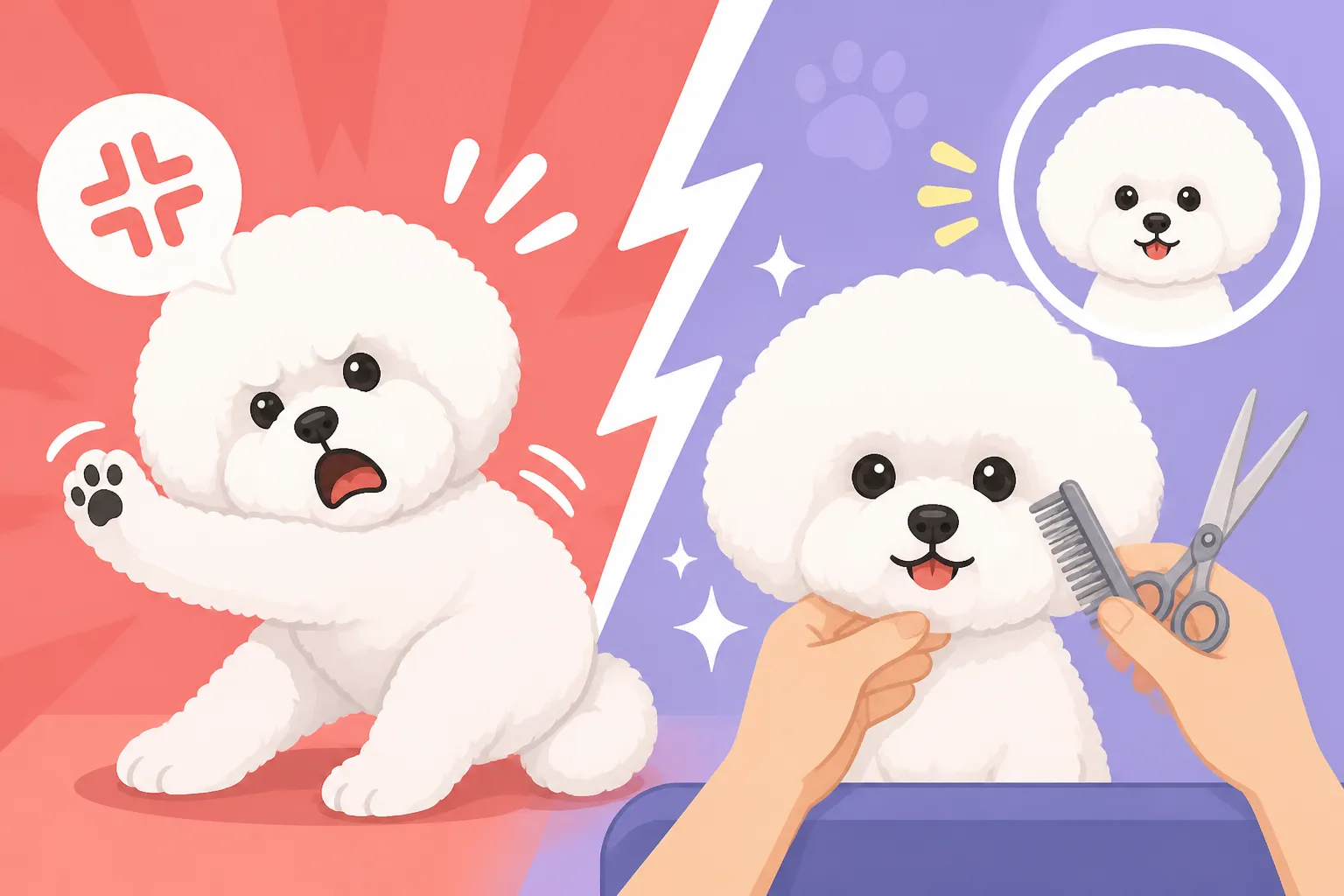
Whether a Bichon Frise Fights Having Its Face Done
Oh, the dreaded face grooming! If you've ever wrestled with your fluffy Bichon Frise just to trim around their eyes, wipe away tear stains, or simply brush their delicate facial hair, you know the struggle is real. It can feel like a battle every time, leaving both you and your sweet pup stressed, agitated, and sometimes even leading to nips or avoidance behaviors. This guide is here to walk you through understanding why your Bichon might be fighting the face trim and, more importantly, how to turn those tense grooming sessions into a more positive, manageable experience for everyone involved.
Understanding the Bichon Frise's Unique Facial Grooming Needs
Bichon Frises are known for their beautiful, cloud-like white coats, and nowhere is this more prominent or challenging to maintain than on their face. Their distinct "powder puff" look isn't just for show; it's part of what makes them so endearing. However, this dense, curly coat, combined with their naturally sensitive features, means their face requires a lot of specialized attention. It’s not just about aesthetics; it’s crucial for their health and comfort.
The Importance of Regular Facial Grooming
Neglecting a Bichon's face can lead to a host of problems beyond just looking a bit scruffy. Overgrown hair around the eyes can obstruct vision, collect debris, and rub against the cornea, potentially causing irritation or even ulcers. The constant moisture from tears, especially with their predisposition to tear staining, can create a breeding ground for yeast and bacterial infections on the skin beneath the hair. This can lead to painful skin irritation, further compounding their aversion to being touched there. Similarly, food and water can get matted into the beard area, becoming uncomfortable and unsanitary. Regular grooming, therefore, isn't a luxury; it's a necessity for their well-being.
Think of it from your Bichon's perspective: if their eyes are constantly itchy or their beard feels sticky and heavy, they're already uncomfortable. Then, when you come at them with sharp scissors or a comb, it’s understandable why they’d be hesitant, or outright resistant. Establishing a routine of gentle handling and cleaning prevents these issues from escalating, making future grooming much easier. We’ll delve into how to manage issues like The Tear Stains Under a Bichon Frise's Eyes to ensure their facial area is as clean and comfortable as possible.
The Bichon's Sensitive Facial Area
Compared to many other breeds, Bichon Frises tend to have very expressive faces, but also incredibly sensitive ones. Their eyes are prominent and prone to issues like allergies and blocked tear ducts, which can increase tear production and, consequently, tear staining. Their muzzles and ears are also packed with nerve endings, making them naturally sensitive to touch. This means any grooming around these areas needs to be approached with extreme gentleness and patience. A sudden tug, a missed snip, or even just clumsy handling can create a lasting negative association.
Their fine, dense hair texture around the face also means it mats easily. A tiny speck of food, a single stray tear, or even just the moisture from breathing can cause small tangles to form quickly, especially if they’re not brushed daily. These tiny mats can pull on their delicate skin, causing discomfort even before you pick up a brush. Understanding this inherent sensitivity is the first step in approaching facial grooming with the empathy and care your Bichon needs.
Why Your Bichon Frise Might Resist Face Grooming
It’s easy to feel frustrated when your adorable Bichon turns into a wriggly, growling, or snapping monster the moment you reach for their face. But it’s important to remember that this isn't usually about defiance; it's often a learned response or a reaction to discomfort. Pinpointing the root cause of their resistance is key to finding a solution.
Past Negative Experiences or Pain
One of the most common reasons a Bichon Frise fights having its face done is a history of negative experiences. Perhaps an accidental snip of the skin, a brush that pulled too hard on a mat, or eye drops that stung. Even an overly zealous attempt by a well-meaning owner or a professional groomer can create a lasting fear. Dogs don't forget easily, and a single painful incident can lead to a strong aversion to all future attempts at facial grooming. They learn to anticipate the discomfort, leading to avoidance or defensive behaviors. This is particularly true if they’ve ever had a painful ear infection, which can make the entire head area a no-go zone. Whether a Bichon Frise Learns to Fear the Groomer After Pain is a real concern and applies just as much to home grooming.
Imagine a child who had a painful experience at the dentist; they might develop a fear of dental visits for years. It's similar for our dogs. They're not being stubborn; they're trying to protect themselves from what they perceive as a threat. This means our approach needs to be about rebuilding trust and ensuring every future interaction is as positive and pain-free as possible. It requires a lot of patience and very gradual desensitization to overcome these deep-seated fears.
Lack of Early Socialization and Handling
Many Bichon Frises, unfortunately, don't receive enough exposure to facial handling during their critical puppy socialization period. A puppy between 8 and 16 weeks is like a sponge, soaking up all new experiences as normal. If they aren't gently handled around their eyes, ears, and muzzle frequently during this time – getting their face stroked, eyes dabbed, and small brushes introduced – they may grow up viewing these actions as strange, invasive, or even threatening.
Puppies from reputable breeders often begin this process early, but it's crucial for new owners to continue it consistently. Without this early, positive exposure, a young Bichon may naturally resist having anything near their face, simply because it’s unfamiliar. They haven't learned to associate facial touch with pleasant sensations or rewards. Programs like BAXTER & Bella’s online puppy training can provide structured guidance on how to introduce handling in a positive, reward-based way right from the start, helping to prevent these issues from developing. This foundational work is invaluable for a lifetime of easier grooming.
Underlying Medical Conditions
Sometimes, a Bichon's resistance to facial grooming isn't behavioral at all; it's due to an underlying medical issue that makes their face genuinely sore or uncomfortable. Conditions like severe allergies (causing itchy eyes and skin), dental pain (making the muzzle sensitive), or ear infections can make any touch around the head excruciating. If your Bichon suddenly starts resisting face grooming when they previously tolerated it, a vet check-up is absolutely essential.
For instance, an ear infection can make even a light touch near the ear canal painful, leading your dog to snap when you reach for their head. Similarly, an allergy flare-up might make their skin inflamed and itchy, causing them to flinch or protest when you try to comb through their facial hair. In these cases, no amount of positive reinforcement will work until the underlying pain or discomfort is addressed. Whether an Itchy Bichon Frise Bites When Handled is a serious consideration, as pain can override even the sweetest temperament. Always rule out medical causes first with your veterinarian.
Building a Foundation of Trust: Early Socialization and Handling
The secret to a Bichon Frise that tolerates – and perhaps even enjoys – facial grooming lies in starting early and making every interaction positive. It’s about building trust and teaching them that handling is safe and rewarding, not something to fear. This proactive approach saves countless headaches down the line.
Gentle Introduction to Tools and Touch
Begin with tiny steps, long before a full grooming session is needed. Start by simply touching your Bichon's face gently with your fingers, especially around the eyes, muzzle, and ears. Do this for a second or two, then immediately praise and give a high-value treat. Repeat this many times a day, gradually increasing the duration of the touch. Once they're comfortable with your hands, introduce grooming tools. Let them sniff a soft brush, a blunt-nosed scissor, or an eye comb. Put the tool down, give a treat. The goal is for them to associate the sight and smell of these tools with good things.
Next, combine the touch with the tool. Gently brush a tiny area of their cheek for a second, then treat. Hold the blunt scissors near their eye without closing them, then treat. The key is to keep these initial interactions very short, positive, and frequent. Never force it. If your Bichon shows signs of stress, back off and try again later, or make the steps even smaller. Remember, patience is your most powerful tool. For an effective strategy, you might find valuable guidance in resources from places like BAXTER & Bella, which emphasize positive reinforcement and gradual desensitization for puppies and young dogs.
Positive Reinforcement and Desensitization
Positive reinforcement is crucial for teaching your Bichon that facial grooming is a rewarding experience. Every time they tolerate a touch, a brush stroke, or a snip, no matter how small, reward them immediately with a tasty treat, verbal praise, or a favorite toy. The goal is to create a positive emotional response to grooming. Desensitization means gradually exposing them to the grooming process in tiny, manageable steps, always staying below their threshold for fear or resistance.
For example, if they flinch when you touch their eye area, start by just touching their forehead, then treat. Over days or weeks, slowly move your hand closer to the eye, only going as far as they are comfortable, always rewarding. The same applies to sounds. Introduce the sound of clippers (unturned on at first, then turned on but held far away) while they are eating or playing. Gradually bring the sound closer. This systematic approach ensures they are never overwhelmed and always associate the experience with something good. Whether a Bichon Frise Should Be Groomed Before Twelve Weeks highlights the importance of starting these positive associations early.
Step-by-Step Guide to Stress-Free Facial Grooming at Home
Once your Bichon has a solid foundation of positive association with facial handling, you can begin to tackle actual grooming tasks. The key here is to maintain a calm, methodical approach, breaking down the process into small, manageable steps.
Essential Tools for Safe Facial Grooming
Having the right tools is paramount for keeping your Bichon safe and making the process efficient. Dull or inappropriate tools can cause pain and frustration for both of you. You'll want:
- Blunt-nosed grooming scissors: These are critical for trimming around the eyes, as their rounded tips reduce the risk of accidental injury.
- Small, fine-toothed comb: Ideal for gently detangling facial hair and clearing tear-stained areas.
- Eye wipes or a damp cloth: For daily cleaning of tear stains and eye discharge.
- Slicker brush: For general coat brushing, but use with extreme caution and a very light touch around the face.
- High-value treats: Your ultimate weapon for positive reinforcement.
- Non-slip mat: If grooming on a table, this provides stability and confidence for your dog.
You can often find these specialized tools, like a good quality blunt-nosed scissor or a set of grooming combs, easily on platforms like Amazon. Investing in quality tools designed for delicate areas makes a huge difference.
A Gentle Routine for Eyes, Muzzle, and Ears
Let's break down the routine into manageable segments:
-
Eyes First: This is often the most sensitive area. Start by gently wiping away tear stains and discharge with a dedicated eye wipe or a soft, damp cloth. Always wipe away from the eye, not towards it. For trimming, hold the blunt-nosed scissors perpendicular to the skin, with the tips pointing away from the eye. Only snip a few hairs at a time. It’s safer to trim small amounts frequently than to attempt a big trim all at once. If your dog moves, stop immediately and restart only when they are calm. Keep sessions incredibly short, like 1-2 minutes, followed by a big reward. Consider having a second person hold your Bichon gently if they are still very squirmy, but only if it doesn't cause more stress. Consistently addressing Whether a Bichon Frise Tolerates Daily Eye Wiping is a great way to build up tolerance.
-
Muzzle and Beard: Food and water can quickly make this area messy. After meals, use a damp cloth to wipe their muzzle clean. For brushing, use your fine-toothed comb. Gently comb outwards from the skin, holding the hair at the base near the skin to prevent pulling. If you encounter a mat, do not pull. Instead, gently work it apart with your fingers, or use a small dematting tool very carefully. Trimming the beard can be done with the blunt-nosed scissors, creating a neat, rounded appearance. Again, small snips, praise, and treats are key.
-
Ears: Bichons often have a lot of hair in and around their ear canals, making them prone to infections. Gently lift the ear flap and visually inspect the canal for redness, discharge, or odor. Use a vet-approved ear cleaner, following instructions carefully. Gently massage the base of the ear, then let your Bichon shake their head. Wipe away any excess cleaner or debris with a cotton ball. If you pluck ear hair, only do a few strands at a time, or have your groomer do it. Always check The Ears a Bichon Frise Needs Cleaned Every Week for a detailed guide, as ear care is vital.
Here's a quick comparison of effective facial grooming approaches:
| Approach | Description | Pros | Cons |
|---|---|---|---|
| Gradual Desensitization | Slowly introduces touch/tools over time, with consistent rewards. | Builds trust, lasting positive association, reduces stress. | Requires significant time and patience, results aren't immediate. |
| Distraction Method | Grooming while dog is focused on a high-value treat (e.g., lick mat). | Can be effective for short, quick tasks; less stressful in the moment. | Doesn't build true tolerance; dog learns to associate grooming with food. |
| Professional Groomer | Expert handling and specialized tools from a trained professional. | Efficient, skilled handling, can tackle difficult matting safely. | Can be costly; dog may still resist if not desensitized at home. |
| Medication/Sedation | Vet-prescribed anti-anxiety medication or mild sedative for grooming. | Only for extreme cases. Allows necessary grooming for very anxious dogs. | Not a long-term solution; masks fear rather than resolving it; potential side effects. |
When Professional Help Becomes Your Best Friend
Sometimes, despite your best efforts, grooming your Bichon's face at home remains a battle. This is where a professional groomer can be an absolute lifesaver. They have the experience, tools, and often, the magic touch to handle even the most resistant pups. Don't view it as a failure on your part, but rather as utilizing a valuable resource to ensure your Bichon's comfort and health.
Recognizing When to Call a Pro
There are several clear signs that it might be time to hand the facial grooming reins over to a professional. If you find yourself consistently getting frustrated, anxious, or even fearful of accidentally hurting your dog, it's time. If your Bichon's resistance escalates to growling, snapping, or biting, it's definitely time to seek professional help to avoid injury to either of you. Persistent matting around the eyes or muzzle that you can't safely remove, or signs of skin irritation or infection (redness, odor, discharge) in the facial area, also warrant a visit to a groomer or vet.
Furthermore, if you simply don't have the time or patience to dedicate to the extensive desensitization process, a professional groomer can at least keep your dog's face tidy and healthy. They can also offer valuable tips and demonstrate techniques you can use at home for lighter maintenance between full grooms. Remember, a professional groomer is equipped to give your Bichon The Powder Puff Outline a Bichon Frise Is Scissored Into, including the intricate facial details, in a safe and skilled manner.
What to Expect from a Professional Groomer
When you take your Bichon to a professional groomer, especially if they have a history of resisting facial grooming, communicate this openly and honestly. Tell them about any past incidents, fears, or specific challenges you've faced. A good groomer will appreciate this information and adjust their approach accordingly. They might use specialized restraints, have an assistant, or employ specific calming techniques. They are often incredibly patient and understand canine body language, knowing when to push a little and when to give a dog a break.
Many groomers will offer a "happy visit" or a "puppy package" to help desensitize young dogs to the grooming experience, including face handling. This can be invaluable for setting up a positive lifetime association. During a regular groom, they will typically trim around the eyes, neaten the muzzle, and clean the ears. They have experience with different coat types and can safely remove mats that might be too close to the skin for an amateur to handle. While the cost of a full professional groom can vary, understanding What a Full Bichon Frise Groom Costs can help you budget for this essential service.
Maintaining a Positive Grooming Routine for Life
Getting your Bichon to tolerate, or even enjoy, facial grooming isn't a one-time fix. It's an ongoing commitment to a consistent and positive routine. Just like humans, dogs thrive on predictability and gentle handling.
Consistency is Key
The most important aspect of a successful grooming routine is consistency. Small, frequent sessions are far more effective than infrequent, long, and stressful battles. Aim for daily quick checks and gentle wipes around the eyes and muzzle, and a weekly light brush and ear check. This prevents mats from forming and keeps your Bichon accustomed to being handled. The more routine it becomes, the less they'll protest. If you're working on desensitization, stick to your chosen steps every single day, even if it's just for 30 seconds.
This consistency also applies to rewards. Always praise and reward your Bichon for good behavior during grooming, even if it's just for holding still for a second. This reinforces the positive association and motivates them to cooperate in the future. Remember that even small efforts, like checking Whether a Bichon Frise Needs Its Teeth Brushed Daily, contribute to overall oral and facial health, making other grooming aspects easier.
Making Grooming a Positive Bonding Experience
Beyond just getting the job done, try to reframe grooming as a bonding experience. Speak to your Bichon in a calm, soothing voice. Offer gentle praise throughout. Incorporate plenty of belly rubs, ear scratches, or whatever they enjoy, before and after the more challenging parts. Make sure the environment is quiet and free from distractions. Play some calming music if that helps.
If you struggle with specific parts, focus on what your Bichon can tolerate and gradually expand from there. For instance, if they hate having their eyes wiped, start by just gently petting their head, moving gradually closer to the eye area, then immediately rewarding. Over time, you can add the wipe. This slow, patient process builds a deeper bond of trust and mutual respect, turning a dreaded chore into a peaceful shared activity. Teaching a Bichon Frise to Hold Still on a Table can be part of this bonding, as it requires trust and cooperation.
Remember, every Bichon is an individual. Some will take to grooming more easily than others. Don't compare your dog to others, and don't get discouraged by setbacks. With patience, consistency, and a whole lot of love (and treats!), you can transform facial grooming from a struggle into a manageable, even enjoyable, part of caring for your beloved Bichon Frise.
Disclaimer
This article is for general informational purposes only and does not constitute professional advice. Laws, prices and regulations vary by location and change over time. Consult a qualified professional for guidance on your specific situation.