Whether a Bichon Frise Is a Lap Dog
It’s a common image, isn’t it? That fluffy, white cloud of a dog nestled perfectly on a human lap, gazing up with adoring eyes. Many people picture a Bichon Frise as the quintessential lap dog, a constant fixture, a warm furry cushion. While these charming little dogs are undeniably affectionate and thrive on companionship, the reality of whether your Bichon will be a perpetual lap warmer is a bit more nuanced than a simple yes or no. This guide will dive deep into the Bichon temperament, exploring their inherent desire for closeness, their bursts of energy, and how you can foster a loving bond that includes plenty of cuddles, whether on your lap or right beside you.
The Heart of a Bichon: Affectionate, Yes, But "Lap Dog"?
Bichon Frises were quite literally bred for companionship, so it’s no surprise they have a deep-seated need for human connection. However, what that connection looks like can vary from dog to dog, and even from moment to moment within the same dog. They are certainly not aloof creatures, but their affection doesn't always manifest as constant lap-sitting.
A History of Companionship: From Nobility to Family
Tracing back through their history, Bichon Frises were the darlings of European nobility, pampered pets who often traveled with their human companions and were clearly valued for their charming personalities and ability to bring joy. This lineage means they inherently thrive on being part of the family, involved in daily activities, and close to their people. They’ve always been about companionship, making them highly social and eager to please. This historical role cultivated a dog that seeks out human interaction, whether it’s a gentle nuzzle, a playful nudge, or indeed, a snuggle on the sofa. They love being the center of attention and will often follow you from room to room, not wanting to miss a single thing.
The expectation of a "lap dog" often comes from this historical context, assuming that if they were pampered, they must have spent all their time on laps. While likely true for many, it also instilled a lively, engaging nature rather than just a sedentary one. They’re not just decoration; they’re active participants in family life.
Beyond Just Laps: The Bichon's Need for Connection
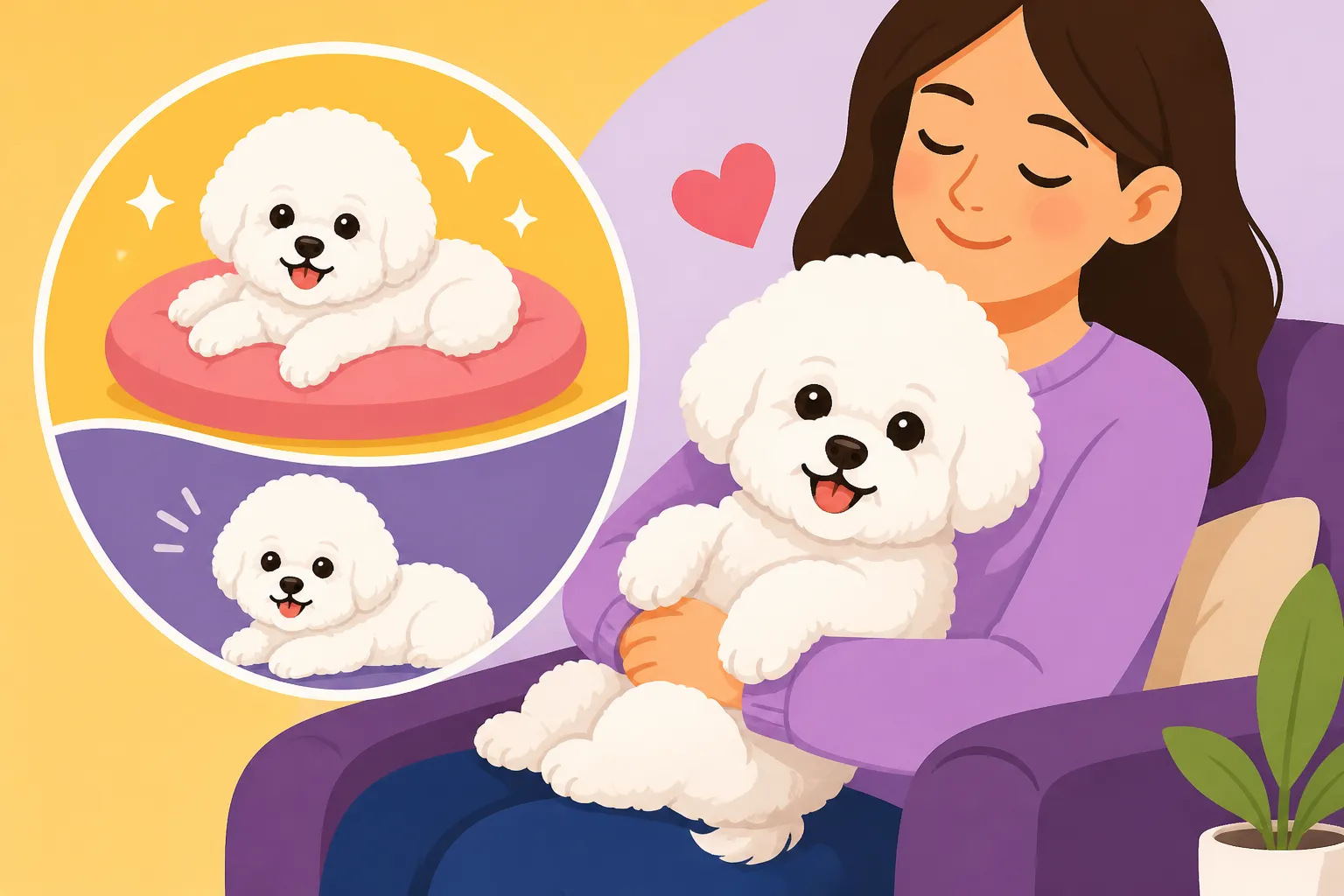
While a Bichon loves to be close, their expression of affection isn't solely confined to perching on your knees. Sometimes, "lap dog" means "dog who wants to be in the same room," or "dog who wants to be touching you while you watch TV." They might prefer to lie at your feet, pressed against your legs, or curl up on the sofa right next to you, perhaps with a paw resting on your arm.
This isn't a sign that they don't love you or that they're not a true companion. It simply speaks to the breadth of their affectionate nature. Some Bichons are full-on snuggle bugs who will melt into your lap the moment you sit down, while others prefer a bit more personal space while still craving your presence. They might enjoy a good cuddle session, then hop down to investigate a new smell or find a sunbeam, only to return a few minutes later for another dose of affection. It’s all about connection, and they find many ways to achieve that.
Understanding the Bichon's Desire for Closeness
There's no doubt that Bichons adore their humans. Their entire world often revolves around their family, and they crave interaction and attention. This strong bond is the driving force behind their desire to be physically close, even if it's not always directly on your lap.
The Power of Proximity: Why They Seek You Out
Bichons are highly sensitive and intelligent dogs who often form incredibly strong attachments to their owners. They seek proximity for comfort, security, and warmth. Being near you means they're safe, loved, and part of the pack. Think about it from their perspective: you are their provider, their playmate, and their protector. It makes perfect sense that they would want to be where you are.
This translates into a consistent desire to be in the same room, often within touching distance. If you move from the living room to the kitchen, don't be surprised if your Bichon follows, settling down on the floor or a nearby dog bed, just happy to be close. This constant companionship is one of the most endearing qualities of the breed. They thrive on the gentle rhythm of daily life shared with their people. For a Bichon, a quiet evening spent with you, even if they're not precisely on your lap, is still heaven. Sometimes, you'll find they just want to lean into you, making contact without fully climbing aboard.
When the "Bichon Blitz" Kicks In: Not Always a Cuddler
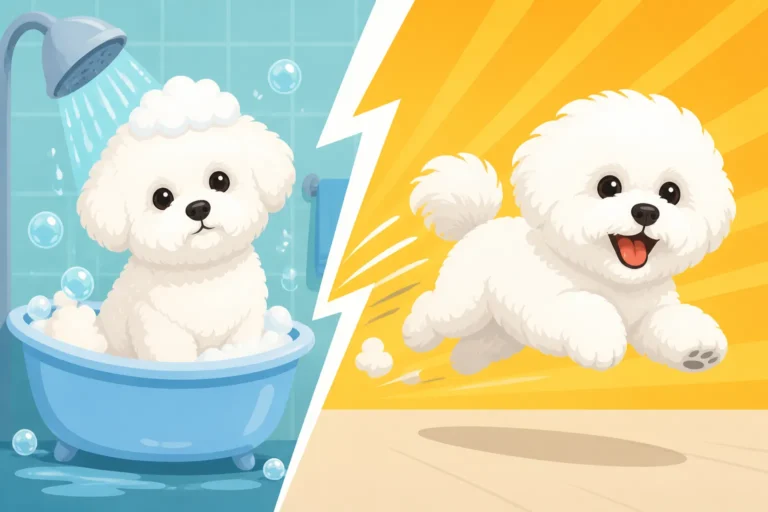
One distinct characteristic of the Bichon Frise is what owners affectionately call the "Bichon Blitz," or "zoomies." These are sudden, explosive bursts of energy where your usually calm little dog will race around the house at top speed, tucking its tail, bouncing off furniture, and generally acting like a fluffy white rocket. The Bichon Blitz and What It Means is a perfect example of how their energy can suddenly shift. During these moments, being a lap dog is the furthest thing from their mind!
The blitz can happen at any time, often after a bath, a meal, or even just waking up from a nap. It’s their way of burning off excess energy and expressing pure joy. A dog mid-blitz isn't going to settle onto your lap; they're too busy zipping and swirling. This demonstrates that while they are affectionate, they also possess a vibrant, playful energy that needs an outlet. Once the blitz subsides, however, they'll often come panting back to you, ready for a well-deserved snuggle or a quiet moment of rest. It's a fantastic contrast to their cuddlier side and a reminder that Whether a Bichon Frise Is Genuinely Cheerful, their temperament is dynamic and engaging. It’s important to understand that a dog exhibiting these playful bursts isn't rejecting you; they're simply being a happy, healthy Bichon.
Cultivating the Contented Lap Dog (and Respecting Their Space)
While some Bichons are natural-born lap warmers, others might need a little encouragement, or simply prefer to be near you rather than on you all the time. The key is to create an environment where they feel comfortable being close, but also to respect their individual preferences.
Creating a Cozy Environment for Cuddles
If you want to encourage more lap time, setting up a cozy, inviting space is a great start. Think about soft blankets, warm spots, and comfortable cushions. A designated dog bed near your favorite armchair or sofa can be very appealing. Sometimes, if the floor is cool, a Bichon might seek out the warmth of your lap. Ensure your lap is a pleasant place to be – calm, gentle hands, and a quiet demeanor.
You can also use positive reinforcement. When your Bichon settles on your lap, offer gentle praise or a tiny, healthy treat. Don't force them onto your lap if they're not interested; this can create a negative association. Instead, invite them up with a pat or a soft word. If they jump down, let them. They might just need a moment to stretch or check something out before returning. Remember, a comfortable, secure dog is more likely to seek out close contact. Providing them with their own cozy beds, perhaps one from a brand like Amazon Basics, encourages independent relaxation while still allowing them to choose your lap when they feel like it. This way, they learn that both your lap and their bed are safe, comfortable places to rest.
Teaching Boundaries: When the Lap is "Closed"
Just as it's important to encourage closeness, it's equally vital to teach your Bichon boundaries and independence. You won't always be able to have them on your lap, and they need to be comfortable settling elsewhere. This is especially true for long work-from-home sessions or when you have guests. Teaching them that "lap time" isn't constant prevents separation anxiety and builds a more confident, well-adjusted dog.
One effective strategy is to use a specific cue for lap time, like "Up!" or "Cuddle time!" and then another for when it's over, like "Off!" or "Go to your bed." Reward them for settling in their own designated spot when you're busy. This teaches them that while your lap is wonderful, there are other comfortable places to be. It helps them understand that Whether a Bichon Frise Settles After Exercise or when you're simply busy, they have alternatives. You can find excellent training resources, including courses on teaching boundaries and independence, from reputable online platforms like BAXTER & Bella. This kind of structured training ensures a balanced dog who appreciates cuddles but isn't overly dependent on them. This balance helps prevent potential issues like resource guarding of your lap.
The Lifelong Bond: More Than Just a Perching Spot
The relationship you build with your Bichon Frise extends far beyond whether they choose to sit on your lap. It’s about trust, understanding, and shared experiences that deepen over their The Fourteen to Fifteen Years a Bichon Frise Lives.
Socialization and Training for a Balanced Companion
A well-socialized and trained Bichon Frise is more likely to be a confident and adaptable companion, whether they're on your lap or engaging in other activities. Early socialization, exposing them to various sights, sounds, people, and other dogs in a positive way, helps them grow into secure adults. This reduces anxiety, which can sometimes manifest as clinginess or, conversely, a reluctance to settle.
Consistent, positive reinforcement training is crucial. Bichons are smart and eager to learn, and responding well to gentle guidance. While some might consider Whether a Bichon Frise Is Stubborn, with patience, they learn quickly. Teaching basic commands and good manners helps them understand their place in the family and builds their confidence. A dog that feels secure in its environment and understands expectations is often a happier, more settled dog, willing to enjoy all forms of affection, including lap time. Effective puppy training can lay the foundation for a well-behaved adult, making those desired lap moments even more enjoyable for both of you.
Health Considerations and Comfort
A Bichon Frise's desire for physical closeness, including lap time, can also be influenced by their health and comfort levels. A dog in pain or discomfort might be more reluctant to be held or might seek out close contact more intensely than usual, depending on the nature of their discomfort.
For example, an older Bichon who develops Arthritis in a Bichon Frise at Eleven might find jumping on and off laps painful. In such cases, ramps or steps could help them get onto the sofa or bed more easily, allowing them to still enjoy proximity without pain. Similarly, if a Bichon is feeling under the weather or experiencing something like Whether an Old Bichon Frise Gets Confused, they might seek out the comfort and reassurance of human contact more frequently. Keeping an eye on their general well-being, providing a comfortable bed, and ensuring regular vet check-ups are all part of supporting their overall happiness and their desire to connect with you. Sometimes, a lack of interest in cuddling could be a subtle sign that something is amiss.
Here’s a look at some common factors influencing a Bichon Frise’s "lap dog" tendencies:
| Factor | Increases Lap Dog Tendency | Decreases Lap Dog Tendency |
|---|---|---|
| Temperament | Naturally affectionate, enjoys physical contact | More independent, prefers personal space |
| Age | Puppies seeking security, seniors seeking comfort | Energetic adolescents, dogs with joint pain |
| Activity Level | Well-exercised and ready to rest | Underexercised, needs to burn off energy ("Bichon Blitz") |
| Environment | Quiet, calm household, cozy furniture | Busy, noisy home, uncomfortable resting spots |
| Health | Feeling unwell (seeking comfort), seeking warmth | Pain or discomfort (avoids being touched/moved) |
| Training | Encouraged with positive reinforcement | Not encouraged, or forced, leading to aversion |
| Bond with Owner | Strong, trusting relationship | Weak or inconsistent bond |
| External Stimuli | Nothing more interesting happening | Interesting smells, sounds, or other pets/people to interact with |
Ultimately, a Bichon Frise is a devoted companion who thrives on being part of your life. Whether they choose to spend every waking moment on your lap, or prefer to be snuggled up next to you, or even just in the same room, their love and loyalty are undeniable. Embrace their unique personality, provide them with plenty of affection and care, and you’ll have a cherished family member for many happy years to come. Whether a Bichon Frise Wants to Be Carried or walks by your side, it’s all part of their charming companionship.
Disclaimer
This article is for general informational purposes only and does not constitute professional advice. Laws, prices and regulations vary by location and change over time. Consult a qualified professional for guidance on your specific situation.