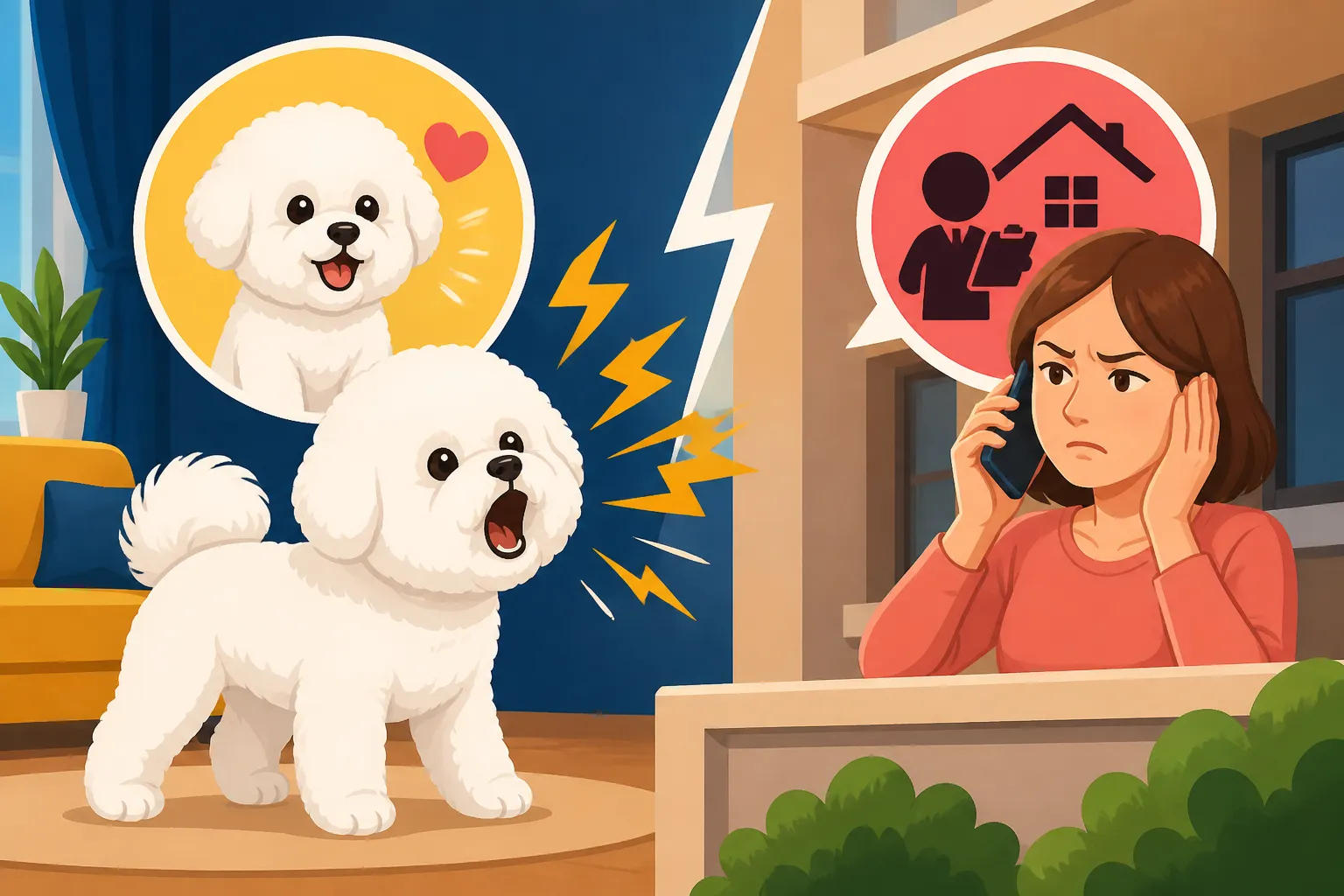
Whether a Bichon Frise Gets Its Owner a Noise Complaint
It’s a frustrating scenario many Bichon Frise owners secretly dread: the thought of a knock on the door, or worse, a letter, informing you that your beloved fluffy companion is causing a disturbance. While Bichons are known for their cheerful demeanor and charming personalities, they also have a reputation for being quite vocal, and this can, unfortunately, lead to a very real and unwelcome noise complaint from a neighbor. This guide will walk you through understanding why your Bichon might be barking excessively, how to address the root causes, and practical steps to ensure your furry friend is a good, quiet neighbor.
The Truth About Bichon Frise Barking and Noise Complaints
Let's be honest, every dog barks. It’s how they communicate, express joy, alert us to things, or even just let off steam. But with Bichon Frises, that barking can sometimes feel like it's amplified, especially in close living quarters like apartments or townhouses. The concern about noise complaints isn't unfounded; it's a legitimate worry for many owners.
Why Bichons Earn Their Reputation for Noise
Bichon Frises are small dogs, but they often don't seem to realize it! They possess a surprisingly robust bark for their size, and they're not shy about using it. Part of this comes from their history as companion dogs who were also, at times, performers. They were bred to be attentive and responsive, and sometimes that translates into being highly reactive to their environment. A tiny dog in a big world might feel the need to make themselves heard, whether it's to alert you to an approaching squirrel, express excitement, or simply to tell the world they exist. Their bright, inquisitive nature means they notice everything, and often feel compelled to comment on it. It’s not malicious; it's just who they are, but it can certainly test the patience of even the most understanding neighbor. They are, after all, part of the "Barbichon" family, and many of these breeds have a tendency towards vocalization. Whether a Bichon Frise Is a Yappy Breed is a question many prospective owners ask, and the answer is often, "they can be."
The Fine Line Between "Bubbly" and "Excessive"
As owners, we often have a high tolerance for our own dog's quirks. A few barks when the doorbell rings might be endearing, or even helpful for security. But what we perceive as "bubbly" or "alerting us" can quickly cross into "excessive" territory for someone living next door. Imagine trying to work from home, put a baby down for a nap, or just enjoy a quiet afternoon, only to be interrupted by persistent barking. For a neighbor, the context of why your Bichon is barking is irrelevant; the noise itself is the issue. This often leads to a disconnect: you love your dog's spirit, they just want some peace and quiet. Understanding this difference in perception is the first step in addressing the problem proactively, before it escalates to an official complaint.
Common Triggers for Bichon Frise Barking That Lead to Complaints
Understanding why your Bichon barks is crucial, as the solution will vary depending on the trigger. It’s rarely just "being naughty"; there's usually an underlying reason for their vocalizations.
Window Barking and the "Neighborhood Watch" Syndrome
This is probably one of the most common complaints, especially if your Bichon has access to a window overlooking a busy street or common area. Bichons are naturally curious and observant. They see everything – the mail carrier, the delivery truck, a passing dog, a child on a bicycle, even a falling leaf. To them, these are all events worthy of a full verbal report! This "neighborhood watch" syndrome isn't just about territoriality; it's often a mix of boredom, excitement, and a sense of duty. They feel it's their job to alert you to every perceived intrusion, no matter how minor. This can quickly become annoying for neighbors, particularly if your Bichon is parked at the window for long stretches throughout the day. Blocking access to windows or using frosted film can make a huge difference here. For more insights on this specific behavior, check out The Window Barking a Bichon Frise Does.
Separation Anxiety and Distress Barking
This is a heartbreaking trigger, both for the dog and the owner. Some Bichons, being deeply attached to their families, struggle immensely when left alone. This isn't just a minor whine; it can manifest as frantic, sustained barking, howling, or crying, often accompanied by destructive chewing or house-soiling. This isn't your dog being manipulative; it's genuine panic and distress. Such continuous vocalization is almost guaranteed to lead to a noise complaint, as it's often relentless and emotionally charged. If your Bichon only barks when you leave, and shows other signs of distress like pacing, drooling, or attempting to escape, then separation anxiety is likely the culprit. This requires a gentle, systematic approach to build their confidence in being alone. Addressing Whether a Bichon Frise Cries When You Leave is vital for their well-being and your peace of mind.
Demand Barking for Attention or Resources
Have you ever given in to a bark for a treat, a pat, or to throw a toy? If so, you've likely inadvertently taught your Bichon that barking is an effective way to get what they want. This is "demand barking," and it's a learned behavior. Your Bichon isn't distressed; they've simply figured out that being loud gets results. They might bark when you're on the phone, watching TV, or trying to eat dinner. They might bark for you to open the door to the yard or fill their water bowl. While seemingly less severe than anxiety, persistent demand barking can be incredibly irritating and quickly lead to neighbor complaints if it's frequent or loud enough. It's a classic example of a small habit snowballing into a big problem.
Environmental Noises and Startle Reactions
Sometimes, it's not what's inside your home that causes the barking, but what's happening outside. A loud car backfiring, a siren wailing past, construction noise, other dogs barking in the distance, or even just children playing loudly can trigger a startle or reactive bark from your Bichon. They might not be able to see the source of the noise, but they hear it, and their instinct is to react vocally. This can be particularly challenging in urban environments or apartment complexes where external noises are a constant. While you can't control the outside world, you can help your Bichon become less reactive to these sounds through desensitization and management.
Practical Strategies to Prevent Noise Complaints from Your Bichon
The good news is that most barking issues can be managed and improved with patience, consistency, and the right approach. It’s about understanding your dog and giving them the tools to cope, or simply removing the triggers.
Training and Management Techniques
Effective training is at the heart of managing barking.
- Teaching a "Quiet" Cue: This is invaluable. Start by waiting for your dog to bark a few times, then hold a treat to their nose. The moment they stop barking to sniff the treat, say "Quiet!" and reward them. Gradually increase the duration they need to be silent before getting the treat. You can find excellent resources online for this, even from reputable sources like BAXTER & Bella, which offers comprehensive online puppy training programs that often cover foundational cues like 'quiet'. Teaching a Bichon Frise a Quiet Cue is a skill worth investing time in.
- Desensitization and Counter-Conditioning: For external triggers like window barking, this involves gradually exposing your Bichon to the trigger at a low intensity while simultaneously creating a positive association. For example, if they bark at people walking by the window, start by having someone walk by further away (or just appear for a second) while you give your Bichon high-value treats. Increase the proximity and duration slowly, always pairing the trigger with something positive before they start barking.
- Enrichment and Exercise: A bored or under-exercised Bichon is often a noisy Bichon. Ensure your dog gets enough physical activity appropriate for their age and health. This means regular walks, playtime, and mental stimulation. Puzzle toys, snuffle mats, and chew toys can keep them engaged and tire their brains. A tired dog is often a quiet dog! Consider a strong chew toy from Amazon to keep them occupied during quiet times. Whether a Bichon Frise Settles After Exercise is a key question, and often, more exercise leads to more calm.
- Don't Reward Barking: This seems obvious, but it's often where we slip up. If your Bichon barks for attention, ignore them completely. Turn your back, walk away, or leave the room. The moment they are quiet, even for a second, praise and reward them. This teaches them that silence gets attention, while barking does not. Consistency is key here; every family member must follow the same rule.
Creating a Peaceful Environment
Sometimes, simply altering your dog's environment can drastically reduce barking triggers.
- Window Management: As mentioned, if window barking is an issue, block access to the window using baby gates, close blinds or curtains, or apply frosted privacy film to the glass. This removes the visual stimulus that triggers the barking.
- White Noise or Music: When you leave your Bichon alone, try playing calming music or a white noise machine. This can mask external sounds that might trigger barking and create a more soothing environment. There are many affordable white noise machines available on Amazon.
- Safe Space: Ensure your Bichon has a comfortable, quiet den or crate where they feel secure. This should be a positive space, perhaps with a favorite blanket and chew toy, where they can retreat when feeling overwhelmed or left alone.
When Professional Help is Needed
If you've tried these strategies consistently and aren't seeing improvement, or if the barking is severe (especially if accompanied by other concerning behaviors like destruction or aggression), it's time to call in the professionals.
- Veterinary Check-up: Rule out any underlying medical conditions. Pain, hearing loss, or other health issues can cause changes in barking behavior. For instance, a Bichon struggling with Dental Disease in a Bichon Frise might bark more due to discomfort.
- Certified Professional Dog Trainer (CPDT): A CPDT can assess your specific situation, identify the precise triggers for your Bichon's barking, and develop a personalized training plan. They can also teach you how to implement the techniques effectively.
- Veterinary Behaviorist (Dip ACVB): For severe cases, particularly those involving separation anxiety or deep-seated fear-based reactivity, a veterinary behaviorist is the highest level of expertise. They are veterinarians with specialized training in animal behavior and can prescribe medication if necessary, in conjunction with a behavior modification plan.
Understanding Noise Ordinances and Neighborly Relations
Preventing a noise complaint isn't just about training your dog; it's also about understanding your local laws and fostering good relationships with your neighbors.
What Constitutes a "Noise Complaint" for Dogs?
Noise ordinances vary widely by municipality, but generally, they address "nuisance barking." This usually means barking, howling, or whining that is excessive, continuous, or habitual, and disturbs the peace of others. The exact definition might include specific durations (e.g., barking for more than 10-15 minutes continuously, or intermittently for 30 minutes in an hour) or specific times of day (e.g., quiet hours). It's always a good idea to research your local city or county's animal control or noise ordinances so you know what the legal expectations are. Generally, it's not a single bark that causes a complaint, but a pattern of sustained disturbance.
| Barking Type | Common Triggers | Owner's Perception | Neighbor's Perception | Potential Solutions |
|---|---|---|---|---|
| Alert/Territorial | Mail carrier, delivery, passersby, other dogs | "He's protecting us!" | Annoying, disruptive | Window blocking, "Quiet" cue, desensitization |
| Demand | Wanting attention, food, play, going outside | "He's telling me what he wants." | Entitled, frustrating | Ignore barking, reward quiet, consistent routine |
| Distress/Anxiety | Owner absence, loud noises, perceived threats | "He's scared/lonely!" | Heartbreaking, but still a noise problem | Professional help, desensitization, safe space |
| Excitement/Play | Playtime, greetings, anticipating walks | "He's happy!" | Can be overwhelming | Management during greetings, teaching calm alternatives |
| Boredom/Lack of Stim | Under-exercised, nothing to do, left alone too long | "He's just being silly." | Unnecessary, irritating | More exercise, mental stimulation, puzzle toys |
Proactive Communication with Neighbors
One of the best defenses against a noise complaint is a good offense in the form of open communication. If you suspect your Bichon might be vocal, or if you're working on a barking issue, a friendly chat with your neighbors can go a long way.
- Inform Them: Let your neighbors know you're aware of the barking and that you're actively working on it. This shows consideration and can buy you goodwill and patience.
- Ask for Feedback: Politely ask them to let you know if the barking becomes an issue. This opens a channel for direct communication rather than them having to go through official channels.
- Offer Solutions: If you're leaving your dog for a long stretch, perhaps consider asking a trusted friend or dog walker to check in on them. If your dog barks more at certain times, inform your neighbors you're adjusting schedules or implementing specific training.
- Apologize When Necessary: If your dog has had a particularly vocal day, a genuine apology can diffuse tension. A small gesture, like a note or a plate of cookies, can work wonders in showing you care about their peace.
Remember, most neighbors prefer to resolve issues amicably rather than escalate to official complaints. By being proactive, transparent, and considerate, you can often prevent a minor barking issue from becoming a major neighborly dispute. It's about being a responsible pet owner and understanding that living in a community means respecting everyone's right to peace and quiet. Ultimately, a well-managed Bichon is a joy to own, and that includes being a good neighbor. Whether a Bichon Frise Suits an Apartment often depends on how effectively barking is managed.
Disclaimer
This article is for general informational purposes only and does not constitute professional advice. Laws, prices and regulations vary by location and change over time. Consult a qualified professional for guidance on your specific situation.