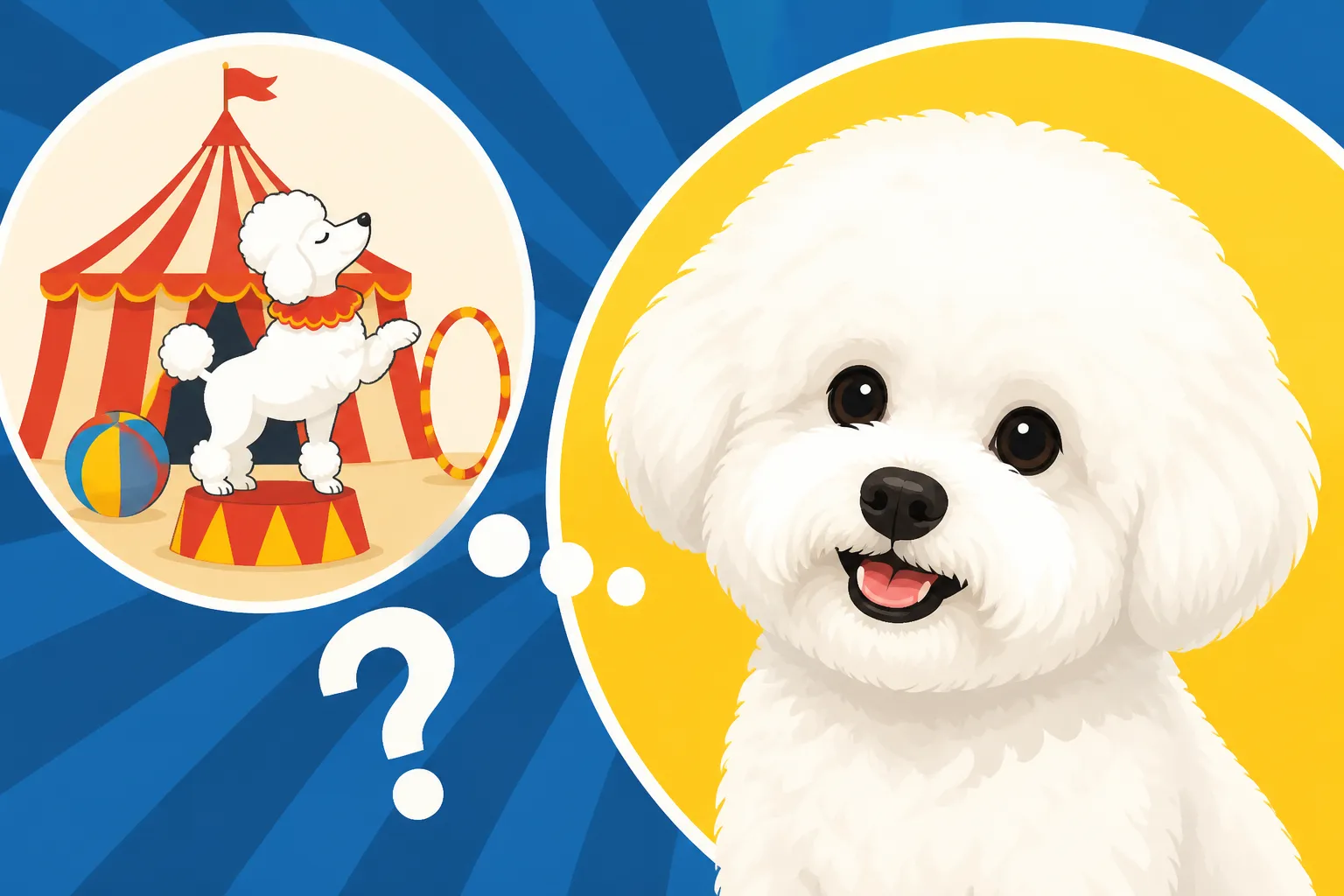
Whether Circus Ancestry Shows in a Bichon Frise
It’s easy to look at our fluffy, angelic Bichon Frises and imagine them only gracing laps or prancing through manicured parks. But did you know there’s a fascinating, rather dramatic chapter in their history involving circus tents and street performances? This historical legacy often raises questions for Bichon owners: does this "circus ancestry" still show up in their quirky personalities and surprising intelligence today? This guide will explore that very question, diving into the unique traits that may stem from their performing past and how you can best understand and work with them.
The Bichon Frise: From Noble Laps to Circus Rings
The journey of the Bichon Frise is quite extraordinary, weaving through the opulent halls of European royalty and, surprisingly, down to the bustling streets and lively circuses of yesteryear. It's a history that speaks volumes about their adaptable nature and inherent charm, shaping the very dogs we cherish today.
A Brief History of the Performing Bichon
Originating from the Canary Islands as the "Tenerife dog," Bichons were initially prized by Spanish and Italian sailors for their companionship. They then became darlings of the European aristocracy, particularly in France, where they were pampered and adored. However, as monarchies fell and society changed, many Bichons found themselves on the streets. It was during this period of transition that their innate intelligence, eagerness to please, and charming demeanor truly shone through. They were quickly adopted by street performers, organ grinders, and later, circus troupes, where their small size, striking white coat, and quick wit made them ideal performers.
They weren't just cute props; these dogs were taught complex tricks, from dancing and balancing acts to comedic routines. They were partners in performance, relying on their cleverness and bond with their human trainers to earn their keep. This wasn't just a brief phase; it was a significant era that imprinted certain characteristics deeply within the breed. The expectation was that these dogs would not just be pretty faces, but active, engaging, and highly trainable companions. This period highlights why the breed wasn't just saved, but thrived, finding a new purpose that leveraged their unique attributes.
What “Circus Ancestry” Actually Means for the Breed
When we talk about "circus ancestry" in a Bichon Frise, we're not suggesting your little fluffball is going to spontaneously juggle or walk a tightrope (though sometimes they seem to defy gravity!). Instead, it refers to the selective pressures and experiences that likely reinforced certain traits over generations. Dogs that were naturally more intelligent, quicker to learn, more eager to please, and possessed a captivating personality were the ones that excelled in performance. These were the dogs that were bred, continuing the line of intelligent, charming, and trainable companions.
This historical context explains why so many Bichon owners today find their dogs to be far more than just pretty lap decorations. They often exhibit a surprising level of intelligence, a keen desire to interact and learn, and a distinct flair for entertaining their humans. This isn't just anecdotal; these are traits that were essential for their survival and success in a performing role. It's a testament to their resilience and inherent qualities that they adapted so well from royalty to the big top, retaining that sparkle and adaptability.
Innate Traits: Are Bichons Born Performers?
So, with this colorful history in mind, what specific traits in your modern-day Bichon Frise might be echoes of their performing past? It's more than just a cute story; these traits often manifest in their everyday behavior and how they interact with their families.
Intelligence and Trainability
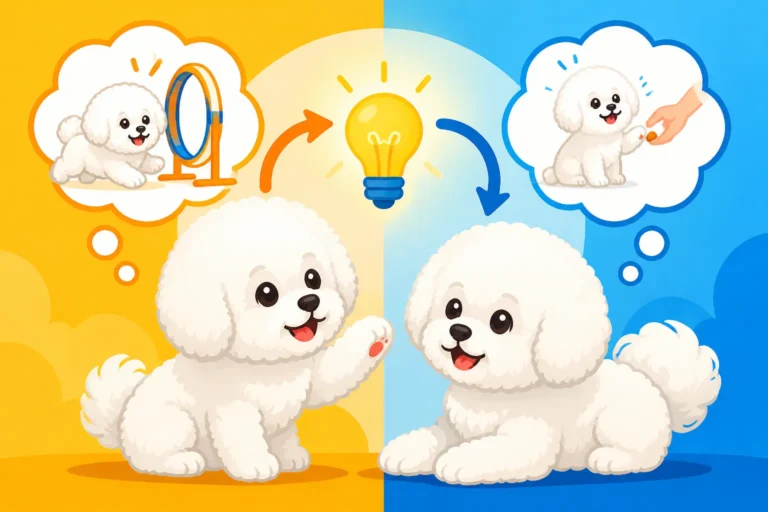
One of the most defining characteristics of the Bichon Frise, deeply rooted in their performing history, is their remarkable intelligence and trainability. These aren't just pretty faces; they are thinkers. Circus dogs had to learn elaborate routines, often involving multiple steps and cues. This required not only a good memory but also the ability to grasp new concepts quickly and respond consistently.
Today, this translates into a dog that often picks up new commands with surprising speed. Owners frequently marvel at How Fast a Bichon Frise Learns a New Cue. Whether it's basic obedience commands like "sit" and "stay," or more complex tricks like "roll over" or "play dead," Bichons often take to training with gusto. They thrive on mental stimulation and enjoy the challenge of learning something new. This isn't to say every Bichon is a canine genius, but the breed generally shows a strong aptitude for learning, which makes them a joy to train, even for first-time dog owners. You might find resources like BAXTER & Bella’s online puppy school particularly effective for channeling this intelligence into structured learning, as their programs focus on engagement and positive reinforcement, which Bichons respond to beautifully.
Eagerness to Please and Affectionate Nature
A successful performing dog wasn't just smart; it needed to be motivated. For many Bichons, that motivation comes from their intense desire to please their human companions. This eagerness is a hallmark of the breed's temperament, and it was undoubtedly a vital trait for dogs who needed to perform on cue, night after night. They wanted to earn that praise, that treat, that moment of connection.
This "eager to please" nature makes them incredibly affectionate and devoted pets. They love being the center of attention and will often follow you from room to room, just happy to be near you. They thrive on interaction and positive feedback, making them excellent candidates for various activities where they can engage with their owners. You'll often find that a happy, well-socialized Bichon will genuinely respond to your mood and seek to bring a smile to your face. This deep connection and desire for approval is a powerful tool in training and forms the bedrock of their bond with their families. Many owners note that Whether a Bichon Frise Is Genuinely Cheerful is a constant presence, a trait that surely made them captivating performers.
High Energy and "The Bichon Blitz"
While Bichons are small, don't let their size fool you into thinking they're strictly couch potatoes. They possess a surprising amount of energy, often manifesting in bursts of frantic activity affectionately known as "the Bichon Blitz" or "zoomies." This playful exuberance, while sometimes unexpected, could easily be seen as an echo of their need for stamina and agility in a performance setting. They had to be ready to spring into action and maintain energy throughout a show.
These bursts of energy are perfectly normal and can be incredibly entertaining. Your Bichon might suddenly tear around the house, skidding on rugs, and leaping onto furniture, then just as quickly settle down for a nap. Understanding The Bichon Blitz and What It Means is key to appreciating this aspect of their personality. While they do enjoy cuddles and downtime, they also need outlets for this energy. Short, engaging play sessions, walks, and opportunities to explore will help keep them happy and balanced. Think of it as their inner performer needing to let loose! Providing interactive toys, readily available on platforms like Amazon, can also help channel this playful energy positively indoors.
Attention-Seeking Behaviors
Let's face it, Bichons love attention. They thrive on it, crave it, and sometimes, demand it! A performing dog had to capture and hold an audience's attention. A Bichon that could make people laugh, awe them with a trick, or simply melt their hearts with a glance, was a star. This inherent desire to be noticed and admired is a strong thread connecting their past to their present.
This can manifest in many endearing ways: leaning into your hand for pets, bringing you a toy, or even performing a little dance when you walk in the door. However, it can also lead to more challenging behaviors if not managed, such as excessive barking or demand barking if they feel ignored. They learn quickly what gets a reaction from their humans, and if a dramatic display gets them attention, they'll often repeat it. Understanding this need for engagement allows you to provide plenty of positive attention and structured playtime, ensuring they feel loved and included without resorting to undesirable methods to get your notice.
Training the "Circus Dog": Channeling Their Inner Performer
Knowing your Bichon has this rich history of performance can actually be incredibly helpful in understanding their behavior and tailoring your training approach. Instead of fighting against their natural inclinations, you can embrace them!
Positive Reinforcement: The Key to a Happy Performer
Imagine trying to teach a complex trick to a dog using harsh methods. It wouldn't work, and certainly wouldn't foster the enthusiastic performance needed for a show. Bichons, with their sensitive yet eager-to-please nature, respond best to positive reinforcement. This means rewarding desired behaviors with treats, praise, toys, or affection. They are truly motivated by making you happy and receiving that positive feedback.
Consistent, reward-based training makes learning a fun game for your Bichon, tapping into their innate desire to engage and perform. It builds confidence and strengthens your bond, turning training sessions into enjoyable interactions rather than chores. If you're struggling, a well-structured online program, such as those offered by BAXTER & Bella, can provide excellent guidance, showing you how to leverage your Bichon's natural motivation to achieve fantastic results. Remember, short, frequent sessions are often more effective than long, drawn-out ones, as Whether Short Sessions Suit a Bichon Frise is definitely true for their attention spans.
The Art of Tricks and Agility
Given their history, it's no surprise that many Bichons absolutely love learning tricks and even excel in dog sports like agility. These activities provide the perfect outlet for their intelligence, energy, and desire to please. Teaching your Bichon tricks isn't just for entertainment; it's a fantastic way to provide mental stimulation, boost their confidence, and deepen your connection.
Simple tricks like "shake a paw," "spin," or "bow" can be easily taught at home. For those looking for more active pursuits, consider exploring beginner agility courses or even setting up a mini agility course in your backyard using items from Amazon. You might be surprised at Whether a Bichon Frise Can Do Agility – their nimble bodies and quick minds are often well-suited to it. The joy on their face when they successfully navigate an obstacle or nail a new trick is truly priceless. It’s like their inner performer is finally getting its moment in the spotlight.
Managing Attention-Seeking with Structure
While attention-seeking is a charming trait, it needs to be managed to prevent it from becoming disruptive. Your Bichon's "circus ancestry" means they instinctively know how to get a reaction, and if barking or nipping is working, they'll continue. The key is to teach them appropriate ways to ask for attention and to reward those behaviors lavishly.
This means being mindful not to inadvertently reward unwanted behaviors. If your Bichon barks for attention, try to ignore it (if safe to do so) and reward them the moment they are quiet. Then, proactively engage with them with a game or a cuddle when they haven't been demanding. Establishing a routine with dedicated play and training times helps them understand when they will receive your focused attention. Providing interactive toys and puzzles, easily found on Amazon, can also keep their intelligent minds occupied, reducing the need for them to create their own "performance" for your benefit.
The Modern Bichon: Still a Star in Your Home
So, while the days of actual circus performances might be behind them, the spirit of the performer lives on in our beloved Bichons. They bring that same spark, intelligence, and charm into our homes, making them truly special companions.
A Dog Designed for Connection
More than anything, the Bichon Frise is a dog that thrives on connection. Their history as both pampered companions and performing partners underscores their need for social interaction and a strong bond with their human family. They are not dogs that do well left alone for long periods; they want to be part of the action, a central figure in your daily life. This is why The Merry Temperament the Bichon Frise Standard Demands is so evident in their personalities—they are genuinely joyful when engaged with their people.
This desire for connection means they will flourish in homes where they receive plenty of love, attention, and opportunities to participate in family activities. They are often described as "velcro dogs" because of how closely they stick to their owners, always ready for a cuddle or a game. Providing this companionship isn't just a kindness; it fulfills a fundamental need ingrained in their breed's history.
Embracing Their Unique Personality
Understanding the Bichon Frise's circus ancestry helps us appreciate their unique blend of intelligence, playfulness, and affection. It allows us to see their bursts of energy not as naughtiness, but as a lively expression of their spirited nature. It helps us interpret their quick learning abilities as a gift to be nurtured through positive training and engaging activities.
Every Bichon is an individual, of course, but the breed as a whole carries this captivating historical echo. By acknowledging and embracing these traits, we can provide them with the best possible environment to thrive, allowing their inner performer to shine brightly in the comfort and love of our homes. Whether they are learning Whether a Bichon Frise Learns Tricks or simply doing their happy dance when you come home, they truly are little stars.
| Trait | Circus Ancestry Connection | How it Appears in Modern Bichons | Benefits for Owners |
|---|---|---|---|
| Intelligence | Learning complex routines, quick cues | Fast learners, enjoy puzzles & training | Easy to teach, good for enrichment activities |
| Eagerness to Please | Motivation for performance, bond with trainer | Very affectionate, seeks owner approval | Strong bond, responsive to positive reinforcement |
| High Energy (Blitz) | Stamina for shows, agility | Bursts of playful energy, zoomies | Entertaining, encourages active play with owner |
| Attention-Seeking | Captivating an audience | Loves being the center of attention, charming | Engages family, forms deep connections |
| Adaptability | Transition from court to street | Adjusts well to new environments/routines | Good travel companions, flexible family members |
Disclaimer
This article is for general informational purposes only and does not constitute professional advice. Laws, prices and regulations vary by location and change over time. Consult a qualified professional for guidance on your specific situation.