Whether Treating the Skin First Makes Grooming Possible
It’s a heartbreaking sight: your beloved Bichon Frise, usually a fluffy bundle of joy, now cringes at the sight of a brush, whimpers during a bath, or even snaps when you try to touch a particular area. Often, this isn't just "bad behavior" or a "stubborn dog"; it's a desperate plea from a dog whose skin is irritated, sore, or outright painful. This guide will delve into why addressing your Bichon Frise's underlying skin issues first isn't just helpful, but absolutely essential to making grooming a possible, and even pleasant, experience for both of you.
The Vicious Cycle: How Unmanaged Skin Conditions Impact Grooming
Imagine having a constant itch, or a painful rash, and then someone comes along and tries to scrub, brush, or pull at that sensitive area. You’d probably react, too, right? This is precisely what happens with a Bichon Frise struggling with skin issues. The normal, necessary grooming routines that keep their beautiful white coat in pristine condition become a source of immense stress and discomfort, creating a negative feedback loop that makes everything worse.
Pain and Fear: The Dog's Perspective
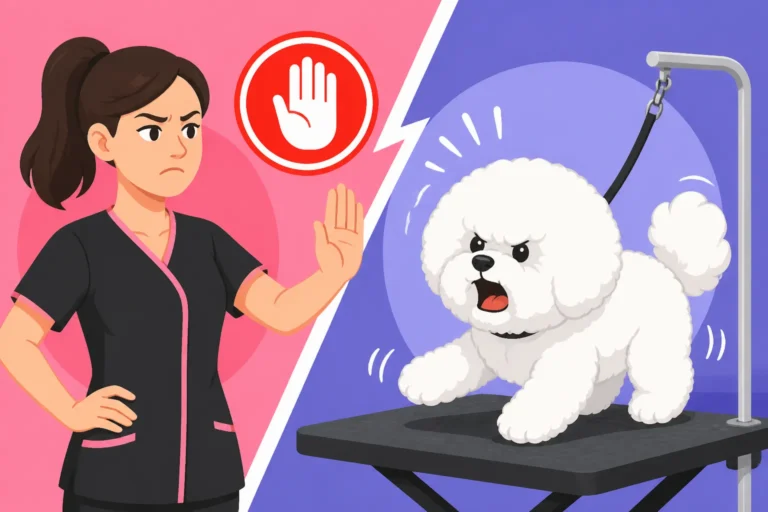
When your Bichon Frise's skin is inflamed, raw, or infected, even the gentlest touch can cause sharp pain. A simple comb snagging on an already sensitive patch of skin can feel like a torment. This pain quickly leads to fear. Your dog starts associating the grooming tools, the grooming table, or even your hands reaching for them, with discomfort and negative experiences. They might start hiding, growling, nipping, or squirming excessively. This isn't them being "naughty"; it's a natural, instinctive reaction to perceived threat and pain. Think about it: if every trip to the dentist involved excruciating pain, you'd dread going too, wouldn't you? It's no different for our furry companions. The fear can become so ingrained that even once the physical pain has subsided, the emotional memory remains, making future grooming sessions incredibly challenging. Whether a Sore Bichon Frise Refuses Grooming
Matting and Further Irritation
The unfortunate reality of the Bichon Frise coat is that it requires consistent grooming. If skin issues make regular brushing and bathing impossible, the coat quickly begins to mat. Mats are not just unsightly; they pull at the skin, creating constant tension and increasing pain, especially in sensitive areas like behind the ears, armpits, and groin. These tight mats also trap moisture, dirt, and allergens against the skin, creating a warm, damp environment that is perfect for bacteria and yeast to flourish. This leads to further infections, which in turn exacerbate the original skin condition, creating a truly vicious cycle. It’s like wearing a sweater that’s too tight and itchy, and then never being allowed to take it off or wash it – the discomfort only grows, and the cycle continues without intervention.
Understanding Common Bichon Frise Skin Woes
Bichon Frises, with their beautiful dense coats, are unfortunately prone to several skin conditions that can make grooming a living nightmare if not properly managed. Knowing what you're up against is the first step in finding a solution and making grooming possible again.
Atopic Dermatitis and Allergies
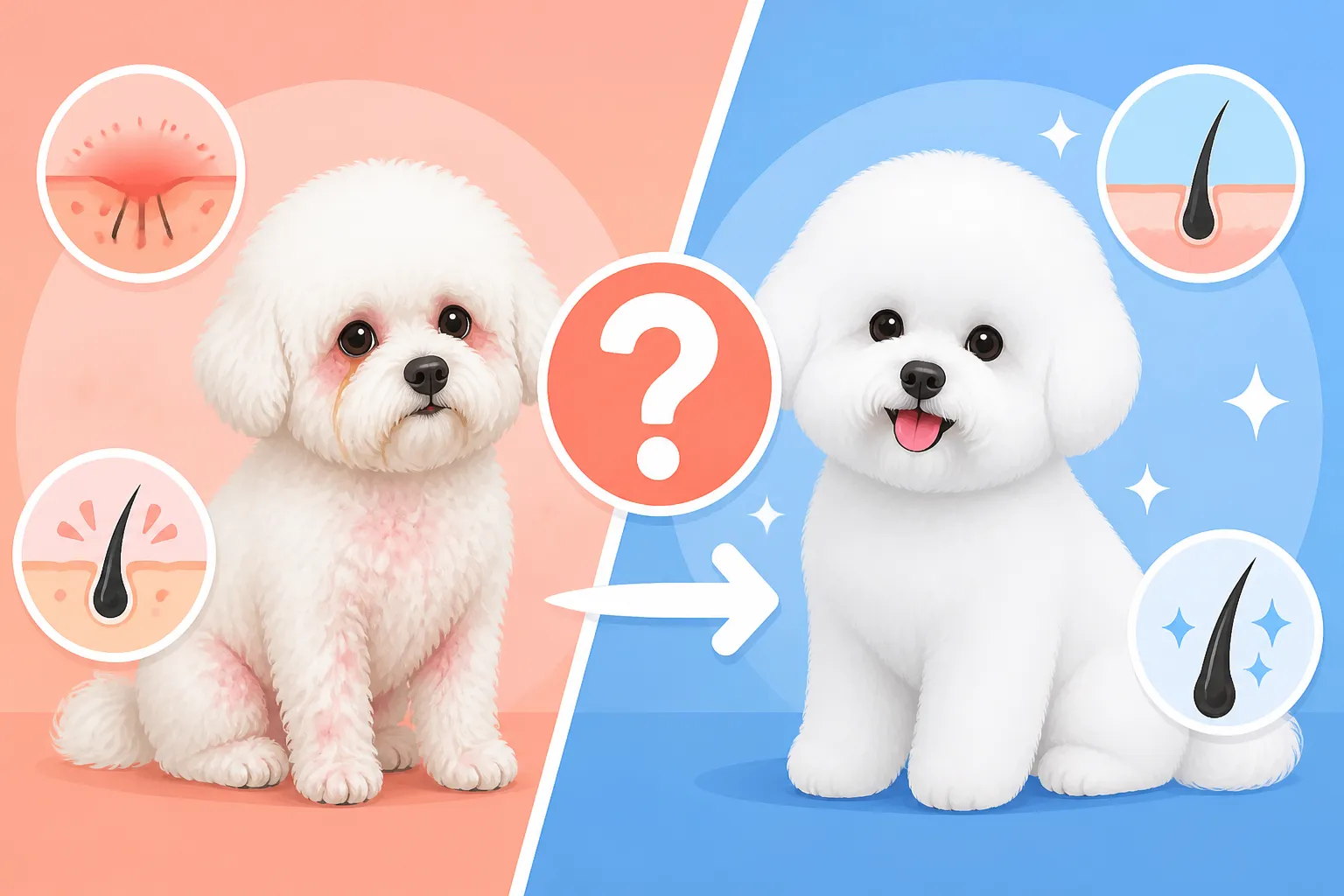
One of the most common culprits for chronic skin irritation in Bichon Frises is atopic dermatitis, essentially an environmental allergy. This condition can manifest as intense itching, redness, inflammation, and recurring infections. Dogs with atopic dermatitis often lick their paws raw, rub their faces on furniture, and scratch their bodies incessantly. What Atopic Dermatitis Does to a Bichon Frise When the skin is constantly inflamed and itchy, even gentle brushing can be unbearable. Imagine trying to brush through an area that feels like a bad sunburn. This hypersensitivity means that what should be a routine grooming session turns into a struggle, with your dog trying to escape, bite, or vocalize their discomfort. Without addressing the underlying allergy, the skin will never fully heal, and grooming will remain a battleground. It's a fundamental problem that needs a foundational solution before tackling the aesthetics of the coat.
Yeast and Bacterial Infections
Often, primary skin conditions like allergies lead to secondary infections. The constant scratching and licking can break the skin barrier, allowing bacteria (like Staphylococcus) or yeast (like Malassezia) to take hold. These infections cause even more itching, redness, and can lead to a greasy, smelly coat, sometimes with flaky skin or scabs. Whether a Bichon Frise Gets Yeast on Its Skin When a Bichon Frise has a yeast infection, their skin might appear pink or even darkened, and it can feel warm to the touch. The discomfort from these infections is profound. The skin becomes even more delicate and painful to manipulate, making professional grooming or even home brushing extremely difficult. Not only is the dog uncomfortable, but the coat texture can change, becoming sticky or matted more easily, compounding the grooming challenge. Treating these infections is absolutely crucial before attempting any extensive grooming, as you risk spreading the infection or causing your dog significant pain.
The Transformative Power of Prioritizing Skin Health
Breaking the vicious cycle of skin irritation and difficult grooming starts with a clear focus on healing the skin. This isn't a quick fix, but a dedicated approach that often involves veterinary partnership, consistent home care, and a patient, positive reintroduction to grooming.
Veterinary Intervention: The First Crucial Step
If your Bichon Frise is showing signs of chronic skin irritation, the very first step must be a visit to your veterinarian. They can accurately diagnose the underlying cause, whether it's allergies, infections, parasites, or another condition. Your vet might recommend diagnostic tests such as skin scrapes, fungal cultures, or allergy testing to pinpoint the exact problem. Based on the diagnosis, they can prescribe appropriate medications. This could include antibiotics or antifungals for infections, anti-inflammatory medications to reduce itching, or even newer therapies designed to manage allergies (see Whether Allergy Treatment Can Avoid Steroids). For instance, if your Bichon has a bacterial skin infection, antibiotics will be prescribed. If it's yeast, antifungal treatments. Without getting to the root cause and initiating proper medical treatment, you're essentially trying to brush a wound, which is neither kind nor effective. This initial vet visit sets the stage for everything else.
Tailored Home Care Routines
Once your vet has outlined a treatment plan, consistent home care becomes paramount. This often involves medicated baths using shampoos prescribed by your vet, which can soothe irritated skin, kill off bacteria or yeast, and help remove flakes and crusts. Washing a Bichon Frise Whose Skin Is Inflamed It's vital to follow the instructions for medicated shampoos carefully, including contact time and frequency. Drying your Bichon thoroughly but gently after bathing is also crucial, as moisture trapped in the coat can exacerbate skin issues. Look for gentle, absorbent towels and a low-heat dryer, perhaps even a force dryer on a very low setting if your dog tolerates it.
You might also need to incorporate regular paw soaks or wipe-downs with medicated wipes for specific areas. During this healing phase, gentle brushing with a soft brush, like a slicker brush, should be done only if your dog tolerates it and only to prevent new mats from forming in areas that aren't acutely painful. The goal is to keep the coat clean and as tangle-free as possible without causing further irritation. Over time, as the skin heals, you can gradually increase brushing frequency and duration. Many owners find effective, pet-safe grooming tools and specialized shampoos online via retailers like Amazon, making it easier to maintain these tailored home care routines.
Rebuilding Trust: Gradual Grooming Introduction
Once your Bichon Frise's skin is on the mend and the pain has subsided, you can begin the delicate process of rebuilding their trust in grooming. This isn't something that happens overnight. Start with very short, positive sessions. Introduce grooming tools one by one, allowing your dog to sniff them, and immediately rewarding them with high-value treats and praise. The BAXTER & Bella online puppy school, for example, emphasizes positive reinforcement and building happy associations, principles that are perfectly suited for rehabilitating a dog's view of grooming.
Instead of a full grooming session, try just touching the brush to their shoulder for a second, then immediately reward. Gradually increase the duration and intensity. Work in areas that are less sensitive first, slowly moving to areas that were previously painful. If your dog shows any signs of discomfort or fear, stop immediately and try again another time. The key is patience, consistency, and making every grooming interaction a positive one. You want your Bichon to understand that grooming no longer equals pain, but rather, treats, praise, and gentle handling.
Practical Tips for Grooming a Bichon Frise with Sensitive Skin
Navigating grooming with a Bichon Frise prone to sensitive skin requires a thoughtful approach, combining the right tools, professional help, and a positive mindset.
Choosing the Right Tools and Products
The tools and products you use can make a significant difference in your Bichon Frise's comfort. Avoid harsh bristle brushes or combs with sharp teeth that can scratch delicate skin. Instead, opt for a gentle slicker brush with coated tips and a wide-toothed comb to carefully untangle knots without pulling.
When it comes to shampoos, always use products recommended by your vet or specifically formulated for sensitive skin. Oatmeal-based shampoos, for example, are often very soothing. Make sure they are pH-balanced for dogs. Conditioners are also crucial, as they can help hydrate the skin and make the coat easier to brush, reducing tugging. Many excellent hypoallergenic and medicated shampoos, as well as soft brushes, can be found readily available through online platforms like Amazon. Always test new products on a small patch of skin first to ensure there's no adverse reaction.
Working with a Professional Groomer
Even with diligent home care, a professional groomer is often necessary for a Bichon Frise. However, when your dog has sensitive skin, clear and honest communication with your groomer is paramount. Let them know about your dog's skin condition, any specific sensitive spots, and the medical treatments underway. A good groomer will appreciate this information and adjust their approach.
They might suggest a shorter, more practical "pet clip" to start, which can make it easier to manage the coat and skin, rather than the traditional elaborate powder puff trim. This can significantly reduce the time spent brushing and scissoring sensitive areas. Whether a Groomer Refuses a Difficult Bichon Frise A skilled groomer can use specialized techniques and products, and often has a better understanding of how to handle a dog with a history of discomfort during grooming. Don't be afraid to try a few groomers until you find one who is patient, gentle, and understands your Bichon's unique needs.
Creating a Positive Grooming Environment
The environment where grooming takes place profoundly impacts your Bichon Frise's experience. Choose a quiet, calm area away from distractions. Soft lighting and soothing voices can also help. Make sure the surface they are on is non-slip to prevent anxiety about falling.
Bring out the treats! High-value rewards, like small pieces of cheese or cooked chicken, can turn a potentially stressful experience into a positive one. Offer treats frequently throughout the session, especially after performing a step your dog tolerates well. Incorporate breaks, allowing your Bichon to stretch, shake off, or simply relax. Remember, short, frequent, positive sessions are far more effective than long, stressful ones. Consistency is key, and every interaction should reinforce the idea that grooming is a safe, gentle, and rewarding experience. This approach helps reduce anxiety and builds a stronger bond between you and your furry friend.
Here's a quick comparison of the grooming experience for Bichons with healthy versus sore skin:
| Feature | Bichon Frise with Healthy Skin | Bichon Frise with Sore Skin |
|---|---|---|
| Grooming Frequency | Regular, as needed (typically every 4-6 weeks) | Irregular, often postponed due to discomfort |
| Dog's Reaction | Tolerant, enjoys attention, might even relax | Anxious, fearful, cringes, bites, attempts to escape |
| Brush Type | Standard slicker and comb | Soft-tipped slicker, very gentle comb, or even just soft cloth |
| Shampoo Choice | Whitening or general purpose dog shampoo | Vet-prescribed medicated shampoo, hypoallergenic, oatmeal-based |
| Matting Risk | Low with regular care | High, as pain prevents regular brushing |
| Professional Grooming | Standard full service possible | Requires careful communication, short clips often recommended |
| Owner's Stress | Low to moderate | High, due to dog's discomfort and fear of causing pain |
| Long-Term Outlook | Maintains beautiful coat and good grooming habits | Chronic issues, potential for recurring infections, behavioral problems |
Ultimately, treating your Bichon Frise's skin condition first is not just about making grooming easier; it's about prioritizing their comfort, well-being, and overall quality of life. A healthy, comfortable dog is a happy dog, and a happy dog is far more receptive to the care they need, including their essential grooming routine.
Disclaimer
This article is for general informational purposes only and does not constitute professional advice. Laws, prices and regulations vary by location and change over time. Consult a qualified professional for guidance on your specific situation.