Whether Table Scraps Undo a Bichon Frise’s Stone Diet
It’s a tale as old as time, or at least as old as dogs living in our homes: you’re enjoying a delicious meal, and there they are, those big, soulful eyes staring up at you from under the table. Your adorable Bichon Frise gives a little whimper, maybe a gentle paw tap, and your heart melts. It’s so tempting to share "just a little bit" of what you're eating. But for a Bichon Frise on a special stone prevention diet, those seemingly harmless table scraps can actually be a ticking time bomb, undoing all the careful management you've been doing to keep them healthy. This guide will dive deep into why sharing human food, even in tiny amounts, can be detrimental to your Bichon's urinary health, and how you can manage this common challenge without feeling like the bad guy.
The Harsh Reality: Why Table Scraps Are So Dangerous for a Bichon Frise on a Stone Diet
We all want to spoil our furry family members, and food is often a huge part of how we show love. But when your Bichon Frise has a history of bladder stones, especially the notoriously common calcium oxalate stones, every morsel matters. It’s not about being mean; it’s about understanding the delicate science behind their prescription diet and how quickly an innocent treat can throw everything off balance. Many owners feel guilty saying no, but it’s truly an act of love to protect them from future pain and costly surgeries.
The Delicate Balance of a Prescription Urinary Diet
Think of a prescription urinary diet as a finely tuned instrument. Every ingredient, every nutrient level, and every caloric count is precisely calibrated to achieve a specific goal: to create a urinary environment that discourages stone formation. For calcium oxalate stones, this typically means controlling calcium, oxalate, and phosphorus levels, while also promoting a specific urine pH and increased water intake to dilute those stone-forming minerals. It’s a complex chemical dance happening inside your dog’s bladder, and the prescription food is designed to be the choreographer.
These diets work by managing the concentration of mineral precursors in the urine. For example, they might contain lower levels of calcium and oxalates, or ingredients that help bind oxalates in the gut before they can be absorbed. They also often include compounds that encourage your Bichon to drink more, leading to a more dilute urine, which naturally makes it harder for crystals to form and clump together. Some diets even contain compounds that help to maintain a slightly alkaline urine pH, which can be beneficial in preventing oxalate stones from growing. When your vet recommends a specific food, it’s not just a suggestion; it's a critical part of a lifelong strategy to prevent painful The Stone That Comes Back a Year After Bichon Frise Surgery or new formations.
How "Just a Little Bit" Can Derail Everything
This is where the struggle is real for us owners. We hear "just a little bit" and think, "What harm could that tiny piece of chicken possibly do?" The truth is, for a Bichon Frise prone to stones, even a small, seemingly insignificant amount of table food can be enough to disrupt that carefully balanced urinary environment. Imagine trying to keep a swimming pool's chemical balance perfect, and then adding a cup of various unknown liquids to it every day. Eventually, that balance is going to be thrown off.
The issue isn't just the visible food. Human food is often loaded with hidden salt, spices, fats, and sugars that are completely absent or carefully controlled in prescription diets. For example, a single bite of leftover stir-fry might contain sodium that encourages thirst and urination in a different way than the diet is designed for, or it might introduce a sudden spike in protein or phosphorus that the special food is meticulously trying to limit. If your Bichon is on a diet for calcium oxalate stones, foods high in oxalates like spinach, sweet potatoes (with skin), or even certain fruits can instantly push the urinary system into a riskier zone. It doesn't take much to elevate the concentration of stone-forming minerals in their urine to a dangerous level, increasing the likelihood that those tiny crystals start to aggregate into new stones. Remember, Bichons are unfortunately notorious for their propensity to form these stones, as detailed in articles like Why a Bichon Frise Forms Stones Twenty Times as Often, so their systems are already predisposed.
Common Table Scraps and Their Hidden Dangers for Stone-Prone Bichons
It’s easy to think of certain human foods as "healthy," but what's good for us isn't always good for our dogs, especially those with specific health concerns. The very ingredients we value in our diets might be the ones that directly contribute to stone formation in a susceptible Bichon. It's a tough pill to swallow, knowing that your attempts to share a healthy snack could actually be harmful.
The "Harmless" Bits That Aren't: Vegetables, Fruits, and Lean Meats
Many well-meaning owners believe that giving their Bichon a piece of cooked lean chicken or a bit of vegetable is perfectly fine. After all, aren't vegetables healthy? While true for a healthy dog, for a Bichon on a stone diet, this often isn't the case.
Take vegetables, for instance. Spinach, beet greens, rhubarb, and even some beans are surprisingly high in oxalates. If your Bichon is prone to calcium oxalate stones (which is very common for the breed), introducing these can directly increase the amount of oxalate in their urine, giving calcium more to bind with and form crystals. Even seemingly innocuous items like carrots or green beans, while lower in oxalates, can still provide minerals or influence urine pH in a way that counteracts the prescription diet's efforts. The preparation also matters immensely. That chicken breast might be lean, but if it's been seasoned with salt, garlic (toxic!), or butter, you're introducing harmful elements. A piece of plain, boiled chicken, while generally safe for most healthy dogs, still provides protein and phosphorus that are carefully calibrated in their prescription urinary food. Adding extra can shift the protein-to-mineral ratio, making the urine less protective. It’s a constant tightrope walk to maintain the ideal balance.
The Obvious No-Nos and Their Exacerbating Effects
Then there are the more obvious culprits that, frankly, should never be shared with any dog, let alone a stone-prone Bichon. Foods high in fat like bacon, sausages, or rich gravies can lead to pancreatitis, a painful inflammation of the pancreas that can be severe and life-threatening. Sugary treats, dairy products, heavily spiced dishes, and anything containing onions or garlic are also absolute no-gos.
Beyond the immediate toxicity or digestive upset, these foods can indirectly affect urinary health. A disrupted gut, an inflamed pancreas, or a system struggling with high fat intake can lead to overall metabolic stress. This stress can impact how the body processes and excretes minerals, potentially making the urinary environment more conducive to stone formation. For instance, high-fat foods can lead to diarrhea, which can cause dehydration, making the urine more concentrated and increasing stone risk. Dairy, often high in calcium, can directly interfere with the careful calcium balance of a prescription diet. It's a domino effect, and with a breed like the Bichon Frise, known for its various health predispositions, it's simply not worth the risk. Understanding What Bichon Frises Are Most Often Treated For can help you see why preventing one issue can often prevent others down the line.
Strategies for a Scrap-Free, Stone-Safe Household
It's clear that table scraps are a no-go, but actually implementing that rule can feel impossible when you have a persistent, charming Bichon. The good news is, with a bit of planning and consistent effort, you can create a safe environment for your dog and still make them feel loved and included. It requires a united front and some smart redirection.
Building a United Front: Family Rules and Education
The first and most crucial step is to get everyone in the household on the same page. If one person slips up, it can undermine all your hard work. Sit down with everyone – partners, children, grandparents, roommates – and explain why it's so important that the Bichon only eats their prescription food and approved treats. Show them pictures of bladder stones, talk about the pain your dog could experience, and emphasize the potential for expensive surgeries. Sometimes, understanding the severe consequences helps drive the message home more effectively than just saying "no."
Key Discussion Points for Your Household:
| Rule | Explanation for Stone-Prone Bichons |
|---|---|
| No table food, ever. | Even tiny amounts disrupt the critical balance of the prescription diet, leading to increased risk of stone formation. |
| Only approved treats. | Stick to vet-recommended prescription treats or very specific, low-risk options. |
| Clear plates immediately. | Prevents opportunistic snacking if food is left unattended. |
| Designated feeding area. | Teach your Bichon to go to their bed or crate during family meals. |
| Educate guests. | Inform visitors beforehand; a polite sign by the door can help. |
| Consistency is key. | Every family member must adhere to these rules without exception. |
It's also a great idea to educate any regular visitors, like house sitters or friends who frequently come over. A simple, polite note on the fridge can remind them, or you can have a brief conversation. Consider investing in training resources. Online puppy training programs, like those offered by BAXTER & Bella, can provide excellent guidance on teaching your Bichon strong "leave it" commands and "go to your place" cues during mealtimes. This not only protects their health but also creates a calmer, more respectful dining experience for everyone. Consistency isn't just about food; it's about setting boundaries that ultimately benefit your Bichon's health and well-being.
Redirecting and Rewarding: Healthy Alternatives and Training
Simply saying "no" isn't enough; you need to offer acceptable alternatives. When your Bichon gives you those pleading eyes, instead of reaching for your plate, reach for a vet-approved, stone-diet-safe treat. Many pet food companies that make prescription diets also offer treats formulated to be compatible with their urinary health foods. You can often find a good selection of these on platforms like Amazon, making it convenient to keep a supply handy. Always double-check with your vet before introducing any new treat, even if it's marketed as "healthy," to ensure it aligns with your Bichon's specific dietary needs and stone type. Whether One Treat Can Restart a Bichon Frise Stone is a very real concern, so vigilance is paramount.
Another fantastic strategy is to redirect your Bichon's attention during mealtimes. Fill a puzzle toy or a KONG with a small amount of their prescription wet food or an approved treat and give it to them just before you sit down to eat. This keeps them occupied and focused on their own special, safe meal, making them less likely to beg. Training commands like "go to your mat" or "settle" can also be incredibly effective. Reward them generously with an approved treat or praise when they calmly stay in their designated spot during your meal. This teaches them that good things happen when they don't beg at the table. Remember, training takes patience and repetition, but it's an investment in their long-term health and your peace of mind. For ongoing support, a dedicated online training program can be invaluable.
When Accidents Happen: What to Do and How to Recover
Despite your best efforts, accidents can and sometimes do happen. Maybe a guest wasn't aware of the rules, or a piece of food dropped without you noticing immediately. It's easy to panic or feel immense guilt, but the most important thing is to act quickly and rationally. Don't beat yourself up; focus on what you can do to mitigate the risk.
Assessing the Damage: What Was Eaten and How Much
If your Bichon has managed to get into table scraps, the first step is to figure out exactly what they ate and approximately how much. Was it a tiny crumb of plain bread, or a significant portion of a highly seasoned dish? Knowing this information is crucial for your veterinarian. Immediately contact your vet, even if your Bichon seems fine. They will be able to advise you based on the type and quantity of food ingested, and your Bichon's specific stone history. Don't wait for symptoms to appear, especially if you know it was a problematic food.
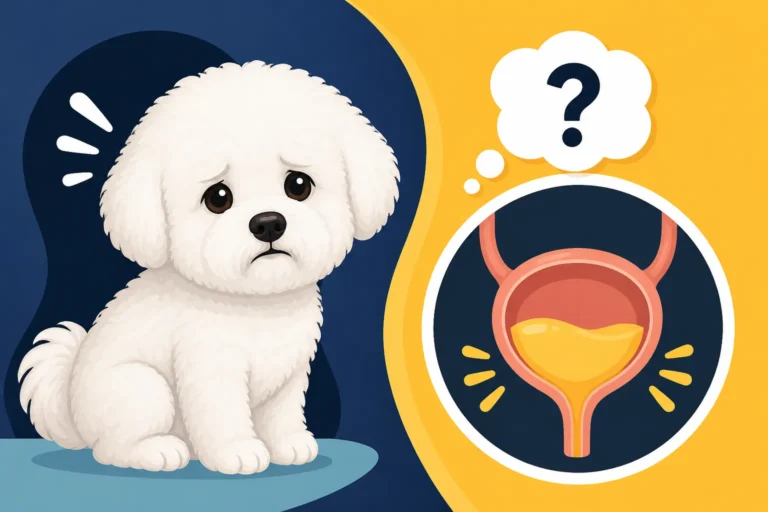
Keep a close eye on your Bichon for any signs of discomfort or changes in their urination habits. Watch for increased thirst, more frequent urination, straining to urinate, passing only small amounts of urine, or any blood in their urine. These can be The First Signs a Bichon Frise Has Stones developing or an existing stone moving, and they warrant immediate veterinary attention. Some signs, like increased drinking and urination, could also indicate other issues like Whether a Cushing's Bichon Frise Drinks Constantly, so it's always best to consult your vet.
Getting Back on Track: Reinforcing the Diet and Monitoring
After an accidental ingestion of table scraps, it’s absolutely vital to recommit to your Bichon’s prescription diet with zero deviation. This means no more "cheat" moments, no matter how small or infrequent. Reinforce the household rules and make sure everyone understands the gravity of the situation. Your vet might recommend increased water intake for a period, or suggest closer monitoring, such as more frequent urine tests. Whether a Bichon Frise Needs Urine pH Monitored is often a part of managing stone-prone dogs, and this might become even more critical after an accidental dietary breach.
Regular follow-up appointments and diagnostic tests, such as urine analysis and potentially X-rays or ultrasounds, might be necessary to ensure that no new crystals or stones are forming. Your vet might want to re-evaluate urine specific gravity and pH to ensure the diet is still achieving its intended effect. The commitment to a strict prescription diet for a stone-prone Bichon is usually for life, as discussed in The Diet a Bichon Frise Stays On for Life. An accidental slip-up isn't the end of the world, but it serves as a stark reminder of the continuous vigilance required to keep your beloved Bichon healthy and stone-free.
Disclaimer
This article is for general informational purposes only and does not constitute professional advice. Laws, prices and regulations vary by location and change over time. Consult a qualified professional for guidance on your specific situation.