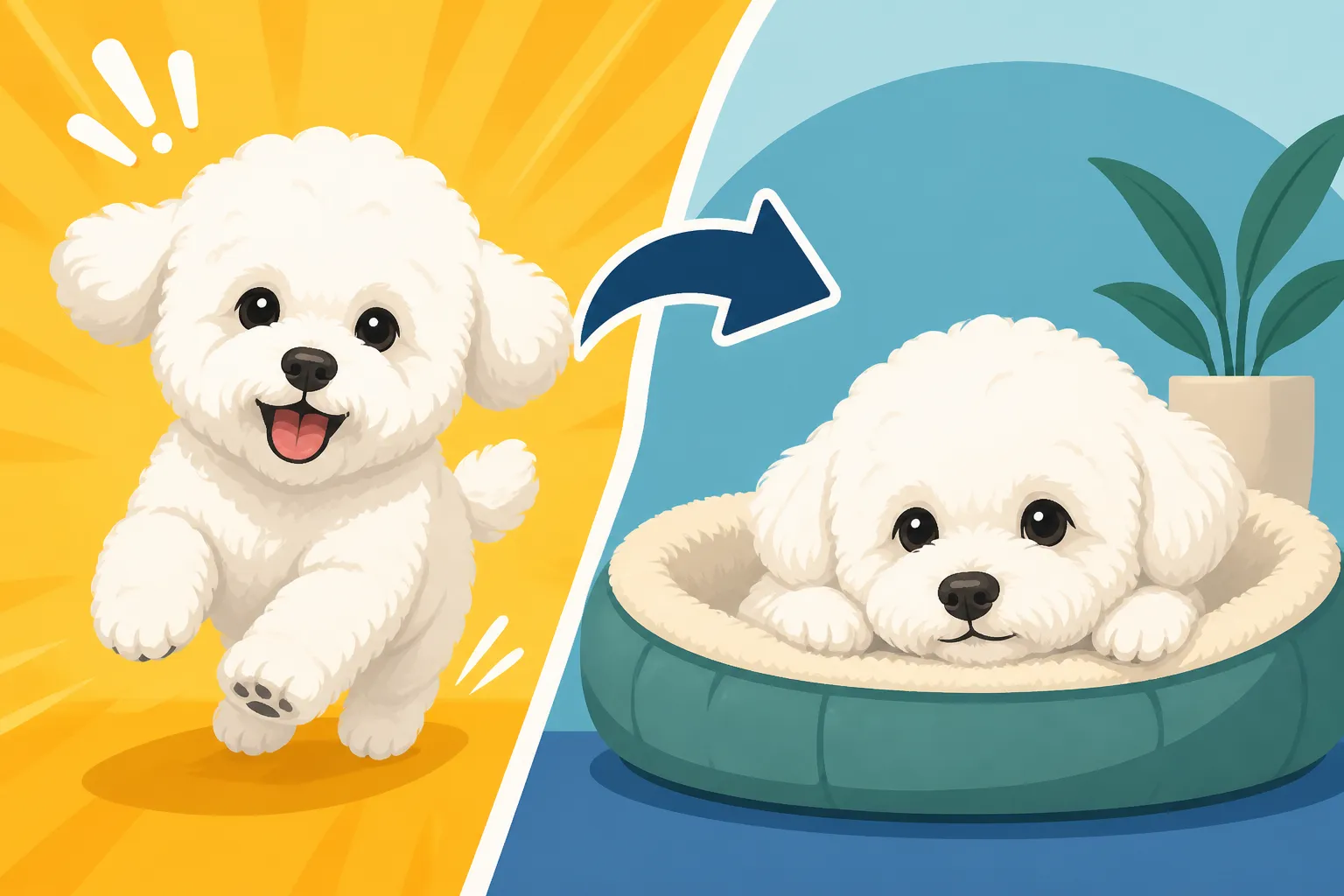
The Age a Bichon Frise Finally Calms Down
If you've recently welcomed an adorable Bichon Frise puppy into your home, you might be wondering if the energetic, fluffy whirlwind you're experiencing is a permanent fixture or if there's a light at the end of the tunnel where a calmer, more settled companion awaits. Many new Bichon owners are surprised by the sheer exuberance of these little dogs, often asking, "When will my Bichon Frise finally calm down?" It's a valid question, born from moments of endless zoomies, persistent puppy nipping, and what feels like boundless energy. This guide is here to shed some realistic light on the developmental stages of a Bichon Frise, helping you understand when to expect a shift towards a more serene demeanor and how you can actively encourage a calm, well-adjusted adult dog.
The Whirlwind Puppy Years: Expect Energy and Exploration
The early months with a Bichon Frise puppy are, without a doubt, a period of intense activity and learning. These little bundles of fluff are naturally curious, playful, and full of beans. It's easy to look at their sweet, innocent faces and underestimate the sheer amount of energy they possess, but trust me, they pack a punch!
Puppyhood (8 weeks to 6 months)
During these formative months, your Bichon Frise puppy is a sponge, absorbing everything around them, and their energy levels are often at their peak. They are exploring the world with gusto, and every new scent, sound, and sight is an adventure.
-
Zoomies and Short Bursts of Energy: You'll likely witness the famous "Bichon Blitz," or zoomies, where your pup suddenly explodes with energy, tearing around the house or yard at top speed, often with a silly grin on their face. This isn't misbehavior; it's a natural release of pent-up energy, and it's perfectly normal. These bursts are usually short-lived, followed by an equally sudden crash into a deep nap. It's crucial during this phase to provide safe outlets for this energy, whether it's supervised play in a secure yard, engaging with a flirt pole, or simply letting them decompress with a puzzle toy. Understanding The Bichon Blitz and What It Means can help you embrace these moments rather than fight them.
-
Constant Curiosity and Mouthing: Everything is a chew toy or an object to investigate with their mouth during puppyhood. This mouthing can sometimes feel relentless, as they explore textures and relieve teething discomfort. While it's cute when they're tiny, it quickly becomes less endearing as their teeth sharpen. Consistent redirection to appropriate chew toys is key. This stage is also when their bladder is small, and their minds are easily distracted, making tasks like The First Year With a Bichon Frise Puppy a demanding but rewarding journey. You might find yourself constantly cleaning up little puddles while trying to instill good habits.
-
Training Foundations are Critical: While high energy might make training seem daunting, this is precisely when foundational training is most effective. Short, positive training sessions, focusing on basic commands like "sit," "stay," and "come," can start channeling that energy into productive learning. Don't expect long periods of focus; Bichon puppies have notoriously short attention spans. But even brief, consistent efforts, perhaps guided by an online program like BAXTER & Bella, which offers lifetime support for puppy training, can make a huge difference in teaching them how to behave in the home.
Early Adolescence (6 months to 1 year)
As your Bichon Frise moves into adolescence, around six months of age, you might notice a shift in their behavior. This isn't necessarily a "calming down" phase in the traditional sense, but more of a "testing boundaries" phase. Think of them as furry teenagers.
-
Increased Independence and Selective Hearing: That adorable puppy who followed your every move might suddenly develop a mind of their own. You might find they're a little more reluctant to come when called, or they'll pretend not to hear you when they're engrossed in something interesting. This isn't defiance; it's a normal part of their development as they gain confidence and explore their independence. Consistency in training becomes even more vital here. They might be Whether a Bichon Frise Is Stubborn, but persistence from you pays off.
-
Hormonal Changes and New Behaviors: If your Bichon isn't spayed or neutered yet, hormonal changes can also influence their behavior. Intact males might start to mark territory more frequently, even indoors, and intact females will go through heat cycles, which can lead to restlessness or new anxieties. Even after spaying or neutering, the residual energy and drive to explore remains strong. Providing structured exercise, like daily walks and engaging playtime, is crucial to help them burn off steam and maintain a good routine. The answer to whether a Bichon Frise needs daily exercise is a resounding yes, even if it's just a brisk walk around the block.
-
The Importance of Mental Stimulation: Physical exercise is important, but mental exercise is just as critical for an adolescent Bichon Frise. Their intelligent minds need challenges to prevent boredom, which can often manifest as destructive behavior or excessive barking. Puzzle toys, interactive feeders you can find on Amazon, and continued training sessions can help satisfy this need. Learning How Fast a Bichon Frise Learns a New Cue during this stage can be incredibly satisfying, as their capacity for learning continues to grow.
The Journey to Maturity: When Calmness Begins to Blossom
So, when do they really start to calm down? For many Bichon Frises, the most significant shift towards a more settled demeanor typically occurs as they approach and enter full maturity.
Adulthood (1 to 3 years)
While some Bichons might start showing signs of settling by their first birthday, most truly begin to mature and calm down between one and three years of age. This is when their puppy energy starts to temper, and they become more self-possessed and less prone to impulsive bursts of activity.
-
More Predictable Energy Levels: You'll likely notice that their energy is still there – Bichons are, after all, a playful breed – but it becomes more predictable and manageable. The frantic zoomies might become less frequent, or at least shorter in duration. They'll still enjoy a good romp and daily walks, but they'll also be more content to curl up beside you for a nap or relax quietly while you're working. This means they are more likely to Whether a Bichon Frise Settles After Exercise rather than immediately seeking the next exciting thing.
-
Improved Impulse Control: As their brains fully develop, adult Bichons typically exhibit much better impulse control. This means they're less likely to jump on guests, nip playfully, or bolt out the door. Consistent training throughout puppyhood and adolescence pays off immensely here, reinforcing good manners and helping them understand boundaries. This is also when you might see a reduction in behaviors like Whether a Bichon Frise Cries When You Leave, as they develop more confidence and coping mechanisms for being alone.
-
Retaining Playfulness (But Not Hyperactivity): A calm Bichon isn't a sedate Bichon. They will usually retain their cheerful, playful spirit well into their senior years. They'll still enjoy games of fetch, chasing toys, and engaging with their family. The difference is that their playfulness is less driven by frantic, uncontrolled energy and more by a joyful, contented enthusiasm. You'll likely find that Whether a Bichon Frise Is Playful Into Old Age is a testament to their enduring youthful spirit, but with the wisdom of maturity.
Factors Influencing a Bichon Frise's Calmness
It's important to remember that every dog is an individual, and several factors can influence how quickly or effectively a Bichon Frise settles down.
-
Genetics and Individual Temperament: Just like people, some dogs are naturally more energetic or laid-back than others. A responsible breeder will often screen for temperament, aiming to produce well-adjusted puppies. If you adopted from a rescue, you might have less information about their early life, but consistent training and a stable home environment can still work wonders. The intrinsic nature of Whether a Bichon Frise Is Genuinely Cheerful means they often lean towards an optimistic, lively disposition.
-
Adequate Exercise and Mental Stimulation: This cannot be stressed enough. A bored or under-exercised Bichon Frise is far more likely to be a "hyper" Bichon Frise. Even though they are small, they need daily physical activity to burn off energy. Beyond walks, consider playtime, puzzle toys, and even short training sessions to keep their minds engaged. You can find a huge variety of interactive toys and training tools on Amazon that can make a difference. Without proper outlets, that energy will find its own (often destructive) path.
-
Consistent Training and Socialization: Early and ongoing training is paramount. It teaches your Bichon appropriate behaviors and helps them understand what's expected of them. Socialization, exposing your puppy to a variety of people, places, and other friendly dogs, builds confidence and reduces anxiety, which can sometimes manifest as hyperactivity. An undersocialized Bichon might be restless or anxious in new situations. If you're struggling, resources like BAXTER & Bella offer structured online programs that can guide you through these crucial training and socialization steps from the comfort of your home. If a Bichon is Whether an Undersocialized Bichon Frise Recovers, it often takes dedicated effort and positive reinforcement to help them thrive.
-
Diet and Health: What your Bichon eats can sometimes impact their energy levels. High-quality food provides sustained energy without causing hyperactivity. Additionally, underlying health issues or discomfort can sometimes make a dog restless or irritable. If your usually calm Bichon suddenly becomes hyper or anxious, it's always wise to consult your vet to rule out any medical causes.
-
Spaying/Neutering: While not a guarantee of a calmer dog, spaying or neutering can sometimes reduce certain hormone-driven behaviors that contribute to restlessness or high energy, such as marking or roaming instincts. It certainly helps to manage behaviors associated with intact dogs.
Age-Related Energy Levels: A General Guide
To give you a clearer picture, here's a general table outlining the typical energy levels you might expect from a Bichon Frise at various life stages:
| Age Stage | Typical Energy Level | Common Behaviors/Considerations |
|---|---|---|
| Puppy | High bursts of energy, frequent naps | Zoomies, mouthing, chewing, short attention span, high curiosity, frequent potty breaks. Needs constant supervision and redirection. |
| Adolescent | Moderate to high, testing boundaries, some restlessness | Increased independence, selective hearing, hormonal influences (if not altered), occasional destructive chewing if bored, needs consistent training and mental stimulation. |
| Adult | Moderate, more predictable and manageable | Still playful and energetic but in a more controlled way. Better impulse control, enjoys regular walks and playtime, but also content to relax. This is often when owners feel they've "calmed down." |
| Senior | Low to moderate, depending on health | Slower pace, more sleeping, may still enjoy gentle play. Needs comfortable resting spots, possibly joint supplements, shorter, more frequent walks. The Age a Bichon Frise Counts as Senior is usually around 8-10 years, and their energy will naturally wane. |
Ultimately, while the most intense puppy energy will naturally wane as your Bichon Frise matures, their inherent zest for life, playfulness, and cheerful disposition will likely remain. A "calm" Bichon isn't a sedentary one; it's a well-exercised, mentally stimulated, and consistently trained companion who understands their role in the household and is content to relax when there's no exciting adventure at hand. Investing in their training, providing ample opportunities for safe play, and understanding their developmental stages are the best ways to nurture a happy, well-adjusted dog who brings joy to your life without being a constant tornado. It's often one of those things What Nobody Warns a Bichon Frise Buyer About but it's a delightful journey all the same.
Disclaimer
This article is for general informational purposes only and does not constitute professional advice. Laws, prices and regulations vary by location and change over time. Consult a qualified professional for guidance on your specific situation.