Whether a Bichon Frise Will Toilet on a Balcony
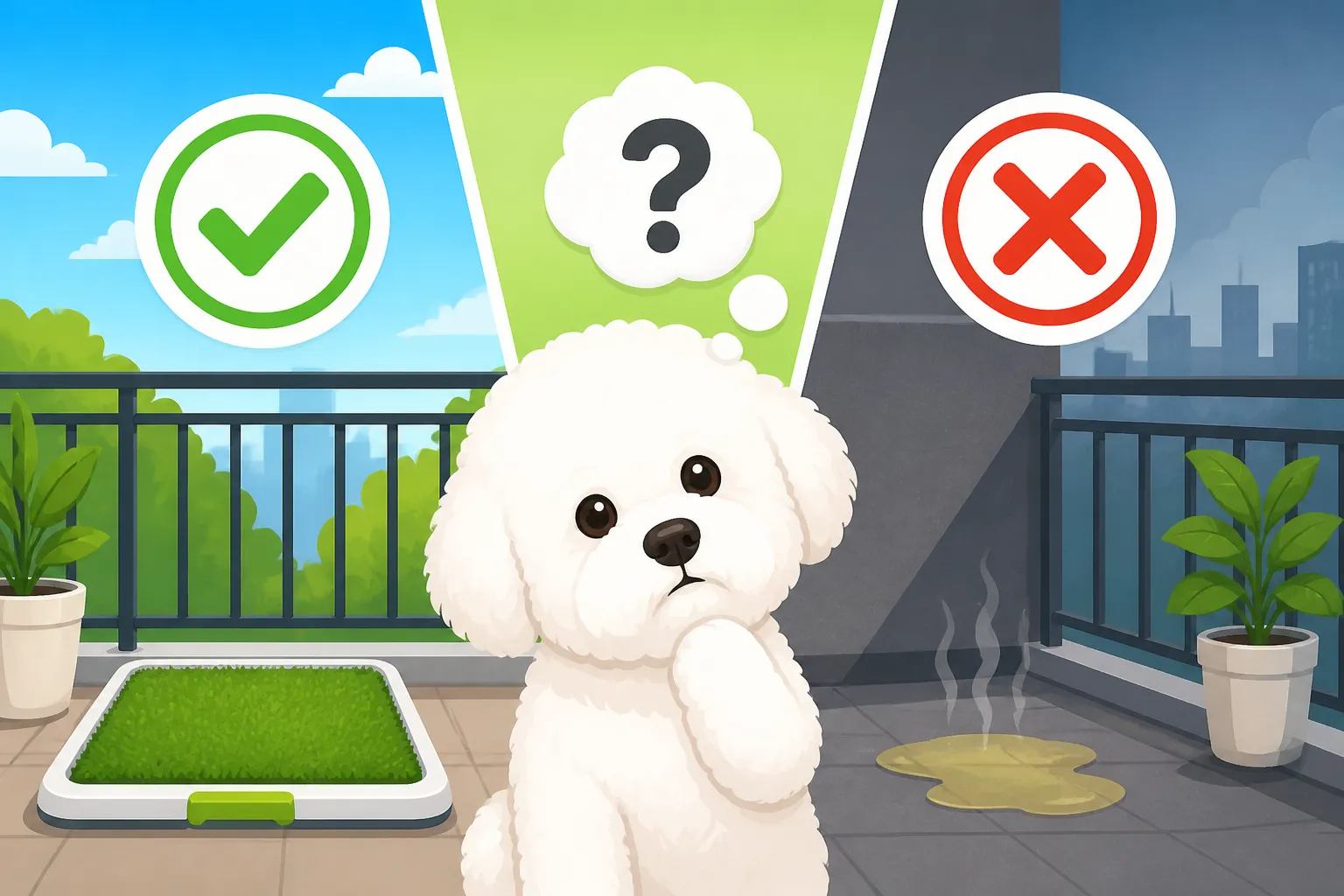
It's a familiar scenario for many apartment dwellers with a small dog, especially a Bichon Frise: you look out at your lovely balcony, then at your little fluffball, and a lightbulb goes off. Could this outdoor space be the answer to endless trips downstairs, especially when the weather is miserable or you're running late? Many Bichon Frise parents grapple with the idea of a balcony potty area, hoping to streamline their routine and provide a convenient spot for their dog to relieve itself. This guide will delve deep into the practicality, challenges, and nuances of teaching your Bichon Frise to toilet on a balcony, giving you a realistic picture of what to expect and how to approach it.
The Allure and Limitations of Balcony Potty Areas for Bichon Frises
The thought of having a designated potty spot right outside your door is incredibly appealing, especially when you consider the unique challenges of apartment living with a small breed. However, what seems like a simple solution often comes with its own set of complications that are crucial to understand before you commit.
Why the Balcony Seems Like a Perfect Solution (and Why It's Not Always)
For many Bichon Frise owners living in apartments or condos, a balcony seems like a dream come true. Imagine: no more bundling up in the pouring rain or freezing snow for a quick potty break, especially during those early morning rushes or late-night emergencies. It offers a convenient, quick-access solution that theoretically saves time and effort. You might envision a clean, compact patch of green on your balcony, providing a private and accessible toilet for your furry friend, keeping them safe from larger dogs, unknown substances, or busy streets that they might encounter on ground-level walks. It truly feels like a win-win, offering a sense of independence for your dog and ease for you.
However, the reality can quickly diverge from this ideal. While the convenience factor is undeniable, balconies present their own array of logistical and behavioral hurdles. For instance, cleaning a balcony potty area thoroughly enough to prevent odors from bothering neighbors (or yourself!) can be a constant battle. Weather, even on a balcony, still plays a role; high winds can blow around loose substrate, and extreme temperatures can make the spot uncomfortable for your Bichon. Furthermore, if the balcony becomes their only designated potty spot, it can inadvertently teach your dog that relieving themselves is only acceptable in this very specific, elevated location, making walks outside in other environments potentially problematic. This can be a real headache if you plan to travel with your dog or move to a different home without a balcony.
Specific Considerations for Bichon Frises and Balcony Training
Bichon Frises are adorable, intelligent, and famously charming, but let's be honest, they also have a reputation for being somewhat challenging when it comes to housetraining. It’s not uncommon to hear stories about how long it took to get a Bichon consistently clean indoors. This inherent difficulty, often stemming from a combination of their small bladder size and sometimes stubborn nature, means that introducing a non-traditional potty spot like a balcony requires extra patience and a very consistent approach. Why a Bichon Frise Is Famously Hard to Housetrain is a topic many owners can relate to, and adding a balcony into the mix doesn't necessarily make it easier unless handled correctly.
Their natural aversion to inclement weather is another factor. Many Bichons absolutely despise getting their delicate paws wet or cold, which is precisely why a balcony might seem appealing. If your Bichon Whether a Bichon Frise Refuses to Go Out in Rain, then a covered balcony could be a blessing. However, this preference can also mean they become too reliant on the sheltered balcony, making it even harder to convince them to go on a walk when conditions aren't perfect. Furthermore, Bichons can be prone to excitement urination or submissive peeing, especially when young or easily startled, which means any high-traffic balcony area or sudden noise could lead to an accident even in their designated spot. While their small size might make you think a little mess is easily managed, consistent balcony toileting still demands a rigorous cleaning schedule to maintain hygiene and prevent odors from becoming overwhelming for both you and your neighbors.
Setting Up a Balcony Potty Area for Success (and Managing Expectations)
If you've weighed the pros and cons and decided a balcony potty area is still something you want to try, careful planning and execution are key. It’s not enough to just put a pee pad out there; you need a system and a strategy.
Choosing the Right Potty System
The foundation of any successful balcony potty area lies in choosing the right setup. There are several options available, each with its own benefits and drawbacks for a Bichon Frise.
- Artificial Grass Patches: These are perhaps the most popular choice for balcony potties. They come in various sizes and often feature a layered system with a permeable top layer (the grass), a drainage grid, and a collection tray underneath. The artificial grass gives a more natural feel than a plain pad, which can sometimes encourage dogs, especially those who prefer grass. Brands like Fresh Patch (which offers real grass) or numerous artificial turf options available on platforms like Amazon are widely used. The key here is consistent cleaning; without it, artificial grass can quickly become a smelly bacterial haven. You’ll need to rinse the grass daily and regularly clean the collection tray with enzymatic cleaners to break down odors effectively.
- Real Grass Patches: Some companies offer subscription services for real grass patches. These are excellent because dogs are naturally drawn to real grass, and the grass itself helps to absorb odors. This can be particularly helpful for a Bichon who might be fussy about textures. The downside is the ongoing cost and the need for regular replacement, typically weekly or bi-weekly. It’s arguably the most natural option and might make the transition easier for your Bichon if they're used to outdoor grass.
- Pee Pads: Simple, disposable pee pads can be used, often placed in a tray to prevent leakage. They are readily available and easy to swap out. However, they don't offer the natural texture of grass, and some dogs might not generalize the concept of "potty on this pad" to only that pad, potentially leading to accidents on other soft surfaces indoors. For a Bichon Frise, known for being a bit particular, a plain pee pad might not be as enticing as a grass-like surface. Whether a Bichon Frise Learns to Use a Pad depends heavily on individual temperament and consistent training.
- Dog Litter Boxes: Yes, they exist! These are usually shallow trays designed for dogs, where you can use specialized dog litter or even artificial turf. They offer a contained solution, but the litter itself needs frequent scooping and changing. For a small dog like a Bichon, a litter box can be a viable option, especially if you're trying to contain messes effectively.
Consider the size of your balcony and the elements it's exposed to. A Whether a Covered Potty Area Helps a Bichon Frise is certainly a good idea to protect the spot from heavy rain and direct sun, making it more comfortable for your dog and easier to maintain.
| Potty System Type | Pros | Cons | Cleaning Frequency (Ideal) |
|---|---|---|---|
| Artificial Grass | Natural feel, reusable, various sizes | Can become very smelly if not cleaned meticulously; requires rinsing | Daily rinse, weekly deep clean |
| Real Grass (Fresh Patch) | Highly natural, odor-absorbing, appealing to dogs | Subscription cost, needs regular replacement, can attract bugs | Replace weekly/bi-weekly |
| Pee Pads | Disposable, readily available, simple | Less natural feel, can lead to indoor accidents if not consistent | Replace as soon as soiled |
| Dog Litter Box | Contained, good for fussy dogs with specific litter | Litter can be messy, requires scooping/changing | Daily scooping, weekly change |
Training Your Bichon Frise to Use the Balcony
Once your balcony potty area is set up, the real work begins: training your Bichon Frise to use it. This process isn't much different from general housetraining, but it requires specific steps to help your dog understand this new, elevated bathroom. Consistency is paramount. Just like teaching any new behavior, positive reinforcement is your best friend. Every single time your Bichon uses the balcony potty, lavish them with praise, a small, high-value treat, and perhaps a quick play session. This helps them associate the balcony spot with positive outcomes.
Start by treating the balcony potty exactly as you would an outdoor trip. Take your Bichon out there frequently, especially after waking up, after meals, and before bedtime. Use a consistent verbal cue, like "potty outside" or "balcony time," every time you go out. Stay with them until they relieve themselves. If they don't go within a few minutes, bring them back inside and try again shortly, keeping them on a leash or in a confined space to prevent accidents indoors. Over time, your Bichon should start to associate the cue and the routine with the act of going to the bathroom in that specific spot.
One of the biggest hurdles is generalizing the concept. Your Bichon needs to understand that the balcony is the place, not just a place. If they are also going for walks, ensure they understand that outside-outside is also a potty zone, but that the balcony serves a similar purpose. For those seeking structured guidance, online dog training platforms like BAXTER & Bella offer comprehensive resources that can be incredibly helpful for housetraining challenges, including those involving unique setups like balcony potties. Their step-by-step approach to positive reinforcement can make a significant difference in how quickly your Bichon catches on. Remember that setbacks are common, especially with a breed known for its housetraining quirks. Don't get discouraged if there are accidents indoors; simply clean thoroughly with an enzymatic cleaner and redouble your efforts with the balcony routine.
Addressing the Downsides and Alternatives to Balcony Toileting
While a balcony potty can offer undeniable convenience, it's crucial to acknowledge and proactively manage its potential drawbacks. Ignoring these can lead to bigger problems for both you and your beloved Bichon Frise.
The Hygiene and Odor Dilemma
This is perhaps the biggest and most common challenge with balcony potty areas. Even with the best intentions and most diligent cleaning, a spot where urine and feces are regularly deposited will generate odor, especially in warmer weather. This isn't just unpleasant for you; it can become a nuisance for your neighbors, potentially leading to complaints from adjacent apartments. Ammonia from urine can accumulate quickly, and if not properly cleaned, the smell can permeate not just your balcony, but also drift into your living space.
To combat this, a rigorous cleaning schedule is non-negotiable. For artificial grass patches, this means a daily rinse with water and a regular dousing with pet-specific enzymatic cleaners, followed by a deeper scrub down weekly. These cleaners don't just mask odors; they break down the organic matter that causes the smell. For pee pads, immediate disposal is key. You might also want to invest in a small, sealed garbage can specifically for waste to prevent odors from lingering. Remember that urine can soak into the balcony surface itself, especially if it's porous, so frequent cleaning of the actual balcony floor beneath the potty system is also vital. Consider using a weather-resistant mat underneath your chosen potty system to protect the balcony floor from direct contact and simplify cleaning.
Is it a Long-Term Solution? (and the Importance of Outdoor Walks)
While a balcony potty can be a fantastic emergency option or a bridge during initial housetraining, relying on it as the sole or primary potty solution for your Bichon Frise in the long term often has significant drawbacks. Dogs, especially active and intelligent breeds like Bichons, need more than just a place to relieve themselves. They thrive on exploration, mental stimulation, and physical exercise that comes from regular walks. Walks aren't just for potty breaks; they are vital for your dog's mental well-being, providing opportunities to sniff new smells, see different sights, and interact (even if from a distance) with the world beyond your apartment.
If your Bichon becomes accustomed to only using the balcony, they might miss out on crucial socialization opportunities. They may become less confident on walks, or even resist going out entirely if the weather isn't perfect, as they know they have a "safe" option back home. This can inadvertently create a dog who is less adaptable and more anxious when faced with new environments. While it might seem convenient now, think about how this impacts your Bichon's quality of life and future adaptability. The Toilet Routine That Finally Works on a Bichon Frise often involves consistent outdoor trips, building positive associations with the wider world. Even if you use a balcony potty, regular walks, even short ones, remain crucial for their overall health and happiness. For a young puppy, understanding How Long a Bichon Frise Puppy Holds It Overnight can inform a rigorous schedule of frequent trips both to the balcony and outdoors.
Bladder Health and Balcony Use
For a Bichon Frise, bladder health is a particularly important consideration due to their breed's predisposition to certain urinary issues. Bichons are known to be at a higher risk for developing bladder stones, especially calcium oxalate stones. One of the key preventative measures against stone formation is encouraging frequent urination, which helps to flush the urinary tract and prevents minerals from concentrating and crystallizing in the bladder. This means that a Bichon needs ample opportunities to empty their bladder throughout the day. Whether Every Bichon Frise Gets Bladder Stones is not a certainty, but the risk is significant enough to warrant careful management.
If a balcony potty system leads to less frequent urination or holding urine for longer periods – perhaps because your Bichon only goes out there when you take them, rather than signaling their need – it could potentially increase their risk. Whether Holding Urine Raises a Bichon Frise's Risk is a serious concern for Bichons. Encouraging Whether Frequent Urination Protects a Bichon Frise through a consistent schedule of multiple outdoor walks and immediate access to a balcony potty (if used as a supplement) is crucial. A smaller dog like a Bichon Frise already has a Whether a Bichon Frise's Small Bladder Is the Problem in terms of capacity, so maximizing opportunities for them to relieve themselves is vital for their long-term health. While the balcony offers a convenient spot, ensure it doesn't inadvertently lead to your Bichon holding it longer than they should.
In conclusion, while a balcony can offer a temporary or supplementary potty solution for a Bichon Frise, it's rarely an ideal long-term replacement for regular outdoor walks and proper housetraining. It demands rigorous cleaning, mindful training, and a clear understanding of your Bichon's health and behavioral needs.
Disclaimer
This article is for general informational purposes only and does not constitute professional advice. Laws, prices and regulations vary by location and change over time. Consult a qualified professional for guidance on your specific situation.