Which Shampoo Keeps a Bichon Frise White
The pristine, fluffy white coat of a Bichon Frise is undeniably one of their most charming features, but any Bichon parent knows the constant battle to keep it that way. From tear stains to muddy paws, maintaining that dazzling white can feel like a full-time job. This guide is here to walk you through the world of whitening shampoos and comprehensive care strategies, so you can achieve and maintain that truly bright, healthy coat your Bichon deserves.
The Challenge of Keeping a Bichon Frise Sparkling White
Oh, the glamour of a freshly bathed Bichon! They look like a little cloud, don't they? But that dazzling white is often fleeting, quickly giving way to a more "ecru" or even outright dingy shade. It's not just dirt from the park; there are so many factors at play that can turn that brilliant white into something less than pristine. It's a common frustration for Bichon owners, and you're certainly not alone in feeling like you're constantly chasing that elusive pure white.
Why Bichon Frise Coats Get Discolored
Unlike some breeds with coarser, dirt-shedding coats, the Bichon Frise possesses a unique double coat that, while minimal shedding and often lauded as "hypoallergenic," is incredibly adept at holding onto grime. Their soft, dense undercoat and curly outer coat act almost like a magnet and a sponge, trapping dirt, dust, and environmental pollutants deep within the strands. This isn't just surface-level dust; it gets right down to the hair shaft, making it challenging to wash out with just any old shampoo. The very structure that gives them their plush, cloud-like appearance also makes them particularly prone to discoloration.
Moreover, the fine texture of their hair can absorb oils and moisture easily, which then attract more dirt particles, creating a cycle of dullness. Think about how human white clothing picks up every little mark – a Bichon's coat is similar, but they roll around in grass, investigate interesting smells with their faces, and have no qualms about splashing in puddles. Their coat is a canvas, and the world is constantly trying to paint it grey or yellow!
Common Culprits Behind Stains and Yellowing
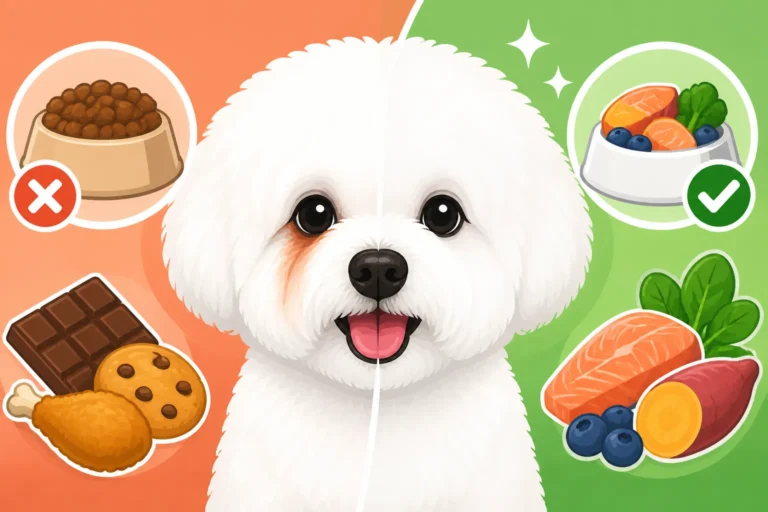
It's not always obvious why your Bichon's coat isn't as white as it could be. Beyond the obvious mud, there are several common culprits that contribute to the frustrating yellowing and staining we often see. One of the most prevalent is tear staining, those reddish-brown streaks that appear under their eyes. These aren't just cosmetic; they're caused by porphyrins in their tears, which contain iron and turn reddish-brown when exposed to light and air. Similarly, saliva around the muzzle and paws can cause brown or reddish discoloration due to the same compounds. If your Bichon is a licker or has an itchy spot they frequently mouth, you might notice those areas turning a tell-tale ruddy shade. You can learn more about Whether a Bichon Frise's Tear Ducts Block as a potential cause for excess tearing.
Environmental factors play a huge role too. Everyday exposure to sunlight can actually oxidize the hair shaft, leading to a yellowed appearance, much like how white fabric can yellow over time in storage. Even the minerals in your tap water can build up on the coat, leaving a dull, yellowish film. Consider, too, what they roll in or brush against outdoors – pollen, dust, grass, and even certain plant saps can all contribute to staining. Lastly, urine staining, particularly around the hindquarters or if your Bichon tends to squat low, can be a significant issue, leaving a distinct yellowish tint.
The Frustration of a Dingy White Coat
Let's be honest, it can be incredibly frustrating to spend time bathing and grooming your Bichon, only for their coat to still look a little… off-white. You want your fluffy companion to look their best, not like they've been dragged through a dusty antique shop. It's not just about aesthetics either; a dull or stained coat can sometimes mask underlying skin issues, or make you feel like you're not doing enough for your beloved pet. The constant vigilance, the extra brushing, the specific products – it all adds up, and when the results aren't what you hoped for, it's easy to feel defeated.
Many Bichon owners feel a pressure to keep their dogs looking pristine, especially given the breed's reputation for its immaculate white coat. This can lead to endless cycles of bathing, trying new products, and still not quite hitting that ideal snowy white. The good news is, with the right approach and understanding, achieving and maintaining that brilliant white is entirely possible. It's about consistency, the right tools, and knowing what to look for, rather than just scrubbing harder.
Understanding Whitening Shampoos for Bichon Frises
When you walk down the pet shampoo aisle or browse online, the sheer number of "whitening" shampoos can be overwhelming. It's easy to grab the first one you see, but understanding how these products actually work – and what to avoid – is key to choosing the best option for your Bichon's delicate coat and skin. They aren't all created equal, and some can even do more harm than good if not used properly.
How Whitening Shampoos Actually Work
It's a common misconception that whitening shampoos bleach your dog's coat. In reality, most high-quality whitening shampoos designed for pets do not contain harsh bleaching agents like hydrogen peroxide, which can be damaging to the hair and irritating to the skin. Instead, they typically work in one of a few ways:
- Optical Brighteners: These ingredients, often appearing as "fluorescent brighteners" or similar on ingredient lists, don't remove stains but rather reflect light, making the coat appear brighter and whiter to the eye. They absorb ultraviolet light and re-emit it as visible blue light, counteracting yellow tones and making the coat look whiter.
- Blue/Purple Pigments: Many whitening shampoos, especially those marketed for "brightening," contain blue or purple pigments. Think of it like toning brassiness out of blonde hair; blue/purple pigments neutralize yellow tones on the color wheel. These pigments deposit a tiny amount of color onto the hair shaft, canceling out any yellow or cream discoloration and making the white appear crisper.
- Deep Cleaning Agents: Some shampoos rely on powerful but gentle cleansing agents to thoroughly strip away dirt, grime, and mineral deposits that dull the coat. By removing these buildup layers, the natural white of the hair is revealed. These often incorporate chelating agents that bind to minerals in hard water, preventing them from redepositing on the coat.
The best whitening shampoos often combine a few of these methods to achieve their results safely and effectively. The goal is to enhance the natural white without resorting to harsh chemicals that could damage the delicate Bichon coat or irritate their sensitive skin.
Types of Whitening Agents to Look For
When you're scrutinizing shampoo labels, certain ingredients indicate a good whitening formula suitable for a Bichon. Look for shampoos that list optical brighteners (sometimes vaguely described as "brightening agents"). These are generally safe for regular use and provide that immediate visual pop. Another excellent choice is anything containing blue or purple tinting agents, such as methylene blue or even natural extracts that impart a blue hue. These are particularly effective at combating yellowing.
Beyond these specific whitening components, also pay attention to the base of the shampoo. Ingredients like coconut-based cleansers or oatmeal extracts suggest a gentle yet effective cleaning power that won't strip the coat of its natural oils or irritate the skin. Ingredients such as citric acid can also act as natural chelators, helping to remove mineral buildup from hard water without harshness. Always prioritize formulations that are specifically designed for dogs and, ideally, for white or light-colored coats, as they'll have the correct pH balance and appropriate strength of whitening agents. Many owners find effective options available on platforms like Chewy or Amazon, allowing you to compare ingredients and reviews.
What to Avoid in a Whitening Shampoo
Just as important as knowing what to look for is understanding what to steer clear of. First and foremost, avoid any shampoo that explicitly states or implies it uses bleach, hydrogen peroxide, or harsh chemical lighteners. These can severely damage your Bichon's delicate hair, making it brittle, and can cause painful skin irritation or chemical burns, especially if it gets into their eyes. A Bichon's skin can be quite sensitive, and products meant for human hair are absolutely out of the question due to different pH levels and stronger chemicals.
Secondly, be wary of shampoos with a strong, artificial fragrance. While a pleasant smell is nice, strong perfumes can be irritants for dogs, particularly those with sensitive skin or allergies. Which Shampoo Suits an Itchy Bichon Frise often means avoiding unnecessary additives. Look for shampoos with natural, mild scents or those labeled as "fragrance-free." Finally, try to avoid products with excessive sulfates (like Sodium Lauryl Sulfate or Sodium Laureth Sulfate) as the primary cleansing agent. While they create a rich lather, they can be overly stripping for some dogs, leading to dry skin and a dull coat over time. Opt for milder, naturally derived cleansing agents when possible.
Selecting the Best Whitening Shampoo for Your Bichon Frise
Choosing the right shampoo isn't just about finding something that says "whitening" on the bottle. It's about finding the perfect match for your individual Bichon, taking into account their unique coat and any potential skin sensitivities. A little research now can save a lot of discomfort and disappointment later.
Key Ingredients for Brightening and Cleaning
When selecting a whitening shampoo, you're looking for a powerful combination of brightening agents and gentle cleansers that won't irritate your Bichon's skin. As we discussed, optical brighteners are excellent for making the coat appear whiter by reflecting light. Ingredients like blueing agents (often derived from natural sources or gentle dyes) help to counteract yellowing by depositing a subtle blue tint that visually neutralizes warmer tones. These are typically listed in the ingredients, though sometimes under less obvious chemical names.
Beyond the whitening agents, the effectiveness of a shampoo also hinges on its cleaning power. Look for mild, naturally derived surfactants like those from coconut oil or palm kernel oil, which create lather and lift dirt without stripping the skin. Ingredients such as oatmeal extract, aloe vera, and vitamin E are fantastic additions because they soothe the skin and condition the coat, preventing dryness and irritation that can sometimes be exacerbated by frequent bathing. Always aim for a balanced formula that cleans thoroughly, brightens effectively, and nurtures the skin and coat.
Considering Your Dog's Skin Sensitivity
Bichon Frises, unfortunately, can be prone to sensitive skin and allergies. This means choosing a shampoo isn't just about getting the coat white, but also ensuring it doesn't cause itching, redness, or dryness. If your Bichon has a history of skin issues, look for shampoos specifically labeled "hypoallergenic," "for sensitive skin," or "tearless." These formulations typically omit common irritants like harsh sulfates, artificial dyes, and strong fragrances. They also often include soothing ingredients like colloidal oatmeal, chamomile, or essential fatty acids.
It’s always a good idea to do a patch test if you're trying a new product, especially if your Bichon has known sensitivities. Apply a small amount to a discreet area, like behind the ear or on the belly, and rinse. Wait 24-48 hours to check for any adverse reactions before using it for a full bath. If your Bichon is already on a special diet for allergies or has chronic skin conditions, discuss new grooming products with your veterinarian or a professional groomer. Remember, a healthy coat starts with healthy skin. You might also want to read What Atopic Dermatitis Does to a Bichon Frise for more insights into skin sensitivities.
Reading Labels and Reviews
Navigating the world of pet shampoos can be a bit like deciphering a secret code, but paying close attention to labels and reviews can provide invaluable guidance. Don't just look at the marketing claims; dive into the ingredient list. Prioritize transparency – brands that clearly list their ingredients are generally more trustworthy. Look for phrases like "pH balanced for dogs," "soap-free," "paraben-free," and "dye-free" if your Bichon has sensitive skin. While "natural" doesn't always mean "safe," shampoos with a high percentage of naturally derived ingredients can often be a good starting point.
Online reviews, particularly on reputable pet supply sites like Chewy or Amazon, are a goldmine of real-world experiences. Pay attention to reviews from other Bichon Frise owners or owners of similar white-coated breeds. Look for comments that specifically address effectiveness on yellowing or staining, gentleness on the skin, and scent. However, always take reviews with a grain of salt, as every dog is different. What works wonders for one Bichon might not be suitable for another. Use reviews as a guide, but trust your judgment and your veterinarian's advice first.
| Whitening Agent Type | How It Works | Pros | Cons | Best For |
|---|---|---|---|---|
| Optical Brighteners | Reflects blue light, making yellow appear white | Immediate visual brightening, no color deposit | Can build up over time, less effective on heavy stains | Mild yellowing, maintaining bright white |
| Blue/Purple Pigments | Deposits subtle blue/purple tint to neutralize yellow | Highly effective on yellow tones, noticeable results | Can leave a slight blue tint if overused or not rinsed well | Moderate to strong yellowing, maintaining cool tones |
| Deep Cleansing Agents | Removes dirt, grime, and mineral buildup to reveal natural white | Excellent for overall cleanliness, improves coat texture | May not address inherent yellowing if coat is clean | General dullness, hard water stains, dirty coats |
| Enzymatic/Natural Whiteners | Breaks down organic stains (e.g., tear, saliva) | Gentle, good for sensitive skin, targets specific stains | Slower results, might need regular application | Tear/saliva stains, sensitive skin, regular maintenance |
The Bathing Process for Maximum Whiteness
Achieving that show-stopping white coat isn't just about the shampoo; it's also about the technique. A thorough, careful bathing process can make all the difference in how effectively your whitening shampoo works and how long that brightness lasts. Don't rush this vital step!
Pre-Bath Preparation and Dematting
Before your Bichon even goes near the water, proper preparation is absolutely crucial. Never, ever bathe a matted Bichon Frise. Water will only tighten mats, making them impossible to remove without resorting to shaving, and potentially causing skin irritation. Start with a thorough brushing session to remove any loose hair, tangles, and small mats. Use a slicker brush to get down to the skin, followed by a metal comb to ensure all tangles are out. Pay special attention to areas prone to matting, like behind the ears, armpits, and under the tail. How Long Brushing a Bichon Frise Takes can vary, but it's time well spent.
This pre-bath brushing not only prevents matting but also helps to loosen dirt and debris, making the shampoo more effective. It also allows you to check for any skin abnormalities or sores that might be irritated by shampoo. If you find extensive matting, it's best to address it with a professional groomer before bathing. Trimming nails and cleaning ears (if needed) before the bath can also make the entire process smoother and more comfortable for your dog.
Proper Application and Rinsing Techniques
Once your Bichon is thoroughly brushed, it's time for the bath. Use lukewarm water – not too hot, not too cold – to thoroughly wet their entire coat. Apply the whitening shampoo, starting from the neck and working your way down to the tail, paying special attention to stained areas like the muzzle, paws, and hindquarters. Gently massage the shampoo deep into the coat, ensuring it reaches the skin. Let the shampoo sit for the recommended time on the bottle (usually 5-10 minutes) to allow the whitening agents to do their work. For stubborn stains, you might want to gently work the shampoo in with a soft brush, like a facial scrubber designed for pets, or a cotton pad on affected areas.
Rinsing is just as critical as application, if not more so. Residue from shampoo can cause skin irritation, attract dirt faster, and dull the coat. Rinse, rinse, and then rinse again! Use lukewarm water and continue rinsing until the water runs completely clear and you can't feel any slickness on the coat. Imagine your Bichon is wearing a tiny, invisible shampoo suit – you want to rinse every last bit of it off. For especially thick coats, it helps to squeeze excess water from sections of the coat as you rinse. You can tell you’ve rinsed enough when the coat feels squeaky clean between your fingers.
Drying for a Fluffy, White Finish
The drying process is where you truly lock in that pristine white and achieve the iconic "powder puff" look of a Bichon Frise. First, gently squeeze excess water from the coat and blot with a super-absorbent towel. Avoid rubbing vigorously, as this can tangle the coat and contribute to matting. Then, it's time for the blow dryer. A high-velocity pet dryer is ideal as it quickly removes water and helps to straighten and fluff the coat, but a human blow dryer on a cool or low-heat setting can also work. Always keep the dryer moving and never direct hot air at one spot for too long to prevent skin burns.
As you dry, use your slicker brush and comb to brush through the coat, section by section, ensuring it's completely dry right down to the skin. This "line brushing" technique helps to separate each strand of hair, allowing the air to reach every part of the coat and preventing curl-induced matting as it dries. Brushing while drying also helps to fluff up the coat, giving it volume and enhancing that clean, white appearance. A damp coat is a magnet for dirt and can quickly become a matted mess, so be patient and thorough. The goal is a fluffy, bright white cloud. Many professional groomers use this precise technique to achieve The Powder Puff Outline a Bichon Frise Is Scissored Into.
Beyond Shampoo: Maintaining Whiteness Daily
While a good whitening shampoo is essential, true, lasting whiteness is a daily commitment. It involves vigilance, routine care, and sometimes, a little adjustment to their environment and even their diet. Think of it as a holistic approach to keeping your Bichon looking their absolute best.
Addressing Tear, Saliva, and Urine Stains
Daily attention to common staining areas is paramount for a Bichon. For tear stains, consistent daily wiping with a damp cloth or a specialized tear stain wipe can make a huge difference. You can also use a small amount of cornstarch or specific tear stain powder to help absorb moisture and prevent new stains from setting. Remember, always be gentle around the delicate eye area. For saliva stains around the mouth and on the paws, frequent wiping, especially after meals or excessive licking, is key. If your Bichon is persistently licking their paws, investigate the cause – it could be allergies or irritation that needs veterinary attention. Whether a Bichon Frise Licks Its Paws Raw could be a sign of a deeper issue.
For urine stains, particularly around the private areas or on the hind legs, ensure your Bichon is groomed with a neat "sanitary trim." This keeps the hair short in those areas, minimizing contact with urine. After every potty break, especially for female Bichons, a quick wipe with a pet-safe grooming wipe or even just a damp cloth can prevent staining from setting in. This daily routine, while seemingly minor, adds up to a significant impact on overall coat cleanliness and whiteness. That daily wiping keeps a Bichon Frise clean is definitely true for these localized areas.
Environmental Factors and Their Impact
Your Bichon's environment plays a much larger role in coat whiteness than you might realize. Simply put, a cleaner environment means a cleaner dog. Regularly vacuuming and cleaning floors, especially carpets and dog beds, can reduce the amount of dust, dirt, and allergens your Bichon's coat picks up. Consider washable dog beds and blankets that can be laundered frequently to prevent the transfer of dirt and oils back onto the coat.
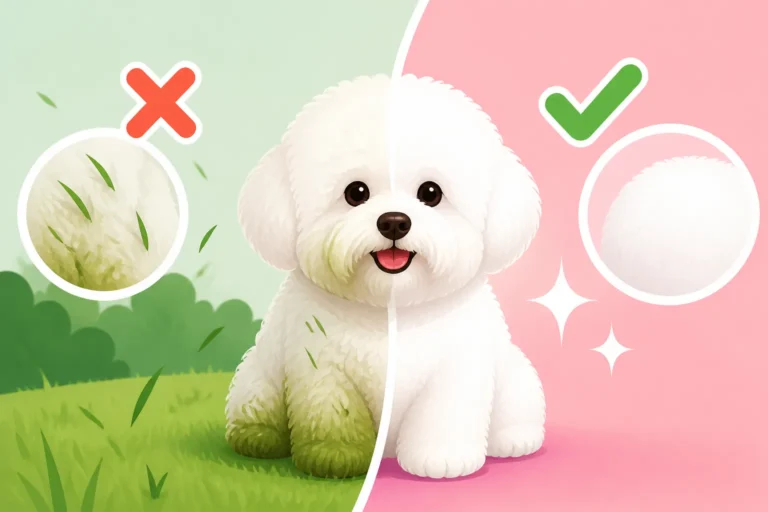
Outdoor exposure also needs consideration. While regular walks are vital for their health, try to avoid overly muddy areas or playing in tall, damp grass, which can quickly stain and tangle the coat. If your Bichon loves to roll in the grass, a quick rinse of their paws and belly with plain water after outdoor adventures can prevent green stains and dirt from drying into the coat. If you have hard water, which can leave mineral deposits, consider installing a shower filter for your dog's bathing area. These small changes in their daily environment can significantly reduce the amount of staining and dullness your Bichon experiences between baths.
Dietary Considerations for Coat Health
Believe it or not, what your Bichon eats can impact the whiteness and overall health of their coat. A high-quality, balanced diet rich in essential fatty acids (like Omega-3 and Omega-6) can contribute to a healthier skin barrier and a stronger, shinier coat that is less prone to dryness and breakage. A healthy coat is less likely to absorb stains and appears naturally brighter. Some owners find that certain ingredients in lower-quality foods can contribute to tear staining, though this is anecdotal and varies greatly by individual dog.
If your Bichon has persistent tear or saliva staining, some owners experiment with filtered water or changing specific food proteins, under veterinary guidance. While a direct link to coat whiteness isn't always clear-cut, an optimally healthy dog generally has an optimally healthy coat. Brands like Ollie focus on fresh, high-quality ingredients that can support overall canine health, which in turn reflects in their coat condition. Consult your vet to ensure your Bichon's diet is providing all the necessary nutrients for their skin and coat health, especially if they are on a specialized diet like The Prescription Diet a Bichon Frise Never Comes Off for bladder stones.
When to Consult a Professional Groomer or Vet
Sometimes, despite all your best efforts, you might encounter issues that are beyond the scope of a home bath. Knowing when to call in the experts – your veterinarian or a professional groomer – is crucial for your Bichon's health and coat condition.
Persistent Stains and Skin Issues
If you've tried various whitening shampoos, religiously cleaned your Bichon's face and paws, and their coat still has persistent yellowing, redness, or brown stains that don't seem to budge, it might be time for a professional assessment. Stubborn staining could indicate an underlying medical issue, especially if accompanied by other symptoms like itching, redness, or a foul odor. For instance, excessive tear staining might be due to blocked tear ducts, allergies, or an eye infection that needs veterinary attention. Similarly, constant licking leading to saliva stains could signal allergies, pain, or anxiety.
A veterinarian can help diagnose and treat these underlying health concerns. They might recommend specific diagnostic tests for allergies, check for eye issues, or prescribe medication to manage skin infections. Addressing the root cause is often the most effective way to eliminate persistent staining. A professional groomer can also offer insight, as they see many Bichons and can identify coat issues that might be unusual. If your Bichon's skin is constantly irritated or dry, a medicated shampoo prescribed by your vet, or a specialized product recommended by a dermatology vet, might be necessary.
Grooming as a Regular Maintenance Strategy
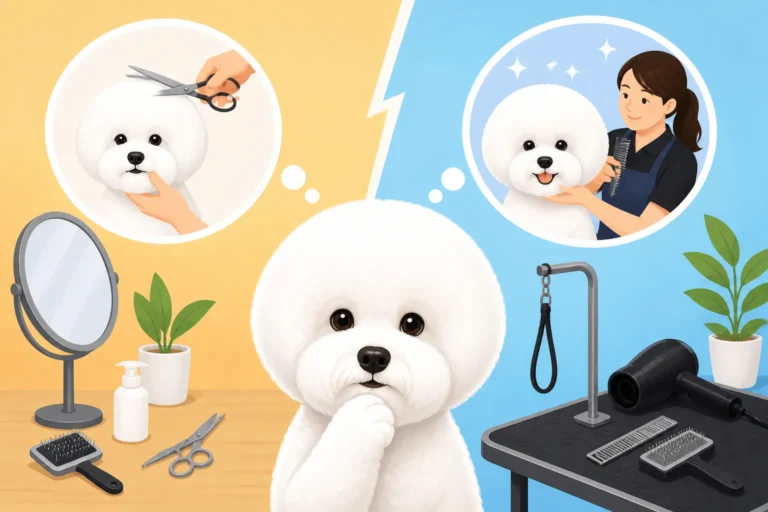
Even if you're committed to home grooming, incorporating regular professional grooming sessions into your Bichon's routine can be incredibly beneficial for maintaining their pristine white coat. Professional groomers have access to specialized equipment, such as high-velocity dryers and professional-grade shampoos, that can achieve a level of cleanliness and fluffiness that's hard to replicate at home. They're also skilled in using techniques like line brushing and proper scissoring to ensure the coat is thoroughly clean, dry, and perfectly shaped. What a Full Bichon Frise Groom Costs is an investment in their overall well-being.
A groomer can also tackle those tricky areas like sanitary trims, paw pads, and ear hair, which all contribute to overall cleanliness and help prevent staining and matting. They can offer advice on maintaining the coat between visits and alert you to any skin or coat issues they notice. For a breed like the Bichon Frise, which requires a specific "powder puff" trim to look its best, professional grooming every 4-6 weeks is often recommended. This consistent maintenance not only keeps them looking fabulous but also helps to prevent more serious coat and skin problems down the line. It's truly a partnership in keeping your beloved Bichon sparkling.
Disclaimer
This article is for general informational purposes only and does not constitute professional advice. Laws, prices and regulations vary by location and change over time. Consult a qualified professional for guidance on your specific situation.