Whether a Bichon Frise Yellows With Age
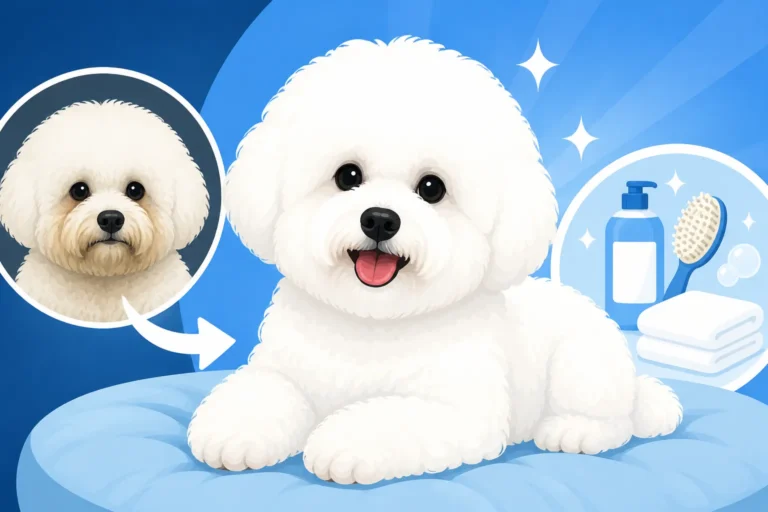
If you're a Bichon Frise owner, you know the joy of that pristine, cloud-like white coat. It's one of their most defining features! But then, almost imperceptibly, you might start noticing a subtle yellowing, especially as they get a little older. It can be a real frustration, making your once-snowy companion look a bit dull or dingy, and it leaves you wondering if it's just a natural part of aging or if you're missing something crucial in their care. This guide is here to shed light on why Bichon Frises can develop yellowing with age and what steps you can take to keep their coat as brilliant as possible for as long as possible.
The Inevitable Yellowing: Why Your Bichon Frise's Pristine White Isn't Forever
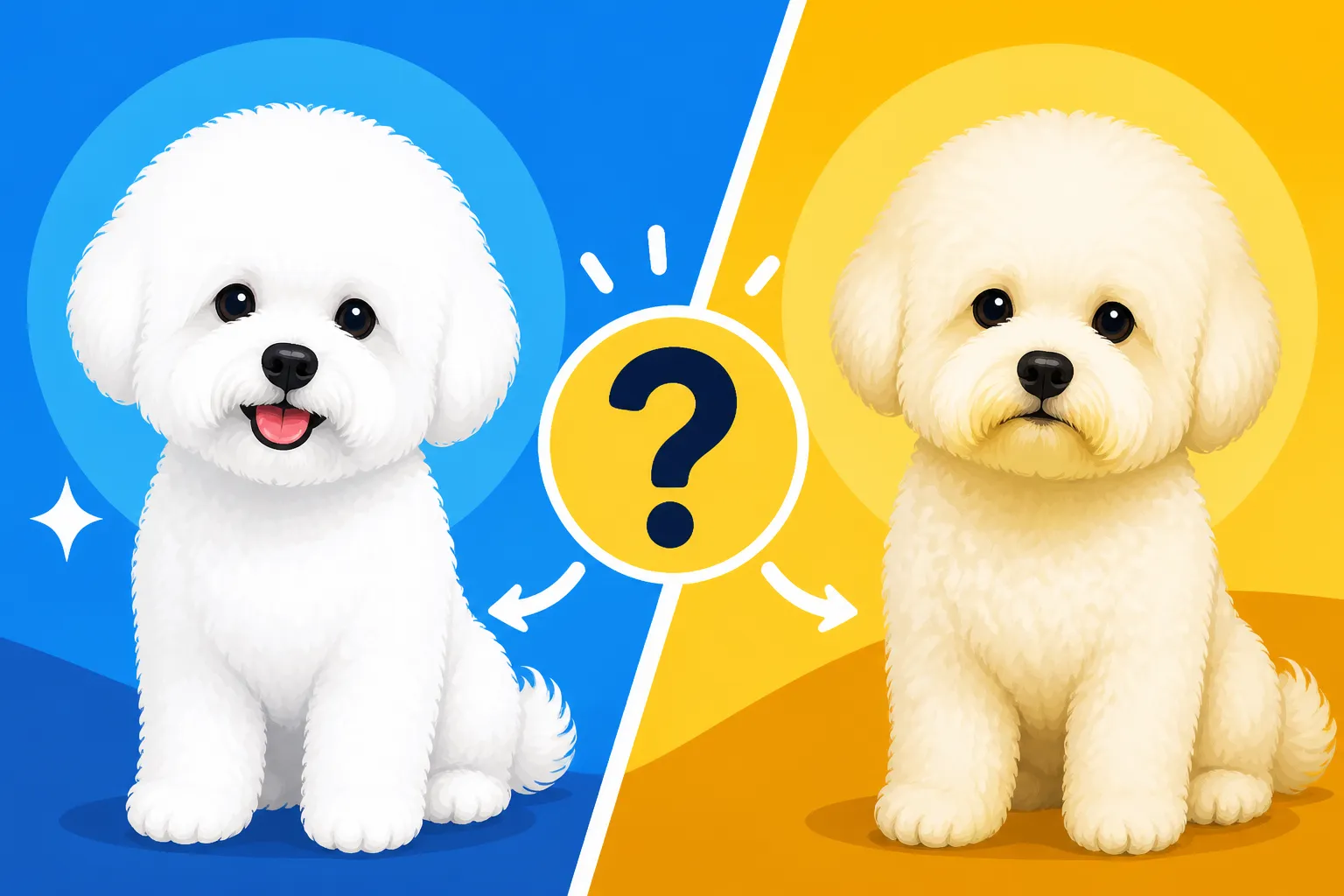
Let's face it, no matter how diligent you are with grooming and care, a Bichon Frise's coat often changes over time. That dazzling white, which seems almost too perfect, can start to take on a creamier, or even decidedly yellow, hue as the years go by. It's a common concern among owners, and it's certainly not a reflection of poor care on your part. Understanding why this happens is the first step in managing it and accepting the natural progression of your dog's coat.
Understanding the Bichon Frise Coat and Its Vulnerability
The Bichon Frise boasts a unique double coat, designed to protect them in various climates. They have a soft, dense undercoat and a coarser, curly outer coat that gives them their signature "powder puff" appearance. This combination of textures, and the fact that they don't shed in the traditional sense – rather, their loose hair gets caught in the curls – contributes to their hypoallergenic reputation. However, this very structure also makes their coat a magnet for environmental contaminants and a canvas for internal changes to show through.
Think about it: that brilliant white is just begging to absorb anything it comes into contact with. Just like a white carpet shows every speck of dirt, a Bichon's coat acts as a living record of their adventures and even their internal health. The individual hair shafts themselves are porous, and over time, they can pick up pigments from the environment, from their own bodily secretions, or even from changes happening within their system. This isn't just surface-level grime; it can be a deeper staining of the hair shaft that makes the whole coat appear less vibrant. It’s also why keeping a Bichon Frise's coat truly white is a continuous effort, much like you'd maintain a delicate white garment.
Common Culprits Behind the Yellowing Phenomenon
So, what exactly turns that snowy white to a creamy yellow? There are several key factors, and it's often a combination of them. One of the most common and often overlooked is simple oxidation. Just like how an apple turns brown when exposed to air, the hair shaft, especially if it's been exposed to sunlight, certain chemicals, or even just the natural oils from your dog's skin, can undergo a chemical reaction that results in a yellowish tint. This isn't usually a dramatic change overnight but a gradual shift that builds up over months and years.
Another huge factor, especially in areas like the muzzle, paws, and hindquarters, is staining from bodily fluids. Saliva, urine, and tears are notorious for causing reddish-brown or yellowish stains. As your Bichon ages, they might drool a bit more, or have a few more "accidents" that lead to urine staining, or even suffer from increased tear production or tear duct blockages. This can leave a very visible mark on their otherwise immaculate coat. The Tear Stains Under a Bichon Frise's Eyes are a prime example of this, but it extends to other areas as well. Moreover, natural oils from the skin, while essential for coat health, can also impart a yellowish cast, particularly if your dog isn't bathed regularly enough to remove the buildup. These oils trap dirt and pollen, embedding them deeper into the coat.
Factors That Accelerate or Worsen Yellowing in Bichon Frises
While some yellowing might be inevitable, certain elements can definitely speed up the process or make the discoloration much more pronounced. Identifying these factors can help you mitigate their impact and keep your Bichon looking their best. It's about being proactive and understanding the various influences, both internal and external, on their beautiful coat.
Environmental and Lifestyle Contributions
Your Bichon Frise's daily life and environment play a significant role in how quickly and intensely their coat might yellow. Consider your dog's access to the outdoors. Do they love to roll in the grass, especially after a fresh rain? Mud, pollen, and even certain plant dyes can easily transfer to their white fur. If you live in an area with red clay soil, you'll know exactly what I mean! Even urban environments aren't immune; exhaust fumes, dust, and general air pollution can settle on the coat and contribute to a dull, yellowish tinge over time.
Beyond outdoor elements, indoor factors matter too. Smoking in the house, for instance, can cause a dramatic yellowing of any white fabric, and your dog's coat is no different. Even the type of bedding your Bichon sleeps on can be a subtle culprit. If their favorite bed isn't washed regularly, skin oils, dirt, and even saliva residue can transfer back to their coat, leading to more widespread discoloration. Furthermore, prolonged sun exposure can lighten and damage hair, but it can also cause certain pigments within the hair shaft to oxidize and appear yellow. If your Bichon loves to sunbathe for hours on end, you might notice this more pronounced effect.
Then there's the grooming routine – or lack thereof. A Bichon Frise coat demands consistent attention. If brushing isn't thorough, or if baths aren't frequent enough, dirt and oils build up, leading to a dingy appearance that quickly turns yellow. Skipping professional grooms or not maintaining their coat between visits allows mats to form, and matted fur is a breeding ground for trapped dirt and moisture, both of which contribute to severe yellowing and staining. Many owners underestimate just How Often a Bichon Frise Needs a Full Groom, but it's crucial for managing coat health and color.
Dietary Influences and Their Impact on Coat Pigmentation
What goes into your Bichon's body can absolutely show up on the outside, including their coat color. A diet that isn't balanced or contains certain ingredients can contribute to yellowing. For instance, some believe that diets high in beta-carotene (found in carrots or sweet potatoes, for example) can, in some dogs, lead to an orange or yellowish tint, although this is more commonly seen in lighter breeds with a genetic predisposition and is often more of a warm, apricot hue than a dirty yellow. However, a less-than-optimal diet can also impact overall skin and coat health, making the hair more porous and susceptible to external staining or internal discoloration.
More significantly, proper hydration is key. If your Bichon isn't drinking enough water, their urine can become more concentrated, leading to stronger pigments that cause more intense yellow staining around their genitals, especially in males. High-quality dog food, rich in essential fatty acids like Omega-3 and Omega-6, supports a healthy skin barrier and a vibrant coat. Conversely, a diet lacking these vital nutrients can lead to dry, brittle hair that is more prone to damage and, consequently, more susceptible to staining and yellowing. While specific ingredients aren't a guaranteed yellowing culprit, ensuring your Bichon is on a complete and balanced diet is always a good starting point for overall health and coat brilliance.
Health Conditions That Can Affect Coat Pigmentation
Sometimes, yellowing isn't just about dirt or diet; it can be a subtle sign that something more is going on internally. Certain health issues can directly or indirectly lead to coat discoloration in Bichon Frises. For example, liver problems can sometimes cause a yellowish tinge to the skin and mucous membranes (jaundice), and in severe cases, this might even be faintly discernible in the white coat, making it appear off-white or yellowish. While rare for coat yellowing to be the first sign, it's something to consider if other symptoms are present. Whether a Bichon Frise Gets a Liver Shunt is a serious condition that could have systemic effects, including on coat appearance.
Another common health-related cause for yellowing, particularly on the paws and around the mouth, is excessive licking. Dogs lick themselves for many reasons, often due to allergies, pain, or anxiety. Saliva contains porphyrins, which are iron-containing compounds that can stain light-colored fur a reddish-brown or yellowish color when exposed to light. So, if your Bichon is constantly licking their paws due to allergies, you'll likely see distinct reddish-yellow staining there. Skin infections, particularly yeast infections, can also cause discoloration. Yeast often thrives in moist, warm areas (like between paw pads or in skin folds), and it can leave a rusty, yellowish, or brown stain on the fur. Whether a Bichon Frise Gets Yeast on Its Skin is a common problem that certainly affects coat color. Persistent itching and scratching from conditions like atopic dermatitis can also inflame the skin, and the constant friction and self-trauma can lead to a duller, sometimes discolored, coat in affected areas.
Practical Strategies to Combat Yellowing and Maintain Brightness
The good news is that while some yellowing might be inevitable, there are many proactive steps you can take to minimize its appearance and keep your Bichon Frise looking as bright and beautiful as possible. It takes consistency and a multi-pronged approach, but the effort is well worth it.
Grooming Routines and Product Choices
This is where the rubber meets the road for a white-coated breed like the Bichon. Regular, thorough grooming is absolutely non-negotiable. Aim for professional grooming every 4-6 weeks to ensure proper bathing, drying, and scissoring to maintain their signature "powder puff" look. A good groomer will also address any matting and help keep tear and urine stains under control.
Between professional visits, you'll be the primary caretaker. Daily brushing is essential to remove loose hair, dirt, and debris before it has a chance to embed in the coat and contribute to yellowing. Use a slicker brush followed by a metal comb to ensure you're getting down to the skin. Pay special attention to areas prone to staining, like the face, paws, and hindquarters.
When it comes to bathing at home, choose your products wisely. You'll want a high-quality whitening shampoo specifically designed for white coats. These shampoos often contain optical brighteners or gentle bluing agents that counteract yellow tones without actually bleaching the hair. Don't use human whitening shampoos, as they can be too harsh for a dog's skin. Brands like TropiClean and Earthbath offer excellent whitening options. Always follow the shampoo with a good conditioner to keep the coat soft and healthy, making it less prone to breakage and staining. Thorough rinsing is critical to remove all product residue, which can dull the coat or attract dirt. Which Shampoo Keeps a Bichon Frise White is a common question, and finding the right one can make a huge difference.
After baths, ensure your Bichon is thoroughly dried. Damp fur can attract dirt and lead to yeast growth, further contributing to discoloration. Use a high-velocity dryer if you have one, or a regular hairdryer on a cool setting, brushing continuously to achieve that fluffy, bright finish. For tear stains, daily wiping with a damp cloth or a dedicated tear stain remover can make a big impact. Remember, tear stains are often a chronic issue, so consistent cleaning is key.
Dietary Adjustments and Supplement Considerations
As we discussed, diet can play a role, so making smart choices here can support a brighter coat. Focus on feeding a high-quality, complete, and balanced dog food. Look for ingredients lists that start with named meat sources and are free from excessive artificial colors, which are unnecessary and could potentially affect coat color in some sensitive individuals (though this is more theoretical than proven for most yellowing).
Consider incorporating Omega-3 and Omega-6 fatty acid supplements into your Bichon's diet, such as fish oil or flaxseed oil. These supplements are fantastic for skin and coat health, promoting a strong, healthy hair shaft that may be less prone to environmental staining and better able to reflect light, appearing brighter. Always discuss any supplements with your veterinarian first to ensure they are appropriate for your specific dog. Brands like Zesty Paws or Nordic Naturals offer reputable omega fatty acid supplements that can be easily added to your dog's food, which you can often find at retailers like Chewy or Amazon.
Hydration is also paramount. Ensure your Bichon always has access to fresh, clean water. A ceramic or stainless steel bowl is often preferred over plastic, as plastic can harbor bacteria and odors. Some dogs are encouraged to drink more from a water fountain, as the moving water can be more appealing. The goal is dilute urine, which is less likely to cause noticeable staining.
Addressing Underlying Health Issues
If you're noticing significant or sudden yellowing, especially if it's accompanied by other symptoms like excessive licking, scratching, skin irritation, or changes in thirst/appetite, a trip to the vet is in order. Your veterinarian can help identify or rule out any underlying health conditions contributing to the discoloration.
For persistent tear staining, your vet can check for blocked tear ducts or other eye issues. For saliva staining on paws or around the mouth, they can investigate potential allergies or sources of pain that are leading to excessive licking. This might involve allergy testing, a food elimination trial, or addressing dental pain that causes drooling. If yeast infections are suspected, your vet can prescribe appropriate medicated shampoos or oral antifungals. Medicated Baths Control a Bichon Frise's Infections by addressing the root cause, which in turn can resolve associated discoloration. It’s also important to remember that dental health can contribute to excess drooling and therefore face staining, so Whether a Bichon Frise Needs Its Teeth Brushed Daily is not just about oral hygiene, but also about managing external coat cleanliness. Addressing these underlying health issues isn't just about aesthetics; it's about your Bichon's overall comfort and well-being.
Managing Expectations and Embracing the Aging Process
It’s important to acknowledge that some degree of coat change is a natural part of aging, just like our hair might thin or go gray. While we can do a lot to maintain that bright white, accepting that your senior Bichon Frise might not have the exact same dazzling coat as they did as a puppy is part of the journey.
The Realistic Outlook for an Older Bichon Frise
As Bichon Frises age, their coat can naturally become a bit softer, sometimes thinner, and yes, often takes on a slightly creamier or yellowish hue. This isn't necessarily a sign of a problem, but rather a normal physiological change. Whether an Old Bichon Frise's Coat Thins is a common observation, and with a thinner coat, underlying skin tone or environmental factors might show through more readily. The hair follicles might produce less pigment, or the texture might change, making it more prone to absorbing stains. It's similar to how human hair changes texture and color with age.
Our older dogs also might have more age-related issues that indirectly contribute to yellowing. They might be less mobile, making it harder for them to keep themselves meticulously clean. They might experience increased drooling or develop incontinence, leading to more staining around the mouth or hindquarters. Their skin might become more sensitive or prone to certain conditions, necessitating medicated shampoos that might not have the same brightening effects as regular whitening shampoos. The goal here isn't perfection, but rather optimal health and a clean, comfortable coat for your beloved senior companion. Embrace their wisdom and charm, knowing you're doing your best to keep them healthy and happy, even if their coat tells a story of a life well-lived.
When to Seek Veterinary Advice for Persistent Discoloration
While some yellowing is normal, there are definitely times when it warrants a vet visit. If you notice a sudden or dramatic change in coat color, especially if it's accompanied by other symptoms like lethargy, increased thirst or urination, changes in appetite, skin lesions, excessive scratching, or a foul odor, don't hesitate to contact your vet. These could be indicators of an underlying health issue, such as liver disease, kidney problems, endocrine disorders like Cushing's, or severe skin infections.
Also, if the yellowing is localized and intense, for example, deep yellow or brown staining around the genitals, it could indicate a urinary tract infection or incontinence, especially if your dog is frequently licking the area. Similarly, if the staining is accompanied by redness, irritation, or a strong odor on the skin, it could point to a yeast or bacterial infection that needs veterinary attention. A vet can accurately diagnose the cause of the discoloration and recommend the appropriate treatment, which might include specific medications, special shampoos, or dietary changes. Even if it turns out to be nothing serious, peace of mind is invaluable, and early detection of any health issue is always beneficial for your Bichon's long-term health.
The journey with a Bichon Frise is filled with joy, and while their pristine white coat demands attention, it's also a beautiful canvas. Understanding why it might yellow with age empowers you to take the best possible care, ensuring your furry companion stays as bright and healthy as can be, for all the wonderful years you have together.
| Common Yellowing Culprits | Description | Prevention & Management |
|---|---|---|
| Environmental Exposure | Dirt, dust, pollen, smoke, general air pollution, sun exposure, colored bedding/fabrics. | Regular brushing, frequent baths, proper drying, use of whitening shampoos, clean bedding, limit prolonged sun exposure. |
| Bodily Fluids | Saliva (licking), urine, tears. | Daily cleaning of stained areas, address underlying causes of excessive licking/tearing (allergies, dental issues, tear duct problems, UTIs). |
| Dietary Factors | Unbalanced diet, certain high-beta-carotene foods (rarely), poor hydration, lack of essential fatty acids. | High-quality, balanced dog food; ensure ample fresh water intake; consider Omega-3/6 supplements (vet-approved). |
| Health Conditions | Liver disease, kidney issues, allergies leading to licking, yeast/bacterial skin infections. | Regular vet check-ups; seek vet advice for sudden/severe yellowing or accompanying symptoms; appropriate treatment for diagnosed conditions. |
| Natural Aging | Changes in hair follicle pigment production, thinning/softening coat. | Consistent grooming; focus on overall health; manage expectations that some natural yellowing is normal. |
Disclaimer
This article is for general informational purposes only and does not constitute professional advice. Laws, prices and regulations vary by location and change over time. Consult a qualified professional for guidance on your specific situation.