Which Brush Suits a Bichon Frise
Bichon Frise double coat characteristics explain how specific grooming tools prevent painful mats behind the ears and armpits.
The daily stuff, done right.
Feeding amounts by life stage, coat and skin routines, dental and nail care, exercise needs, and what changes as they age.
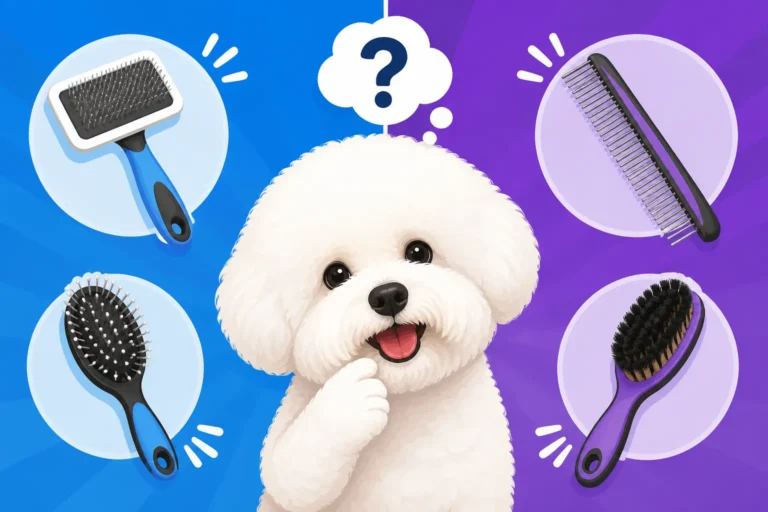
Bichon Frise double coat characteristics explain how specific grooming tools prevent painful mats behind the ears and armpits.
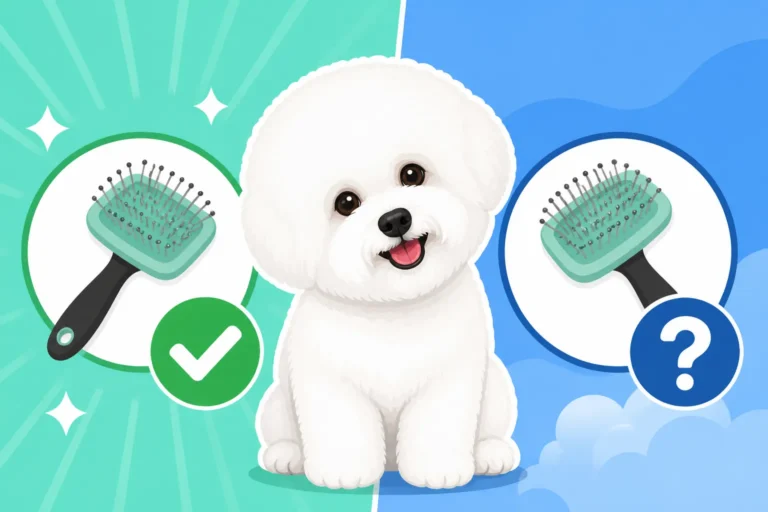
Bichon Frise coat care needs, the double coat growth cycle, and whether brushing every other day prevents mats behind the ears.
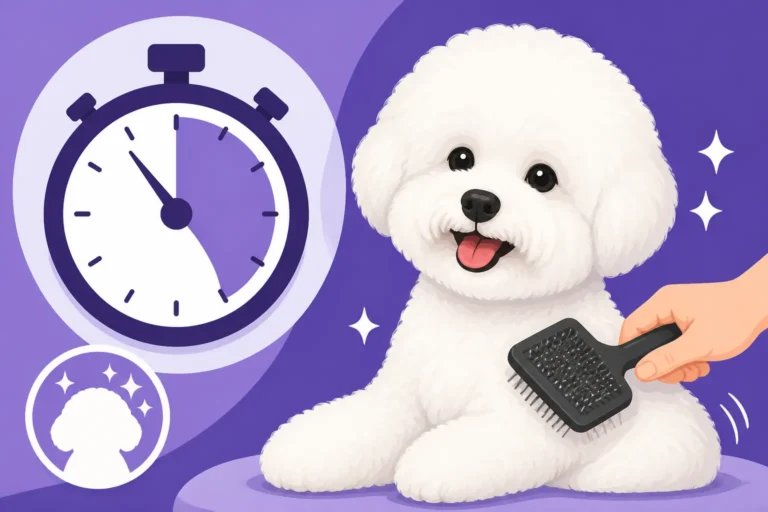
Bichon Frise brushing time and coat maintenance details explain how long grooming sessions take and why mats form in the double layer.
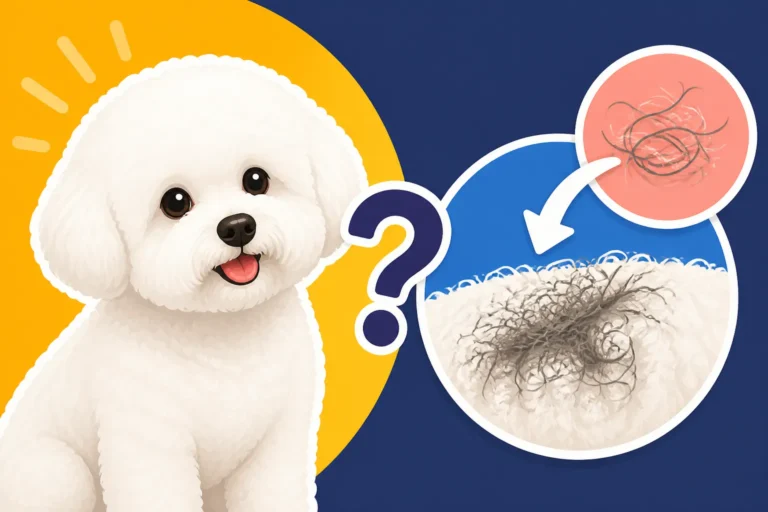
Loose hair trapped inside the curly double coat causes painful mats by felting together with dust, dirt, and dander every single day.
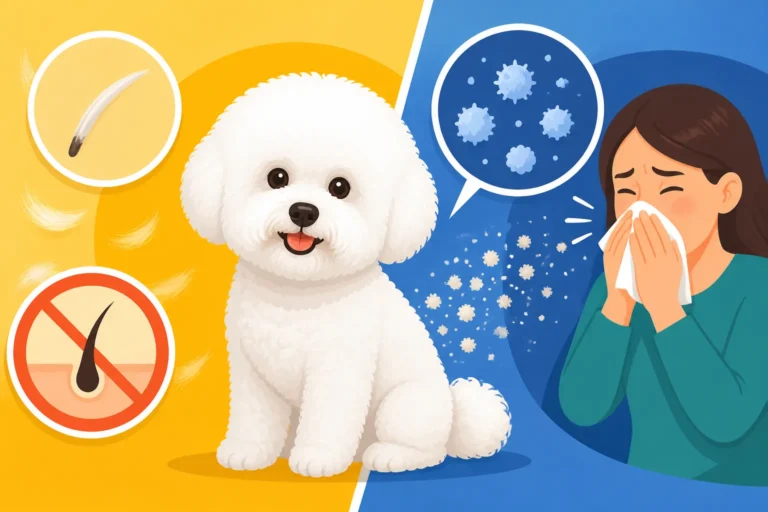
Dog dander proteins, saliva, and urine trigger allergic reactions, while Bichon Frise curly coats trap shed hair and dander.
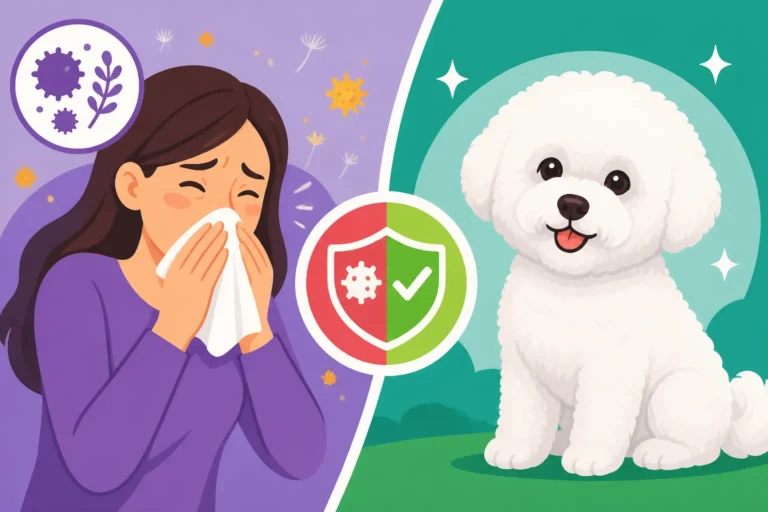
Dog allergy triggers including dander, saliva, and urine explain why allergic individuals still react to Bichon Frise dogs.

Bichon Frise hypoallergenic status and allergy realities explained, including shedding facts, dander sources, and coat characteristics.
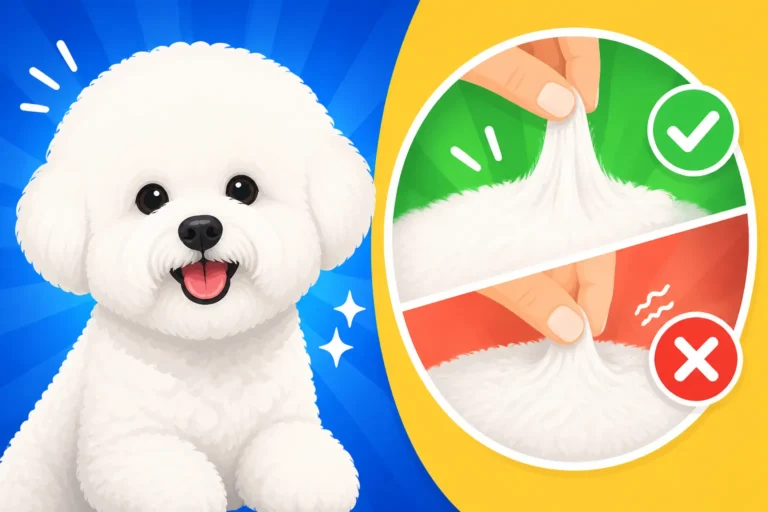
Bichon Frise coat spring back characteristics explain how the double coat structure, outer hair, and soft undercoat create resilient volume.
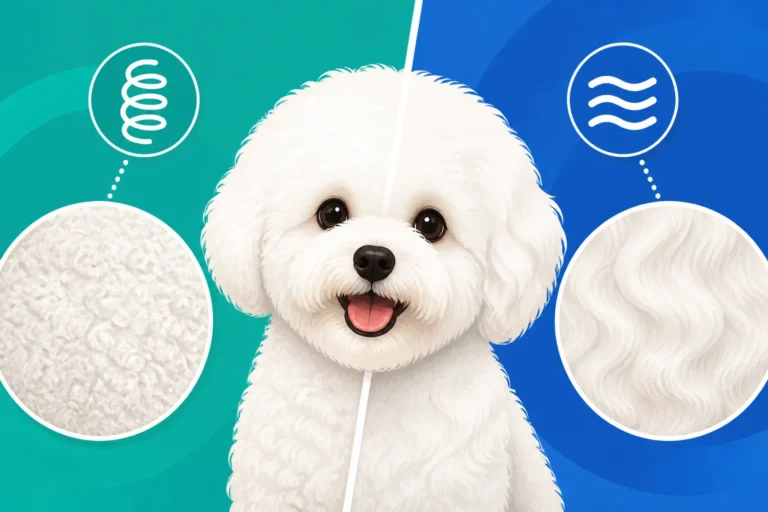
Bichon Frise coat texture details explain whether the double coat is naturally curly or wavy between six and twelve months of age.
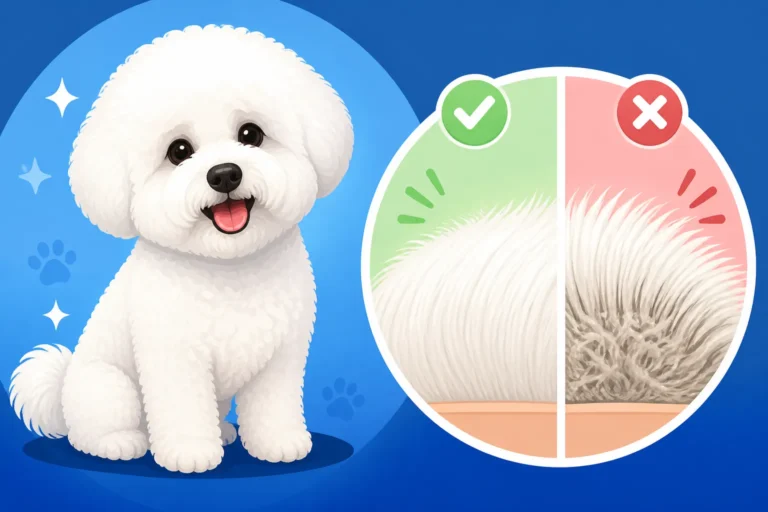
Bichon Frise coat details explained, clarifying single coat traits, curly texture, low shedding, and proper grooming needs.