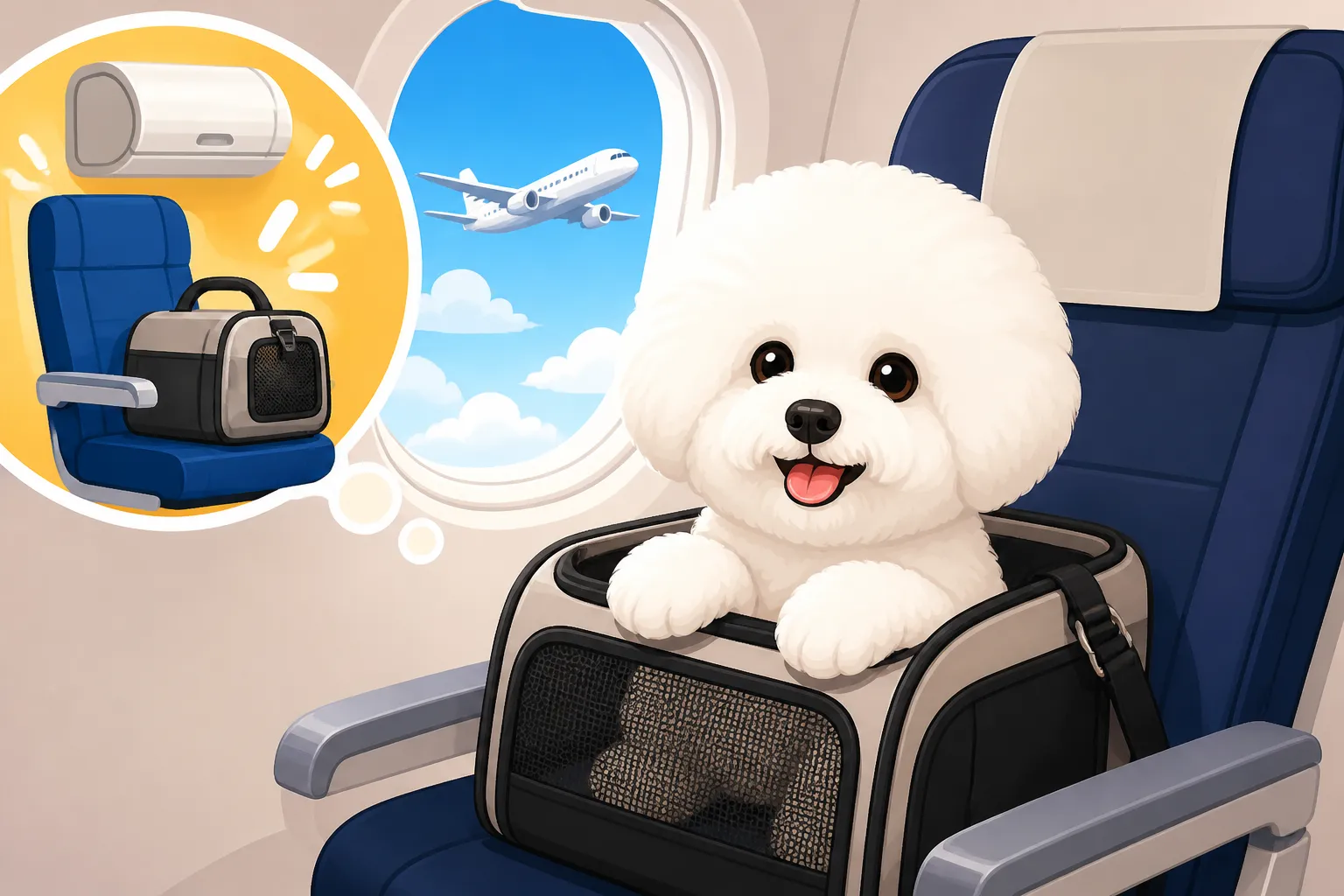
Whether a Bichon Frise Can Fly in the Cabin
Traveling with your beloved Bichon Frise can bring a whole host of anxieties, from worrying about their comfort to navigating complex airline rules. It’s a common frustration to want your fluffy companion by your side, but wonder if it's even possible or practical to have them fly in the cabin with you. This comprehensive guide is here to walk you through everything you need to know about successfully flying with your Bichon Frise, ensuring a smoother journey for both of you.
Understanding Airline Pet Policies: The Rules of the Sky
Before you even start dreaming of taking off with your Bichon, the very first, and arguably most critical, step is to deep-dive into airline pet policies. Every airline has its own set of rules, and they can vary significantly. What works for one carrier might be a complete no-go for another, so it's not a step you can afford to skip or generalize.
Size and Weight Restrictions for Cabin Pets
This is often the make-or-break factor for bringing your Bichon Frise into the cabin. Airlines don't typically set a specific weight limit for the pet itself, but rather for the combined weight of your pet and their carrier. This combined weight needs to be manageable, often capped around 15 to 25 pounds, depending on the airline. Luckily, Bichons are relatively small dogs, usually weighing between 12-18 pounds when fully grown, which often puts them within this acceptable range.
However, the more stringent requirement is usually the carrier's dimensions. The carrier must fit comfortably and securely under the seat in front of you. This means measuring the space under the seat, which can differ not only between airlines but also between different aircraft types on the same airline! You'll need to check the exact maximum dimensions for under-seat storage for your specific flight. If your carrier is too tall, too wide, or too deep, even by an inch, your Bichon Frise might not be allowed to fly in the cabin, forcing a last-minute scramble or a heartbreaking decision to leave them behind.
Carrier Requirements for In-Cabin Travel
Once you've nailed down the size restrictions, the carrier itself needs to meet specific criteria. Most airlines prefer, or even mandate, soft-sided carriers for in-cabin travel. This isn't just a preference; soft-sided carriers offer a bit more flexibility to squeeze into those tight under-seat spaces, which rigid carriers simply cannot do. The material should be sturdy and secure, preventing any escapes.
Crucially, the carrier must be well-ventilated, ensuring your Bichon Frise has plenty of fresh air. It should also be leak-proof, with a waterproof bottom or absorbent padding, just in case of an accident. Most importantly, your Bichon Frise must be able to stand up, turn around, and lie down in a natural position within the carrier without touching the top or sides. This isn't just about comfort; it's a welfare requirement. Imagine being cramped for hours – your little companion deserves to be as comfortable as possible. When searching for suitable options, reputable pet supply retailers like Chewy or Amazon often have a wide selection of airline-approved carriers, but always double-check the dimensions against your airline's specific requirements.
Booking Your Bichon's Spot and Associated Fees
Flying with a pet in the cabin isn't as simple as just showing up. Airlines limit the number of pets allowed in the cabin on any given flight to ensure there's enough space and to prevent overcrowding. This means you absolutely must make a reservation for your Bichon Frise well in advance. Ideally, do this at the same time you book your own ticket. If you wait, you might find all the pet spots are already taken, leaving you with a tricky situation.
There will also be a fee, and this can vary widely between airlines. These fees are usually paid per flight segment, so if you have a connecting flight, you might pay the fee twice. While it might seem like a substantial additional cost, it's the price for having your furry friend with you rather than in cargo, which carries its own set of risks and regulations. Always confirm the current fees directly with the airline when you book, as these figures are subject to change.
Health Certificates and Vaccinations
For most domestic flights within the same country, a general health certificate from your veterinarian is often required. This certificate typically needs to be issued within a certain timeframe (often 10 days) prior to your travel date, confirming your Bichon Frise is healthy enough to fly and free of contagious diseases. They will also need to be up-to-date on all required vaccinations, especially rabies.
For international travel, the requirements become far more complex and stringent. These can include microchipping, specific blood tests, parasite treatments, and even quarantine periods, depending on your destination country. Always check the specific entry requirements for your destination well in advance, as these can take months to fulfill. A good rule of thumb is to schedule a vet visit specifically for travel planning several weeks or even months before your intended departure.
Preparing Your Bichon Frise for a Smooth Journey
Getting your Bichon Frise ready for a flight isn't just about logistics; it's also about preparing them mentally and physically for the experience. A calm, well-prepared dog makes for a much less stressful journey for everyone involved.
Acclimating to the Carrier: Practice Makes Perfect
Don't let the first time your Bichon Frise sees their travel carrier be on departure day. Introduce the carrier weeks, or even months, before your trip. Leave it open in a comfortable, accessible spot in your home. Make it a positive place by putting treats, favorite toys, or a cozy blanket inside. Feed them meals near or even inside the carrier. You want them to associate the carrier with safety, comfort, and positive experiences, not fear or confinement.
Start with short periods of time, gradually increasing the duration. Close the door for a few minutes while you're still in the room, then extend it to an hour, eventually leaving the room. Reward calm behavior with praise and small treats. The goal is for them to enter the carrier willingly and settle down comfortably, seeing it as their den. This gradual conditioning is vital for reducing stress during the actual flight.
Potty Training and Hydration Considerations
On travel day, timing your Bichon Frise's potty breaks is paramount. Make sure they have ample opportunity to relieve themselves right before heading into the airport and again at the designated pet relief area after check-in and before security. Accidents happen, but minimizing the chances is key. If your Bichon is still perfecting their house training, you might find some useful tips in The Toilet Routine That Finally Works on a Bichon Frise.
During the flight itself, it's generally advised to limit food and water intake a few hours before and during the flight to prevent nausea or accidents. However, dehydration is also a concern. Offer a small amount of water right before boarding and immediately upon landing. You can get collapsible travel bowls online from retailers like Amazon that are easy to use. For shorter flights, a small ice cube in the carrier just before boarding can offer slow, controlled hydration without the risk of a spill.
Calming Strategies for Anxious Travelers
Some Bichons are naturally more prone to anxiety, and the unfamiliar sights, sounds, and confined space of an airplane can be overwhelming. There are several strategies you can employ to help keep them calm. Pheromone sprays or diffusers designed for pets can create a reassuring environment in their carrier. A Thundershirt or calming wrap can also provide a sense of security for some dogs.
Always consult your veterinarian before considering any sedatives or anti-anxiety medications. While some vets might prescribe a mild sedative for travel, it's not always recommended, as sedatives can sometimes have adverse effects at altitude. Your vet can advise on the safest and most effective options for your individual Bichon Frise. Familiarity is often the best comfort, so a beloved blanket or a toy that smells like home in the carrier can make a big difference. For Bichons who get distressed when left alone, like those who might typically Whether a Bichon Frise Cries When You Leave, extra preparation is even more critical.
Packing Essentials for Your Furry Co-Pilot
Think of it like packing a carry-on for a toddler – you need essentials and contingencies! Beyond the required health certificate and vaccination records, here’s a checklist of items to pack in a small bag that you can easily access:
- Food and Water: A small portion of their regular food (if your Bichon Frise is on a special diet, perhaps a limited-ingredient option from Ollie or their usual kibble) and a collapsible bowl.
- Absorbent Pads: For the carrier bottom, and a few extra in case of accidents.
- Waste Bags: For potty breaks at the airport.
- Comfort Items: Their favorite small blanket or a familiar soft toy.
- Wipes and Paper Towels: For quick clean-ups.
- Leash and Harness: A comfortable harness, not just a collar, is safer and more secure for airport navigation. You can find excellent options on Chewy. Consider Whether a Bichon Frise Should Wear a Harness Not a Collar for more details on this.
- Treats: Small, high-value treats for positive reinforcement.
| Item Type | Specific Item | Purpose | Location |
|---|---|---|---|
| Documents | Health Certificate | Proof of health and vaccinations | Handbag |
| Vaccination Records | Especially Rabies, required for travel | Handbag | |
| Carrier | Airline-Approved Soft-Sided Carrier | For in-cabin travel, must fit under seat | Under Seat |
| Absorbent Pads | For accidents and comfort inside carrier | In Carrier | |
| Familiar Blanket/Toy | Comfort and scent of home | In Carrier | |
| Feeding | Small Portion of Dog Food | Essential for immediate post-flight meal | Carry-on |
| Collapsible Water Bowl | Easy access to water without spills | Carry-on | |
| Small Water Bottle | For hydration before/after flight | Carry-on | |
| Hygiene | Waste Bags | For responsible clean-up at pet relief areas | Carry-on |
| Pet Wipes | Quick clean-ups for minor spills or accidents | Carry-on | |
| Paper Towels | For larger messes | Carry-on | |
| Comfort | Small, High-Value Treats | For positive reinforcement and distraction | Carry-on |
| Pheromone Spray/Calming Chews (Opt.) | To reduce anxiety | Carry-on | |
| Other | Leash and Harness | For walking at the airport | On Dog / Carry-on |
Navigating Airport and Flight Day with Your Furry Co-Pilot
The big day is here! With all your careful preparation, you're ready to tackle the airport and the flight itself. Staying calm and organized will help keep your Bichon Frise calm too.
Airport Arrival and Check-in Procedures
Arrive at the airport earlier than you normally would, especially if this is your first time traveling with your Bichon Frise. This gives you plenty of buffer time for last-minute potty breaks, navigating check-in, and dealing with any unexpected delays. Head straight to the check-in counter, even if you’ve checked in online. You’ll need to declare your pet and pay any outstanding fees. The agent will likely confirm your Bichon Frise is properly contained in their carrier and fits the under-seat requirements.
Once you have your boarding pass and your Bichon’s "ticket," seek out the designated pet relief areas. Most major airports have both indoor and outdoor options. These are crucial spots for a final potty opportunity before heading through security. Remember, your Bichon Frise will be in their carrier for several hours, so every chance to relieve themselves is important. Keep your Bichon on a leash and harness during these walks; even a normally well-behaved dog can get spooked by the airport environment. Think about What a Bichon Frise Needs Every Day and try to stick to their routine as much as possible.
Security Checkpoint Procedures
This is often the most confusing part for pet owners. When you reach the security checkpoint, you’ll need to remove your Bichon Frise from their carrier. The carrier will go through the X-ray machine just like your other bags. You will carry your Bichon Frise through the metal detector with you. Make sure they are securely on their leash and harness during this process. Some airports might have a separate, quieter area for pet screening if available, but be prepared for the standard procedure. Once through, you can place your Bichon Frise back in their carrier, secure the fastenings, and breathe a sigh of relief.
Boarding and In-flight Etiquette
When it's time to board, carry your Bichon Frise in their carrier onto the plane. Once you get to your seat, gently slide the carrier completely under the seat in front of you. It's crucial that the carrier stays there for the entire flight, from the moment the cabin door closes until the plane reaches the gate at your destination. You cannot take your Bichon Frise out of the carrier, even for a quick peek or cuddle. This is a strict safety rule and also respects other passengers.
During the flight, try to keep your Bichon Frise calm. Speak to them in a soft, reassuring voice. If they start to whine or fidget, gently stroke the carrier or offer a very small treat through the ventilation openings if permitted and safe. Most Bichons, with proper preparation, will settle down and sleep for the duration of the flight. However, if they tend to get a case of The Bichon Blitz and What It Means, ensure they've had plenty of exercise before arriving at the airport to tire them out. Try not to draw attention to them, and remember that everyone on board wants a peaceful journey.
Common Challenges and Troubleshooting During Air Travel
Even with the best planning, travel can throw curveballs. Knowing how to handle common issues can prevent a minor hiccup from becoming a major headache.
Unexpected Barking or Whining
The airport and airplane environment is full of new, potentially startling sounds and smells. Your Bichon Frise might react with barking or whining, especially if they are a breed known to be vocal, like those discussed in Whether a Bichon Frise Is a Yappy Breed. If this happens, try to distract them subtly. A quiet toy, a comforting voice, or even a very small, enticing treat can redirect their attention. Avoid scolding, as this can increase their anxiety. Gently covering the carrier with a light blanket might also help reduce visual stimulation and create a den-like feel. If the barking continues and disturbs other passengers, a flight attendant might intervene, so it's always best to try and manage it proactively.
Accidents in the Carrier
Despite your best efforts with pre-flight potty breaks, accidents can happen. This is why having absorbent pads in the carrier and spares in your carry-on is essential. If your Bichon Frise has an accident, you won't be able to take them out to clean them up during the flight. You'll have to wait until you land. The absorbent pad should contain most of the mess, and you can change it discreetly (if accessible) or address it fully once off the plane. Having wipes and paper towels ready will be a lifesaver. This situation is more common than you might think, especially if your Bichon Frise is experiencing something akin to Whether a Housetrained Bichon Frise Suddenly Starts Leaking due to stress or excitement.
Temperature and Airflow Concerns
While cabin temperatures are generally regulated for human comfort, the airflow under seats can sometimes be cooler or warmer than in the main cabin. Monitor your Bichon Frise as best you can. If you notice them panting excessively or shivering, you can discreetly try to adjust the carrier position slightly, perhaps pulling it a little closer to your feet if there’s space, or adding/removing a thin blanket. If you have serious concerns, you can quietly speak to a flight attendant. However, remember that their primary concern is passenger safety, and there might be limits to what they can do during flight. The well-being of your Bichon Frise is paramount, and understanding their general temperament, which is often described by The Merry Temperament the Bichon Frise Standard Demands, can help you predict their reactions.
Dealing with Flight Delays or Changes
Travel plans are notoriously unpredictable, and flight delays or cancellations can throw a wrench into your carefully planned pet travel. Always have a contingency plan. If you have a long layover or an unexpected overnight stay, know where the pet relief areas are in the airport you're stuck in. If a flight is canceled, immediately ask the airline staff about rebooking options that still allow your Bichon Frise to fly in the cabin. Sometimes, switching airlines might be necessary if your original carrier can't accommodate your pet on a new flight. Being flexible and patient is key in these situations. Planning for the long term, such as considering The Fourteen to Fifteen Years a Bichon Frise Lives with your Bichon, means you'll likely face many travel scenarios over their lifetime. Even thinking about Caring for a Bichon Frise Past Eleven and how that might impact their travel comfort is helpful.
Knowing the upfront costs and benefits of pet insurance might also be useful for unexpected emergencies that could arise during travel. Whether a Bichon Frise Is Worth Insuring From Eight Weeks is a good resource to consider.
Disclaimer
This article is for general informational purposes only and does not constitute professional advice. Laws, prices and regulations vary by location and change over time. Consult a qualified professional for guidance on your specific situation.