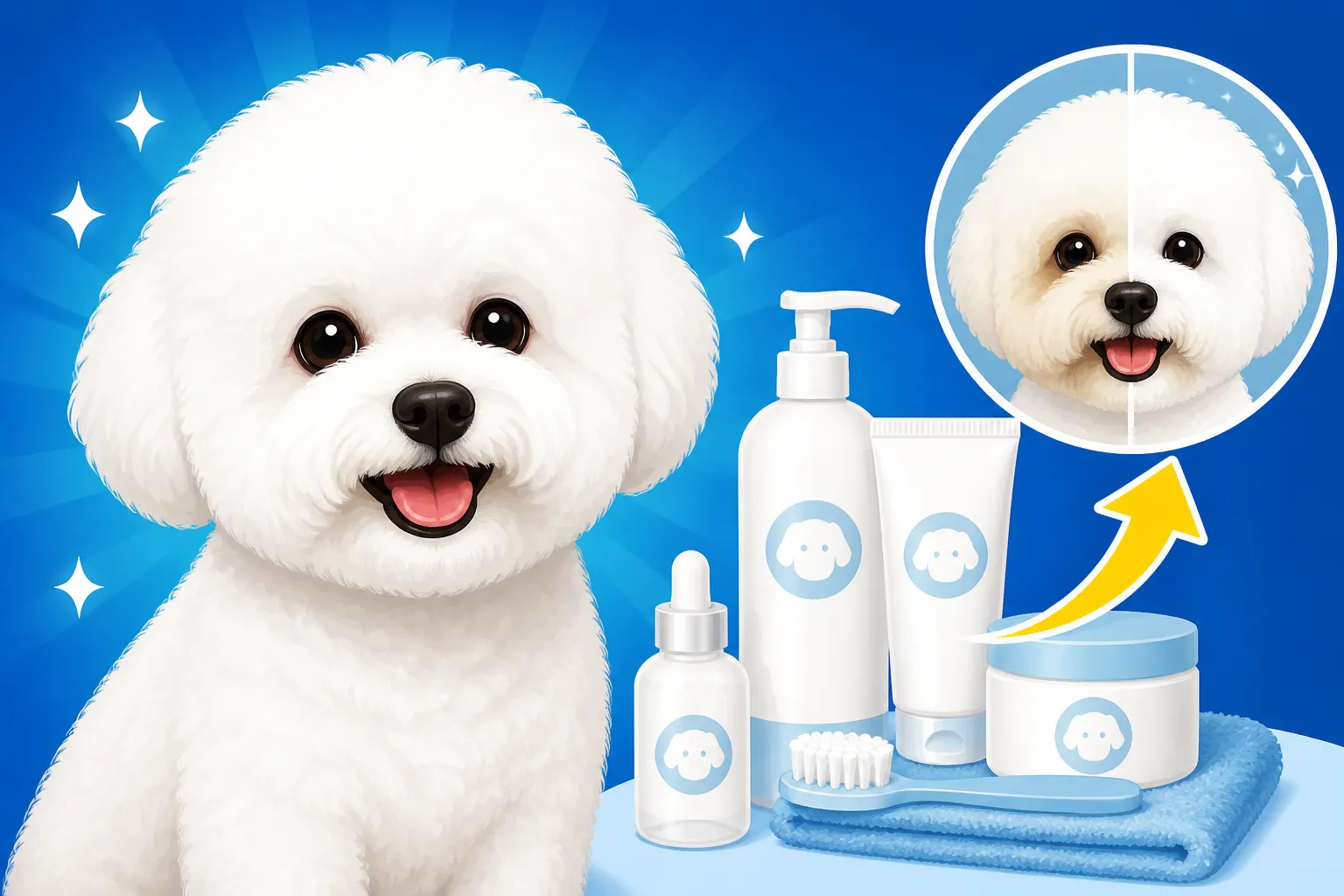
What a Bichon Frise Owner Spends on Whitening Products
If you're a Bichon Frise parent, you know the struggle is real: keeping that fluffy white coat looking pristine. It's not just about aesthetics; stubborn tear stains, saliva marks, and even discoloration from urine can be frustrating and hint at underlying issues. This guide will walk you through the various whitening products available, their typical costs, and the ongoing commitment required to maintain your Bichon's dazzling appearance, helping you budget for that sparkling white fluff.
The Everlasting Battle to Keep a Bichon Frise's Coat Sparkling White
Owning a Bichon Frise means embracing a life of fluffy, adorable joy, but it also means signing up for the never-ending quest to keep that iconic white coat truly white. It's a badge of honor and a constant challenge! Many new Bichon owners are surprised by just how much effort goes into maintaining that dazzling whiteness, often discovering that their dog's coat seems to attract dirt, dust, and stains like a magnet. This isn't just about superficial beauty; persistent staining can sometimes indicate areas of irritation or even minor health concerns, making it a topic worth understanding deeply.
Common Stains That Mar That Pristine White
It's not just one type of stain we're talking about; Bichons are prone to a few different kinds of discoloration, each with its own cause and preferred method of attack. Understanding these can help you target your whitening efforts more effectively and save you some money in the long run by not buying products that aren't suited for the specific problem.
First and foremost, there are the infamous tear stains. These are those reddish-brown streaks that run from the inner corner of their eyes down their muzzle. They're incredibly common in white-coated breeds and can be incredibly frustrating to manage. Then there are the saliva stains, often found on their paws (from licking) and around their mouth (from eating and drooling). These can also turn a yellowish-brown and detract from their sparkling clean appearance. Finally, sometimes you'll see urine stains around the sanitary area, particularly if your Bichon has had an accident, or if they just don't lift their leg or squat quite right, leading to discoloration that can be tough to scrub out. It’s a full-body commitment to whiteness! For more on specific causes, you might want to read What Causes a Bichon Frise's Tear Stains.
Why the White Coat Is So Susceptible
You might wonder why Bichons seem to struggle more than, say, a white Labrador. The answer lies in their genetic makeup and coat structure. Bichons have a beautiful double coat – a soft, dense undercoat and a curlier, coarser outer coat. This combination, while stunning, is excellent at trapping moisture, dirt, and debris. Their pure white fur acts like a blank canvas, making even the slightest discoloration incredibly noticeable. Think of trying to keep a white rug clean in a busy household – every speck shows!
The delicate skin underneath that coat can also be prone to irritation, especially around the eyes and mouth, which can exacerbate tear and saliva staining. If there's persistent dampness, yeast and bacteria can thrive, leading to the reddish-brown hue we often see. Plus, Bichons can be prone to certain health issues that contribute to staining, like allergies or dental problems, which often require veterinary intervention, not just a good shampoo. It’s not just the color, it's the texture and biology working against us in the quest for perpetual sparkle.
Dissecting the Costs of At-Home Whitening Products
When it comes to keeping your Bichon Frise looking like a cloud, there's a whole world of products out there promising to restore that pristine white. It can feel overwhelming trying to decide what's effective and what's just marketing hype. Plus, the costs can add up quickly if you're not careful. Let's break down the different categories of whitening products and what you can expect to spend.
Whitening Shampoos and Conditioners
These are probably the first line of defense for most Bichon owners. Whitening shampoos are formulated with optical brighteners or gentle bleaching agents that help to neutralize yellowing and enhance the natural white of the coat. They don't actually bleach the hair in the harsh sense, but rather make it appear brighter. Conditioners often follow to moisturize and protect the coat, making it less prone to future staining.
You'll find a wide range of options, from everyday brands available at major pet retailers like Chewy to more specialized professional grooming lines. A good quality whitening shampoo can range anywhere from around $10 to $30 for a standard 12-16 oz bottle. If you're opting for higher-end, concentrated formulas or those with more natural ingredients, you might see prices climb to $40 or even more. Conditioners usually fall in a similar price bracket. Since most Bichons need bathing every 2-4 weeks to maintain their coat (and especially their whiteness), a bottle might last you a few months, depending on how frequently you bathe and the product's concentration.
Example Cost Breakdown (Per Bottle):
| Product Type | Low-End Cost | Mid-Range Cost | High-End Cost |
|---|---|---|---|
| Whitening Shampoo (12-16 oz) | $10 | $20 | $40+ |
| Whitening Conditioner (12-16 oz) | $10 | $20 | $40+ |
Remember, bathing your Bichon properly is key to success. You'll want to lather well, let the product sit for the recommended time (usually 5-10 minutes), and rinse, rinse, rinse! Improper rinsing can leave residue that actually attracts dirt. You can learn more about suitable products in Which Shampoo Keeps a Bichon Frise White.
Topical Tear Stain and Saliva Stain Removers
For those stubborn, localized stains around the eyes, mouth, and on the paws, specific topical stain removers are often necessary. These typically come in liquid solutions, gels, or pastes that are applied directly to the stained areas. Many work by gently oxidizing the stain or by using natural enzymes to break down the discoloration.
The cost for these specialized products varies significantly based on brand, ingredients, and size. A small bottle (2-4 oz) of a popular tear stain remover might cost you between $15 and $35. More premium or larger formulations could go up to $50 or more. The frequency of application depends on the severity of the staining – some require daily use until the stain is gone, then maintenance a few times a week. A bottle might last you a month or several, depending on your dog's staining issues and the amount you use.
It's vital to choose products specifically designed for pets and to be incredibly careful when applying anything near your Bichon's eyes. Always read the instructions thoroughly and discontinue use if you notice any irritation. For an ongoing battle against these particular marks, you may find our article The Tear Stains Under a Bichon Frise's Eyes helpful.
Whitening Wipes and Daily Cleaners
For daily upkeep and preventing stains from setting in, whitening wipes and gentle daily cleaners are a godsend. These are perfect for quick touch-ups after meals, walks, or first thing in the morning to wipe away potential tear tracks before they darken. They’re also great for cleaning paws that might have picked up dirt or are discolored from excessive licking.
A pack of 100-200 pet wipes designed for tear or saliva stains typically costs between $8 and $20. Some brands offer larger tubs or refill packs that might be more economical in the long run. Daily liquid cleaners, often used with cotton pads, can range from $10 to $25 for a small bottle. These products are generally milder than the more intensive stain removers and are excellent for preventative care. For busy owners, these wipes are a convenient way to stay on top of daily hygiene and can significantly reduce the need for more aggressive stain removal later on. Consistency is key here; a quick wipe every day can prevent weeks of scrubbing. Regular wiping is discussed in more detail in Whether Wiping Daily Keeps a Bichon Frise Clean.
Internal Supplements and Dietary Aids
Sometimes, topical solutions aren't enough because the staining originates from within. This is especially true for tear stains, which can be influenced by diet, water quality, and even the dog's internal biochemistry. Several internal supplements claim to reduce tear staining by addressing the root cause, often containing ingredients like probiotics, digestive enzymes, or specific herbal blends.
The cost for these supplements can vary wildly. A month's supply might range from $20 to $60, and often requires continuous use to see and maintain results. Some owners swear by them, while others find them less effective. Before embarking on any internal supplement regimen, it's always a good idea to chat with your vet, especially if the staining is severe or suddenly appeared, as it could indicate an underlying health issue. While brands like Ollie focus on fresh, healthy food which can contribute to overall health, specific whitening supplements are usually separate. Remember that a change in diet can sometimes impact tear staining. We explore this further in Whether Diet Changes a Bichon Frise's Tear Stains.
The Role of Professional Grooming and Vet Care in Maintaining Whiteness
While at-home products are essential for daily maintenance, sometimes you need to call in the professionals. Professional groomers and veterinarians play crucial roles in not just keeping your Bichon looking its best, but also addressing the deeper reasons behind persistent staining. It's easy to get caught in a cycle of constantly buying products, but understanding when to seek expert help can actually save you money and stress in the long term.
Professional Grooming for Stain Management
A professional groomer is an artist when it comes to the Bichon Frise coat. They have access to specialized tools, higher-grade whitening shampoos and conditioners, and drying techniques that can achieve a level of brightness and fluffiness that's hard to replicate at home. Beyond just bathing, they can meticulously trim the hair around the eyes and mouth, which helps prevent new stains from forming and makes existing ones easier to manage. This detailed work, often referred to as "face work," is critical for Bichons.
The cost of a full professional groom for a Bichon Frise can range significantly based on location, the groomer's experience, and your dog's coat condition. You might expect to pay anywhere from $60 to $100 or more for a standard full groom that includes a whitening bath, drying, and precise scissoring. If your Bichon's coat is severely matted or stained, groomers may charge an additional fee for the extra time and product required. Many Bichon owners schedule professional grooms every 4-6 weeks. While this seems like a regular expense, it's an investment in maintaining the coat's health and appearance, often making your at-home efforts more effective in between visits. For more information, check out How Often a Bichon Frise Needs a Full Groom.
Addressing Underlying Health Issues That Cause Stains
Sometimes, stains aren't just a cosmetic issue; they're a symptom. Excessive tear production, for example, can be caused by allergies, blocked tear ducts, eyelid abnormalities, or even minor eye irritations. Similarly, excessive licking that leads to saliva stains on paws could indicate allergies, pain, or anxiety. If your Bichon has chronic, severe staining that doesn't respond to regular cleaning and whitening products, a trip to the vet is absolutely essential.
Your veterinarian can perform a thorough examination to rule out any medical causes. This might involve an eye exam to check for blockages or irritation, allergy testing, or even a dental check-up, as dental disease can sometimes contribute to mouth staining and overall health issues. The costs for these diagnostic tests can vary. A basic vet consultation might be around $50-$80, but if further diagnostics like tear duct flushing, allergy tests, or specific eye medications are needed, the costs can quickly climb into the hundreds of dollars. For instance, a full dental cleaning can be a significant investment, but it's crucial for your dog's overall health and might even improve issues like beard staining. What a Bichon Frise's Dental Costs offers more insight.
Having pet insurance like Healthy Paws can be incredibly valuable in these situations, as it can help cover unexpected vet bills for diagnosing and treating underlying health conditions that contribute to persistent staining. It allows you to focus on getting your Bichon the best care without stressing about the financial burden. Addressing the root cause can be the most effective (and sometimes the only) way to truly get rid of those stubborn stains. It's about treating the dog, not just the symptom.
Budgeting for a Bright Bichon Frise: A Long-Term Perspective
Keeping a Bichon Frise sparkling white is an ongoing commitment, not a one-time fix. It involves a consistent routine of grooming, cleaning, and sometimes medical intervention. Understanding the financial aspect of this commitment from the outset can help you budget effectively and prevent surprises down the line. It's all about planning for that beautiful, cloud-like appearance your Bichon deserves!
Factors Influencing Your Annual Whitening Budget
Several elements will play a significant role in how much you spend annually on keeping your Bichon Frise white. It’s not a fixed cost, but rather a dynamic one that can change based on your dog's individual needs and your preferred approach.
Firstly, your Bichon's individual propensity for staining is a huge factor. Some Bichons simply stain more easily due to their genetics, tear duct structure, or even their activity levels. A dog prone to significant tear staining will naturally require more frequent use of specialized products or even veterinary interventions. Secondly, your choice between at-home grooming and professional grooming services will heavily impact your budget. While home grooming requires an initial investment in tools and products, it can be more cost-effective in the long run than frequent salon visits. However, professional grooms often yield superior results and can manage tougher stains more effectively.
Thirdly, the brands and types of products you choose make a difference. Opting for premium, concentrated shampoos or specialized supplements will naturally increase your spending compared to more economical options found easily on sites like Chewy. Finally, if your Bichon develops underlying health issues that contribute to staining, such as allergies or specific eye conditions, the cost of veterinary care, including medications or procedures, will become a part of your whitening budget. Being proactive with Whether a Bichon Frise Needs a Yearly Eye Exam can help catch issues early.
Smart Spending and Prevention Strategies
While it might seem like a never-ending expense, there are smart ways to manage the costs of keeping your Bichon white and, more importantly, strategies to prevent severe staining in the first place. Prevention is always better (and often cheaper!) than cure.
One of the best ways to save money is to invest in quality basic grooming tools and learn to do routine maintenance at home. A good slicker brush, comb, and even a pair of blunt-nosed scissors for trimming around the eyes can go a long way. Regular daily wiping with pet-safe solutions and consistent brushing helps prevent matting and staining from taking hold. Think of it like brushing your own teeth – a little effort daily prevents bigger problems later. You might be surprised at how much you can do yourself with the right guidance, making your professional grooming appointments more effective and potentially less frequent.
Furthermore, focusing on your Bichon's overall health can indirectly reduce staining. A high-quality diet, consistent hydration, and addressing any allergies or dental issues promptly can minimize the internal factors that contribute to discoloration. Some owners find that feeding filtered water or switching to specific kibble types can help reduce tear staining, although individual results vary. You can explore this more with Whether a Bichon Frise Should Be Encouraged to Drink. Regular vet check-ups are also crucial to catch any health issues early before they manifest as severe staining problems. By combining diligent at-home care with strategic professional assistance and a focus on overall wellness, you can keep your Bichon Frise looking its absolute best without breaking the bank.
Disclaimer
This article is for general informational purposes only and does not constitute professional advice. Laws, prices and regulations vary by location and change over time. Consult a qualified professional for guidance on your specific situation.