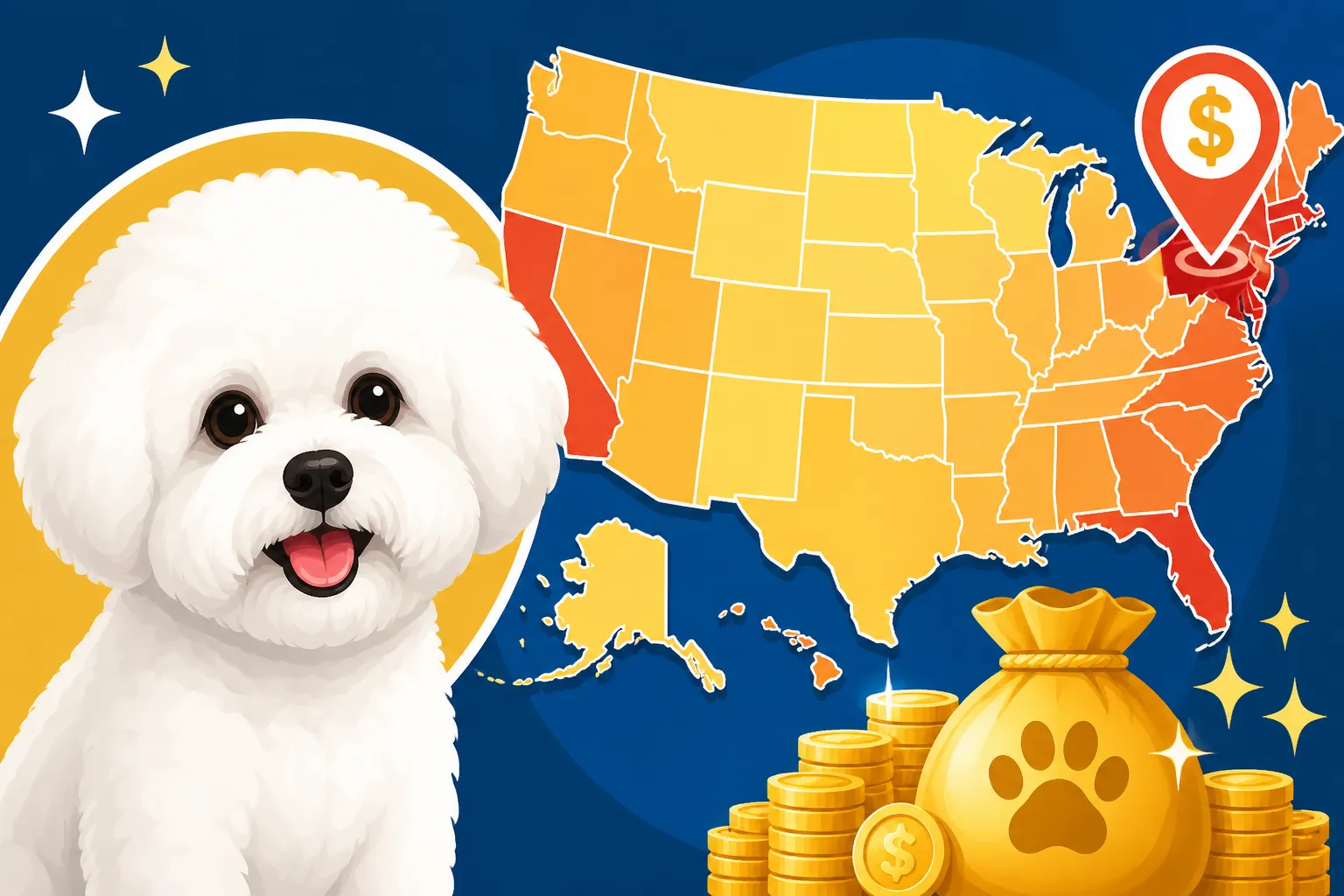
Where in the Country Bichon Frises Cost Most
Bringing a fluffy, joyous Bichon Frise into your life is an absolute delight, but if you're like many prospective owners, you might be scratching your head trying to figure out how much you'll actually spend. It's a common frustration, especially when online searches give you wildly different numbers. This guide will help you understand the significant regional variations in the cost of acquiring and caring for a Bichon Frise, breaking down why prices fluctuate depending on where you live.
The Foundation: Why Location Impacts Puppy Prices
It might seem strange that the cost of a purebred puppy, especially a beloved breed like the Bichon Frise, can vary so much from one part of the country to another. However, just like real estate or a gallon of milk, the forces of supply, demand, and local economic conditions play a huge role. Understanding these underlying factors can help you anticipate the initial investment and plan accordingly.
Cost of Living and Breeder Expenses
Think about where you live, and then consider what it takes to run a small business in that area – because that's essentially what a responsible breeder is doing. In regions with a high cost of living, like metropolitan areas on the coasts, breeders face higher overheads. Their mortgages or rent are more expensive, their utilities cost more, and even basic supplies for their dogs, from quality food to veterinary care, will naturally have a higher price tag locally. These increased expenses inevitably trickle down to the puppy price.
For example, a breeder operating out of a sprawling property in a rural Midwest state might have significantly lower property taxes and general living costs compared to a breeder with a smaller setup in a bustling city in California or New York. The resources they invest in raising a healthy litter – proper nutrition for the dam, early puppy vet checks, vaccinations, and socialization – are all subject to local pricing. If those costs are higher for them, they must adjust their puppy prices to remain sustainable and continue their excellent care. It's not about being greedy; it's about covering the true expense of responsible breeding.
Supply, Demand, and Local Popularity
The basic economic principle of supply and demand is a powerful driver of puppy prices. In regions where Bichon Frises are particularly popular, and many families are eager to bring one home, demand can outstrip the supply of well-bred puppies. When this happens, prices naturally go up. Conversely, in areas where the breed might be less fashionable or there are more breeders to meet demand, prices might be more competitive.
Consider a large urban center where apartment living is common and small, hypoallergenic breeds like the Bichon Frise are highly sought after. Word spreads quickly through pet-friendly communities, and responsible breeders with a waiting list often find their puppies command higher prices. On the other hand, in a more rural setting, where larger breeds might be more common or there are simply fewer people actively seeking a Bichon, breeders might price their puppies more modestly to ensure they find good homes quickly. This regional demand can create noticeable differences in initial purchase price.
Regional Differences in Ongoing Ownership Costs
The initial puppy purchase is just the first step on your journey with a Bichon Frise. Many owners are surprised by the ongoing expenses, which also vary significantly depending on your geographical location. From routine vet visits to professional grooming and pet insurance, these recurring costs can add up, and where you live plays a major role in their magnitude.
Veterinary Care Across State Lines
It's no secret that veterinary care can be a significant expense, especially for a breed like the Bichon Frise that can be prone to certain health issues. The cost of vet visits, vaccinations, routine check-ups, and emergency care can fluctuate dramatically from one region to another. Again, this often ties back to the local cost of living and the competitive landscape of veterinary practices.
In areas with a high concentration of specialized veterinary hospitals or where property values for clinics are astronomical, you can expect higher fees for everything from a routine check-up to more involved procedures like a dental cleaning. A visit to the vet in a quiet town in the Midwest might cost a fraction of what you'd pay in a bustling city like San Francisco or Boston. This is a critical consideration for What a Bichon Frise Costs a Year to Keep. Moreover, if your Bichon Frise ever needs surgery for common issues like Slipping Kneecaps in a Bichon Frise or even bladder stones, which are a concern for the breed, the surgical costs can see a massive jump depending on your zip code. Don't forget, even the yearly Whether a Bichon Frise Should Be Urine Tested Yearly to monitor for stone recurrence will reflect local pricing.
Grooming Salon Price Tags
A Bichon Frise is renowned for its beautiful, fluffy white coat, but maintaining that "powder puff" look isn't optional; it's essential for their health and comfort. Regular professional grooming, typically every 4-6 weeks, is a non-negotiable part of Bichon ownership. And just like vet care, the cost of grooming can vary wildly based on your location.
Think about a high-end salon in a fashionable urban neighborhood compared to a more modest groomer in a suburban strip mall. The hourly wage for groomers, the rent for the salon space, and the cost of quality shampoos and tools are all higher in expensive regions. Consequently, the price for What a Full Bichon Frise Groom Costs will be elevated. Many owners find themselves spending a significant portion of their budget on keeping their Bichon's coat pristine. If you live in an area where professional grooming is particularly pricey, learning some home grooming techniques or being prepared for higher recurring bills is crucial.
Pet Insurance Premiums and Regional Risk
Pet insurance is a wonderful way to budget for unexpected veterinary expenses, but even insurance premiums are sensitive to geographical location. Insurers like Healthy Paws calculate their rates based on a variety of factors, including the average cost of veterinary care in your specific area and the prevalence of certain health conditions.
If you live in a region where vet costs are generally higher, or where a particular breed-specific ailment, such as Why a Bichon Frise Forms Stones Twenty Times as Often, is more commonly claimed, your monthly premiums will likely be higher. Insurers adjust their risk assessments based on local data, meaning that the same policy for the same dog might cost more in, say, New York City than it would in a less expensive part of Texas. It's always wise to get quotes from various providers, like Healthy Paws, to see how regional factors impact your specific situation and to understand What Insuring a Bichon Frise Runs Monthly.
How to Navigate Regional Cost Differences
Understanding that costs vary by region is the first step; the next is learning how to navigate these differences to make informed decisions for your Bichon Frise. It's not about finding the absolute cheapest option, but rather the best value that prioritizes your dog's well-being while being sustainable for your budget.
Researching Breeders and Rescue Organizations
When looking for a Bichon Frise puppy, don't limit your search to only your immediate vicinity. While it's ideal to visit a breeder in person, sometimes expanding your search radius can open up more options and potentially different price points. A responsible breeder, even if located a few hours' drive away, might offer a puppy at a more reasonable price simply because their local overheads are lower. Always prioritize health testing and ethical breeding practices over price alone, but don't shy away from exploring reputable breeders in neighboring states or less urbanized areas.
Similarly, if you're considering adoption, rescue organizations often have dogs available across broader regions. Why Bichon Frises Reach Rescue Around Eight is a common story, and rescue fees, while still varying by organization and location, are generally lower than puppy purchase prices. These organizations often include initial vetting, vaccinations, and sometimes even spay/neuter surgery in their adoption fees, offering excellent value. Many organizations, even national ones, have local chapters or foster networks that can help you find a Bichon in need without breaking the bank.
Budgeting for Ongoing Expenses
Once you've factored in the initial acquisition cost, it's crucial to create a realistic budget for your Bichon Frise's ongoing needs, keeping regional variations in mind. This means calling local vets, groomers, and even pet supply stores to get an idea of prices in your specific area. Don't just rely on national averages.
When it comes to food, for instance, a Bichon Frise might require a specialized diet if they're prone to certain issues, and the cost of The Prescription Diet a Bichon Frise Never Comes Off can fluctuate. Purchasing through online retailers like Chewy or exploring subscription services like Ollie might offer more consistent pricing or delivery benefits, regardless of your immediate location, potentially offsetting higher local store prices. However, do factor in the shipping costs and lead times. Understanding these nuances helps you prepare for What a Bichon Frise Costs a Year to Keep.
Table: Regional Cost Tendencies for Bichon Frise Ownership
This table provides a generalized overview of how different types of regions tend to impact various Bichon Frise ownership costs. Remember, these are broad tendencies, and individual situations will always vary.
| Cost Category | High Cost of Living Urban Areas (e.g., NYC, LA) | Moderate Cost of Living Suburbs (e.g., Dallas, Denver) | Low Cost of Living Rural Areas (e.g., Midwest, Deep South) |
|---|---|---|---|
| Puppy Purchase | Higher | Moderate to High | Moderate to Lower |
| Routine Vet Care | Higher | Moderate | Lower |
| Emergency Vet Care | Significantly Higher | Moderate to High | Moderate |
| Professional Grooming | Higher | Moderate | Lower |
| Prescription Food | Moderate to High (local store) / Consistent (online) | Moderate (local store) / Consistent (online) | Moderate to Lower (local store) / Consistent (online) |
| Pet Insurance Premiums | Higher | Moderate | Lower |
| Boarding/Pet Sitting | Higher | Moderate | Lower |
Final Thoughts on Your Bichon Frise Budget
It's clear that the "where" of your Bichon Frise journey significantly influences the "how much." From the initial adoption or purchase to the routine care and unexpected emergencies, living in a high cost-of-living area will inevitably lead to higher expenses. This isn't meant to discourage you, but rather to equip you with realistic expectations.
Being a responsible Bichon Frise owner means preparing not just for the good times, but also for the financial responsibilities that come with them. Researching your local market for breeders, vets, and groomers, and considering options like pet insurance from providers such as Healthy Paws, can help you manage these costs more effectively. Planning ahead, understanding the regional variations, and budgeting wisely ensures you can provide your beloved Bichon Frise with the best possible life, no matter where you call home.
Disclaimer
This article is for general informational purposes only and does not constitute professional advice. Laws, prices and regulations vary by location and change over time. Consult a qualified professional for guidance on your specific situation.