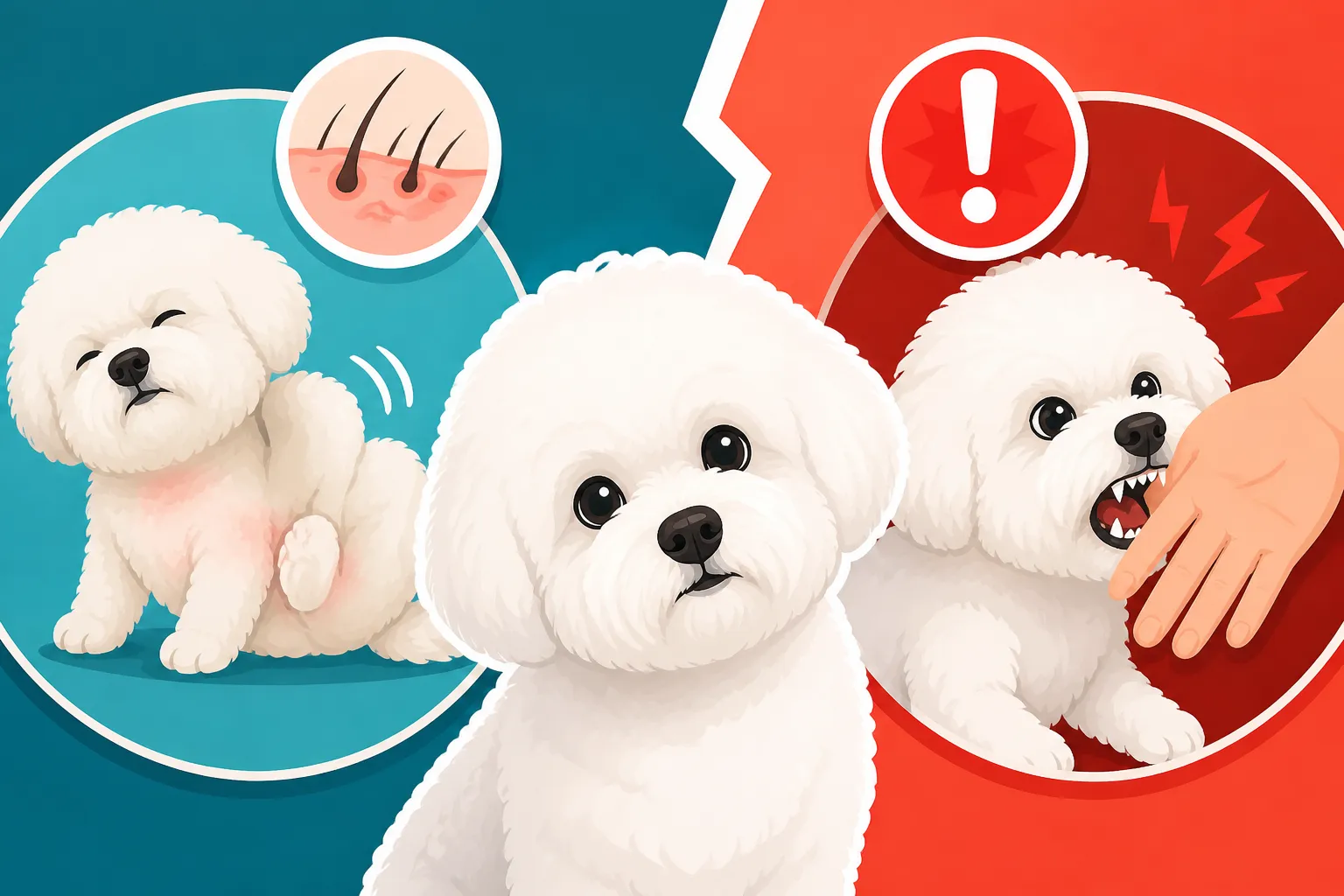
Whether an Itchy Bichon Frise Bites When Handled
It's incredibly disheartening when your sweet, fluffy Bichon Frise, usually a beacon of joy, suddenly recoils or even snaps when you try to comfort them. This shift in behavior, especially if they're constantly scratching, licking, or rubbing, often leaves owners feeling confused, hurt, and worried. This guide will explore why an itchy Bichon Frise might bite when handled, the underlying causes of their discomfort, and practical strategies to manage their itching and rebuild trust for calmer, more positive interactions.
The Frustration of an Itchy Bichon Frise
Living with an itchy Bichon Frise is tough on everyone. You see them suffer, scratching incessantly, sometimes even breaking their own skin, and you just want to help. But when your attempts to soothe or inspect their skin are met with a growl or a nip, it adds a whole new layer of stress to an already challenging situation. It's easy to feel like your loving companion has suddenly turned against you, but in most cases, their aggression stems from profound discomfort and a natural instinct to protect themselves.
Why an Itchy Dog Might Snap
Imagine having an unbearable itch that never goes away, or a constant dull ache. Now imagine someone trying to touch that sensitive spot. Your immediate reaction would likely be to pull away, to guard the area, or even to lash out if you felt threatened. Dogs, particularly those in pain or extreme discomfort, operate on similar instincts. A Bichon Frise isn't choosing to be aggressive; they are reacting to a perceived threat to their well-being. Their "snap" is often a warning signal, a desperate plea to stop the discomfort rather than an act of malice. They might be trying to tell you, in the only way they know how, that a particular touch hurts.
For a breed like the Bichon Frise, known for its generally cheerful and affectionate nature, any deviation towards aggression is a huge red flag that something is profoundly wrong. It's a stark contrast to their usual happy-go-lucky disposition. This isn't typical "bad behavior"; it's a symptom. When a dog is constantly bothered by an itch, their threshold for tolerance dramatically drops. What might normally be a pleasant ear scratch or belly rub can become excruciating, triggering an immediate, defensive response. They might associate your hands, no matter how well-intentioned, with potential pain.
Recognizing the Signs of Discomfort Beyond the Itch
Beyond the obvious scratching and licking, an itchy Bichon Frise will often display a range of other subtle and not-so-subtle signs that they are in distress. These can include restless pacing, difficulty settling down, or constantly shifting positions. You might notice them rubbing their face against furniture or the carpet, sometimes aggressively, in an attempt to relieve the itch. Their ears might be droopy or held at an unusual angle if they have an ear infection contributing to the itch, and they might shake their head frequently. Their skin itself might show redness, flaking, scabs, or even hair loss, especially in areas they target with their teeth or claws.
Their eyes might appear watery or irritated, and you could notice brown or reddish tear stains under them, which can also be a source of irritation. Sometimes, the problem goes deeper than just skin-deep itching; a dog might also be feeling generally unwell due to secondary infections. They might be more lethargic, have a reduced appetite, or even show changes in their toileting habits. Pay close attention to these clues, as they can help your veterinarian pinpoint the exact cause of the problem. Your Bichon Frise might also be less enthusiastic about walks or play, signaling a general malaise that accompanies their intense itching.
The Connection Between Pain and Aggression
It's crucial to understand that pain, even chronic low-grade discomfort like severe itching, is a potent trigger for aggression in dogs. When a dog is in pain, their natural instinct is self-prespreservation. They learn quickly that certain touches, movements, or even attempts at grooming exacerbate their discomfort. This can lead to what's known as "pain-elicited aggression." A normally docile Bichon Frise might become defensive, growling, snapping, or even biting to prevent what they anticipate will be painful contact. This isn't a behavioral flaw on their part; it's a desperate attempt to avoid suffering.
For instance, if your Bichon Frise has a hot spot on their back that you unknowingly brush over, their sudden sharp yelp and snap is a direct response to that pain. Over time, they may generalize this response, becoming wary of any hand approaching their back. This can be particularly challenging for owners of Bichons, as their dense, curly coats require regular grooming. A Bichon Frise that snaps when its ears hurt is a very real concern if they have a painful ear infection. Even the most patient dog can reach a breaking point when they are constantly uncomfortable. Understanding this connection is the first step toward empathy and finding a solution that addresses their underlying medical condition rather than just their reactive behavior.
Common Causes of Itching in Bichon Frises
Bichon Frises are adorable, but they are also notoriously prone to certain health issues, and skin problems top that list for many owners. Identifying the root cause of the itching is absolutely essential to stop the cycle of discomfort and reactivity. Without a proper diagnosis, you're essentially playing a guessing game, and your poor Bichon will continue to suffer.
Environmental Allergies (Atopic Dermatitis)
One of the most frequent culprits behind chronic itching in Bichon Frises is environmental allergies, often referred to as atopic dermatitis. This is essentially an overreaction of the immune system to common environmental allergens like pollen, dust mites, and mold spores. Just like some people get hay fever, Bichons can get incredibly itchy skin. The signs often start subtly, perhaps with a bit of extra scratching, paw licking, or face rubbing. The Age Atopic Dermatitis Starts in a Bichon Frise can vary, but it often manifests in younger dogs. However, it can certainly develop later in life too.
Over time, this constant itching can lead to secondary problems, as the irritated skin becomes a breeding ground for bacteria and yeast, creating a vicious cycle of itch-scratch-infection-itch. You might notice their skin becoming red, inflamed, greasy, or developing a foul odor. Owners often struggle with finding a solution because these allergens are everywhere, making complete avoidance nearly impossible. Regular bathing with appropriate shampoos, as discussed in Washing a Bichon Frise Whose Skin Is Inflamed, can help wash away surface allergens and soothe the skin, but it's often just one piece of a larger management puzzle.
Food Sensitivities and Their Impact
While less common than environmental allergies, food sensitivities or allergies can also cause significant itching in Bichon Frises. This isn't just an upset tummy; a food allergy triggers an immune response that often manifests as intense skin itchiness, gastrointestinal upset, or both. Common culprits tend to be proteins like chicken, beef, dairy, or wheat. It can be incredibly frustrating to figure out if your Bichon's itching is food or pollen-related, and Whether a Bichon Frise's Itching Is Food or Pollen is a question many owners grapple with.
Diagnosing a food allergy typically involves a strict elimination diet under veterinary guidance, where your dog eats a novel protein or hydrolyzed protein diet for several weeks to see if symptoms resolve. Then, individual ingredients are reintroduced to identify the trigger. This process requires immense patience and discipline, as even a tiny slip-up (like a single piece of regular kibble or an unapproved treat) can restart the whole reaction. The impact on your Bichon's temperament can be profound if they are constantly battling internal discomfort from a food sensitivity, making them far more likely to lash out when handled.
Skin Infections (Bacterial, Yeast, Parasitic)
Persistent itching often paves the way for opportunistic skin infections. When a Bichon Frise constantly scratches, licks, or chews at their skin, they disrupt its natural protective barrier, allowing bacteria and yeast that normally live harmlessly on the skin to overgrow. These secondary infections then cause even more itching, pain, and irritation, intensifying the dog's discomfort and increasing the likelihood of a defensive reaction during handling. Whether a Bichon Frise Gets Yeast on Its Skin is a common concern, as yeast infections can cause a distinct odor and waxy discharge.
Parasites, though less common with modern preventative care, can also be a direct cause of severe itching. Fleas, mites (like sarcoptic or demodectic mites), and even some internal parasites can all cause skin irritation that drives a dog to scratch relentlessly. A visit to the vet for a skin scrape or fungal culture is often necessary to correctly identify these infections. Treating the underlying infection, whether bacterial, yeast, or parasitic, is crucial not only for your Bichon's comfort but also for ensuring they feel safe and relaxed enough to be handled without fear of pain. Recurrent Ear Infections in a Bichon Frise are often tied to these broader skin health issues.
Approaching an Itchy Bichon Frise Safely
When your Bichon Frise is itchy and potentially reactive, the way you approach and handle them becomes critically important. Your goal is to minimize their fear and discomfort, preventing any situations that might provoke a snap. Patience, gentleness, and keen observation are your best tools here.
Creating a Calm Environment for Handling
Before you even think about touching an itchy Bichon, set the stage for success. Choose a quiet time when there are no distractions, loud noises, or other pets vying for attention. A calm, familiar space like their favorite rug or your lap (if they're comfortable with that) is ideal. Use a soothing voice, speak gently, and avoid sudden movements. You want to convey a sense of calm and safety, rather than adding to their anxiety.
Offer high-value treats to create positive associations with handling. Even if they're still uncomfortable, associating your presence and gentle touches with something delicious can begin to shift their perception. For example, if you know they love a particular soft treat, offer a piece before you even attempt to touch them, then another as you offer a light, neutral touch, and so on. This approach can be reinforced with tools found on platforms like Amazon, such as calming pheromone diffusers or snug beds, which contribute to an overall sense of peace in their environment.
Gentle Handling Techniques
When you do need to handle your itchy Bichon, whether for examination or applying medication, remember less is more, and gentle is key. Start with areas you know are less sensitive, like their chest or shoulder, rather than diving straight for the problem spots. Use light, feathery strokes rather than firm pressure, as even slight pressure on inflamed skin can be painful. Observe their body language meticulously: a flick of an ear, a tense lip, a slight stiffening of the body – these are all signals that you're nearing their comfort limit. Stop before they escalate to a growl or snap.
If possible, work with two people: one to gently distract with treats and praise, and one to perform the necessary handling. Keep sessions very short, ending on a positive note, even if you only managed a few seconds of contact. Over time, as their itching improves with treatment, you can gradually extend the duration and areas of touch. The idea is to desensitize them to touch in a way that doesn't cause them pain or fear. This graduated approach helps build trust and reduces the likelihood of them feeling the need to defend themselves.
Knowing When to Seek Professional Help
Recognizing the limits of at-home management is crucial. If your Bichon's itching is persistent, worsening, causing skin lesions, or if they are showing clear signs of pain or aggression when handled, it's time to involve your veterinarian. This isn't something to "wait and see" with, as prolonged discomfort can lead to chronic infections and entrenched behavioral issues. A vet can accurately diagnose the underlying cause of the itch, whether it's allergies, infections, or parasites, and prescribe appropriate treatments.
For severe cases, a referral to a veterinary dermatologist might be necessary. These specialists have advanced tools and knowledge to tackle complex skin conditions that general practitioners might find challenging. Furthermore, if the aggressive reactions are significant, a certified professional dog trainer or veterinary behaviorist can provide guidance on behavior modification techniques, especially if the pain-aggression cycle has become deeply ingrained. They can help you implement positive reinforcement strategies and desensitization exercises safely and effectively. Resources like BAXTER & Bella offer online programs that can guide you through training steps, but for aggression rooted in pain, a hands-on professional assessment is invaluable.
Strategies to Manage Itching and Improve Temperament
Once the vet has diagnosed the cause of your Bichon's itching, the real work begins: consistent management. A multi-faceted approach addressing both the physical itch and the resulting behavioral changes is often the most successful. Remember, improving their comfort directly translates to improving their willingness to be handled.
The Role of Proper Diagnosis and Treatment
You simply cannot effectively manage an itchy Bichon without knowing why they are itchy. Self-diagnosing or trying every over-the-counter remedy can prolong suffering and complicate the actual diagnosis. Your veterinarian will likely perform a thorough physical exam, perhaps some basic skin tests (like skin scrapes or cytology for yeast and bacteria), and discuss your dog's history and environment in detail. They might also suggest Whether a Bichon Frise Needs Allergy Testing to pinpoint specific environmental or food triggers.
Based on the diagnosis, treatment might involve antibiotics for bacterial infections, antifungals for yeast, antiparasitics for mites or fleas, or anti-itch medications (such as oral steroids, Apoquel, or Cytopoint injections) to break the itch-scratch cycle. For allergies, a long-term plan might include immunotherapy. It's vital to follow your vet's instructions precisely, completing full courses of medication even if symptoms improve quickly. Skipping doses or stopping early can lead to recurrence and resistance. Addressing the medical cause is the foundation for any lasting behavioral improvement. Whether Treating the Skin First Makes Grooming Possible is absolutely true; reducing pain and discomfort is the primary step.
Regular Grooming and Skin Care
Bichon Frises, with their beautiful curly coats, require diligent grooming even when they aren't itchy. When they are, proper grooming and skin care become even more critical, though challenging. Regular bathing with medicated or soothing shampoos, as recommended by your vet, can help remove allergens, manage infections, and relieve discomfort. Whether Medicated Baths Control a Bichon Frise's Infections is often a resounding yes, but consistency is key. Ensure you use lukewarm water and rinse extremely thoroughly, as shampoo residue can cause further irritation. After bathing, gently pat them dry, and if blow-drying, use a cool setting to avoid further drying or irritating their skin.
Between baths, gentle brushing helps prevent matting, which can trap allergens and further irritate the skin. However, be acutely aware of any sensitive spots, using the techniques described earlier for gentle handling. Regular trimming around the eyes and paws can help prevent tear and saliva staining, which can also contribute to skin irritation. Even if your Bichon is reluctant, try to make grooming sessions short, positive, and treat-filled. You might even use a special mat or soft towel on a grooming table (which can be found on Amazon) to make them feel more secure.
Training for Cooperative Care
Once the intense itching is under control, you'll need to work on rebuilding your Bichon's trust and training them for cooperative care. This means teaching them to allow handling and grooming, rather than tolerating it. The principles of positive reinforcement are paramount here. Break down grooming tasks into tiny steps:
- Introduce tools: Let them sniff the brush, clippers, or ear cleaner, giving a treat.
- Touch briefly: Touch the tool to their non-sensitive body part, then treat.
- Gradual contact: Progress to brief, gentle touches with the tool on areas that might be sensitive, immediately followed by a reward.
- Extend duration: Slowly increase the length of time you touch or groom, always pairing it with treats and praise.
Tools like lick mats smeared with peanut butter or cream cheese can be excellent distractions during short grooming sessions. This technique helps create a positive association, changing their perception of handling from something scary or painful to something that predicts yummy rewards. Consider enrolling in an online training program, like those offered by BAXTER & Bella, which often have modules on cooperative care and desensitization, helping you systematically build your Bichon’s confidence and acceptance of handling. Teaching a Bichon Frise to Tolerate Medicated Baths becomes much easier with this approach.
Long-Term Solutions and Prevention
Managing an itchy Bichon Frise isn't usually a one-time fix; it's a marathon, not a sprint. Long-term success hinges on a holistic approach that includes diet, environmental management, and continuous positive reinforcement to prevent relapses and maintain a happy, comfortable dog.
Diet and Supplementation for Skin Health
Nutrition plays a surprisingly significant role in skin health. For Bichons prone to allergies or skin sensitivities, a high-quality, balanced diet rich in essential fatty acids (Omegas 3 and 6) can help maintain a healthy skin barrier. Some commercial veterinary therapeutic diets are specifically formulated for skin sensitivities or food allergies, and your vet might recommend one of these. If food allergies are suspected, strict adherence to a specific diet is non-negotiable.
Beyond diet, certain supplements can bolster skin health. Fish oil, rich in Omega-3s, is a popular choice for its anti-inflammatory properties, which can help soothe irritated skin. Probiotics can support gut health, which is increasingly linked to overall immune function and skin health. Always discuss any dietary changes or supplements with your veterinarian before introducing them, as some can interact with medications or not be suitable for your specific dog. For Bichons who also have bladder stone issues, diet becomes an even more intricate balance, so always consult your vet.
Environmental Management
Reducing your Bichon's exposure to known environmental allergens is a cornerstone of long-term management. While you can't eliminate all pollen or dust mites, you can certainly minimize them.
- Regular Cleaning: Vacuum frequently with a HEPA filter, wash your dog's bedding weekly in hot water, and dust surfaces regularly.
- Air Filters: Use high-efficiency particulate air (HEPA) filters in your home, especially in rooms where your Bichon spends a lot of time.
- Outdoor Routines: If pollen is a trigger, try to walk your Bichon during times of lower pollen counts (e.g., early morning or late evening). After walks, wipe down their paws and coat with a damp cloth or pet-safe wipes (available on Amazon) to remove allergens. Whether Pollen on the Coat Makes a Bichon Frise Itch is definitely a factor.
- Climate Control: Manage humidity indoors, as both very dry and very humid conditions can exacerbate skin problems.
Remember, every little bit helps in reducing their allergen load, which in turn reduces their overall itchiness and discomfort. Consistent efforts here can significantly decrease the frequency and severity of flare-ups, allowing your Bichon to be more comfortable and less reactive.
Building Trust Through Consistent Positive Reinforcement
Beyond addressing the physical itch, consistently reinforcing positive behavior and building a strong, trusting relationship is vital for a happy and well-adjusted Bichon Frise. If your dog has had painful experiences, they need to learn that your hands are a source of comfort, not pain. Continue using treats, praise, and gentle touches during all interactions, not just grooming. Make sure every interaction is a positive one.
Consider engaging in low-impact positive reinforcement training activities that build confidence and cooperation, such as teaching simple tricks or practicing obedience. This can strengthen your bond and improve their overall willingness to engage with you, even when faced with potentially uncomfortable situations. Programs like BAXTER & Bella emphasize these positive, trust-building techniques that are invaluable for any dog, but especially for those recovering from chronic discomfort. Remember that setbacks can happen, but consistency and patience will ultimately lead to a more comfortable, trusting, and less reactive Bichon Frise. Managing a Bichon Frise's Skin Without Steroids often relies on this kind of dedicated, multi-pronged approach.
| Cause of Itching | Common Symptoms | Impact on Handling | Management Strategies |
|---|---|---|---|
| Atopic Dermatitis | Constant scratching, licking paws, face rubbing, redness, recurring ear infections | Increased sensitivity to touch, potential snapping/growling | Allergy medication (Cytopoint, Apoquel), medicated baths, allergen avoidance, immunotherapy |
| Food Sensitivity | Itching (especially face, ears, paws), gastrointestinal upset, skin inflammation | Reluctance to be touched, irritable | Strict elimination diet, novel protein or hydrolyzed diet |
| Bacterial/Yeast Inf. | Redness, scabs, odor, greasy skin, hair loss, intense localized itching | Painful to touch, highly defensive | Antibiotics, antifungals, medicated shampoos |
| Parasites (Fleas/Mites) | Intense itching, visible parasites/debris, scabs, hair loss | Extreme discomfort, frantic scratching/biting | Vet-prescribed antiparasitics, environmental treatment |
Disclaimer
This article is for general informational purposes only and does not constitute professional advice. Laws, prices and regulations vary by location and change over time. Consult a qualified professional for guidance on your specific situation.