Whether Antibiotics Should Be Used for Tear Stains
One of the most common frustrations for Bichon Frise owners is those stubborn, reddish-brown stains that appear under their beloved pup's eyes. It's not just a cosmetic bother; it often signals an underlying issue that can leave you feeling helpless, especially when you hear whispers about using antibiotics. This guide aims to clear up the confusion, explaining why these stains happen and, more importantly, whether antibiotics are a safe or appropriate long-term solution for managing them.
Understanding Bichon Frise Tear Stains: More Than Just a Cosmetic Issue
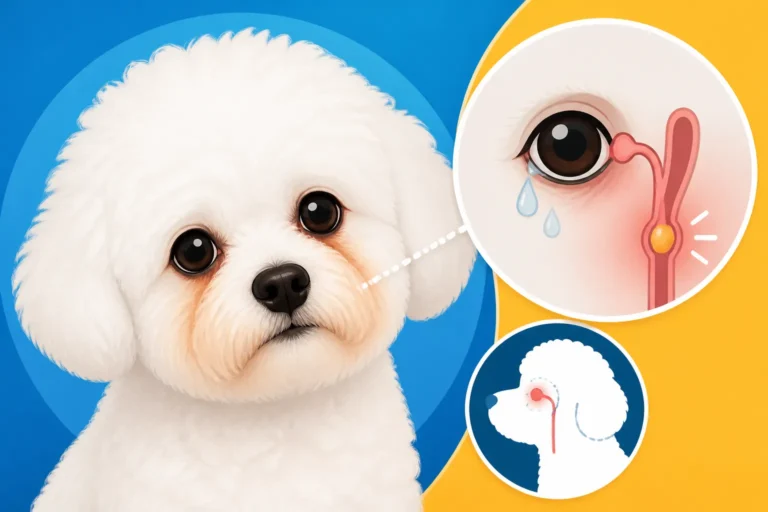
If you own a Bichon Frise, you know the drill: wake up, admire that pristine white fluff, then sigh as you notice the tell-tale streaks under their eyes. It's a common complaint, and it's easy to dismiss as just part of owning a white dog. But those reddish-brown stains aren't just dirt; they're usually a sign of excessive tearing (epiphora) combined with certain factors that promote bacterial or yeast growth, leading to discoloration. It's a complex little problem that rarely has a single, simple solution. For a deep dive, you might find What Causes a Bichon Frise's Tear Stains very helpful.
The Science Behind the Stain: Porphyrins, Bacteria, and Yeast
Let's get a little scientific without getting too technical. The primary culprit for the red-brown color in tear stains isn't actually dirt or even specific food coloring. It's largely due to molecules called porphyrins. These are iron-containing waste products, naturally excreted in the tears, saliva, and urine of dogs. When these porphyrins are exposed to sunlight, they oxidize, turning that distinct reddish-brown color we all recognize. This is why you might see staining not just under the eyes, but sometimes around the mouth if your Bichon licks its paws, or even on the paws themselves.
Beyond porphyrins, bacteria and yeast also play a significant role, particularly Malassezia yeast and certain types of bacteria. These microorganisms thrive in moist environments, like the damp fur under your Bichon's eyes. When they multiply, they can cause secondary infections, irritation, and contribute to the deeper reddish-brown or even sometimes a greenish tint to the stains. This growth is often exacerbated by poor air circulation and constant moisture, turning a cosmetic issue into a potential health concern. This is why addressing the moisture and hygiene is so crucial. If you're wondering if yeast is the issue, check out Whether Yeast Causes a Bichon Frise's Brown Stains.
Why Bichons Are Prone to Tear Stains
It often feels like Bichons have a special knack for developing tear stains, and in many ways, they do. Their breed-specific characteristics make them particularly susceptible. Firstly, their beautiful white coat makes any discoloration incredibly obvious. A dog with darker fur might have the same issue, but you'd never see it!
Secondly, Bichons often have slightly protruding eyes, which means their eyelids might not always close perfectly or their tear ducts can be a bit shallow or kinked. This leads to tears overflowing onto the face instead of draining properly into the nasal cavity. Think of it like a leaky faucet – the water just keeps running onto the counter. Furthermore, some Bichons have excessive hair growth around their eyes, which can act like wicks, drawing tears out onto the fur. This hair can also irritate the eye itself, leading to even more tearing. Addressing this eye irritation is paramount.
Lastly, genetic predisposition can't be overlooked. Some Bichon lines are simply more prone to excessive tearing or have anatomical features that exacerbate the issue. It's a combination of genetics, anatomy, and environment that creates the perfect storm for those tell-tale stains.
The Pitfalls of Using Antibiotics for Tear Stains
When you're dealing with persistent tear stains, it's easy to get desperate and consider anything that promises a quick fix. You might even come across products, often marketed as supplements, that contain hidden antibiotics. While antibiotics can indeed clear up bacterial infections that contribute to tear staining, they are absolutely not a long-term solution for the staining itself, and their use comes with significant risks that every Bichon owner needs to understand.
The Hidden Dangers of Long-Term Antibiotic Use
The biggest problem with using antibiotics for non-medical, cosmetic issues like tear stains is the development of antibiotic resistance. When bacteria are exposed to antibiotics repeatedly, they learn to adapt and become resistant. This means that when your Bichon genuinely needs antibiotics for a serious infection – like a deep skin infection, a urinary tract infection, or pneumonia – those vital medications might not work. We're facing a global crisis with antibiotic resistance, and contributing to it for something as non-life-threatening as tear stains is simply not responsible.
Beyond resistance, long-term antibiotic use can also wreak havoc on your dog's gut microbiome. Antibiotics don't just kill bad bacteria; they wipe out the good bacteria too. This can lead to digestive upset, diarrhea, and even make your Bichon more susceptible to other infections, as their natural defenses are compromised. It's a short-term 'solution' that often creates more problems than it solves in the long run.
Why Many "Tear Stain Removers" Used to Contain Antibiotics
In the past, many over-the-counter tear stain remedies contained antibiotics like tylosin. These products often worked wonders initially because tylosin is effective against some of the bacteria that contribute to the reddish-brown discoloration. Owners would see dramatic improvements, and it seemed like a miracle cure. However, as the veterinary community became more aware of the dangers of widespread, unregulated antibiotic use and the rise of antibiotic-resistant "superbugs," many countries restricted or banned the sale of these products without a prescription.
The issue was that these products were often used continuously, turning antibiotics into a daily supplement rather than a targeted treatment for a diagnosed bacterial infection. This indiscriminate use created a breeding ground for resistance. So, while you might still find older formulations or products from less regulated markets, reputable manufacturers and veterinarians now strongly advise against using antibiotics for tear stains unless there's a specific, diagnosed bacterial infection confirmed by a vet. For information on whether supplements are even safe, see Whether Tear Stain Supplements Are Safe for a Bichon Frise.
Safe and Sustainable Strategies for Managing Bichon Frise Tear Stains
The good news is that there are many effective, safe, and sustainable ways to tackle Bichon Frise tear stains without resorting to antibiotics. It requires consistency and a multi-pronged approach, but the results are worth it for your dog's health and your peace of mind.
Regular Cleaning and Grooming
This is the cornerstone of tear stain management. Those stains won't magically disappear, and if left untouched, they can harden, become matted, and even lead to skin irritation and infection. Daily wiping is essential. Use a soft, damp cloth or specific tear stain wipes to gently clean the area around your Bichon's eyes. Be sure to use products that are safe for use around the eyes – look for options without harsh chemicals or artificial fragrances. Brands like those found on Chewy or Amazon often carry pet-safe wipes.
Beyond daily wiping, regular grooming is non-negotiable for a Bichon Frise. Keeping the hair around their eyes, muzzle, and paws trimmed short helps prevent tears from wicking onto the fur and creating a damp breeding ground for bacteria and yeast. This is especially true for the hair directly under the eyes and along the bridge of the nose. Your groomer can perform a "sanitary trim" for this area, or you can carefully do it yourself with blunt-nosed scissors if you're comfortable. Regular brushing also helps keep the coat clean and free of debris that could irritate the eyes. For more on grooming frequency, consider How Long Brushing a Bichon Frise Takes.
Diet and Water Quality Adjustments
Believe it or not, what your Bichon eats and drinks can have an impact on tear stains. Some theories suggest that certain ingredients in food, or even the quality of tap water, can contribute to increased porphyrin excretion or general inflammation. While there's no single "magic" food to cure tear stains, ensuring a high-quality, balanced diet can support overall health, including eye health.
Many owners report a reduction in tear stains when they switch to filtered water instead of tap water. Tap water often contains high levels of minerals and sometimes even trace amounts of chlorine, which some believe can irritate dogs and contribute to staining. A simple Brita filter or even a dedicated pet water fountain with a filter can make a difference. These are readily available from retailers like Amazon. For a deeper dive into water, check out Whether Filtered Water Reduces a Bichon Frise's Staining. Similarly, eliminating artificial colors, preservatives, and questionable fillers from your dog's diet is often recommended. If you're considering a fresh food diet, options like Ollie might appeal to you, as they focus on natural ingredients, which some owners find beneficial for overall health, including reducing tear stains. Always introduce new foods gradually to avoid stomach upset. Whether Diet Changes a Bichon Frise's Tear Stains provides more context here.
Topical Solutions and Natural Remedies
There's a vast array of topical solutions and natural remedies available that can help manage tear stains without antibiotics. These often work by drying the area, gently bleaching the fur, or containing mild antiseptic properties.
- Veterinary-approved Wipes and Washes: Many excellent products are formulated specifically for tear stains. Look for ones that contain ingredients like boric acid, witch hazel, or colloidal silver, which have gentle astringent or antimicrobial properties. Always ensure they are safe for use around the eyes.
- Cornstarch/Baking Soda Paste: For very stubborn stains, a paste of cornstarch or baking soda mixed with a little water can be carefully applied to the stained fur (avoiding direct contact with the eye). Let it dry, then gently brush it out. This helps absorb moisture and can lighten the stain.
- Coconut Oil: Some owners swear by applying a tiny amount of virgin coconut oil to the stained area. It's believed to create a barrier against tears and may have some mild antibacterial properties. Ensure it's food-grade and used sparingly to avoid getting it into the eye.
- Probiotics: Since gut health can influence overall health, including skin and eye conditions, adding a good quality probiotic supplement to your Bichon's diet can sometimes help. By supporting a healthy gut microbiome, you might indirectly reduce the factors contributing to staining. You can find many reputable probiotic brands on Chewy.
- Regular Eye Flushing: If irritation seems to be a recurring factor, regularly flushing your Bichon's eyes with a sterile saline solution (specifically made for pets, or human contact lens saline solution without preservatives) can help remove irritants and allergens.
Here's a quick comparison of common tear stain management approaches:
| Method | Description | Pros | Cons |
|---|---|---|---|
| Antibiotics (Oral/Topical) | Systemic or local medication targeting bacteria. | Quick reduction in bacterial-induced staining. | High risk of antibiotic resistance, gut disruption, not a long-term solution. |
| Daily Wiping | Gentle cleaning with a damp cloth or specialized wipe. | Simple, cost-effective, prevents build-up. | Requires consistency, doesn't address underlying cause alone. |
| Regular Trimming | Keeping hair around eyes, muzzle, and paws short. | Prevents wicking, reduces moisture, improves hygiene. | Requires consistent grooming, can be tricky to do at home. |
| Filtered Water | Providing purified water instead of tap water. | Easy lifestyle change, no direct contact with pet, general health benefits. | May not be effective for all dogs, requires filter replacement. |
| High-Quality Diet | Feeding premium food free of fillers and artificial ingredients. | Supports overall health, may reduce inflammatory responses. | Can be more expensive, results vary, not a direct stain remover. |
| Topical Solutions | Specially formulated washes, gels, or powders. | Targets stains directly, can be very effective for cosmetic reduction. | Requires careful application, some contain mild bleaching agents. |
| Probiotics | Dietary supplements to support gut health. | Improves overall health, may indirectly reduce inflammation/staining. | Indirect effect, takes time, results vary between dogs. |
For more methods to get rid of those stains, read Whether Tear Stains Can Be Removed From a Bichon Frise. Remember, the key is to find a routine that works for your individual Bichon and stick with it.
When to Seek Veterinary Advice for Persistent Tear Stains
While many tear stain issues are cosmetic or manageable at home, there are times when those persistent stains signal something more serious that warrants a trip to the vet. As a caring owner, knowing when to escalate the situation is crucial for your Bichon's health.
Recognizing Warning Signs Beyond Cosmetic Stains
If your Bichon's tear stains suddenly worsen, change color significantly (e.g., become very dark brown or green), or are accompanied by other symptoms, it's time to call the vet. Look out for:
- Excessive Pawing or Rubbing at the Eyes: This indicates significant irritation or pain.
- Squinting or Holding an Eye Shut: A clear sign of discomfort, potential injury, or severe irritation.
- Redness or Swelling Around the Eye: Suggests inflammation, allergy, or infection.
- Thick, Pus-like Discharge: This is a strong indicator of a bacterial infection.
- Cloudiness or Changes in the Eye Itself: Could signal cataracts, corneal ulcers, or other serious eye conditions. Whether a Bichon Frise Gets Corneal Ulcers offers more information on specific eye issues.
- Odor from the Stained Area: A foul smell often indicates a yeast or bacterial overgrowth that might need medical intervention.
If you observe any of these symptoms, don't delay. Early intervention can prevent minor issues from becoming major problems.
Potential Underlying Medical Conditions
Sometimes, tear stains are merely a symptom of an underlying medical condition that needs professional diagnosis and treatment. Your vet will conduct a thorough eye exam to rule out these possibilities. Common conditions include:
- Blocked Tear Ducts: Tears aren't draining properly. This can sometimes be flushed by a vet, or in severe cases, require surgery. Whether a Bichon Frise's Tear Ducts Block is a good resource if you suspect this.
- Eye Irritation/Allergies: Eyelashes growing inwards (distichiasis), foreign bodies in the eye, or environmental allergies can all cause excessive tearing. Your vet can identify and address these specific irritants.
- Eyelid Abnormalities: Conditions like entropion (eyelid rolling inward) or ectropion (eyelid rolling outward) can cause chronic irritation and tearing.
- Glaucoma or Other Eye Diseases: While less common as a direct cause of staining, any chronic eye issue can lead to increased tearing.
- Bacterial or Yeast Infections: If your vet diagnoses a specific bacterial or yeast infection, they may prescribe appropriate medications – and only then – targeted antibiotics or antifungal treatments. This is very different from using antibiotics routinely for mere staining.
Your vet might recommend specific diagnostic tests, such as a fluorescein stain test to check for corneal ulcers, a Schirmer tear test to measure tear production, or a culture of the discharge to identify specific bacteria or yeast. Getting an annual eye exam is also a good preventative measure to catch issues early. For more on preventative care, consider Whether a Bichon Frise Needs a Yearly Eye Exam. They can also advise on prescription eye drops or oral medications if necessary, ensuring your Bichon gets the right care without unnecessary antibiotic exposure.
Disclaimer
This article is for general informational purposes only and does not constitute professional advice. Laws, prices and regulations vary by location and change over time. Consult a qualified professional for guidance on your specific situation.