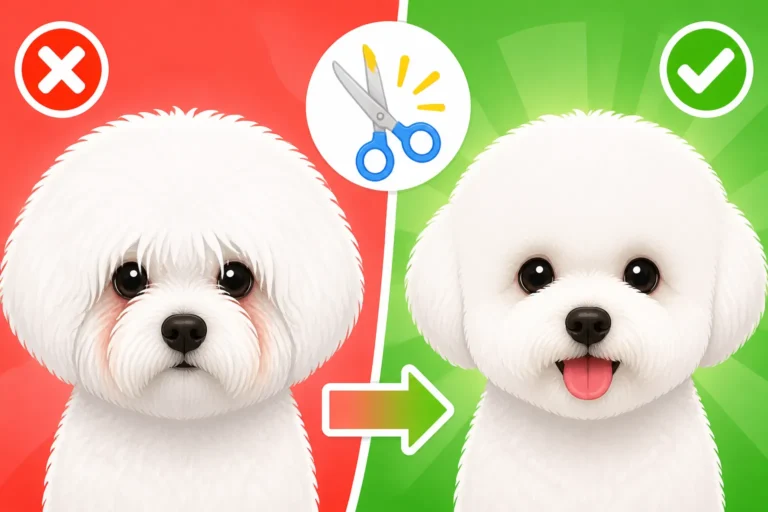
Whether Filtered Water Reduces a Bichon Frise’s Staining
If you're a Bichon Frise parent, you know the absolute heartbreak of waking up to those reddish-brown streaks under your fluffy friend's eyes. It's not just an aesthetic issue; it can feel like a losing battle against something that just won't budge, often leaving you wondering if you're doing something wrong or missing a crucial piece of the puzzle. This guide aims to tackle the persistent problem of Bichon Frise tear staining head-on, specifically diving into the often-discussed topic of filtered water and its potential impact, while also exploring other vital strategies to help your precious pup reclaim their sparkling white face.
The Frustration of Bichon Frise Tear Stains
The pristine, snowy white coat of a Bichon Frise is undeniably one of their most charming features. It's what draws many of us to the breed in the first place, envisioning a fluffy, cloud-like companion trotting by our side. However, that beautiful white canvas also makes any discoloration, particularly around the eyes, stand out like a beacon. It's not just a superficial concern; for many owners, the persistent staining leads to frustration, endless cleaning attempts, and sometimes even embarrassment, despite showering their dogs with love and care. It feels like a constant uphill battle, and you're not alone in feeling this way.
Why Bichon Frises Are Prone to Staining
It's easy to look at those stubborn stains and think it's just bad luck, but there are some very real, underlying reasons why our Bichons seem to be more susceptible than many other breeds. Part of it comes down to genetics and their physical characteristics. Bichons often have shallow eye sockets or eyelids that don't quite fit perfectly, which means tears don't drain as efficiently through the tear ducts. Instead, they overflow onto the fur around the eyes. This constant moisture creates a perfect breeding ground.
Furthermore, the Bichon Frise's fine, dense, and naturally long white hair acts like a sponge, readily absorbing any moisture and making the stains much more visible. Unlike a darker-coated dog where minor staining might blend in, on a Bichon, it's immediately noticeable. This combination of anatomical predisposition and coat type sets our fluffy friends up for a lifetime of potential tear stain challenges. It's not a flaw in their character, or necessarily in your care, but rather a characteristic of the breed itself. Understanding this can help us approach the problem with more empathy and less self-blame. You can find out more about the root causes in What Causes a Bichon Frise's Tear Stains.
The Emotional Toll of Persistent Stains
Beyond the visual aspect, the emotional impact of persistent tear stains on both the dog and the owner can be significant. For the owner, it’s a never-ending cycle of cleaning, wiping, and feeling like you’re not quite "on top" of your dog's grooming. You might worry about judgment from others, or simply feel disheartened that your otherwise immaculate pup always has those tell-tale streaks. It can lead to a sense of exasperation, especially when you've tried seemingly everything under the sun and nothing seems to work. The constant struggle can make you question your effectiveness as a pet parent, even though you’re doing your absolute best.
For the Bichon, while they don't share our aesthetic concerns, persistent moisture and the underlying issues that contribute to staining can lead to skin irritation. That perpetually damp fur can become a haven for bacteria and yeast, leading to itchiness, redness, and even minor infections. This discomfort can make them less tolerant of having their faces handled for cleaning, creating a vicious cycle where a sore face leads to more resistance to grooming, which in turn exacerbates the staining and irritation. It's a frustrating situation for everyone involved, and it highlights why finding effective solutions isn't just about looks, but about comfort and well-being too.
Understanding the Science Behind Tear Stains
Before we dive into potential solutions like filtered water, it's crucial to understand what those reddish-brown stains actually are. It's not just "dirty" tear residue, though it might look that way. There's a biological process at play, primarily involving compounds in tears and their interaction with the environment around your dog's eyes. Unraveling this mystery helps us tackle the problem more effectively, rather than just treating the visible symptoms.
The Role of Porphyrins and Yeast
The primary culprit behind those reddish-brown stains is usually a group of iron-containing molecules called porphyrins. These are naturally occurring waste products from the breakdown of red blood cells in the body. They are excreted through tears, saliva, and urine. When these porphyrins are exposed to sunlight, they oxidize, which causes that characteristic reddish-brown discoloration we see so often on white-coated breeds like our Bichons. Think of it like rust forming on metal; it's a chemical reaction.
However, porphyrins are often not the whole story. The constantly moist environment created by overflowing tears is an ideal breeding ground for certain types of yeast, particularly Malassezia. This yeast thrives in damp, warm conditions, and when it grows excessively, it can add a dark, sometimes almost black or dark brown hue to the stains. If you notice a distinct, slightly sweet or musty odor accompanying the staining, or if the stains seem particularly dark and sticky, yeast is very likely playing a significant role. This is why some treatments focus on anti-fungal properties. You can learn more about this in Whether Yeast Causes a Bichon Frise's Brown Stains.
Other Factors Contributing to Staining
It's rarely just one thing causing tear stains; it's often a confluence of factors that come together to create the perfect storm for discoloration. Beyond porphyrins and yeast, several other elements can contribute.
One major factor is diet. Poor quality food, especially those with artificial additives, dyes, or excessive fillers, can sometimes lead to inflammation or imbalances in the body that manifest as increased tear production or a change in tear composition. While not fully proven, many owners report improvements after switching to a high-quality, natural diet. Another consideration is allergies. Just like humans, Bichons can suffer from environmental allergies (pollen, dust mites) or food allergies. These allergies can cause itchy, watery eyes, leading to an increase in tears and thus more moisture for staining. If your Bichon is constantly rubbing their face or seems to have red, irritated eyes, allergies should be investigated. Whether a Bichon Frise Needs Allergy Testing delves into this further.
Furthermore, blocked tear ducts are a common issue in many small breeds, including Bichons. If the ducts are blocked or very narrow, tears can't drain properly and simply overflow. This requires veterinary attention to diagnose and potentially treat. Even dental issues can play a part; infections in the teeth or gums can sometimes affect the surrounding structures, including tear ducts, leading to increased tearing. Finally, plain old environmental irritants like dust, smoke, or even some household cleaning products can cause temporary eye irritation and increased tear production. It's a complex puzzle, and sometimes you need to address multiple pieces to see real improvement.
Exploring the Filtered Water Connection
Now, let's get to the heart of the matter: does filtered water actually make a difference to tear stains on a Bichon Frise? This is a popular theory among many pet owners, and there's some logical reasoning behind why it might help. However, it's important to approach this with a clear understanding of what "filtered water" means and what it can realistically achieve. It's not a magic bullet, but it can certainly be a piece of the puzzle for some dogs.
How Water Quality Might Affect Staining
The idea behind using filtered water is that tap water, depending on where you live, can contain various minerals, chemicals, and even trace elements like iron. When your Bichon drinks this water, these substances are processed by their body. The theory goes that if the water has a high mineral content, particularly iron, it could potentially contribute to the porphyrins being excreted through tears, or perhaps exacerbate the staining process once the tears are on the fur. While porphyrins are naturally produced by the body, an excess of certain minerals in the diet or water could theoretically play a minor role.
Beyond minerals, tap water can also contain chlorine and other additives used for purification. Some believe these chemicals could act as irritants, leading to increased tear production in sensitive dogs. If a dog's eyes are constantly irritated, even subtly, they will produce more tears, and more tears mean more potential for staining. Filtering the water aims to remove these potential irritants and excess minerals, thereby creating "purer" water for your dog to drink. While direct scientific studies specifically linking filtered water to tear stain reduction are scarce, many anecdotal reports from diligent pet parents suggest it can be a helpful intervention, especially when combined with other measures.
Types of Filtered Water and Their Potential Benefits
When we talk about filtered water, we're not just talking about one single thing. There's a spectrum of filtration methods, each with its own advantages and costs. Understanding these can help you decide which, if any, is the right choice for your Bichon.
-
Carbon Filters (Pitcher Filters): These are the most common and accessible, found in brands like Brita or Pur. They primarily remove chlorine, sediment, and some organic compounds, improving taste and odor. They're relatively inexpensive and easy to use. For a Bichon whose tears might be irritated by chlorine, this could offer some relief by reducing overall tear production. However, they don't typically remove hard minerals like iron or calcium entirely. You can often find these filter replacements on platforms like Chewy or Amazon.
-
Faucet-Mounted Filters: Similar to pitcher filters but attached directly to your tap, offering filtered water on demand. They provide similar benefits in removing chlorine and some contaminants. This is a convenient option if you want to ensure all drinking water for your dog comes from a filtered source without constantly refilling a pitcher.
-
Refrigerator Filters: Many modern refrigerators come with built-in water filters, often carbon-based. This is another convenient source of filtered water for your Bichon. The effectiveness will depend on the filter's specifications.
-
Reverse Osmosis (RO) Systems: These are more intensive filtration systems, usually installed under the sink. RO systems remove a much wider range of contaminants, including dissolved solids, heavy metals, and many minerals, making the water much "purer" than basic carbon filtration. If the issue is truly high mineral content in your tap water contributing to porphyrins, an RO system might offer more significant benefits. However, they are more expensive to install and maintain, and they can strip water of beneficial minerals too, which is something to consider.
-
Distilled Water: This is water that has been boiled into vapor and then condensed back into liquid, effectively removing almost all impurities, minerals, and contaminants. It's the "purest" form of water you can easily get. While it removes everything that could contribute to staining, some veterinarians caution against long-term exclusive use of distilled water for pets (or humans) as it lacks essential minerals. It's best discussed with your vet before making it your sole water source.
The table below summarizes the different types of filtered water and their potential impact on tear stains:
| Filter Type | Primary Removal Capabilities | Potential Impact on Tear Stains | Cost & Convenience |
|---|---|---|---|
| Carbon Filters | Chlorine, sediment, some organic compounds | May reduce irritation if chlorine is a factor, slightly better taste | Low; easy to use (pitchers, faucet mounts) |
| Refrigerator Filters | Varies; typically carbon-based | Similar to carbon filters | Moderate; very convenient if built-in |
| Reverse Osmosis | Dissolved solids, heavy metals, minerals, chlorine | May reduce porphyrin contribution if minerals are key, less irritation | High; professional installation often needed |
| Distilled Water | All minerals, contaminants, chemicals (nearly 100% pure H2O) | Highest potential for reducing mineral-related staining | Moderate; needs to be purchased or created |
Ultimately, for most Bichon Frise owners, starting with a basic carbon filter is an easy and inexpensive first step. If you don't see any noticeable difference after several weeks, then you might consider more advanced options or consult your vet to rule out other medical causes. Remember, it's about addressing all potential factors, not just one.
Practical Steps to Reduce Tear Stains Beyond Water
While considering filtered water is a proactive step, it's rarely the sole answer to eliminating tear stains. A holistic approach that addresses diet, hygiene, and overall health is usually far more effective. It's about building a consistent routine and making choices that support your Bichon's health from the inside out. Don't feel overwhelmed; even small changes can add up to big improvements over time.
Dietary Considerations for a Brighter Coat
What your Bichon eats plays a surprisingly significant role in their overall health, including the quality of their tears and skin. This is an area where you can make a substantial impact.
-
High-Quality, Limited Ingredient Diets: Many owners find success by switching to a premium dog food that features a single protein source and limited, easily digestible ingredients. Avoid foods with artificial colors, preservatives, or excessive fillers like corn, wheat, and soy, as these can sometimes trigger allergies or sensitivities that lead to increased tearing. Look for brands that prioritize whole, natural ingredients. Some pet parents swear by fresh food diets, like those from Ollie, reporting a noticeable reduction in tear staining because of the high-quality, easily digestible ingredients and absence of artificial additives.
-
Avoiding Foods with Red Dyes: While this might seem obvious, many treats and even some kibbles contain red food dyes. These dyes, when excreted through tears or saliva, can exacerbate the reddish appearance of porphyrin stains. Always check ingredient lists carefully.
-
Supplements: Certain supplements can support tear stain reduction. Probiotics, for example, can help maintain a healthy gut microbiome, which in turn supports overall immune function and may reduce allergic reactions that contribute to watery eyes. Antioxidant-rich supplements can also help. Just be sure to discuss any new supplements with your vet before introducing them to your Bichon's diet.
-
Check for Food Allergies: If you suspect food allergies are contributing to your Bichon's watery eyes and staining, an elimination diet under veterinary guidance might be necessary. This involves feeding a novel protein and carbohydrate source for a period to see if symptoms resolve, then slowly reintroducing ingredients. This can be a meticulous process, but it's invaluable if allergies are the root cause. You can dive deeper into this topic in Whether Diet Changes a Bichon Frise's Tear Stains.
Grooming Routines and Products
Consistent, diligent grooming is arguably the most critical aspect of managing tear stains. This isn't just about making your Bichon look good; it's about keeping their delicate facial area clean and healthy.
-
Daily Face Wiping: This is non-negotiable for a Bichon prone to staining. Use a soft, damp cloth, a cotton ball, or a specialized tear stain wipe designed for pets. Gently wipe the area under the eyes at least once, preferably twice, a day. This removes accumulated tears, porphyrins, and prevents yeast and bacteria from taking hold. Make sure the area is completely dry afterward, as moisture is the enemy.
-
Trimming Hair Around the Eyes: Excessively long hair around the eyes can wick tears, creating more moisture against the skin and acting as a magnet for staining. Regularly and carefully trim this hair, or have your professional groomer do it. This creates a barrier, helping tears drain away more effectively and keeping the fur drier. Take extreme care if doing this yourself, as the eyes are incredibly delicate.
-
Specialized Tear Stain Products: There are numerous products on the market designed to lighten or prevent tear stains. These often contain mild cleansing agents, sometimes natural antiseptics like colloidal silver, or even very low doses of antibiotics (though long-term use of antibiotics is generally not recommended without vet supervision due to resistance concerns). Always choose products specifically formulated for dogs and read reviews carefully. Brands available on Chewy or Amazon often offer a range of these products. Apply according to instructions, being careful not to get them directly into your dog's eyes.
-
Regular Bathing and Drying: While not specifically for the eyes, keeping your Bichon's entire coat clean and white helps with the overall presentation. Use a whitening shampoo specifically formulated for dogs, like those you can find on Amazon or Chewy. After bathing, thoroughly dry your Bichon's face and coat. A damp coat, especially around the eyes, creates conditions ripe for stain development and yeast overgrowth. Which Shampoo Keeps a Bichon Frise White offers more guidance on maintaining that snowy coat.
| Aspect | Action | Benefit | Key Considerations |
|---|---|---|---|
| Diet | High-quality, limited ingredient food; avoid red dyes; consider supplements | Reduces inflammation, potential allergens; supports gut health | Consult vet for suspected allergies; quality ingredients are key |
| Wiping | Daily gentle wiping with damp cloth/specialized wipes | Removes fresh tears, prevents build-up; keeps area dry | Consistency is crucial; ensure area is completely dry after wiping |
| Trimming | Carefully trim hair around eyes | Prevents wicking of tears; reduces moisture against skin | Use blunt-nosed scissors; extreme caution required; groomer is often best |
| Products | Use dog-specific tear stain removers/wipes | Helps lighten existing stains and prevent new ones | Follow instructions carefully; avoid contact with eyes; consult vet for antibiotic products |
| Bathing | Regular baths with whitening shampoo; thorough drying | Keeps entire coat white; prevents yeast/bacteria in damp areas | Use dog-specific shampoos; ensure full drying, especially facial hair |
What to Expect and When to Seek Professional Advice
It's easy to get caught up in the desire for a perfectly white, stain-free Bichon face overnight. However, managing tear stains is a marathon, not a sprint. Setting realistic expectations and knowing when to escalate the issue to a veterinary professional are key to both your sanity and your dog's well-being.
Setting Realistic Expectations for Stain Reduction
One of the hardest truths to accept about Bichon Frise tear stains is that complete elimination is often incredibly difficult, if not impossible, for many dogs. Due to their genetics, anatomy, and coat type, some level of staining may simply be part of their life. The goal, therefore, should shift from eradication to management and reduction.
You might see significant improvement, especially with a multi-pronged approach combining filtered water, diet changes, and consistent grooming. The stains might become lighter, less noticeable, or occur less frequently. But expecting them to disappear entirely and never return could lead to disappointment. Consistency is truly the name of the game. If you miss a day of wiping, or if your dog gets into a treat that doesn't align with their diet, you might see the stains re-emerge or worsen. It’s a constant commitment, much like maintaining their fluffy coat or ensuring they have a proper toilet routine, as discussed in The Toilet Routine That Finally Works on a Bichon Frise. Celebrate the small victories – a few days with lighter stains, less irritation – and understand that you are doing your best for your beloved companion.
When a Vet's Expertise Becomes Essential
While many tear stain issues can be managed at home, there are definite signs that indicate it's time to put down the wipes and pick up the phone to your veterinarian. Ignoring these signs could lead to more serious health problems for your Bichon.
-
Sudden Onset or Worsening of Stains: If your Bichon suddenly develops severe staining, or if existing stains dramatically worsen in a short period, it's a red flag. This could indicate an acute medical issue.
-
Eye Irritation and Pain: Any signs of discomfort such as squinting, pawing at the eyes, excessive blinking, redness, swelling, or discharge (especially yellow or green) warrant immediate veterinary attention. These could be symptoms of an eye infection, foreign body, corneal ulcer, or other painful condition. The Eyes a Bichon Frise Inherits explores common eye issues in the breed.
-
Blocked Tear Ducts: If your vet suspects blocked tear ducts, they may perform a simple diagnostic test to confirm. In some cases, flushing the tear ducts under sedation might be recommended to clear any obstructions. This is a procedure that only a qualified veterinarian can perform.
-
Allergies or Underlying Health Conditions: If you've tried all the home remedies and the staining persists, or if your Bichon has other symptoms like itching, ear infections, or digestive upset, your vet can investigate underlying allergies or other health conditions. They might recommend allergy testing, specific diets, or medications to address the root cause. This could be anything from environmental allergens to something more complex like Cushing's Disease in a Bichon Frise Past Seven, which can sometimes present with increased thirst and urination, though not directly tear staining.
-
Persistent Yeast Infections: If you suspect yeast is heavily involved (dark, smelly stains), your vet can confirm this with a simple test and prescribe appropriate topical or oral anti-fungal medications to get it under control. While Recurrent Ear Infections in a Bichon Frise is different, it's another common yeast-related issue that often requires veterinary intervention.
In summary, while filtered water can be a helpful addition to your tear stain management strategy, view it as one tool in a larger toolbox. It's a journey of consistent effort, observation, and knowing when to lean on professional veterinary advice to ensure your Bichon Frise not only looks their best but feels their best too.
Disclaimer
This article is for general informational purposes only and does not constitute professional advice. Laws, prices and regulations vary by location and change over time. Consult a qualified professional for guidance on your specific situation.