Whether a Bichon Frise’s Feet Stain Brown
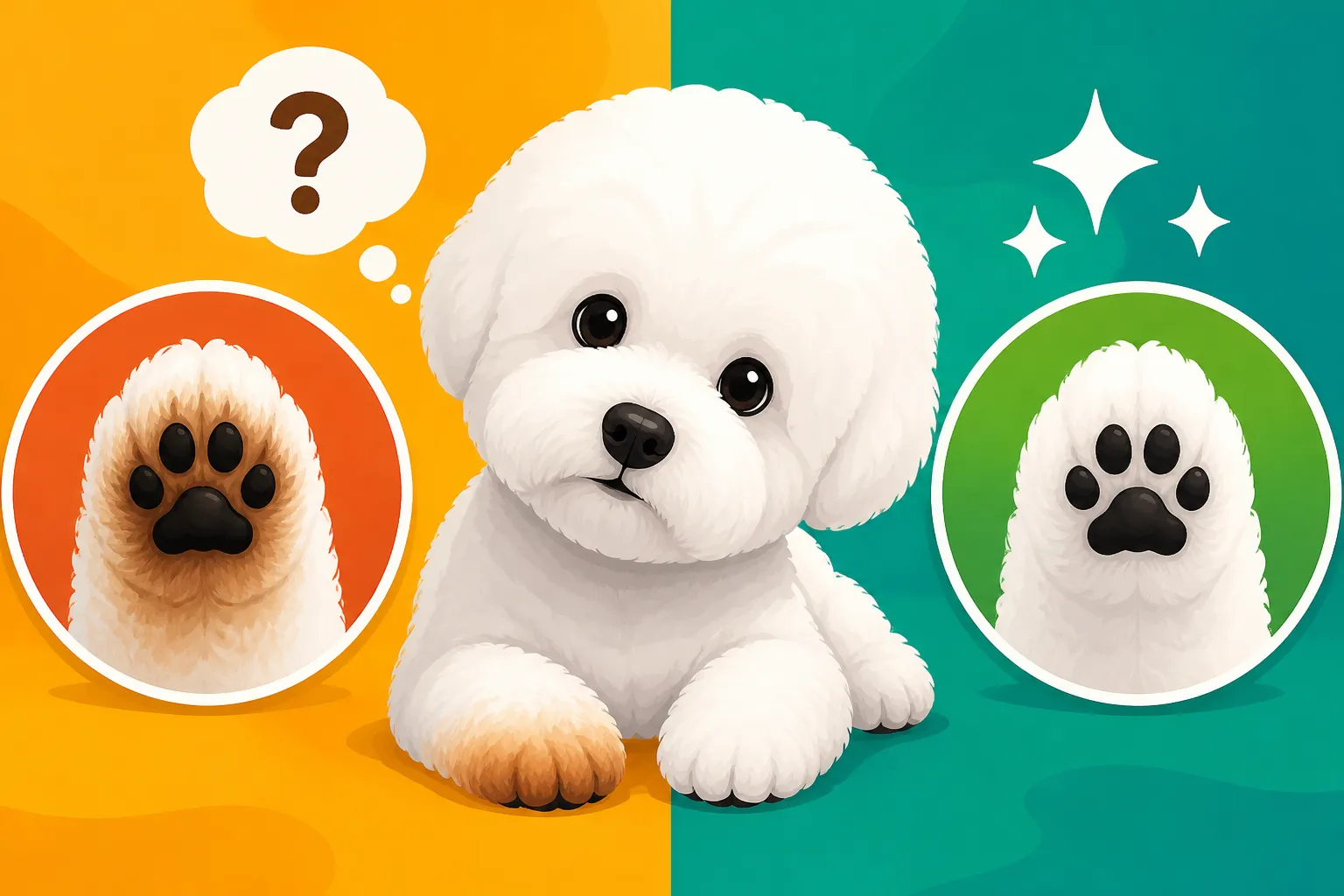
It’s a sight familiar to so many Bichon Frise parents: those pristine white paws you adore slowly transforming into a rather unsightly shade of brown or reddish-brown. It’s frustrating, isn't it? You bathe them, you groom them, and still, those tell-tale stains creep back, often leaving you wondering if it’s just a cosmetic nuisance or a sign of something deeper going on with your fluffy companion. This comprehensive guide will delve into why your Bichon’s feet might be staining, what those stains could indicate, and most importantly, how to tackle the issue effectively to keep those paws pearly white and healthy.
The Common Culprits Behind Brown Paw Stains
When you look at your Bichon Frise’s paws and see that discolored fur, it's easy to assume it’s just dirt. While some environmental staining can happen, the persistent brown or reddish-brown discoloration is usually a sign of something more biological at play. The pristine white coat of a Bichon acts like a highlighter, making any discoloration far more noticeable than on a dog with darker fur. Understanding the root causes is the first step toward finding a lasting solution.
Saliva and Excessive Licking
One of the primary reasons for those stubborn brown stains is excessive licking. When your Bichon licks their paws repeatedly, their saliva acts as a major contributor to the discoloration. Bichon Frise saliva contains porphyrins, which are iron-containing proteins that, when exposed to light and air, turn a reddish-brown color. It's the same reason you might see similar reddish stains around their eyes from tears, or on their muzzle if they frequently lick their chops.
Imagine your pup, perhaps after a meal or a moment of boredom, begins to incessantly lick their front paws. Initially, the fur might just be damp. But as they continue this behavior over hours, days, or weeks, the constant moisture and the porphyrins in their saliva begin to oxidize on the fur. It's a gradual process, but once established, those stains can be incredibly tough to remove without dedicated cleaning and addressing the underlying licking behavior. This isn't just a minor habit; prolonged licking can saturate the fur, creating a warm, moist environment that welcomes secondary issues.
Environmental Factors and Moisture
Beyond saliva, the everyday environment your Bichon navigates also plays a significant role in paw staining, especially when combined with moisture. Think about the puddles they might splash through, the damp grass on a morning walk, or even just the condensation from a spilled water bowl. Water itself isn't the problem, but constant dampness, particularly on dense Bichon fur, creates an ideal breeding ground for yeast and bacteria.
Consider a typical walk: your Bichon trots through some muddy patches, or maybe even steps in a bit of urine from another dog. If those paws aren’t thoroughly cleaned and dried afterward, that moisture, combined with environmental debris, can lead to discoloration. Even chemicals from lawn treatments or sidewalk de-icers can cause irritation and subsequent staining if paws aren't rinsed. It's not just the initial exposure; it's the lingering dampness that allows these external elements to bind to the fur and foster microbial growth. This can lead to a vicious cycle where dampness causes irritation, which in turn causes more licking, further exacerbating the staining. For this breed, even the simple act of taking a walk can turn into a grooming challenge if you're not prepared for the clean-up.
Underlying Health Conditions
While often frustrating, paw staining can sometimes be a helpful visual cue that your Bichon Frise is struggling with an underlying health issue. It's easy to dismiss it as just dirty fur, but persistent, severe staining, especially if accompanied by other symptoms, warrants closer investigation.
Allergies and Skin Irritation
One of the most common underlying causes of excessive paw licking and subsequent staining in Bichons is allergies. Just like humans, dogs can suffer from environmental allergies (atopy) to things like pollen, dust mites, or molds, or from food allergies. When a Bichon experiences an allergic reaction, their skin becomes itchy and inflamed. For many dogs, this itchiness manifests primarily in their paws, causing them to lick, chew, and gnaw at them relentlessly. What Atopic Dermatitis Does to a Bichon Frise describes how this can progress.
Imagine your Bichon constantly gnawing at their paws, leaving them perpetually damp with saliva. This persistent moisture and irritation can lead to secondary yeast or bacterial infections, which only intensify the itching and licking cycle. If you notice your dog's paws are not just stained, but also red, swollen, or have a strong, yeasty odor, allergies are a strong suspect. An elimination diet, potentially with specialized foods available through retailers like Chewy or Ollie, might be recommended by your vet if food allergies are suspected. Your vet might also discuss Whether a Bichon Frise Needs Allergy Testing to pinpoint environmental triggers.
Yeast and Bacterial Infections
The warm, moist environment created by constant licking or damp paws is a perfect breeding ground for opportunistic infections, specifically yeast (Malassezia) and bacteria (Staphylococcus). These infections can cause intense itching, leading to even more licking and compounding the staining problem. Yeast infections, in particular, often produce a distinctive sweet or "corn chip" like odor, which many owners describe as emanating from their dog's paws. The fur might also take on a greasy texture.
When a yeast or bacterial infection takes hold, it’s not just about the stain anymore; it’s about discomfort and potential pain for your dog. The skin between their paw pads and toes can become inflamed, red, and irritated. You might notice them limping slightly or trying to avoid having their paws touched. These infections require veterinary attention, often involving medicated shampoos or topical treatments, and sometimes oral antibiotics or antifungals. Without treating the underlying infection, no amount of grooming will permanently resolve the staining because the licking behavior, driven by discomfort, will simply continue.
Addressing and Preventing Paw Stains
Successfully tackling brown paw stains on your Bichon Frise involves a multi-pronged approach: consistent grooming, protective measures, and addressing any underlying health concerns. It’s not a quick fix, but with dedication, you can keep those white paws looking their best.
The Role of Regular Grooming
Consistent and thorough grooming is your first line of defense against paw staining. For a breed like the Bichon Frise, known for its dazzling white coat, grooming isn't just about aesthetics; it's a vital part of their health routine. How Often a Bichon Frise Needs a Full Groom gives a good overview of the commitment involved.
Daily Cleaning and Drying
After every walk, especially in damp or muddy conditions, make it a habit to clean your Bichon’s paws. A simple rinse with lukewarm water, followed by thorough drying with a soft towel, can make a huge difference. Pay special attention to the spaces between their paw pads and toes, as these areas tend to trap moisture and debris. Some owners even use pet-safe wipes, readily available on platforms like Amazon, for quick clean-ups after short outings.
The drying step is crucial. If even a little moisture remains, it creates that perfect breeding ground for yeast and bacteria we talked about earlier. Consider using a low-heat setting on a hairdryer, specifically designed for pets, to ensure complete dryness. For the really tough stains that have already set in, a specialized whitening shampoo, like those mentioned in Which Shampoo Keeps a Bichon Frise White, can be used during their regular bath routine. Remember, patience and consistency are key here; daily habits prevent the build-up that becomes so hard to remove.
Trimming Paw Hair
Another critical grooming step is keeping the hair between your Bichon’s paw pads trimmed short. Long hair in this area can trap moisture, dirt, and debris, making it much harder to keep the paws clean and dry. It also provides more surface area for saliva to adhere to, leading to more extensive staining.
Using blunt-nosed grooming scissors or a small clipper designed for paw pads, carefully trim the excess hair flush with the pads. If you’re unsure how to do this safely, ask your professional groomer to demonstrate or perform it during their regular visits. Your groomer will also be adept at Teaching a Bichon Frise to Hold Still on a Table which makes these tasks much easier. Keeping this hair short not only helps with hygiene and staining but also improves your dog's traction on smooth floors, reducing the risk of slips and falls. This simple act removes a significant factor contributing to moisture retention and subsequent staining and infections.
Protecting Paws from the Elements
Beyond cleaning, proactive measures to protect your Bichon’s paws from staining agents are incredibly helpful. Prevention is always easier than cure!
Paw Balm and Booties
Applying a protective paw balm before walks can create a barrier against moisture, dirt, and irritating chemicals from pavements or lawns. Look for natural, pet-safe balms that moisturize and protect. These can be found at most pet supply stores or online marketplaces like Chewy. The balm creates a thin, protective layer that makes it harder for stains to adhere directly to the fur and helps prevent chapping or cracking of the paw pads themselves.
For even more protection, especially during very wet weather, snowy conditions (where de-icing salts are common), or muddy trails, consider using dog booties. While some dogs take a while to get used to them, booties offer an excellent physical barrier. They prevent direct contact with staining agents and keep the paws dry. Introduce them gradually with positive reinforcement, and soon your Bichon might even enjoy their "shoes" for walks! Remember to remove the booties promptly after coming indoors and check their paws for any trapped moisture or debris.
Designating Outdoor Potty Areas
Where your Bichon chooses to relieve themselves can also contribute to paw staining. If they frequently step in their own urine, especially on a regular basis, the urine can cause a yellowish or brownish discoloration on their white fur, which can be even more pronounced in male Bichons if they tend to spray or lift their leg.
Training your Bichon to use a specific, designated potty area in your yard can help. This might involve consistently leading them to that spot, rewarding them when they go there, and promptly cleaning up any accidents elsewhere. If they tend to mark, ensuring quick clean-up can prevent repeated exposure. For apartment dwellers, this might mean being extra vigilant about keeping outdoor common areas clean, or using a potty patch (like an indoor grass patch) if outdoor access is limited or inconvenient during inclement weather. Minimizing contact with urine is a simple yet effective step in preventing a common source of staining.
Medical Interventions and Dietary Support
Sometimes, no amount of grooming or protective gear will fully resolve persistent paw staining because the root cause lies deeper, often within an underlying health issue. This is where your veterinarian becomes an invaluable partner.
When to Consult a Veterinarian
It's important to know when to move beyond home remedies and seek professional veterinary advice. If your Bichon's paw staining is severe, accompanied by intense licking, redness, swelling, a strong odor, or if your dog seems genuinely uncomfortable or painful, it's definitely time for a vet visit. These signs strongly suggest an underlying medical condition that won't resolve on its own.
Your veterinarian will perform a thorough examination, which may include checking between the paw pads for irritation, yeast, or bacterial infections. They might take skin scrapings or swabs for microscopic analysis to identify the specific type of infection (yeast, bacteria, or both). If allergies are suspected, they might discuss options like dietary trials, allergy testing, or anti-itch medications. Don't feel guilty about needing veterinary help; What Bichon Frises Are Most Often Treated For often includes skin and allergy issues, so you're not alone in facing these challenges. Ignoring these symptoms can lead to chronic discomfort for your dog and more difficult-to-treat conditions down the line.
Addressing Allergies and Infections
Once a veterinarian diagnoses an underlying allergy or infection, they will recommend a specific treatment plan.
Allergy Management
If allergies are determined to be the cause of the licking and staining, management might involve a multi-faceted approach. For food allergies, an Whether an Elimination Diet Helps a Bichon Frise is usually recommended. This involves feeding a novel protein or hydrolyzed protein diet for several weeks to see if symptoms improve. Products from specialized pet food brands or prescription diets available through your vet or online retailers like Chewy often play a role here. For environmental allergies, your vet might suggest:
- Antihistamines: Over-the-counter options, or prescription ones specifically for dogs.
- Omega-3 Fatty Acid Supplements: These can help support skin barrier health and reduce inflammation.
- Medicated Shampoos and Wipes: Designed to soothe irritated skin and manage secondary infections. Whether a Bichon Frise Should Be Bathed More When Itchy explores this further.
- Prescription Medications: Drugs like Apoquel or Cytopoint can provide significant relief from itching.
- Immunotherapy: Custom-made allergy shots based on specific allergens identified through testing.
Managing allergies is often a lifelong journey, requiring consistent effort and close collaboration with your vet.
Treating Infections
For yeast or bacterial infections, your vet will prescribe targeted treatments.
- Topical Treatments: This often includes medicated shampoos, mousses, or wipes containing antifungal or antibacterial agents. You might be instructed to use these regularly, sometimes daily, until the infection clears.
- Oral Medications: In more severe cases, or when topical treatments aren't sufficient, oral antibiotics (for bacterial infections) or antifungals (for yeast infections) may be prescribed. It’s crucial to administer these exactly as directed for the full course, even if symptoms appear to improve, to prevent recurrence and antibiotic resistance.
Remember, simply cleaning the stained fur won't resolve the underlying infection or allergy. These medical interventions are vital to breaking the cycle of itching, licking, and staining, bringing genuine relief and comfort to your Bichon.
Long-Term Management and Lifestyle Adjustments
Keeping your Bichon Frise’s paws white and healthy is an ongoing commitment. It’s about more than just reacting to stains; it’s about establishing routines and making lifestyle choices that support their overall well-being.
Maintaining a Consistent Routine
Consistency in grooming and monitoring is paramount for a Bichon Frise, especially one prone to paw staining. It’s not a one-and-done solution; it’s a lifestyle.
Regular Grooming Schedule
Maintain a strict grooming schedule that includes professional full grooms as needed – typically every 4-6 weeks for a Bichon – as well as daily home care. This means daily brushing to prevent mats, which can trap moisture and increase staining potential, and frequent paw checks. When your dog goes to the groomer, they will trim the hair on the pads and perform a thorough wash, helping to remove stains that have set in.
Between professional visits, you are responsible for the daily maintenance. This includes wiping paws after every outdoor excursion, ensuring they are completely dry, and doing quick visual checks for redness, swelling, or any new licking behaviors. Think of it as preventative medicine for their coat and skin. A consistent routine helps you catch minor issues before they escalate into major problems, ensuring your Bichon stays comfortable and spotless.
Diet and Hydration Considerations
Diet can indirectly influence paw staining, particularly if a food allergy is a contributing factor to licking. If your vet suspects a food allergy, adhering strictly to a prescribed or novel protein diet is essential. Even if allergies aren't the primary cause, a high-quality, balanced diet supports overall skin and coat health, which can make them more resilient. Many owners find value in discussing specialized diets with their vet, which can then be sourced from reputable online retailers like Chewy or Ollie.
Adequate hydration is also crucial for overall health. While it doesn't directly prevent paw staining, ensuring your Bichon drinks enough water helps maintain healthy organ function and can contribute to a healthy skin barrier. Encourage water intake by offering fresh, clean water at all times. Some dogs enjoy pet water fountains, or you can add a splash of low-sodium broth to their water to entice them to drink more.
Holistic Approaches and Environmental Control
Beyond direct medical and grooming interventions, considering holistic approaches and controlling your Bichon's environment can also play a significant role in managing paw staining.
Reducing Environmental Triggers
If your Bichon has environmental allergies, minimizing exposure to known triggers can help reduce their itching and subsequent licking. For pollen allergies, try to walk your dog in the early morning or late evening when pollen counts are lower. Wipe down their paws and coat after outdoor excursions to remove any clinging allergens. Regularly clean and vacuum your home with a HEPA filter to reduce dust mites and mold spores. Washing their bedding frequently in hot water also helps.
For dogs with contact allergies, identify and remove potential irritants from their environment, such as certain cleaning products or types of bedding. If your lawn is chemically treated, keep your Bichon off it, or rinse their paws thoroughly after they've been on it. Being mindful of these potential triggers can significantly lessen the burden on your dog’s immune system, leading to less itchiness and, consequently, less paw staining.
Stress and Boredom Management
Sometimes, excessive licking is not driven by allergies or infections but by behavioral factors like stress, anxiety, or boredom. A Bichon Frise is an intelligent and companionable breed, and if left alone for long periods without adequate mental or physical stimulation, they can develop compulsive licking habits.
Ensure your Bichon gets enough exercise and mental enrichment appropriate for their size and age. Daily walks, playtime with toys, puzzle feeders, and training sessions can help keep them engaged and reduce boredom. If separation anxiety is suspected, talk to your vet or a certified professional dog trainer about behavior modification techniques. A calm, well-exercised, and mentally stimulated Bichon is less likely to resort to self-soothing behaviors like excessive paw licking, which in turn reduces the likelihood of those frustrating brown stains.
Here’s a quick overview of common causes and solutions for brown paw stains:
| Cause | Description | Signs Beyond Staining | Key Solutions |
|---|---|---|---|
| Saliva/Licking | Porphyrins in saliva oxidize, turning fur reddish-brown. | None specific initially; leads to other issues. | Address underlying reason for licking; regular cleaning. |
| Environmental Dirt | Mud, soil, grass stains, chemicals from walking surfaces. | Visible dirt, possibly irritation if chemicals involved. | Daily paw wiping/rinsing, use paw balm/booties. |
| Urine Contact | Stepping in urine, particularly with frequent marking. | Yellowish/brownish stain, especially between toes. | Designate potty area, prompt clean-up, trim paw hair. |
| Allergies | Environmental or food allergies cause intense itchiness, leading to licking. | Redness, swelling, inflammation, yeasty odor, discomfort. | Vet diagnosis, elimination diet, antihistamines, medications. |
| Yeast/Bacterial Inf. | Opportunistic infections thrive in moist, licked areas. | "Corn chip" odor, redness, greasy fur, pain, persistent licking. | Vet diagnosis, medicated shampoos, oral antibiotics/antifungals. |
| Boredom/Anxiety | Licking as a compulsive self-soothing behavior. | Restlessness, destructive behavior, whining, excessive grooming. | Increase exercise & mental stimulation, consult trainer/vet. |
Conclusion
Those brown paw stains on your Bichon Frise might seem like a never-ending battle, but with a clear understanding of their causes and a consistent, proactive approach, you absolutely can keep your dog’s paws clean, white, and most importantly, healthy. Remember, while some staining is purely cosmetic, persistent or severe discoloration often hints at underlying discomfort for your beloved companion, whether it’s allergies, infections, or even behavioral issues. Don't hesitate to partner with your veterinarian for diagnosis and treatment of any medical causes, and combine that with diligent home grooming and environmental management. With a little dedication, those adorable white paws will be sparkling again!
Disclaimer
This article is for general informational purposes only and does not constitute professional advice. Laws, prices and regulations vary by location and change over time. Consult a qualified professional for guidance on your specific situation.