Whether Dematting Hurts a Bichon Frise
One of the most heart-wrenching things a Bichon Frise owner can face is a matted coat. It's not just a cosmetic issue; it's a painful reality that can cause significant discomfort and health problems for your beloved fluffy companion. This guide will delve deep into why dematting can hurt a Bichon Frise, how to prevent mats from forming in the first place, and what your options are when you find yourself battling those stubborn tangles.
Understanding the Bichon Frise Coat
The Bichon Frise coat is truly a marvel, designed to provide warmth and protection, but it's also a double-edged sword when it comes to grooming. Its unique structure, while contributing to its signature "powder puff" look and hypoallergenic reputation, also makes it incredibly prone to matting. Understanding this is the first step to preventing pain for your dog.
The Unique Texture
Unlike many double-coated breeds that shed seasonally, the Bichon Frise has a continuous-growth coat with a soft, dense undercoat and a coarser, curly outer coat. This combination creates a "springy" texture that holds shape beautifully. However, it also means that shed hairs don't fall out; instead, they get caught within the surrounding healthy hair. This trapped hair, combined with the natural curl and density, is a perfect recipe for tangles. Imagine trying to untangle a ball of wool that's also attached to your skin – that's a bit like what a mat feels like for a Bichon. This unique coat characteristic is precisely why shed hair staying in the coat is such a critical consideration for owners.
How Mats Form
Mats begin as small tangles, often in areas of friction like behind the ears, under the legs, around the collar, or where the harness sits. As these small tangles are left unaddressed, they collect more loose hair, dirt, and even dander. With every rub, scratch, or roll, these small tangles tighten, pulling on the skin beneath. They become larger, denser masses, eventually forming a felt-like layer that can cover significant portions of the dog's body. Moisture, like from baths that aren't followed by thorough drying and brushing, or even just humidity, can accelerate this process, cementing the hairs together even more tightly.
The Pain of Dematting
Let's be blunt: dematting a Bichon Frise, especially severe mats, can be incredibly painful. It's not just a minor inconvenience; it can be a traumatic experience for your dog, leading to fear of grooming and even distrust towards you or their groomer. It’s crucial to understand the implications before attempting any dematting.
Why Dematting Can Be Painful
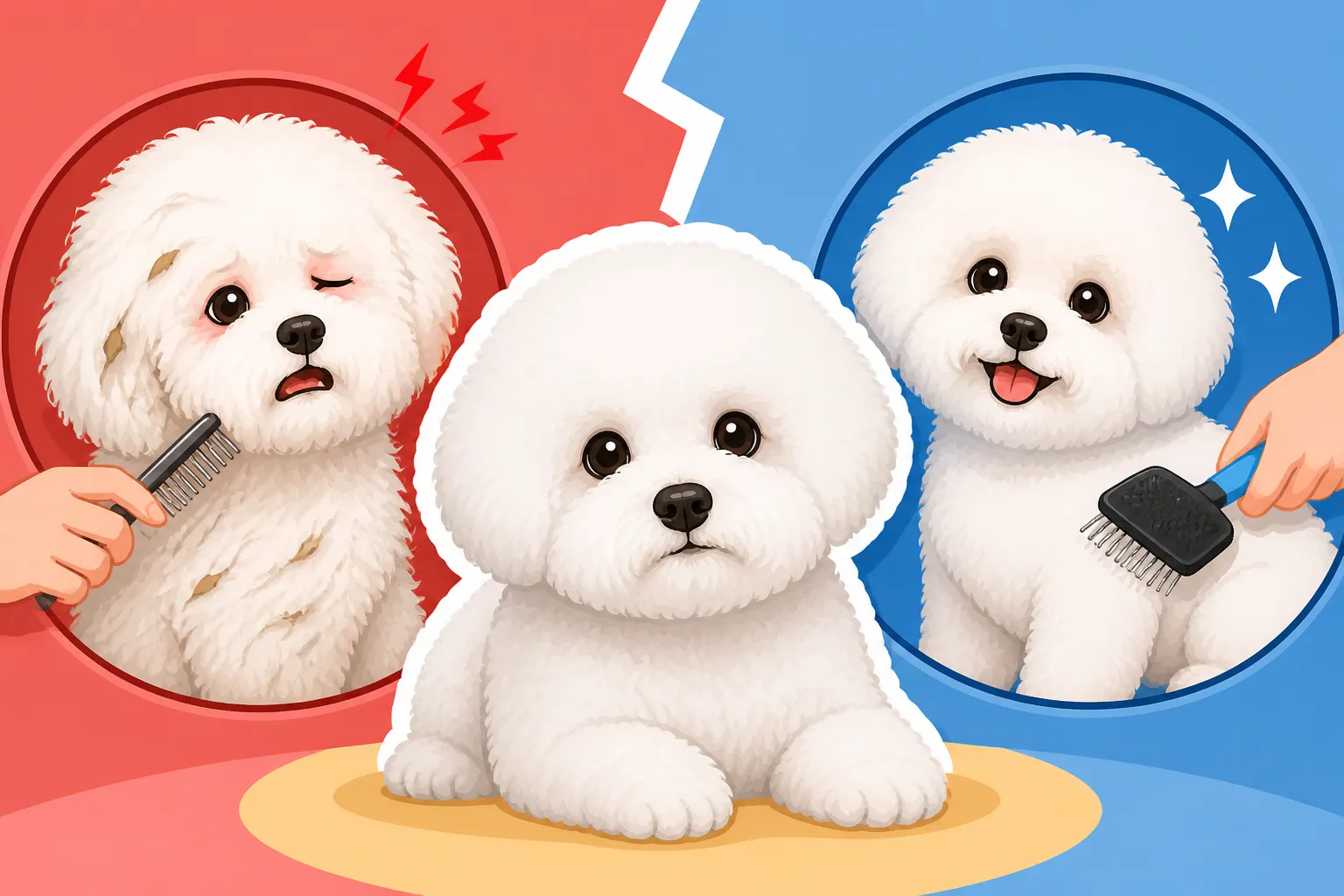
When a mat forms, it pulls on the delicate skin underneath. This isn't like a knot in human hair; it's physically tethered to the skin. Trying to pull apart or cut through a mat without extreme care will inevitably pull that skin, causing sharp pain. Imagine having a piece of hair pulled out, but multiplied by hundreds or thousands of hairs all at once, from an area of your body as sensitive as your armpit or behind your ear. That's the sensation a dog experiences. The skin under mats can also become irritated, inflamed, or even infected, making it even more sensitive to touch. If the mats are very tight, they can even restrict blood flow. This explains why a Bichon with a sore coat might become grumpy or even Whether an Itchy Bichon Frise Bites When Handled during grooming.
Recognizing Signs of Discomfort
Your Bichon Frise might not always cry out when they're in pain from dematting, but they'll certainly show signs. Look for flinching, yelping, trying to bite or snap, pulling away, or becoming completely still and rigid. Some dogs might even growl or try to run away. After a painful dematting session, they might be withdrawn, reluctant to be touched, or even shake. If you're attempting dematting at home and notice any of these signs, it's a clear signal that your dog is suffering, and it’s time to stop and reassess your approach, or better yet, seek professional help. Remember, Whether a Bichon Frise Learns to Fear the Groomer After Pain is a real and significant risk.
The Risks of Prolonged Matting
Beyond the immediate pain of dematting, allowing mats to persist can lead to a host of health problems. Tight mats can restrict movement, making it difficult or painful for your Bichon to walk, run, or even lie down comfortably. They can trap moisture, leading to skin infections, hot spots, or fungal growth. Parasites like fleas and ticks can hide within dense mats, making them hard to detect and treat. In extreme cases, mats can be so severe that they cut off circulation, leading to tissue damage, or even cause nerve damage if they compress nerves. Mats around the rear can trap feces, leading to hygiene issues and further skin irritation. It’s not just about aesthetics; it’s about your dog’s overall well-being.
When Dematting Is an Option (and When It's Not)
While the goal is always to preserve the coat, there comes a point where dematting becomes cruel rather than kind. Knowing when to attempt dematting and when to opt for shaving is a crucial part of responsible Bichon Frise ownership.
Minor Mats vs. Severe Felting
Small, superficial tangles that haven't tightened against the skin might be carefully worked out with the right tools and technique. These are typically found on the very ends of the coat, not deep near the skin. You might find a few small knots behind the ears or under the chin after a vigorous play session. However, when mats become dense, felted, and close to the skin – a condition sometimes called "pelting" – dematting is rarely a humane option. Felting means the hair has become a solid, impenetrable sheet, pulling the skin taut beneath it. Trying to comb or pick this apart is essentially tearing at the dog's skin.
The "Humanity Before Vanity" Principle
This is a mantra every groomer and responsible pet owner should live by. If a Bichon Frise's coat is severely matted, the kindest, most humane action is often to shave the coat short. While a short haircut might temporarily change your Bichon's iconic look, it relieves them of immediate pain and discomfort, allows their skin to breathe and heal, and provides a fresh start. The coat will grow back. A dog in pain, however, will remember that pain. Sometimes, a clean shave is the only way to alleviate suffering, and it ensures the dog doesn't learn to associate grooming with agony. This is especially true if you are trying to address Whether a Matted Bichon Frise Must Be Shaved.
Professional Dematting Techniques
For minor mats, a professional groomer might employ specific techniques and tools to minimize discomfort. They often use a dematting spray or conditioner to lubricate the hair, a specialized dematting comb or rake, and work slowly, section by section, holding the skin at the base of the mat to prevent pulling. They understand How Long Brushing a Bichon Frise Takes and the patience required. Groomers are also trained to recognize when a mat is too severe for dematting and will advise shaving. Never hesitate to consult a professional; they have the experience and the right tools to make the best decision for your dog's comfort. Some of these professional tools and products can even be found on sites like Chewy or Amazon if you're looking to upgrade your home grooming kit for prevention.
Preventing Mats in Your Bichon Frise
Prevention is, without a doubt, the absolute best strategy when it comes to Bichon Frise mats. A consistent grooming routine will save your dog from pain and you from stress and potentially higher grooming bills.
The Daily Brushing Ritual
The key to preventing mats is consistent, thorough brushing, ideally every single day. This isn't just a quick once-over with a brush; it's a dedicated session of "line brushing." Line brushing involves parting the hair in small sections and brushing from the skin out, layer by layer, ensuring you reach all the way down to the skin. This technique helps to remove any shed hairs before they have a chance to tangle with the growing coat. Pay extra attention to those friction areas we mentioned earlier: behind the ears, armpits, groin, and around the tail. Establishing this routine from puppyhood can make your Bichon more accepting of grooming sessions. For more detailed instructions, you might find Whether Line Brushing Is Necessary on a Bichon Frise helpful.
Proper Tools Make a Difference
Having the right tools is paramount. For a Bichon Frise, you'll need a good quality slicker brush and a metal comb with both fine and wide teeth.
- Slicker Brush: This brush is excellent for working through tangles and removing loose undercoat. Ensure the pins are fine enough to grab the hair but gentle enough not to scratch the skin.
- Metal Comb: The comb is your ultimate check. After brushing with the slicker, use the metal comb to ensure there are no hidden tangles. If the comb glides smoothly from root to tip, you've done a good job. If it snags, go back with your slicker brush and gently work out the knot. Many quality grooming tools are readily available on online retailers like Amazon and Chewy, making it easy to equip your grooming kit. Understanding Which Brush Suits a Bichon Frise and Whether a Comb Should Follow the Brush will significantly impact your success.
In addition to brushes and combs, consider a good conditioning spray, especially for longer coats or during dry weather. A light mist before brushing can help lubricate the hair, making it easier to detangle and reducing static which can contribute to tangling.
The Role of Regular Professional Grooming
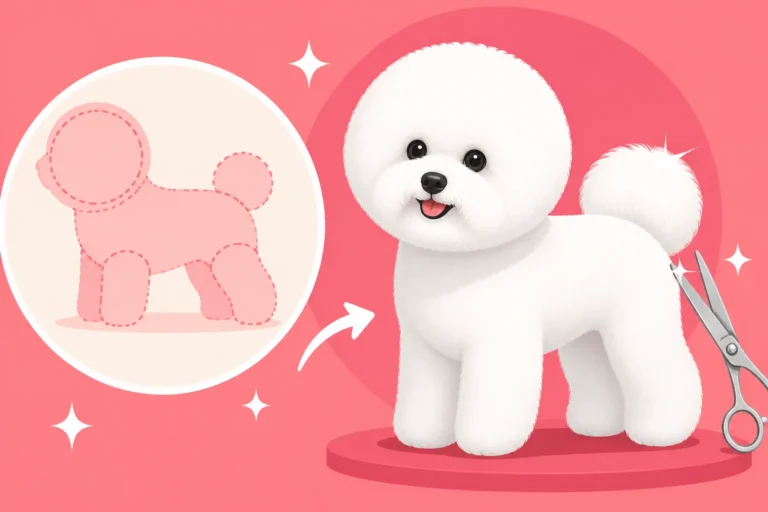
Even with diligent home care, a Bichon Frise requires regular professional grooming, typically every 4-6 weeks. Professional groomers have specialized equipment, such as high-velocity dryers which help "stretch" the coat straight, making it less prone to tangles, and expertise in scissoring and clipping to maintain a manageable length and shape. They can spot and address potential matting issues before they become severe. Discuss your home grooming routine with your groomer so they can tailor their approach and provide tips specific to your dog's coat type and lifestyle. Skipping professional grooms can quickly lead to coat issues that are much harder, and more painful, to resolve. This ongoing need for professional care is why How Many Weeks Between Bichon Frise Grooms is a crucial question for new owners.
Here's a quick guide to understanding mat severity and the best course of action:
| Mat Severity Level | Description | Recommended Action | Potential Pain for Dog |
|---|---|---|---|
| Minor Tangles | Small, loose knots on the outer layer of the coat, not tight against the skin. | Gentle, careful brushing with a slicker and comb, using detangling spray. Focus on prevention. | Minimal |
| Moderate Mats | Tighter, larger knots, beginning to pull at the skin, often in friction areas (ears, armpits). | Professional dematting might be possible but will require patience and could still cause discomfort. Prioritize humanity. | Moderate |
| Severe Felting | Dense, felt-like mats covering significant body areas, pulling skin taut. | Immediate professional shaving to the skin. Dematting is inhumane and dangerous. | High |
| "Pelting" | Extreme felting where the entire coat forms a solid shell, often with inflamed or infected skin underneath. | Emergency veterinary visit for sedation and shaving. Skin issues need immediate medical attention. | Extreme |
Lifestyle and Its Impact on Coat Health
Your Bichon Frise's daily life can also influence how prone their coat is to matting. Active dogs who love to roll in the grass, swim, or play vigorously might pick up debris and develop tangles more quickly. Dogs wearing sweaters, harnesses, or collars for extended periods can also experience matting where the fabric rubs against the coat. Even certain diets can impact coat quality; some owners find that a high-quality diet, perhaps one from a brand like Ollie, can contribute to a healthier, more resilient coat.
Consider the environment your Bichon lives in. If you live in a humid climate, or if your dog frequently gets wet (from rain, baths, or even dew on the grass), thorough drying and brushing become even more crucial. Remember, damp hair mats faster! If your dog is frequently out in inclement weather, consider a doggy raincoat to protect their coat.
Conclusion
The question "Whether dematting hurts a Bichon Frise" can be answered with a resounding "yes" if the mats are anything beyond the most superficial tangles. Our sweet, fluffy Bichon Frises deserve to be comfortable and pain-free. As their guardians, it's our responsibility to ensure their grooming routine is consistent and humane. This means committing to daily brushing with the right tools, scheduling regular professional grooms, and, when necessary, making the compassionate decision to shave a severely matted coat rather than subjecting our beloved pets to prolonged pain. Prioritize their well-being, and your Bichon will thank you with their characteristic happy disposition and joyful "Bichon blitzes"!
Disclaimer
This article is for general informational purposes only and does not constitute professional advice. Laws, prices and regulations vary by location and change over time. Consult a qualified professional for guidance on your specific situation.