Whether a Bichon Frise’s Muzzle Should Be Kept Short
One of the most common dilemmas Bichon Frise owners face is how to manage that adorable, fluffy muzzle. You love the classic "powder puff" look, but let's be honest, long hair around the mouth can quickly become a sticky, stained, and matted nightmare. This guide is all about helping you decide whether a shorter muzzle trim is right for your beloved Bichon, balancing that iconic appearance with practical, everyday comfort and hygiene.
Understanding the Bichon Frise Muzzle and Coat
That cloud-like face is undeniably a huge part of the Bichon Frise's charm, but it's also a significant commitment. Understanding why their muzzle hair grows the way it does, and what the breed standard envisions, is the first step to making informed grooming choices.
The Standard Look vs. Practicality
The breed standard for the Bichon Frise famously describes a "powder puff" appearance, with a round head that blends into the neck, giving the impression of a soft, cotton ball. This look requires a significant amount of hair on the muzzle and around the eyes, scissored meticulously to create that perfectly rounded, fluffy silhouette. It's a gorgeous look, no doubt, and what many people envision when they think of a Bichon.
However, that stunning aesthetic comes with practical challenges. In everyday life, a long muzzle can quickly become a magnet for food, moisture, and debris. After every meal, your sweet pup's pristine white beard might be caked with kibble bits or wet food, and after a drink of water, it's a dripping mess. This isn't just unsightly; it can lead to tangles, matting, and even skin irritation if not cleaned and dried promptly. Many owners find themselves battling persistent The Tear Stains Under a Bichon Frise's Eyes as well, which are often made worse by longer muzzle hair staying damp and trapping bacteria. It's a constant effort to keep them looking show-ring ready when they're busy being happy, messy dogs.
Why a Bichon Frise's Muzzle Hair Grows So Long
Unlike many breeds that "shed out" their undercoat seasonally, Bichon Frises have a double coat that is often described as non-shedding. Their soft, dense undercoat and coarser outer coat grow continuously, much like human hair. Instead of falling out, shed hairs get caught within the existing coat, which is why regular brushing is absolutely crucial to prevent matting. Why a Bichon Frise's Shed Hair Stays in the Coat explains this in more detail.
This continuous growth applies particularly to the hair on their muzzle, head, and face. If left untrimmed, it would just keep growing longer and longer, eventually obscuring their eyes and creating a shaggy, unkempt look that's far from the classic Bichon Frise appearance. This unique coat characteristic is what makes Bichons so appealing to people with allergies, as they produce less dander and shed minimal hair into the environment. But it also means that consistent, thoughtful grooming, especially around the face, isn't just for looks – it's a fundamental part of their care. Without regular attention, that charming fluff can become a painful, matted mess that compromises their comfort and health.
The Pros and Cons of a Shorter Muzzle Trim
Deciding on a muzzle length is a personal choice that often weighs aesthetics against ease of care and your dog's comfort. There are valid reasons why owners opt for either a shorter, more practical trim or stick with the traditional, longer style.
Benefits of Keeping the Muzzle Short
For many Bichon Frise owners, a shorter muzzle trim offers a world of practical benefits that greatly improve daily life for both dog and human. Let's be honest, nobody enjoys scrubbing dried food out of a dog's beard after every meal or dealing with constant drips after they drink.
First and foremost is improved hygiene. With less hair to catch food and moisture, the muzzle stays cleaner and drier. This significantly reduces the chances of bacteria and yeast building up, which can lead to unpleasant odors and skin irritations. Imagine your Bichon finishing a bowl of The Urinary Diet a Bichon Frise Stays On without half of it clinging to their face! This also makes routine cleaning much quicker and easier.
Secondly, a shorter muzzle cut can dramatically reduce tear staining and associated skin issues. When hair around the eyes and mouth is long, it traps moisture from tears and saliva, creating a damp environment where yeast and bacteria thrive, causing those stubborn reddish-brown stains. By keeping the hair shorter, the area dries faster, making it harder for these organisms to take hold. This can be a huge relief for owners constantly battling Whether a Bichon Frise's Stains Come Back Immediately.
Thirdly, fewer tangles and mats become a reality. The muzzle area is particularly prone to matting because of constant contact with food, water, and even rubbing against furniture or toys. A shorter trim minimizes the amount of hair available to tangle, making daily brushing a breeze rather than a wrestling match. This can save you time and your dog discomfort, especially if they are already prone to matting behind the ears or on their legs.
Finally, consider your Bichon's overall comfort. Long hair can sometimes irritate their eyes, especially if it grows inward or is constantly getting wet and then drying stiff. A shorter muzzle can make eating and drinking more comfortable, allowing them to enjoy their meals and stay hydrated without the added facial adornment getting in the way. It’s about letting them be a happy, carefree dog without the burden of excessive facial hair.
Potential Drawbacks of a Shorter Muzzle
While a shorter muzzle trim offers many practical advantages, it's not without its considerations, particularly if you're deeply attached to the classic Bichon Frise look.
The most obvious drawback is aesthetics. A shorter muzzle fundamentally changes the iconic "powder puff" silhouette. Instead of that perfectly rounded, fluffy cloud, your Bichon will have a more defined, often squarer, or even slightly poodle-like face. For owners who cherish the traditional appearance, this can be a difficult adjustment. It might make your Bichon look less like the breed standard and more like a generic "fluffy white dog," which can be disappointing if you specifically chose the breed for its distinctive look. This is why it's so important to communicate clearly with your groomer about the style you prefer.
Another point to consider is the potential for uneven cuts if home grooming. Trimming around a dog's sensitive face, especially with scissors, requires skill and a steady hand. If you're attempting a shorter muzzle trim yourself, it's easy to accidentally cut too much, create an asymmetrical look, or even nick your dog's skin. Professional groomers are trained to achieve a neat, even finish, even with shorter styles, which can be challenging for the average pet owner. While it's tempting to save money, a botched home trim can take weeks to grow out and rectify.
Lastly, while a shorter muzzle reduces immediate matting, you still need to be diligent with care. The hair will grow back surprisingly quickly, meaning you'll be heading to the groomer more often or performing more frequent mini-trims at home to maintain the desired length. This can add to the overall cost and time commitment of grooming. It’s not a "set it and forget it" solution, but rather a different approach to ongoing maintenance. What might look like a hassle-free short cut today will be back to collecting dinner tomorrow if not regularly maintained. How Often a Bichon Frise Needs Grooming is a good read on general grooming frequency.
Practical Tips for Maintaining Your Bichon Frise's Muzzle
Whether you opt for a shorter, more practical muzzle or try to maintain a longer, fluffier look, consistent care is paramount. A little daily effort can prevent big problems down the line.
At-Home Maintenance and Tools
Even with a professional groomer on your team, daily at-home care of your Bichon's muzzle is essential. This is where you prevent the small tangles from becoming giant mats and keep the area clean between salon visits.
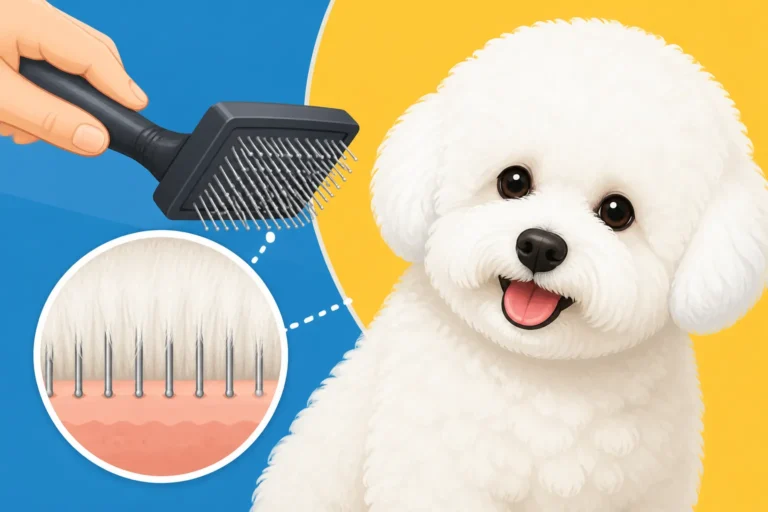
Brushing and Combing: Invest in a good quality slicker brush and a metal comb. For the muzzle, a greyhound-style comb with both wide and fine teeth is indispensable. After meals or drinks, gently comb through the muzzle hair to remove any food debris and small tangles. Always brush with the hair growth, then against it gently to ensure you're getting down to the skin. Pay special attention to the corners of the mouth and under the chin, where food and moisture tend to accumulate. Which Brush Suits a Bichon Frise offers more details on selecting the right tools.
Cleaning: Keep pet-safe wipes handy. After meals and especially after outdoor adventures, gently wipe your Bichon's muzzle. This helps remove food particles, dirt, and excess moisture that can lead to staining and skin irritation. For stubborn stains, you might look into specific tear stain removers available on marketplaces like Amazon or specialized pet stores, but always choose products safe for use around the eyes and mouth. Make sure to dry the area thoroughly after cleaning, perhaps with a soft towel or even a low-setting hairdryer if your dog tolerates it. This daily ritual is key to keeping them looking fresh and preventing issues.
Safe Trimming (if you're brave!): If you decide to do minor trims at home, always use blunt-nosed scissors specifically designed for pet grooming. Never use sharp-tipped human scissors near your dog's eyes or mouth. Hold your Bichon firmly but gently, and always point the scissor tips away from their face. For the muzzle, focus on trimming stray hairs that get into their food or water bowl, or any wisps that irritate their eyes. Many owners find it easier to use small, quiet clippers with a very short blade (like a #10 or #15) for the sanitary areas around the mouth and under the chin, as it's often safer than scissors for those tricky spots. Just be sure to educate yourself thoroughly on proper grooming techniques before attempting any scissor or clipper work near sensitive areas.
Working with a Professional Groomer
Your groomer is your partner in maintaining your Bichon Frise's magnificent coat, and their expertise is invaluable, especially when it comes to the detailed work around the face. Open and clear communication with them is absolutely critical to achieving the look you desire and ensuring your dog's comfort.
Be Specific with Your Requests: Don't just say "trim the face." Be explicit about the length and style you want for your Bichon's muzzle. If you want it shorter for hygiene, say "I'd like a practical, shorter muzzle trim that keeps him clean and dry, even if it's not the traditional round look." If you want it kept longer but neat, explain "I prefer the full, fluffy muzzle, but please make sure it's kept tidy and out of his eyes and mouth." Bringing in a photo of a Bichon with the muzzle length you prefer can be incredibly helpful – a picture really is worth a thousand words to a groomer. This ensures you and your groomer are on the same page and avoids misunderstandings that can lead to disappointment.
Discuss Your Dog's Lifestyle: Share details about your Bichon's daily life. Do they love playing outside in all weather? Are they a messy eater? Do they get tear stains easily? This information helps your groomer recommend the most practical muzzle length and style for your specific dog. For example, a Bichon who loves to dig and play in the mud might benefit greatly from a much shorter, low-maintenance muzzle. Conversely, a pampered lapdog might tolerate a longer, more elaborate trim.
Listen to Their Professional Advice: Experienced groomers see dozens of Bichons and understand their coat types and common issues. They can offer valuable insights into what styles will work best for your dog's individual coat texture, how frequently you'll need to visit, and even suggest products for at-home care. They might explain why the "powder puff" look is maintained by scissoring rather than clipping, as discussed in Why a Groomer Scissors a Bichon Frise Instead of Clipping It. Be open to their suggestions, especially if they are making recommendations for your dog's health and comfort. Regular visits, perhaps every 4-6 weeks for a full groom, will ensure the muzzle always looks its best, whether short or long.
Addressing Tear Stains and Moisture
Tear stains are a pervasive issue for many white-coated breeds, and Bichons are certainly no exception. The length and management of their muzzle hair play a huge role in how noticeable and problematic these stains become.
The Connection to Muzzle Length: When the hair around the eyes and muzzle is long, it acts like a wick, drawing moisture from tears and saliva and keeping the skin underneath constantly damp. This moist environment is a breeding ground for yeast and bacteria, which produce the reddish-brown pigment that creates the unsightly stains. The longer and denser the hair, the more effectively it traps this moisture. A good groomer understands this and will often trim the hair very short in the corner of the eyes and around the mouth to allow for better air circulation and drying. This is an excellent way to combat What Causes a Bichon Frise's Tear Stains.
Daily Cleaning is Your Best Friend: Regardless of muzzle length, daily cleaning of the tear-stained areas is crucial. Use a damp cloth, a pet-safe tear stain wipe, or a dedicated tear stain solution to gently wipe the area around the eyes and mouth. Be very careful not to get any product in the eyes. After cleaning, ensure the area is completely dry. You can gently blot with a tissue or use a fine-toothed comb to separate the hairs and help them air dry. Consistently dry fur is less likely to stain.
Consider Diet and Water Quality: Sometimes, diet can influence tear staining. Some owners find that switching to a high-quality food, or even a fresh food option like Ollie, can reduce staining in some dogs by improving overall health and potentially reducing allergens. Additionally, filtered water or water served in stainless steel or ceramic bowls (rather than plastic) is sometimes suggested as plastic can harbor bacteria. While these aren't guaranteed cures, they can be part of a holistic approach to minimizing tear stains. You can even find specialized shampoos at retailers like Chewy that are designed to whiten and brighten coats, helping to lessen the appearance of existing stains.
Long-Term Considerations for Muzzle Grooming
Muzzle grooming isn't just about how your Bichon looks today; it's an ongoing commitment that impacts their long-term health, comfort, and even how they experience the world around them.
Impact on Health and Hygiene
Neglecting your Bichon Frise's muzzle can have more serious consequences than just a messy appearance. The health and hygiene of this area are intrinsically linked to their overall well-being.
Skin Irritations and Infections: As we've touched upon, consistently damp hair around the muzzle creates a perfect breeding ground for yeast and bacteria. This can lead to painful skin infections (pyoderma), yeast infections, and even hot spots. These conditions cause itching, redness, inflammation, and can be quite uncomfortable for your dog. If you notice persistent redness, odor, or your Bichon rubbing their face excessively, it's time for a vet visit. Regular trimming and cleaning prevent this dampness and allow the skin to breathe.
Dental Health Connection: Believe it or not, the state of your Bichon's muzzle hair can even indirectly impact their dental health. Excessively long, matted hair can interfere with their ability to chew properly or even make it harder for you to inspect their teeth and gums regularly. This breed is unfortunately prone to Dental Disease in a Bichon Frise, so anything that hinders regular oral care, even grooming neglect around the mouth, can be a problem. A clean, well-trimmed muzzle area makes it easier to perform daily tooth brushing and spot any potential issues early.
Eye Health: Long hair constantly falling into the eyes or irritating the sensitive skin around them can lead to chronic irritation, corneal ulcers, or conjunctivitis. Keeping the hair around the eyes trimmed short and clear is vital for their vision and comfort. A small irritation can quickly escalate into a more serious eye problem, requiring veterinary intervention. Preventing such issues through thoughtful grooming saves your dog discomfort and you potential vet bills. It’s all about maintaining a healthy, happy pup from nose to tail, and the muzzle is a surprisingly critical component of that.
Adapting Grooming as Your Bichon Ages
As your Bichon Frise transitions into their senior years, their grooming needs, including their muzzle care, might shift. What worked perfectly for a youthful, energetic pup might need to be adjusted for an older, perhaps more sensitive, or less mobile senior. Caring for a Bichon Frise Past Eleven can provide broader context for senior care.
Increased Sensitivity: Older dogs can become more sensitive to grooming tools and procedures. Their skin might be thinner, their joints might ache, and they may have less patience for long grooming sessions. A shorter muzzle trim can be a fantastic option for seniors, as it requires less time and effort to maintain. This reduces the stress and physical strain associated with grooming, making the experience more comfortable for them. Your groomer can adapt their techniques, perhaps using quieter clippers or allowing for more breaks.
Vision and Hearing Changes: Older Bichons may experience some decline in vision or hearing. This can make them more easily startled by sudden movements or noises, especially during grooming. Keeping their muzzle clear of their eyes is even more crucial if their vision is already compromised, helping them navigate their world more easily. A shorter muzzle also makes it easier for them to locate food and water if their senses aren't as sharp as they once were.
Health Conditions: Senior Bichons are more prone to certain health conditions, such as Cushing's Disease in a Bichon Frise Past Seven or Diabetes in a Bichon Frise, which can sometimes affect coat quality or skin health. They might also be on medications that impact their skin. A shorter, practical muzzle is often recommended during these times, as it allows for easier monitoring of skin condition, simpler medication application (if needed), and generally keeps them cleaner with less effort. It also means less tugging and pulling during brushing, which is ideal if they have arthritis. It's about prioritizing their comfort and well-being over strict adherence to a particular aesthetic.
Ultimately, the decision to keep your Bichon Frise's muzzle short is a balance between maintaining that adorable "powder puff" image and ensuring their daily comfort, hygiene, and health. There's no single right answer, and what works for one Bichon might not work for another. By understanding their unique coat, communicating openly with your groomer, and staying consistent with at-home care, you can ensure your furry friend looks their best and feels great, no matter what length their muzzle hair is.
| Muzzle Length | Pros | Cons | Best For |
|---|---|---|---|
| Short | Excellent hygiene, less staining | Less "Bichon-like" appearance | Active dogs, messy eaters, owners prioritizing ease of care, dogs with chronic tear stains |
| Medium | Good balance of fluff and practicality | Still requires consistent brushing and cleaning | Owners who want some fluff but need practical management |
| Long | Classic "powder puff" show look | High maintenance, prone to mats, heavy staining | Show dogs, owners dedicated to daily, intensive grooming |
Disclaimer
This article is for general informational purposes only and does not constitute professional advice. Laws, prices and regulations vary by location and change over time. Consult a qualified professional for guidance on your specific situation.