Whether Saliva Stains a Bichon Frise’s Legs
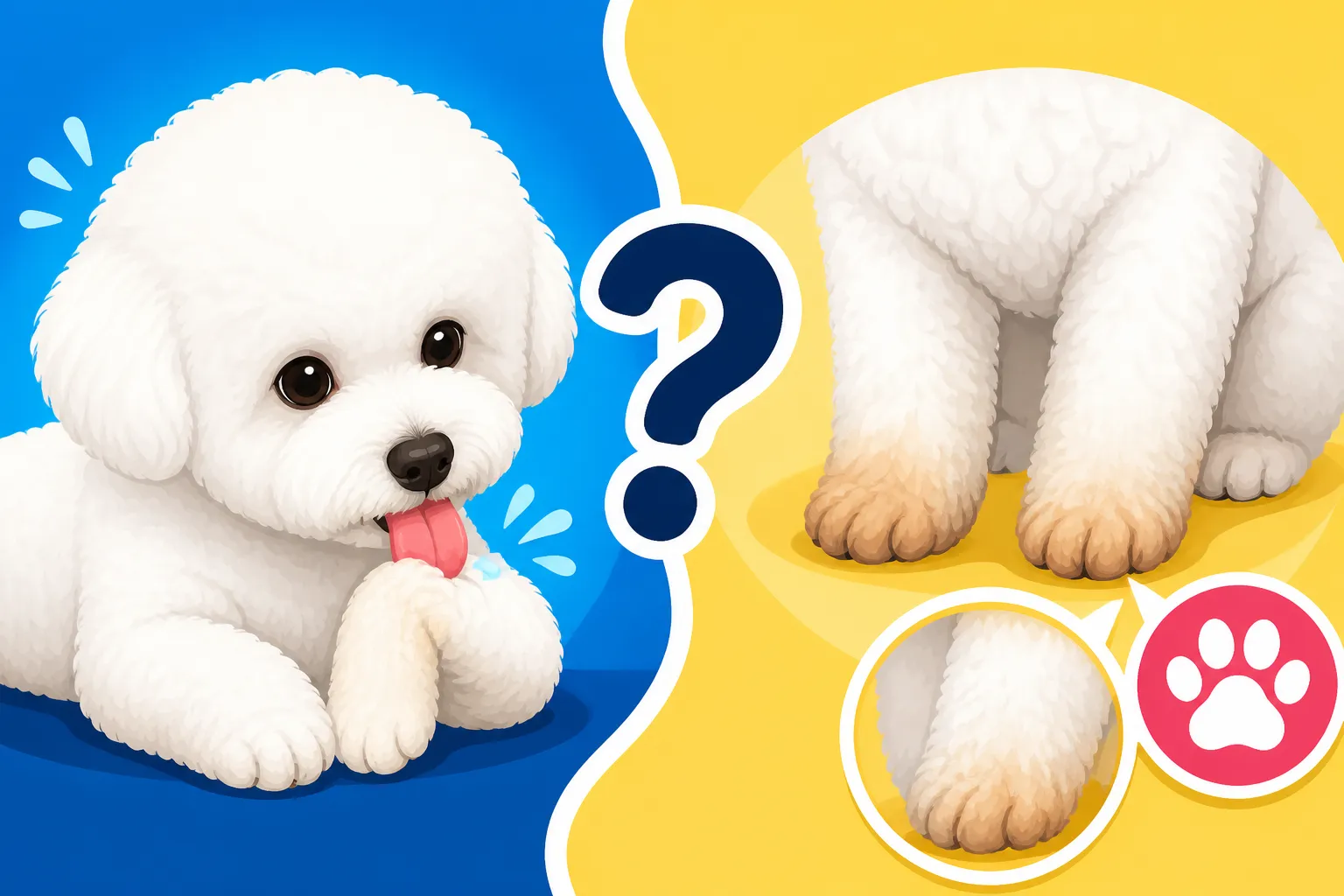
That pristine white coat of a Bichon Frise is simply beautiful, isn't it? But then you look down at those adorable little paws and legs, and you see it: a reddish-brown discoloration that just won't budge. It's frustrating to witness your beloved companion's fur go from dazzling white to a rather unappealing rusty shade, and it often leaves us wondering if it's just normal or a sign of something more. This guide will dive deep into why your Bichon's saliva might be staining their legs, what common culprits are behind the excessive licking, and most importantly, what practical steps you can take to bring back that brilliant white.
The Science Behind Saliva Stains on White Coats
It's easy to blame the staining on "dirty" saliva, but there's a bit more going on under the surface. Those reddish-brown marks aren't just from wetness; they're a tell-tale sign of certain compounds found naturally in your dog's body, reacting with their environment. Understanding this can help you tackle the problem more effectively.
What's Actually in Dog Saliva?
When your Bichon licks their legs, they're not just depositing clear liquid. Dog saliva, like human saliva, contains various proteins, enzymes, and other biological components. Among these are compounds called porphyrins. Porphyrins are iron-containing molecules produced during the breakdown of red blood cells. They're excreted in tears, urine, and yes, saliva. While they are usually clear or colorless when fresh, porphyrins oxidize when exposed to air and sunlight, leading to the reddish-brown discoloration we often see. Think of it like an apple browning after you cut it and leave it out – it's an oxidation process.
Beyond porphyrins, the constant moisture from licking creates a perfect breeding ground for yeast and bacteria. Specifically, a common yeast called Malassezia thrives in warm, moist environments, and it can contribute to a secondary reddish or brownish discoloration, often with a slightly greasy texture and a distinctive odor. So, while porphyrins might initiate the stain, yeast and bacteria can quickly join the party, making the problem worse and sometimes even causing discomfort or itching that perpetuates the licking cycle.
Why Bichons Are Prone to Visible Staining
You might notice these stains more prominently on a Bichon Frise than, say, a black Labrador. The reason is quite simple: their coat color. A Bichon's characteristic brilliant white coat acts like a blank canvas, making even the slightest discoloration incredibly obvious. On a darker dog, porphyrin stains or yeast growth might go unnoticed or simply blend in.
Furthermore, Bichons are often very fastidious groomers, and some can become quite obsessive about licking specific areas, especially their legs and paws. This means they are consistently applying saliva to the same spots, allowing the porphyrins ample time to oxidize and the yeast to multiply. Their delicate skin can also be more susceptible to irritation, which means they might lick more frequently due to discomfort, creating a vicious cycle of licking, staining, and further irritation. This is particularly true for breeds known for The Atopic Skin a Bichon Frise Is Born With, which can make them more sensitive.
Common Causes of Excessive Licking and Staining
It’s crucial to remember that the stains themselves are often a symptom of something else. Your Bichon isn't just licking for fun; there's usually an underlying reason for the excessive behavior. Identifying and addressing this root cause is the most effective way to reduce the staining.
Allergies and Irritation
This is perhaps the most common culprit behind a Bichon Frise's relentless licking of their legs and paws. Just like humans, dogs can suffer from a range of allergies that cause intense itching and discomfort.
- Environmental Allergies (Atopy): Pollens, dust mites, mold spores – these airborne irritants can cause a dog's immune system to overreact, leading to itchy skin, particularly on the paws, belly, ears, and face. Your Bichon might be suffering from atopic dermatitis, which can cause intense itchiness, redness, and inflammation. When their paws and legs itch, they lick them incessantly for relief. This constant moisture from licking, combined with porphyrins, leads directly to those unsightly brown stains. If you’ve ever noticed your Bichon Whether a Bichon Frise Licks Its Paws Raw, it’s often a sign of underlying allergies or irritation.
- Food Allergies/Sensitivities: While less common than environmental allergies, certain ingredients in your dog's diet (often proteins like chicken, beef, or dairy) can trigger an allergic reaction. This can manifest as itchy skin, gastrointestinal upset, or even ear infections. If your Bichon is constantly licking their paws or scratching at their legs, and other allergy symptoms are present, a food sensitivity could be the cause. This leads to the same cycle: itch, lick, stain. Deciphering Whether a Bichon Frise's Itching Is Food or Pollen is a key step in treatment.
- Contact Dermatitis: Less common, but still a possibility, is contact with an irritating substance. This could be anything from a new carpet cleaner, certain types of grass, sidewalk de-icers, or even shampoo residue. If your Bichon's legs start staining suddenly after exposure to something new, consider a contact irritant. The irritation causes them to lick, and the licking causes the stain. Keep an eye out for signs like Whether a Bichon Frise's Skin Goes Pink in the affected areas.
Boredom and Anxiety
Sometimes, the licking isn't purely physical; it can stem from emotional or psychological factors. Dogs, especially intelligent and sensitive breeds like Bichons, can develop compulsive behaviors when they're stressed, anxious, or simply not getting enough mental and physical stimulation.
- Boredom: A Bichon Frise left alone for long periods without adequate toys, interaction, or exercise might resort to self-soothing behaviors, and excessive licking is a common one. It gives them something to do, a way to release pent-up energy or frustration. If you notice the licking increases when you're busy or when they've been left alone, boredom could be playing a role. This isn't just about walks; mental enrichment through puzzle toys or training sessions is also vital.
- Anxiety: Separation anxiety, generalized anxiety, or even specific phobias (like fear of thunderstorms) can trigger a dog to lick excessively. The act of licking releases endorphins, which have a calming effect. What starts as a coping mechanism can quickly become an obsessive habit. The constant moisture from anxiety-driven licking will, of course, lead to significant staining, making their beautiful white fur look anything but. Identifying the stressors and working with a professional behaviorist or vet can be crucial for these cases.
Pain or Discomfort
While often overlooked, localized pain or discomfort in a paw or leg can lead a Bichon to lick the area relentlessly. They're trying to soothe themselves or address the source of their pain.
- Orthopedic Issues: Conditions like luxating patellas (Slipping Kneecaps in a Bichon Frise) or even early arthritis can cause discomfort in the joints of the legs. A dog might lick a sore joint in an attempt to alleviate the pain. Even subtle lameness can prompt this behavior, and because Bichons are stoic, you might not notice a limp until the condition is advanced.
- Paw Injuries or Infections: A small cut, thorn, puncture wound, or even an embedded foxtail between their paw pads can be incredibly irritating and painful. Fungal or bacterial infections between the toes can also cause intense itching and soreness. Your Bichon will naturally try to lick the area clean or soothe it, creating a hotspot for staining and potentially worsening the underlying issue.
- Dental Disease: Believe it or not, severe Dental Disease in a Bichon Frise can sometimes lead to paw licking. While less direct, chronic pain from a bad tooth can manifest in various ways, and some dogs will displace their discomfort by licking their paws. It’s less common but worth considering if other causes are ruled out, especially if the licking is accompanied by other dental symptoms like bad breath or difficulty eating.
Practical Strategies to Minimize Saliva Stains
Now that we've covered the "why," let's get into the "how." Minimizing saliva stains on your Bichon's legs involves a multi-pronged approach that tackles both the underlying cause of the licking and the cosmetic issue of the stain itself.
Addressing the Root Cause
This is, without a doubt, the most crucial step. Simply trying to clean the stains without addressing why your dog is licking will be a never-ending battle.
- Veterinary Consultation: If your Bichon is licking their legs excessively, the first stop should always be your veterinarian. They can help diagnose underlying medical conditions like allergies, infections, or pain. They might recommend allergy testing to pinpoint specific triggers or suggest a diagnostic elimination diet if food allergies are suspected. Remember, What Atopic Dermatitis Does to a Bichon Frise can be quite debilitating for your pet.
- Dietary Adjustments: If food allergies are implicated, your vet will guide you through an elimination diet trial, which is the gold standard for diagnosis. This often involves feeding a novel protein source or a hydrolyzed protein diet for several weeks. When searching for such specialized foods, both Chewy and Ollie offer a wide range of options, from limited-ingredient kibble to fresh, customized meal plans. Always discuss these changes with your vet first. For instance, Whether an Elimination Diet Helps a Bichon Frise is a common question, and your vet can advise on the best approach.
- Environmental Controls: For environmental allergies, your vet might suggest various strategies, from medication to immunotherapy. At home, you can reduce exposure to allergens by frequently vacuuming, washing bedding, using air purifiers, and wiping down your Bichon’s paws after outdoor excursions. Consider simple measures like rinsing their paws after walks to remove pollen or other irritants.
Grooming and Cleaning Routines
Even as you work on the underlying causes, you'll want to manage the existing stains and prevent new ones. Consistent and gentle grooming is key.
- Daily Wiping: Make it a habit to gently wipe your Bichon’s legs and paws daily with a damp cloth or a pet-safe grooming wipe. This removes fresh saliva and reduces the chance of porphyrins oxidizing. Follow up with a dry cloth to ensure the area is completely dry, which helps prevent yeast growth.
- Regular Bathing with Whitening Shampoos: Frequent bathing, ideally every 1-2 weeks, can help manage staining. Look for shampoos specifically designed for white coats, often referred to as "whitening" or "brightening" shampoos. These products typically contain optical brighteners or gentle stain-removing agents. Always ensure you rinse thoroughly to avoid leaving any residue that could irritate the skin, as discussed in Washing a Bichon Frise Whose Skin Is Inflamed. You can find a wide selection of these specialized shampoos on Amazon. For tips on how to keep that glorious coat truly white, check out Which Shampoo Keeps a Bichon Frise White.
- Trim Hair Around Paws: Keeping the hair between and around the paw pads neatly trimmed can help reduce moisture retention and make cleaning easier. It also minimizes the surface area available for saliva to collect and stain.
- Professional Grooming: Regular professional grooms (typically every 4-6 weeks) are essential for Bichons. A good groomer can expertly trim the leg hair, manage matting, and provide thorough cleaning that might be difficult to achieve at home. They can also alert you to any skin issues they notice. For more on this, you might be interested in How Often a Bichon Frise Needs a Full Groom.
Environmental and Behavioral Management
If boredom or anxiety is contributing to the licking, you'll need to enrich your dog's environment and potentially seek behavioral support.
- Mental and Physical Stimulation: Ensure your Bichon gets plenty of exercise and mental stimulation every day. Daily walks, interactive toys, puzzle feeders, and short training sessions can help redirect their energy and focus away from compulsive licking. A bored dog is a licking dog!
- Anxiety Management: For anxiety-driven licking, consult with your vet or a certified professional dog trainer/behaviorist. They can help identify triggers and implement behavior modification techniques. This might include counter-conditioning, desensitization, or even calming aids like pheromone diffusers, thunder shirts, or, in some cases, prescribed medication.
- Protective Barriers: In extreme cases, or while you're working on the root cause, protective booties or soft e-collars (cones) might be necessary to prevent your Bichon from constantly licking their legs. This allows the skin to heal and the fur to dry, breaking the cycle of irritation and staining.
When to Seek Veterinary Advice
While many owners deal with the cosmetic nuisance of tear stains, excessive saliva staining on the legs is a different beast and often points to a health issue. Knowing when to simply manage it at home versus when to call the vet is important for your Bichon's well-being.
Persistent or Worsening Staining
If you've tried all the basic cleaning and grooming routines, and the leg staining persists, worsens, or returns quickly, it's definitely time to schedule a vet visit. This is especially true if the area looks inflamed, sore, or the licking seems to be increasing in intensity or frequency. Persistent staining often means the underlying cause of the licking hasn't been adequately addressed or that a more serious condition is at play. For example, some allergies can be quite stubborn and require a tailored treatment plan, rather than just home remedies. Ignoring worsening stains means ignoring potentially escalating discomfort for your furry friend.
Accompanying Symptoms
Don't just look at the stain; observe your entire dog. The presence of other symptoms alongside the staining and licking is a strong indicator that veterinary attention is needed. Here are some red flags:
- Redness, Swelling, or Hot Spots: If the skin under the stained fur is red, swollen, or develops open sores (hot spots), it's a sign of infection or severe irritation. These can be very painful and require immediate medical attention, often involving antibiotics or anti-inflammatory medication.
- Odor: A yeasty or foul odor emanating from the licked areas suggests a bacterial or fungal infection, which requires prescription medication to clear up.
- Limping or Favoring a Leg: If your Bichon is licking one leg much more than others and also limping or showing reluctance to put weight on it, it could indicate pain from an injury, arthritis, or another orthopedic issue. This needs a professional diagnosis.
- Changes in Appetite, Thirst, or Behavior: Any broader changes in your dog's eating habits, water intake (Whether a Cushing's Bichon Frise Drinks Constantly), energy levels, or temperament should always prompt a vet visit, as they could signal a systemic illness contributing to stress or discomfort.
- Hair Loss or Skin Thickening: Long-term licking and inflammation can lead to hair loss, skin thickening, or hyperpigmentation (darkening of the skin) in the affected areas. These are signs of chronic problems that need intervention.
Remember, your vet is your best partner in keeping your Bichon healthy and comfortable. They can provide an accurate diagnosis and a targeted treatment plan, which is essential for both resolving the licking and restoring that beautiful white coat.
Here's a quick overview of potential causes for leg licking and how to approach them:
| Cause of Excessive Licking | Description | Initial Action | When to See a Vet |
|---|---|---|---|
| Allergies | Itching from environmental factors, food, or contact irritants. | Identify potential triggers, ensure regular grooming/paw wiping. | Persistent itching, redness, skin changes, or if home remedies don't work. |
| Boredom/Anxiety | Licking as a self-soothing or displacement behavior. | Increase exercise, mental stimulation (puzzle toys), interactive play. | Licking becomes obsessive, leads to self-mutilation, or accompanies other anxiety signs. |
| Pain/Discomfort | Licking due to injury, arthritis, infections, or other localized pain. | Inspect paws for cuts/thorns, gently palpate legs for tenderness. | Any limping, swelling, visible wound, or if pain is suspected. |
| Yeast/Bacterial Growth | Secondary infection in moist, licked areas, contributing to odor/stains. | Keep areas dry, use gentle pet-safe wipes, mild antiseptic washes (vet-approved). | Foul odor, greasy skin, severe redness, or if over-the-counter options fail. |
| Porphyrin Staining | Natural pigment in saliva oxidizing on white fur. | Consistent daily wiping, regular use of whitening shampoos. | If licking is excessive, as staining is usually a symptom, not the primary problem. |
While saliva stains on your Bichon Frise's legs might seem like a cosmetic annoyance, they're often a valuable clue to an underlying issue. By understanding the science behind the stains, diligently investigating the root causes of excessive licking—whether it's allergies, behavioral concerns, or pain—and implementing a consistent grooming routine, you can help your beloved companion feel more comfortable and look their absolute best. Patience and persistence are key, but with a holistic approach, you can bid farewell to those stubborn brown stains and welcome back that dazzling white coat.
Disclaimer
This article is for general informational purposes only and does not constitute professional advice. Laws, prices and regulations vary by location and change over time. Consult a qualified professional for guidance on your specific situation.