Whether Grass Stains a Bichon Frise
One of the most enduring struggles for any Bichon Frise parent is keeping that magnificent, cloud-like white coat pristine. It feels like you've just given them a luxurious bath, they prance outside for a quick potty break, and suddenly, their little white paws and belly are tinged with an inexplicable green or yellowish-brown. This frustrating phenomenon is often attributed to grass stains, and understanding why it happens and how to tackle it is key to maintaining your Bichon's dazzling appearance. This guide will walk you through the nitty-gritty of why grass seems to be your Bichon's natural adversary, how to minimize those pesky stains, and what steps you can take to banish them once they appear.
The Science Behind the Green: Why Grass Clings to White
It’s not just a figment of your imagination; grass truly does seem to have a magnetic attraction to a Bichon's pristine white fur, leaving behind those tell-tale green or sometimes brownish streaks. This isn't just dirt; it's a chemical reaction and a characteristic of the Bichon coat itself that makes them particularly susceptible. Understanding the culprits can help us develop better strategies to combat them.
Chlorophyll: The Green Culprit
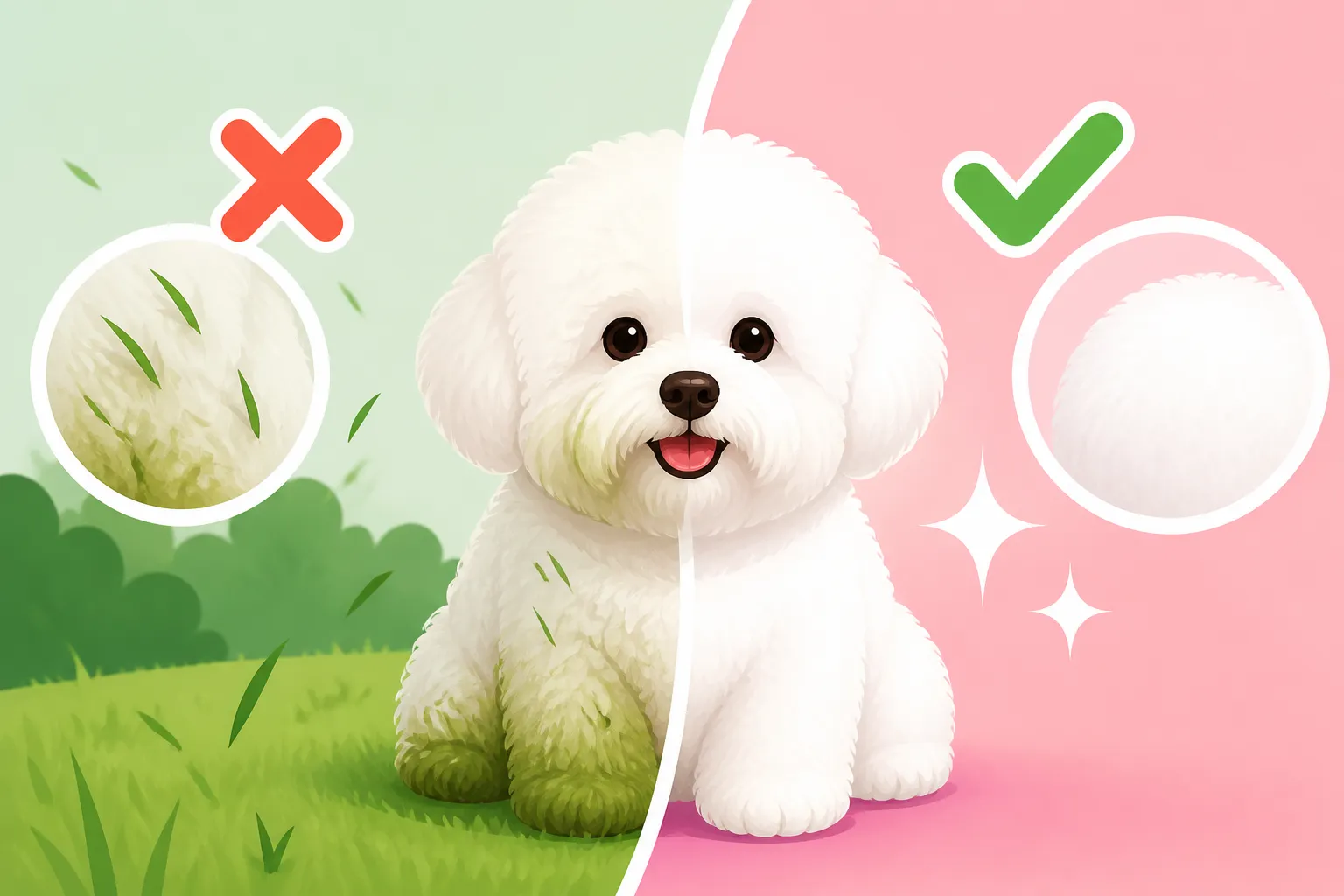
The primary reason grass leaves behind that stubborn green tint is chlorophyll. Chlorophyll is the green pigment found in plants that's essential for photosynthesis, the process by which plants convert sunlight into energy. When your Bichon rolls, sits, or walks through grass, especially damp grass, these chlorophyll particles transfer from the plant onto their fur. Because Bichon Frise coats are pure white, the green pigment stands out dramatically. It's similar to getting grass stains on a pair of white jeans – only with fur, it's a bit more embedded and harder to just brush off. The natural oils in your dog's coat can actually help bind these pigments, making them adhere even more tenaciously.
The Porosity of the Bichon Frise Coat
A Bichon's coat is a marvel of fluffy, dense hair, designed to be soft and cloud-like. However, this beautiful texture also makes it quite porous. Unlike some breeds with sleek, water-repellent coats, the Bichon's hair shafts can absorb pigments and moisture much like a sponge. This porosity means that when chlorophyll-rich grass comes into contact with the fur, especially if the grass is wet from dew, rain, or even just being freshly cut and still damp, the green dye soaks right into the individual hair strands. It's not just sitting on the surface; it's getting into the hair, which is why a simple shake or quick wipe often isn't enough to remove it. This deep penetration requires a more targeted approach to truly lift the color out without damaging the delicate coat.
Moisture as an Intensifier
Think of it like dyeing fabric: moisture acts as a carrier and an intensifier. When grass is damp, the chlorophyll pigments are more readily transferable. A wet blade of grass is far more likely to leave a strong green streak than a dry one. Similarly, if your Bichon’s fur is already damp – perhaps from a morning dew-covered lawn, a recent bath that didn't quite dry completely, or even just a bit of humidity in the air – it creates an ideal environment for those pigments to latch on and spread. The water helps the chlorophyll molecules penetrate deeper into the hair shaft, making the stain more set and harder to wash out. This is why a quick dash through a dewy lawn can lead to more dramatic staining than a longer romp on a dry, sunny afternoon. The combination of chlorophyll, porous fur, and moisture creates a perfect storm for stubborn green marks on your otherwise dazzling white companion.
Proactive Measures to Prevent Grass Stains
While completely avoiding grass might seem like the only surefire way to keep your Bichon Frise's coat pristine, it's simply not realistic or fair to them. They need to run, play, and explore! The good news is that there are several proactive steps you can take to significantly reduce the likelihood and severity of grass stains, turning your outdoor adventures from a source of frustration into pure joy.
Strategic Outdoor Time and Surface Choices
One of the easiest ways to prevent grass stains is to be mindful of when and where your Bichon goes outside. Freshly mown grass is particularly potent for staining because the cut blades release more chlorophyll, and often, the grass is damp after mowing. Similarly, early morning walks when dew is heavy on the grass are prime times for stains to occur. If possible, aim for midday or late afternoon potty breaks and play sessions when the grass has had a chance to dry out.
Consider creating a designated potty area that is less prone to staining, such as a patch of gravel, artificial turf, or a paved patio. While this won't eliminate all grass contact, it can drastically reduce the amount of time your Bichon spends directly on staining surfaces. When you do go for walks, try to stick to paved paths or shorter, drier grass areas if available. It sounds simple, but a little planning goes a long way.
Protective Gear: Booties and Body Suits
For the ultimate protection, especially if your Bichon loves to roll around or you live in an area with consistently damp grass, protective gear can be a game-changer. Dog booties are excellent for keeping paws and lower legs clean. You can find a wide variety on platforms like Chewy or Amazon, ranging from simple waterproof designs to more robust options. It might take a bit of time and positive reinforcement to get your Bichon accustomed to wearing them, but once they accept them, it’s an incredible way to shield their paws from grass, mud, and even harsh chemicals.
For the more adventurous (or stain-prone) Bichon, full-body dog suits or raincoats can protect the belly and chest, areas notoriously susceptible to grass stains. These aren't just for rain; they create a physical barrier between the coat and the grass. While your Bichon might look a little comical in their outdoor attire, the trade-off is a much cleaner coat and less time spent scrubbing. Remember to ensure any gear fits comfortably and doesn't restrict movement or cause overheating.
Immediate Post-Outdoor Wipe Downs
This is perhaps the most practical and consistently effective prevention method. As soon as your Bichon comes back inside from any outdoor excursion involving grass, make it a habit to wipe down their paws, belly, and any other areas that touched the green stuff. Keep a designated "stain station" by the door with some damp cloths or pet-safe grooming wipes. Wipes formulated for pets are widely available from brands you can find on Amazon and are designed to be gentle on skin and fur while effectively removing surface grime.
The key here is immediacy. The sooner you wipe the chlorophyll away, the less time it has to bond with the hair shafts and set into a stubborn stain. A quick wipe-down can prevent a minor green tint from becoming a full-blown, deeply embedded stain that requires a bath. This routine also helps remove pollen, dirt, and other allergens, which is a bonus if your Bichon suffers from skin sensitivities. Whether a Bichon Frise's Paws Need Rinsing goes hand-in-hand with this routine.
Grooming Routine and Coat Condition
A healthy, well-maintained coat is less likely to hold onto stains than a dry, damaged one. Regular brushing helps to remove loose hair and keep the coat smooth, which can make it harder for grass particles to snag and embed. A professional groomer will also ensure your Bichon's coat is in optimal condition, and a proper cut can help. For instance, keeping the hair on the feet trimmed short (often called "round feet") can reduce the surface area available for staining. Whether a Bichon Frise Needs Its Feet Trimmed Round is a good read for more on this.
Additionally, using high-quality shampoos and conditioners designed for white coats can help create a slight barrier and make the coat less porous over time, though this is a more subtle effect. While a brand like Ollie focuses on nutrition, ensuring your Bichon has a balanced diet can contribute to overall coat health, which might indirectly (but not directly) impact its ability to resist stains. The Powder Puff Outline a Bichon Frise Is Scissored Into highlights the importance of professional grooming for the Bichon's unique coat.
Effective Strategies for Removing Grass Stains
Despite your best preventative efforts, some grass stains are almost inevitable when you share your life with an active, happy Bichon Frise. The good news is that those green streaks aren't permanent. With the right approach and a little patience, you can effectively lift them out and restore your furry friend's dazzling white appeal.
Targeted Spot Cleaning vs. Full Bath
When you spot a grass stain, your first instinct might be to reach for the shampoo and dunk your Bichon in the tub. However, a full bath isn't always necessary, especially for small, isolated stains. Targeted spot cleaning can be much more efficient and less stressful for your dog.
For fresh, superficial stains, simply dampen a clean cloth with warm water and a tiny drop of pet-safe shampoo. Gently dab and wipe the affected area, working the product into the stain, then rinse thoroughly with another damp cloth. The goal is to lift the pigment without spreading it or saturating the entire coat. For slightly more stubborn spots, you can find various pet stain removers or whitening sprays at pet stores or online retailers like Chewy. Always choose products specifically designed for pets, as human stain removers can contain harsh chemicals that are irritating or toxic.
If the stains are widespread, deep, or particularly stubborn – perhaps after a vigorous roll in a freshly mown, dewy lawn – then a full bath is likely the best course of action. Don't feel discouraged if it comes to this; sometimes a comprehensive wash is just what's needed. Whether a Bichon Frise's Tear Ducts Block is an interesting read, though not directly about grass stains, it touches on stubborn staining issues.
Whitening Shampoos and Conditioners
For truly effective grass stain removal during a bath, investing in a high-quality whitening shampoo is essential. These shampoos are specially formulated with optical brighteners or gentle stain-lifting ingredients that help neutralize yellowing and remove discoloration, making white coats appear brighter. They don't bleach the hair; rather, they work to counteract the color of the stain.
When using a whitening shampoo:
- Wet the coat thoroughly: Ensure every strand is soaked to allow the shampoo to distribute evenly.
- Apply generously to stained areas: Work the shampoo into a lather, focusing particularly on the green or brownish spots. You might need to let it sit for a few minutes, as directed on the product label, to allow the ingredients to work their magic.
- Massage gently: Use your fingertips to work the shampoo through the fur, paying close attention to the stained sections.
- Rinse, rinse, rinse! This is crucial. Any residue left behind can dull the coat or irritate the skin. Rinse until the water runs completely clear and you feel no soapiness in the fur.
- Follow with a whitening conditioner: A good conditioner will help seal the hair cuticle, making it smoother and potentially less prone to future staining. It also keeps the coat soft and manageable. Which Shampoo Keeps a Bichon Frise White offers more specific advice on product selection.
Brands like Bio-Groom, TropiClean, and Chris Christensen often offer highly-rated whitening shampoos that Bichon owners swear by. You can typically find these on Amazon or at specialty pet retailers.
The Power of Proper Drying
Once your Bichon is clean, how you dry them can significantly impact the final look and help prevent future problems. Air drying a Bichon Frise is generally not recommended, especially if you're battling stains or trying to achieve that signature "powder puff" look. Air drying can cause the coat to mat, trap moisture, and sometimes even exacerbate staining if there's any lingering pigment.
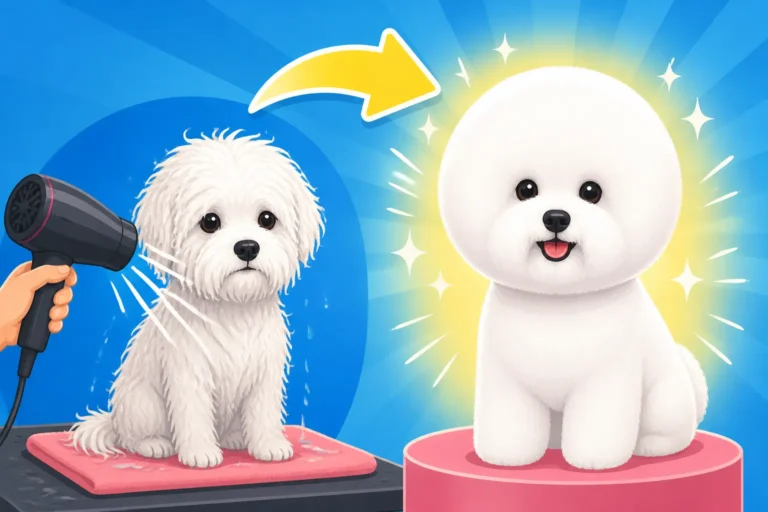
Instead, use a force dryer (also known as a high-velocity dryer) or a good quality human hairdryer on a cool or low-heat setting. While drying, use a slicker brush to constantly brush the hair, lifting and straightening it as it dries. This technique helps ensure the coat dries thoroughly, prevents matting, and allows the whitening shampoo's effects to truly shine through. It also physically removes any remaining microscopic particles that might still be clinging to the hair. Proper drying is not just about aesthetics; it's also vital for preventing skin issues that can arise from damp fur. How Long Brushing a Bichon Frise Takes and How Long Drying a Bichon Frise Takes provide excellent insights into the importance of thorough grooming practices.
Maintaining a Stain-Free Lifestyle for Your Bichon Frise
Keeping a Bichon Frise looking perpetually show-ring ready amidst daily romps and potty breaks is a full-time commitment, but it's one that yields immense satisfaction. Beyond the immediate prevention and removal of grass stains, a holistic approach to their care can dramatically reduce the ongoing battle with discoloration and keep their coat sparkling white for years to come. It’s about creating a lifestyle and routine that supports their unique coat needs.
Regular Professional Grooming
While home grooming is essential, professional grooming for a Bichon Frise is not just a luxury; it’s a necessity. Their dense, double coat is prone to matting and requires expert shaping to maintain its iconic "powder puff" appearance. A professional groomer possesses the specialized tools and techniques to thoroughly clean, de-mat, and trim your Bichon's coat. They can reach areas you might miss, ensure the coat is completely dry (which is paramount in preventing matting and skin issues), and apply conditioning treatments that can help repel dirt and stains.
Aim for a full professional groom every 4-6 weeks. This regular schedule ensures that any minor stains are addressed before they become deeply ingrained, and the coat is kept in optimal condition, making it more resistant to picking up new discoloration. Discuss with your groomer about specific challenges you face, like persistent grass stains, so they can tailor their approach, perhaps using stronger whitening shampoos or paying extra attention to certain areas. How Often a Bichon Frise Needs a Full Groom delves deeper into the ideal grooming frequency.
A Consistent At-Home Grooming Routine
Between professional grooming appointments, you are your Bichon's first line of defense against stains and mats. A consistent at-home routine is paramount. This includes daily brushing with a good quality slicker brush and metal comb to prevent tangles and remove any loose dirt, debris, or potential staining agents before they set. Pay close attention to the paws, legs, belly, and around the muzzle – these are the areas most likely to pick up grass stains and other discoloration.
Regular bathing at home, perhaps every 1-2 weeks (or more frequently if your Bichon gets particularly messy), using a high-quality shampoo and conditioner specifically designed for white coats, will also help. Make sure to rinse thoroughly to avoid any residue, which can attract dirt. Whether Bathing a Bichon Frise Weekly Is Too Much discusses the frequency of home baths. And don't forget the importance of thorough drying, as discussed earlier. A properly dried and brushed coat is less likely to hold onto new stains.
Environmental Considerations and Lifestyle Adjustments
Beyond grooming, consider small adjustments to your Bichon's environment and daily routine. If you have a yard, consider paving a small area or using artificial turf for potty breaks, especially during dewy mornings or after rain. This reduces direct contact with natural grass. If your Bichon loves to play fetch in the park, choose areas with shorter, drier grass.
Another factor, though less direct in preventing grass stains, is overall cleanliness. Regularly cleaning your dog's bedding, blankets, and any areas where they spend a lot of time can prevent the transfer of dirt and oils back onto their clean coat. Think about indoor rugs and carpets too; if they're perpetually dirty, that grime can also contribute to a dull, dingy coat.
By combining regular professional grooming with diligent at-home care and thoughtful environmental considerations, you can significantly reduce the incidence of grass stains and keep your Bichon Frise looking radiant and healthy, ready for their next adventure – grass or no grass! Keeping a White Bichon Frise Actually White provides a comprehensive look at maintaining that iconic bright white coat.
| Stain Prevention Method | Description | Effectiveness | Effort Level | Where to Buy Supplies |
|---|---|---|---|---|
| Strategic Outdoor Timing | Avoiding wet/freshly cut grass, walking on dry paths. | High | Low | N/A |
| Protective Booties/Suits | Physical barrier for paws and body. | Very High | Medium | Chewy, Amazon, Pet Specialty Stores |
| Immediate Wipe Downs | Cleaning paws/belly with damp cloth or pet wipes right after coming inside. | High | Medium | Amazon, Chewy, Local Pet Stores |
| Regular Brushing/Grooming | Maintaining coat health, removing debris, keeping hair trimmed short on feet. | Medium | High | Grooming tools from Amazon, Professional groomer services |
| Designated Potty Area | Using gravel, artificial turf, or pavement for potty breaks. | High | Low | Home improvement stores (for turf/gravel) |
Disclaimer
This article is for general informational purposes only and does not constitute professional advice. Laws, prices and regulations vary by location and change over time. Consult a qualified professional for guidance on your specific situation.