Whether Chalk Is Used on Show Bichon Frises
It's a question many Bichon Frise owners ask, especially when they see those impeccably groomed, dazzlingly white beauties gliding around the show ring: how do they get them that white? You might spend hours bathing and brushing, only to feel like your beloved companion, while gorgeous, never quite reaches that ethereal glow. This guide will delve into the world of show grooming, specifically addressing the use of chalk on show Bichon Frises and what it really entails to achieve that pristine, award-winning coat.
The Pursuit of the Perfect White Coat in the Show Ring
There's something truly captivating about a Bichon Frise in its full glory – a fluffy, pure white cloud of joy. For those who venture into the competitive dog show world, this ideal isn't just a preference; it's a strict requirement. The breed standard calls for a dazzling white coat, and achieving this takes dedication, skill, and sometimes, a few well-placed grooming secrets.
The Inherent Challenge of a White Coat
If you've ever owned a white dog, you know the struggle is real. Mud puddles become mortal enemies, grass stains appear out of nowhere, and just a few minutes of enthusiastic outdoor play can transform your pristine pup into a patchwork of dirt. Bichon Frises, with their dense double coats and playful personalities, are particularly prone to picking up every speck of dust and grime. Then there are the more persistent issues: tear stains under the eyes, saliva stains on the beard, and urine stains around the legs and belly. These aren't just cosmetic nuisances; they can often indicate underlying issues or require consistent, specialized care. It’s an ongoing battle to keep that natural brightness, and it’s completely understandable why owners wonder what kind of magic the show pros employ.
The High Bar of Breed Standards for Purity
In the competitive show ring, a Bichon Frise's coat isn't just judged on its texture and volume – which, for a Bichon, should be a soft, dense, curly double coat that springs back when touched – but also crucially on its color. The standard demands a pure white coat. Any discernible cream, apricot, or other markings are generally considered faults, and significant staining, even if the coat itself is genetically white, can detract from the dog's overall presentation. This intense focus on a pristine white appearance means that every exhibitor is striving for perfection, and every tool in the grooming kit is considered to ensure their Bichon stands out. This quest for immaculate whiteness is what often leads to questions about advanced grooming techniques and products, including the use of chalk. The ultimate goal is to present a dog that looks naturally brilliant, clean, and in peak condition. The Powder Puff Outline the Bichon Frise Standard Describes
Understanding Grooming Chalk: Purpose and Application
So, about that chalk – is it really a thing? Yes, it is, but perhaps not in the way you might imagine. Dog grooming chalk isn't like the chalk you use on a blackboard, nor is it about painting the dog white. It's a specific product used strategically as part of a comprehensive grooming regimen.
What Exactly is "Chalk" in Dog Grooming?
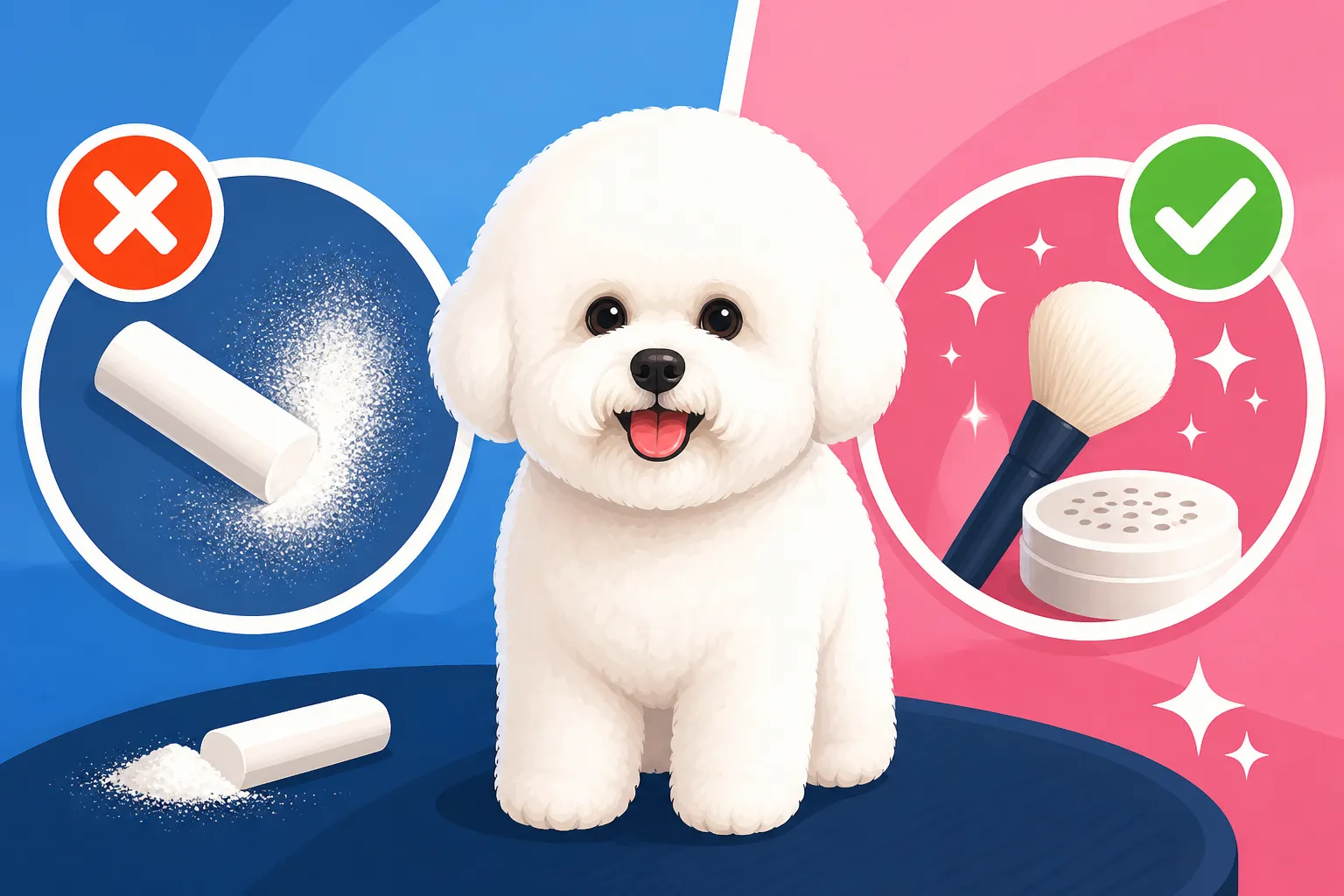
When we talk about chalk in dog grooming, we're typically referring to finely milled powders, often made from magnesium carbonate, talc, or a blend of other inert, non-toxic minerals. These aren't coloring agents in the traditional sense. Instead, their primary purpose is to absorb excess oil, add texture, and provide a brightening or optical whitening effect by adhering to the coat hairs. Think of it less as paint and more like a very fine, absorbent finishing powder. It can help to give the coat a crisper, more substantial feel, which can be particularly beneficial for breeds like the Bichon Frise where coat texture and volume are important. It can also help to mask very minor imperfections by making the coat appear more uniformly white and brilliant, rather than stained or dull. However, it's crucial to understand that chalk is a finishing touch, not a substitute for a genuinely clean dog. You can find various types of grooming chalk and coat powders on sites like Chewy or Amazon, ranging from plain white to those with optical brighteners.
Strategic Application for Maximum Effect
Applying grooming chalk effectively is an art form that requires a light hand and an understanding of the Bichon Frise coat. It's not about caking it on, which would look unnatural and be easily detectable. Instead, it's applied very sparingly and strategically. Typically, a small amount of chalk is worked into specific areas of the coat where oiliness might occur, or where a slight brightening is desired, such as the legs, around the muzzle, or beneath the ears. The groomer might use a brush or a specialized sponge to gently pat and then brush the chalk into the coat, ensuring it's evenly distributed and thoroughly brushed out so that no visible residue remains. The goal is for the chalk to be imperceptible to the eye and touch, only enhancing the natural brilliance and texture of the coat. An overly chalked dog will look dull, feel stiff, and can even appear greyish, which is completely counterproductive to the desired effect. The careful application also prevents skin irritation, as excessive product can dry out the skin or clog pores.
Navigating the Rules: Chalk, Ethics, and Disqualification
The use of grooming aids in dog shows, including chalk, exists in a somewhat gray area of regulations. Different kennel clubs and judging panels interpret "foreign substances" with varying degrees of strictness, making it a topic of ongoing discussion and occasional controversy among exhibitors.
Kennel Club Regulations on Foreign Substances
Most major kennel clubs, such as the American Kennel Club (AKC) and the Fédération Cynologique Internationale (FCI), have rules against altering a dog's natural appearance or structure through artificial means. This includes the use of foreign substances that might change the color, texture, or quantity of the coat. The exact wording can vary, but the spirit of the rule is to ensure that dogs are judged on their natural attributes as they compare to the breed standard, not on clever grooming tricks. For instance, completely coloring a dog's coat to mask faded areas or to enhance markings would almost certainly lead to disqualification. However, a light dusting of chalk to absorb oil and provide a minor optical brightening effect, especially if it's thoroughly brushed out and imperceptible, often falls into a more ambiguous category. Judges are looking for evidence of excessive or deceptive use, such as a powdery residue, a stiff or unnatural coat texture, or clear signs of coloring. The intent is to maintain the integrity of the competition, ensuring that dogs are truly assessed on their breed type and condition. The Bichon Frise Against a Maltese and the Havanese
The Ethical Quandary and Judging Discretion
This brings us to the ethical debate surrounding chalk and similar grooming products. Is it enhancement, or is it deception? Many professional handlers and groomers argue that judicious use of chalk, much like hairspray on a human's hair, is simply part of presenting the dog in its best possible light – cleaning, texturizing, and finishing. They contend that as long as it doesn't fundamentally change the dog's natural attributes or cover up serious faults, it should be permissible. On the other hand, critics argue that any foreign substance, no matter how subtle, gives an unfair advantage and goes against the principle of judging a dog's inherent qualities.
Ultimately, the decision often comes down to the individual judge's discretion. A judge experienced with Bichon Frises will know what a natural, clean coat should feel and look like. If they run their hands through a dog's coat and find a powdery residue, or if the texture feels unnatural, they have the right to excuse the dog from the ring or deduct points for improper grooming. This creates a delicate balance for exhibitors: they want to present their Bichon perfectly, but they must be extremely cautious not to overdo it and risk a penalty. It’s a gamble, and truly masterful grooming prioritizes the dog's health and natural beauty above all else.
Here's a quick look at how the use of chalk might be viewed:
| Aspect | Acceptable Use (Generally) | Excessive/Deceptive Use (Generally Penalized) |
|---|---|---|
| Purpose | Absorb oil, add subtle texture, minor optical brightening | Hide stains, change coat color, create false volume |
| Appearance | Imperceptible, natural white, lively coat | Powdery residue, dull/chalky look, unnatural stiffness |
| Feel | Soft, clean, normal coat texture | Gritty, stiff, sticky, or unnatural to the touch |
| Quantity | Minimal, targeted application | Heavy application, caked on areas |
| Ethical Standing | Part of meticulous finishing for presentation | Misleading, creating a false impression of quality |
Beyond Chalk: Holistic Approaches to Brilliant Whiteness
While chalk might play a small, strategic role in the show ring, it's absolutely vital to understand that it's just one tiny element in a much larger, ongoing commitment to grooming and care. The real secrets to a brilliant white Bichon Frise coat lie in consistent, diligent daily care and a holistic approach to their health.
The Cornerstone of Consistent Grooming and High-Quality Products
There's no shortcut to a truly pristine Bichon coat; it’s built on a foundation of regular, meticulous grooming. This starts with frequent bathing using high-quality shampoos specifically formulated for white coats. Whitening shampoos, available from trusted retailers like Chewy or Amazon, often contain optical brighteners that reflect light, making the coat appear whiter and brighter without actually bleaching the hair. However, it's incredibly important to rinse thoroughly after every bath. Any shampoo residue left behind can irritate the skin, attract dirt, and actually dull the coat. Which Shampoo Keeps a Bichon Frise White
Beyond bathing, daily brushing is non-negotiable for a Bichon. Their dense, curly coats are prone to matting, and trapped dirt or debris can lead to staining and skin issues. Line brushing, which involves parting the coat and brushing in small sections down to the skin, is essential to prevent mats and ensure the coat is free of any foreign particles. Furthermore, addressing persistent issues like tear stains requires daily attention, specific products, and sometimes dietary adjustments. Wiping the eye area multiple times a day with a damp cloth or a specialized tear stain remover can make a huge difference. Likewise, cleaning the beard after meals and rinsing the feet after outdoor excursions can prevent brown staining. How Often a Bichon Frise Needs a Full Groom and Whether Home Brushing Makes Salon Visits Easier are excellent resources for honing these skills.
Diet and Environment: Supporting Coat Health from Within
What goes into your Bichon Frise can have a profound impact on what comes out, including the quality and appearance of their coat. A high-quality, balanced diet rich in essential fatty acids (like Omega-3s and 6s) can promote a healthy skin barrier and a lustrous, strong coat that is naturally more resistant to staining and breakage. Some commercial foods, like those offered by brands such as Ollie, focus on fresh, whole ingredients which many owners report contribute to overall canine health, including skin and coat condition. While there's no magic food that will make your dog pure white overnight, a nutritionally sound diet helps the body function optimally, which in turn reflects in external health.
Furthermore, environmental factors play a huge role. Providing clean, filtered water can sometimes reduce tear staining. Ensuring your Bichon has a comfortable, clean sleeping area can prevent body stains. Regular exercise keeps them healthy, and a healthy dog often has a healthier coat. Don't underestimate the power of consistent, preventative care in maintaining that dazzling white appearance. What a Bichon Frise Needs Every Day
Practical Tips for Everyday Whiteness
Living with a white dog means adopting a few practical habits to keep them looking their best. First, establish a routine. Daily checks of eyes, ears, and paws, along with quick brush-throughs, can catch potential stains before they set in. Consider investing in a grooming apron or smock for yourself during brushing sessions – it protects your clothes and keeps loose hair off you!
For outdoor time, if your Bichon loves to roll in questionable substances (and let’s be honest, most do!), a lightweight, waterproof coat can save you from an immediate bath. After walks, especially in damp or muddy conditions, a quick rinse of the paws and belly with plain water, followed by thorough drying, prevents mud from drying into stubborn stains. For tear and beard stains, dedicated wipes or a damp cloth used several times a day can make a world of difference. Consistency truly is the key here. It's a marathon, not a sprint, when it comes to maintaining a Bichon Frise's show-stopping coat. What a Bichon Frise Owner Spends on Whitening Products can give you an idea of the commitment to various products.
Disclaimer
This article is for general informational purposes only and does not constitute professional advice. Laws, prices and regulations vary by location and change over time. Consult a qualified professional for guidance on your specific situation.