Whether a Low Oxalate Diet Is Enough
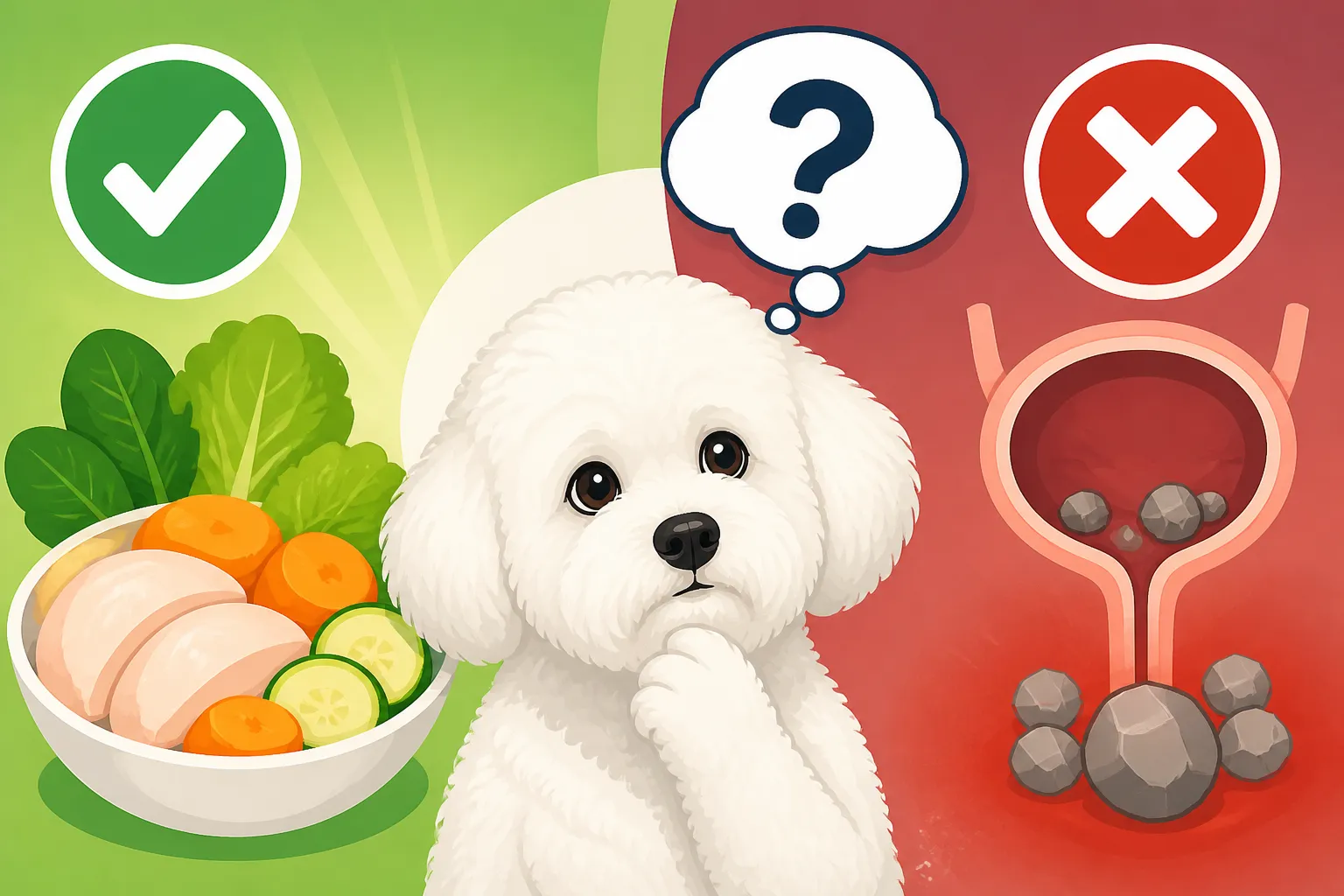
It's a common, heartbreaking frustration for Bichon Frise parents: you've done everything right, or so you thought, only to find your beloved fluffy companion is battling bladder stones. Many of us jump straight to thinking about "low oxalate" foods, believing that if we just cut out those spinach leaves and sweet potatoes, we've solved the problem. But the reality for our sensitive Bichons, especially those prone to calcium oxalate stones, is often far more complex than simply avoiding a few high-oxalate vegetables. This guide will walk you through why a simple low-oxalate diet usually isn't enough and what a truly comprehensive approach looks like for preventing these painful recurrences.
Understanding Calcium Oxalate Stones in Bichon Frises
Our sweet Bichons, with their cheerful dispositions and cloud-like coats, are unfortunately genetically predisposed to certain health issues, and calcium oxalate bladder stones are high on that list. It's not just a random occurrence; there's often a perfect storm of factors at play that leads to these tiny, sharp crystals forming in their urine, eventually growing into painful stones.
Why Bichons Are Prone to Oxalate Stones
Imagine you're trying to keep a pristine white carpet clean in a house where everyone walks in with muddy boots. That's a bit like a Bichon's urinary tract environment. They naturally tend to excrete more calcium and oxalate in their urine, creating a highly saturated environment where these minerals are just waiting to bond and crystallize. This predisposition is something they carry in their genes, making prevention a lifelong commitment, not a one-off fix. It's why we, as Bichon parents, have to be so incredibly diligent. Whether a Bichon Frise's Stone Risk Is Inherited touches on this in more detail.
What Exactly Are Calcium Oxalate Stones?
Calcium oxalate stones are like tiny, rough pebbles that form within the bladder (or sometimes kidneys) when calcium and oxalate combine in concentrated urine. Unlike some other stone types that can sometimes be dissolved with special diets, calcium oxalate stones are notoriously stubborn. Once they're there, they're typically there to stay and usually require surgical removal. They're incredibly painful and can lead to serious complications, including life-threatening urinary blockages, particularly in male Bichons due to their narrower urethra. What a Calcium Oxalate Stone Is in a Bichon Frise further elaborates on this.
The Role of Diet in Stone Formation
Diet plays a colossal role, but it’s often misunderstood. It’s not just about removing the "bad" stuff. It's about creating an internal environment that discourages stone formation. Think of it as adjusting the entire chemistry lab, not just removing one problematic beaker. Many owners, understandably, fixate on reducing dietary oxalates, thinking that this single change will be their silver bullet. However, while reducing oxalates is important, it's merely one piece of a much larger, more intricate puzzle.
The Limits of a Simple Low Oxalate Diet
When faced with a stone diagnosis, the first instinct might be to frantically Google "low oxalate foods for dogs" and start home-cooking. While commendable in intent, this approach often falls short because it oversimplifies the complex interplay of nutrients required for effective stone prevention.
Challenges of Managing Oxalate Intake at Home
Trying to create a truly low-oxalate diet at home is incredibly difficult. For starters, many common dog food ingredients contain oxalates to varying degrees. Identifying and meticulously measuring the oxalate content of every single ingredient you feed your Bichon is a full-time job. Even seemingly innocuous foods can contribute. You'd need a deep understanding of canine nutrition, food chemistry, and laboratory-level precision, which most of us, as loving pet parents, simply don't have the resources or expertise for.
Furthermore, a "low oxalate" label doesn't necessarily mean "perfect for stone prevention." A food might be low in oxalate but high in something else that contributes to stone formation, like excessive calcium, or it might lack ingredients that promote urinary dilution. Without a balanced approach, you could inadvertently create other nutritional deficiencies or imbalances, leading to a whole new set of health problems for your Bichon. This is why relying solely on a list of "safe" foods you found online, or even the best intentions for home-cooking, can be a risky gamble.
Is it Practical for a Bichon?
Honestly, for most Bichon Frise owners, a strictly home-prepared, truly effective low-oxalate diet is not practical long-term. Life gets busy, ingredients vary, and ensuring complete nutritional balance – especially for a dog with such specific health needs – requires constant vigilance and expert guidance. The sheer mental load of worrying about every morsel that crosses your dog's lips can be overwhelming. Plus, our Bichons are often quite particular eaters, and getting them to accept a radically altered, homemade diet can be another battle altogether. Whether a Fussy Bichon Frise Refuses the Urinary Diet is a very real concern for many of us.
Beyond Oxalate: Other Crucial Dietary Factors
Successfully preventing calcium oxalate stones in Bichons requires looking far beyond just the oxalate content. It's about optimizing the entire urinary environment to make it an inhospitable place for stones to form and grow.
Promoting Hydration and Urine Dilution
This is arguably one of the most critical factors. Dilute urine means that any calcium, oxalate, or other minerals present are spread out, making it much harder for them to clump together and form crystals. Think of it like trying to form a rock in a vast ocean versus a small puddle. The more water, the better!
We need to actively encourage our Bichons to drink more. This can involve ensuring constant access to fresh water, using water fountains (many dogs prefer running water), adding water or broth to their kibble, or feeding wet food. Wet food, in particular, is a fantastic way to boost water intake without them even realizing it. Brands found on platforms like Chewy or Amazon often carry a variety of wet food options that can be considered in conjunction with a veterinary-prescribed diet. Whether Wet Food Helps a Bichon Frise's Stones is a topic worth exploring for this very reason.
Maintaining Optimal Urine pH
Urine pH is another huge player. Calcium oxalate stones prefer an acidic urine environment. Therefore, a key strategy is to shift the urine pH to be slightly more alkaline. This isn't about making it overly alkaline, which can lead to other stone types, but about finding that sweet spot. Many prescription urinary diets are specially formulated with ingredients that help achieve this ideal pH range consistently. Trying to manipulate urine pH with home remedies or supplements without veterinary guidance can be dangerous and ineffective.
Balancing Minerals: Calcium and Phosphorus
While it sounds counterintuitive, excessively restricting calcium can sometimes worsen oxalate stone formation. This is because calcium in the gut binds to oxalate and helps excrete it through feces, rather than allowing it to be absorbed into the bloodstream and later excreted in the urine. Therefore, a diet for oxalate stone prevention needs a controlled, not necessarily low, amount of calcium, along with a proper balance of phosphorus. It's about the ratio and absorption, not just absolute levels.
Controlled Protein and Sodium Levels
High protein levels can sometimes increase calcium excretion in urine, which could theoretically contribute to stone formation. However, protein is essential, so the goal is often a controlled rather than extremely low protein content. Similarly, sodium plays a role. Slightly higher sodium levels can encourage water intake, which is beneficial for diluting urine. However, too much sodium can have other health implications, so again, balance is key. These are nuances that are carefully calculated in therapeutic diets.
The Power of Prescription Urinary Diets
This is where the true comprehensive solution often lies for Bichon Frises prone to calcium oxalate stones. These diets are not just "low oxalate" foods; they are scientifically formulated medical tools.
Why Vets Recommend Them
Veterinarians recommend specific prescription urinary diets because they are designed with a multi-pronged approach to prevention. They aren't just trying to reduce oxalate; they are simultaneously addressing all the critical factors we just discussed:
- Controlled Mineral Levels: Precisely balanced calcium, phosphorus, and other minerals to prevent over-saturation.
- Urinary pH Modification: Ingredients that gently and consistently alkalinize the urine to discourage oxalate crystal formation.
- Increased Moisture Content: Often available in wet food formats, or formulated to encourage greater water intake from dry kibble.
- Reduced Urine Specific Gravity: Encouraging dilute urine, which is crucial for flushing out potential crystal-forming substances.
These diets are the result of extensive research and clinical trials, specifically formulated to manage conditions like calcium oxalate urolithiasis. They provide a far more reliable and effective solution than any homemade or over-the-counter "low oxalate" approach.
How They Differ from Homemade or Regular Diets
The difference is in the precision and the holistic strategy. A homemade low-oxalate diet might cut out spinach, but it won't necessarily balance calcium perfectly, ensure the correct urine pH, or guarantee adequate urine dilution. Over-the-counter diets, even premium ones, are designed for general health, not the complex metabolic needs of a stone-forming Bichon.
Prescription diets are therapeutic. They are part of a medical treatment plan. They consider the entire biochemical environment of your Bichon's urinary tract. Think of it as the difference between taking an over-the-counter pain reliever for a severe infection versus a targeted antibiotic prescribed by a doctor. One is a general aid; the other is a specific solution. The Diet a Bichon Frise Stays On for Life really emphasizes the long-term commitment.
Leading Brands in Urinary Health
While I cannot name specific brands as 'core solutions' for this informational piece, it's worth noting that major pet food companies invest heavily in veterinary nutrition research. They produce diets specifically tailored to various urinary conditions. Your veterinarian will be the best resource for recommending the appropriate prescription diet for your Bichon Frise, taking into account their specific stone composition, overall health, and any other concurrent conditions. These prescription foods are typically available through your vet or with a vet's authorization from online retailers like Chewy or Amazon.
Here's a quick comparison of aspects often considered in diets for oxalate stone prevention:
| Dietary Aspect | Simple Low-Oxalate Diet (Homemade/General OTC) | Prescription Urinary Diet (Veterinary Recommended) |
|---|---|---|
| Oxalate Content | Focuses on reducing high-oxalate ingredients. | Controlled, measured oxalate levels. |
| Calcium Content | Often reduced indiscriminately. | Controlled and balanced to bind oxalate in gut. |
| Urine pH Management | Typically not addressed or inconsistently managed. | Actively formulated to achieve a specific, ideal alkaline pH. |
| Hydration Promotion | Relies on owner adding water or specific wet food. | Formulated to increase thirst or has high moisture content. |
| Protein & Sodium | Varies widely, may be unbalanced. | Carefully controlled to prevent other complications. |
| Nutritional Completeness | Risk of deficiencies or imbalances, especially long-term. | Nutritionally complete and balanced for long-term feeding. |
| Scientific Validation | Based on general food knowledge, often anecdotal. | Clinically tested and backed by veterinary research. |
| Ease of Use for Owner | High effort, constant monitoring required. | Convenient, 'set-and-forget' solution once selected. |
Other Management Strategies Beyond Diet
Even with the perfect prescription diet, a holistic approach to stone prevention includes other vital strategies that support a healthy urinary tract in your Bichon.
Encouraging Water Intake and Frequent Urination
We've touched on hydration, but it bears repeating: it is paramount. Beyond wet food and fountains, make sure your Bichon has multiple water bowls around the house, kept sparkling clean. Some dogs enjoy ice cubes or a tiny splash of low-sodium chicken broth in their water to make it more appealing.
Frequent urination goes hand-in-hand with high water intake. The more often your Bichon pees, the less time crystals have to settle and grow in the bladder. This means more frequent potty breaks, especially after waking up, eating, and playing. For apartment dwellers or those with busy schedules, this might mean adjusting routines or even considering a dog walker. Whether Frequent Urination Protects a Bichon Frise highlights this important aspect.
Regular Monitoring and Veterinary Check-ups
Prevention is proactive. Your vet will likely recommend regular urine tests to check pH, urine specific gravity (how concentrated the urine is), and for the presence of crystals or infection. In some cases, periodic bladder imaging (X-rays or ultrasound) might be advised to ensure no new stones are forming silently. Early detection is key to preventing major problems down the line. Whether a Bichon Frise Should Be Urine Tested Yearly is a question many owners have.
The Role of Medication
In certain stubborn cases, or for Bichons with particularly strong genetic predispositions, your veterinarian might prescribe medication in addition to a therapeutic diet. These medications often work to further alkalinize the urine or to reduce calcium excretion. This is always a decision made in consultation with your vet, carefully weighing the benefits and potential side effects for your specific dog.
The Holistic Approach to Bichon Frise Stone Prevention
Ultimately, preventing calcium oxalate stones in your Bichon Frise is about understanding that there's no single magic bullet. A simple low-oxalate diet, while well-intentioned, simply isn't comprehensive enough to tackle a problem with so many contributing factors.
The true solution involves a layered approach, with a veterinary-prescribed urinary diet as its cornerstone. This diet handles the complex chemistry of urine pH, mineral balance, and dilution. Supporting this foundation are diligent efforts to maximize water intake, ensure frequent urination, and maintain a schedule of regular veterinary check-ups and monitoring.
As Bichon parents, our commitment to their well-being often means navigating complex health challenges. By embracing a holistic, vet-guided strategy, we can give our fluffy friends the best possible chance at a stone-free, comfortable, and happy life. It's an investment, both emotionally and financially, but the peace of mind knowing you're doing everything possible is truly priceless. Whether a Bichon Frise's Stones Can Be Prevented at All is a question that weighs heavily on many of us, and understanding this comprehensive approach helps answer it.
Disclaimer
This article is for general informational purposes only and does not constitute professional advice. Laws, prices and regulations vary by location and change over time. Consult a qualified professional for guidance on your specific situation.