The Atopic Skin a Bichon Frise Is Born With
It's incredibly disheartening to watch your beloved Bichon Frise constantly scratching, licking, and chewing at their skin, sometimes to the point of redness, raw spots, or even hair loss. This isn't just a minor annoyance; for many Bichon owners, it’s a chronic, relentless battle against discomfort that impacts their dog's quality of life and often leaves you feeling helpless and frustrated. This comprehensive guide will delve deep into atopic dermatitis, a common inherited skin condition in Bichon Frises, helping you understand why it happens, how to identify it, and the best strategies to manage it so your furry friend can finally find some peace and comfort.
Understanding Atopic Dermatitis in Bichon Frises
Atopic dermatitis, often simply called atopy, is a frustratingly common and chronic inflammatory skin disease in dogs, stemming from an overreactive immune system and a compromised skin barrier. For Bichon Frise owners, this condition isn't just a possibility; it's a significant inherited predisposition that many of these charming, fluffy companions face throughout their lives. It's not something they "catch"; it's something they're essentially born with, a genetic lottery that unfortunately falls to many in the breed.
What is Atopic Dermatitis?
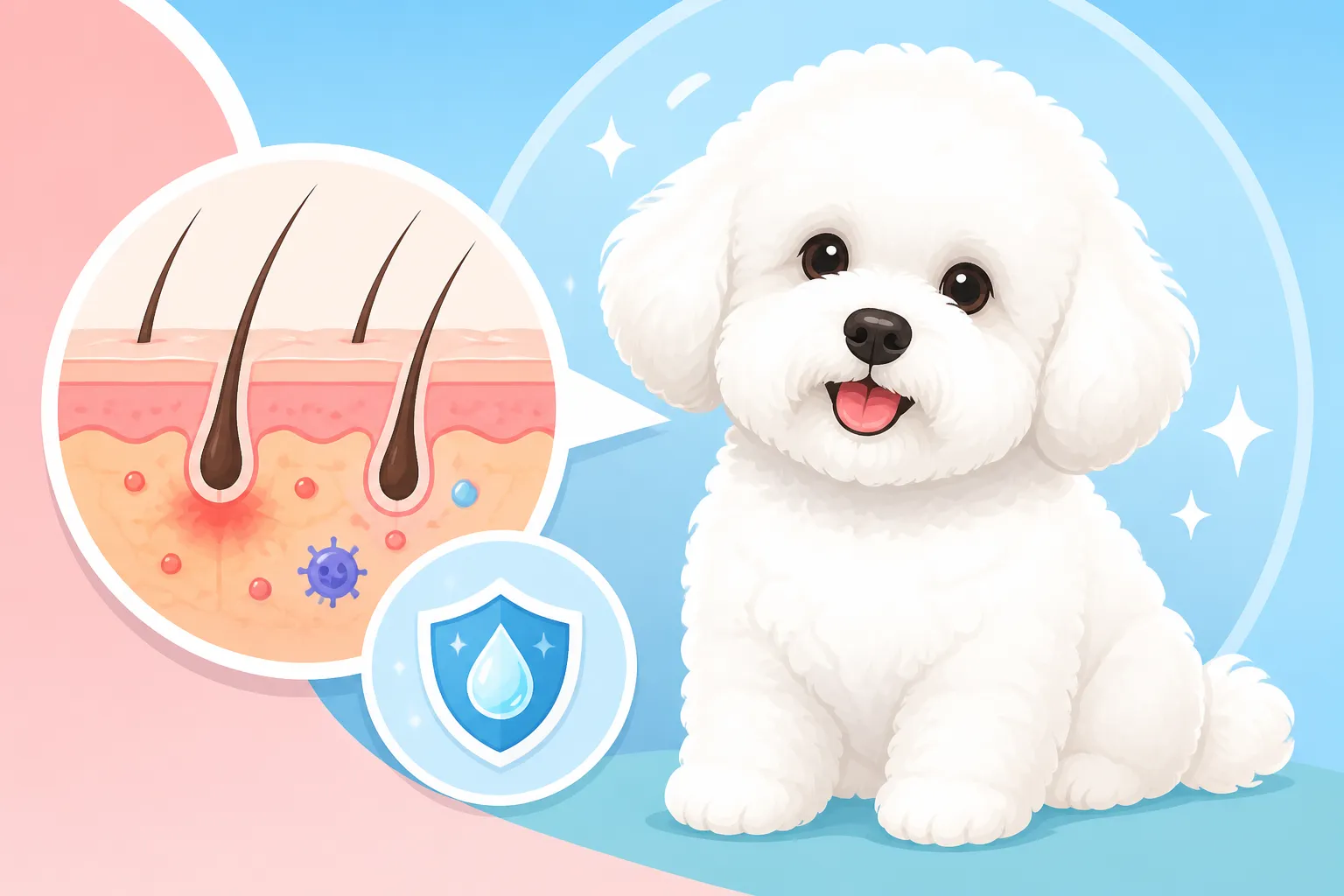
Imagine your dog's skin as a protective fortress, with its outer layer, the skin barrier, acting like the castle walls. In dogs with atopic dermatitis, these walls aren't as strong as they should be. They're more permeable, allowing common environmental allergens like pollen, dust mites, and mold spores to easily penetrate the skin and trigger an immune response. Instead of seeing these harmless substances as benign, the atopic dog's immune system launches an exaggerated attack, leading to inflammation, intense itching, and discomfort. This isn't an allergy to food (though food allergies can coexist); it's an allergy to things floating in the air and present in their environment, much like hay fever in humans, but primarily manifesting on the skin.
This immune overreaction creates a vicious cycle. The itching leads to scratching, licking, and chewing, which further damages the already compromised skin barrier. This damage makes the skin even more vulnerable to allergens and, critically, to secondary infections from bacteria and yeast that normally live harmlessly on the skin but seize the opportunity when the defenses are down. It's a persistent challenge that demands a multi-faceted approach to management, as there is currently no cure. The goal is always to control symptoms, prevent secondary issues, and improve the dog's overall comfort.
Why Bichon Frises are Prone to It
If you own a Bichon Frise, you might already know that this breed has a particular reputation for sensitive skin and allergies. This isn't a coincidence; it's a well-documented genetic predisposition. Research consistently places the Bichon Frise among breeds with a higher prevalence of atopic dermatitis. It's believed that specific genes within the Bichon Frise lineage contribute to both a weaker skin barrier function and an immune system prone to overreacting to environmental triggers. This means that while any dog can develop atopy, your Bichon Frise carries a higher inherent risk from the day they are born.
It's not just about one single gene; it's likely a complex interplay of several genetic factors that make some Bichons more susceptible than others. This inherited tendency means that even if a Bichon Frise lives in a pristine environment, they can still develop symptoms because their body is primed to react. Understanding this genetic component is crucial for owners, as it sets realistic expectations for management. You’re not dealing with a fleeting issue; you're managing a lifelong condition that is part of your Bichon's genetic makeup, a key reason The Atopic Skin a Bichon Frise Is Born With is such a critical topic for new and experienced owners alike.
The Difference Between Atopy and Other Skin Issues
It's easy to lump all skin problems together, but distinguishing atopic dermatitis from other common culprits is vital for effective treatment. While the symptoms can overlap, the underlying causes are different, and so are the solutions. The primary distinction is often what triggers the reaction.
Firstly, flea allergy dermatitis is a common cause of intense itching, especially around the tail base, hind legs, and belly. Unlike atopy, which is a reaction to inhaled or absorbed environmental allergens, flea allergy is a severe reaction to the saliva of a flea bite. Even a single bite can send an allergic dog into a scratching frenzy. The good news is, if it's fleas, consistent, year-round flea prevention can often resolve the issue entirely.
Secondly, food allergies can also manifest as skin problems, often with similar signs to atopy, such as itching, recurrent ear infections, and paw licking. However, food allergies are a reaction to specific proteins in their diet. Diagnosing food allergies typically involves a strict elimination diet, which can be a lengthy process but is essential to rule out before focusing solely on environmental allergies. You might find yourself exploring Whether a Bichon Frise's Itching Is Food or Pollen to narrow down the cause of your dog's discomfort.
Finally, contact dermatitis is less common but involves skin irritation from direct contact with an irritating substance, like certain chemicals in carpets, shampoos, or plants. The reaction is localized to the area of contact. Atopy, on the other hand, usually presents with a more generalized itch and specific patterns of involvement, like the paws, armpits, and groin. While a Bichon Frise can experience any of these conditions, atopy often requires a more systemic and ongoing management plan due to its inherent, chronic nature.
Recognizing the Signs of Atopic Skin
Catching the signs of atopic dermatitis early can make a huge difference in managing the condition and preventing severe secondary problems. It’s not always obvious, especially at first, and sometimes what seems like "normal" dog behavior might actually be a red flag for underlying discomfort. As a Bichon Frise owner, you’ll become intimately familiar with every scratch and lick.
Common Symptoms and Their Progression
The hallmark sign of atopic dermatitis is, unequivocally, itching. This isn't just an occasional scratch; it's persistent, often relentless, and can be frustrating to witness. Your Bichon Frise might start by scratching with their hind legs, typically around their ears, face, and armpits. Then, you might notice them excessively licking their paws until they become red and inflamed, or chewing at their legs, belly, and groin. The inner thighs and armpits are classic "hot spots" for atopic itching. As the condition progresses, the constant trauma from scratching and licking breaks down the skin barrier, creating open sores that are ripe for bacterial and yeast infections.
When these secondary infections take hold, the symptoms escalate. You might notice red bumps, pustules, crusting, or a greasy, smelly coat. The skin can become thickened and darkened, a process called lichenification, often seen in the chronically licked areas like the paws or belly. Hair loss, or alopecia, is also common due to the self-trauma. Another frequent and distressing symptom in atopic Bichons is recurrent ear infections. The ears become inflamed, itchy, and often develop a strong, yeasty odor, sometimes accompanied by discharge. This cycle of itching, scratching, infection, and further inflammation can severely impact your dog's comfort and even their personality. This is often where owners begin to ask, What Atopic Dermatitis Does to a Bichon Frise beyond just an itch.
Spotting It Early in Puppies
It's a common misconception that allergies only develop in older dogs. In reality, atopic dermatitis often begins quite early in life. While it's rare for a Bichon Frise puppy to show full-blown symptoms before three months of age, many will start displaying subtle signs between six months and three years old. This aligns with The Age Atopic Dermatitis Starts in a Bichon Frise, making early vigilance paramount. You might first notice seemingly innocuous behaviors like increased paw licking after coming in from outside, or an unusual amount of ear scratching, even without obvious discharge.
Perhaps they rub their face vigorously on the carpet, or you catch them nibbling at their flanks more than seems normal. These mild, intermittent signs can easily be dismissed as puppy quirks or minor irritations. However, for a Bichon Frise with an inherited predisposition to atopy, these early indicators are crucial. If you're seeing these behaviors, especially if they become more frequent or intense over time, it's wise to start documenting them and discussing them with your veterinarian. Early intervention can significantly slow the progression of the disease and potentially reduce the severity of future flare-ups, sparing your puppy a lot of discomfort down the line.
When It's More Than Just "Normal" Itching
Every dog scratches occasionally, and it's normal for them to groom themselves. But there's a clear line between normal behavior and chronic, problematic itching. If your Bichon Frise is scratching, licking, or chewing for extended periods daily, interrupting their sleep or play, or if these behaviors lead to visible skin changes like redness, sores, scabs, or hair thinning, it's definitely not normal. Chronic itching, by definition, persists for weeks or months, often worsening seasonally or in response to specific environmental exposures.
Another key indicator is the impact on your dog's overall well-being. Is your Bichon restless at night because of the itch? Are they less enthusiastic about walks or play? Do they seem generally irritable or withdrawn? These behavioral changes are strong signals that their discomfort is significant and affecting their quality of life. Owners often report feeling helpless, watching their dog suffer. If you find yourself in this situation, repeatedly thinking, "this can't be right," trust your instincts. Persistent, disruptive itching in a Bichon Frise warrants a thorough veterinary investigation, as it strongly suggests an underlying condition like atopic dermatitis that requires dedicated management.
The Impact of Atopy on Your Bichon's Life
Living with chronic atopic dermatitis is incredibly tough, not just for the Bichon Frise experiencing the constant itch, but also for their human family who witness their distress. It's a condition that goes far beyond skin deep, affecting physical health, behavior, and even the family dynamic. The relentless nature of atopy means constant vigilance and often significant lifestyle adjustments.
Physical Discomfort and Secondary Infections
The primary and most obvious impact of atopic dermatitis is the sheer physical discomfort. Imagine being itchy all the time, everywhere, with no real way to get relief. That's the reality for an atopic Bichon. The constant itching (pruritus) leads to persistent scratching, licking, and chewing, which in turn causes inflammation, redness, and damage to the skin. This self-trauma creates tiny breaks in the skin's protective barrier, making it an open invitation for opportunistic invaders.
The most common secondary issues are bacterial skin infections (pyoderma) and yeast infections (Malassezia dermatitis). Bacteria like Staphylococcus can proliferate on the compromised skin, leading to pustules, crusts, and intensely itchy red bumps (papules). Yeast infections, often recognizable by a greasy coat and a distinct, sometimes cheesy or rancid odor, can cause further irritation and thickening of the skin. These infections are not just unsightly; they amplify the itch dramatically, plunging your Bichon into a deeper cycle of discomfort. Without addressing these secondary infections, treating the underlying atopy becomes incredibly difficult. Chronic ear infections, often caused by yeast or bacteria, are another huge problem, leading to head shaking, pain, and sometimes even hearing loss if left untreated.
Behavioral Changes and Stress
A dog in constant discomfort is often not a happy dog. The persistent itch and irritation from atopic dermatitis can lead to significant behavioral changes in your otherwise cheerful Bichon Frise. They might become restless, unable to settle down, constantly shifting positions, or pacing. Sleep disturbances are common, with dogs waking up to scratch or lick. You might find them less engaged in play or walks, more irritable when handled (especially if their skin is sore), or even display signs of anxiety.
Some atopic Bichons become withdrawn, while others might become more clingy, seeking comfort from their owners. The frustration of the itch can manifest as destructive chewing on objects, or incessant licking of themselves, sometimes to the point of creating "lick granulomas" – thickened, raised patches of skin that become habitual targets for licking. This psychological toll is immense. They aren't misbehaving; they are simply struggling to cope with chronic pain and irritation. Understanding this is key to approaching their care with empathy and patience, knowing that their demeanor is often a direct reflection of their physical state.
The Emotional and Financial Toll on Owners
For owners, dealing with a Bichon Frise suffering from chronic atopic dermatitis can be incredibly emotionally taxing. Watching your beloved pet constantly itch, sometimes causing themselves harm, can lead to feelings of guilt, frustration, and sadness. There's often a significant time commitment involved in managing the condition, including frequent vet visits, administering medications, giving medicated baths, and carefully monitoring for flare-ups. This can feel like a full-time job on top of everything else.
Beyond the emotional strain, there's a substantial financial burden. Diagnosing atopy and ruling out other conditions often involves multiple vet visits, skin scrapings, cytology, allergy testing, and potentially elimination diets. Once diagnosed, the ongoing management can be expensive. This might include prescription medications like Apoquel or Cytopoint, medicated shampoos, special diets, antibiotics or antifungals for secondary infections, and potentially immunotherapy. For many, What Treating a Bichon Frise's Skin Costs Every Year can be a sobering reality. This is where pet insurance, like a policy from Healthy Paws, can be a lifesaver, helping to cover a significant portion of these recurring costs and alleviate some of the financial stress. It’s important to research what each policy covers regarding chronic conditions before symptoms appear.
Diagnosing Atopic Dermatitis
Diagnosing atopic dermatitis isn't always a straightforward process; it's often a journey of elimination. Because many skin conditions share similar symptoms, your veterinarian will need to systematically rule out other potential causes of your Bichon Frise's itching before confirming atopy. This methodical approach ensures that the treatment plan is targeted and effective.
The Diagnostic Process
When you first bring your itchy Bichon Frise to the vet, they’ll start with a thorough history, asking about the onset of symptoms, their seasonality, where your dog is itching, and any previous treatments. This initial discussion is crucial. Next comes a comprehensive physical examination, focusing on the skin, coat, and ears. The veterinarian will be looking for specific patterns of inflammation, redness, hair loss, and secondary infections.
To rule out other common culprits, several diagnostic tests will likely be performed. These typically include skin scrapings to check for mites like Demodex or Sarcoptes, which can cause intense itching. A fungal culture might be done to rule out ringworm. Cytology (microscopic examination of samples taken from the skin or ears) is vital to identify the presence and type of secondary bacterial or yeast infections, allowing for appropriate antibiotic or antifungal treatment. If fleas haven't been definitively ruled out, your vet will recommend a strict, comprehensive flea control regimen. Often, a food elimination diet is the next step if environmental allergens are suspected, to differentiate between food and environmental allergies. Only once these other causes have been systematically eliminated can a diagnosis of atopic dermatitis be confidently made, based on clinical signs and exclusion.
Allergy Testing Options
Once other causes of itching have been ruled out and atopic dermatitis is strongly suspected, allergy testing can be a valuable tool. It helps identify the specific environmental allergens (like pollens, molds, dust mites) that are triggering your Bichon's immune response, which is crucial if immunotherapy is being considered. There are two primary types of allergy tests for dogs:
- Intradermal Skin Testing (IDT): Considered the "gold standard" by many veterinary dermatologists, IDT involves injecting tiny amounts of various common allergens just under the skin of your dog's shaved side. The veterinary dermatologist then monitors the injection sites for local reactions (redness and swelling), which indicate a sensitivity to that specific allergen. This test is highly sensitive and specific, but it requires sedation, a specialized dermatologist, and withdrawal from certain allergy medications for a period before the test.
- Serum IgE Blood Testing: This involves taking a blood sample and sending it to a specialized lab to measure the levels of allergen-specific IgE antibodies in the bloodstream. While more convenient (it doesn't require sedation or a specialist), its accuracy and correlation with clinical signs can vary compared to IDT. However, it's a good option for general practitioners and for owners who prefer a less invasive test.
It's important to understand that positive allergy test results don't diagnose atopy; they confirm which allergens your dog is sensitive to if atopy is already suspected based on clinical signs and exclusion of other diseases. Allergy testing is primarily used to formulate an immunotherapy (allergy vaccine) specific to your dog's sensitivities.
The Importance of a Vet Dermatologist
While your primary care veterinarian can diagnose and manage many cases of atopic dermatitis, there are times when consulting a board-certified veterinary dermatologist is highly recommended, especially for Bichon Frises. These specialists have advanced training and expertise in complex skin conditions and allergies, offering a level of insight and access to diagnostic and treatment modalities that may not be available at a general practice.
You should consider a referral to a dermatologist if:
- Your Bichon's itching is severe or persistent despite conventional treatments.
- Secondary infections are recurring frequently and are difficult to control.
- The diagnostic process has been challenging, and you're struggling to get a definitive diagnosis.
- You're considering intradermal skin testing for immunotherapy, as this is typically performed by specialists.
- Your dog is experiencing adverse side effects from current medications, or the current regimen isn't providing adequate relief.
A dermatologist can offer tailored, cutting-edge solutions, provide a more accurate prognosis, and help navigate the complexities of long-term management for your atopic Bichon Frise. They can refine medication protocols, suggest advanced therapies, and simply offer a fresh perspective when you feel like you've tried everything.
Comprehensive Management Strategies for Atopic Bichons
Managing atopic dermatitis in a Bichon Frise is a lifelong commitment that often involves a combination of strategies. There's no single magic bullet, but a multi-modal approach targeting various aspects of the condition can significantly improve your dog's comfort and quality of life. The goal is always to reduce inflammation, alleviate itching, prevent secondary infections, and strengthen the skin barrier.
Environmental Control
One of the most fundamental yet often overlooked aspects of managing atopy is environmental control. If you know what allergens your Bichon is reacting to (especially dust mites, pollens, or molds), taking steps to minimize their exposure can make a noticeable difference.
For dust mites, which are year-round culprits, consider:
- Washing your dog's bedding weekly in hot water (at least 130°F or 54°C).
- Vacuuming carpets and upholstered furniture frequently with a HEPA filter vacuum.
- Using washable covers for pet beds.
- Minimizing carpet in your home if possible.
- Using air purifiers with HEPA filters in rooms where your Bichon spends a lot of time.
For pollens (seasonal), try to:
- Limit outdoor exposure during peak pollen times (often early morning and late afternoon).
- Wipe your Bichon Frise's paws and coat with a damp cloth or pet wipe after outdoor excursions to remove pollen. This is a simple but effective step.
- Keep windows closed and use air conditioning to filter outdoor allergens.
For molds, addressing dampness and ensuring good ventilation in your home is key. Regularly clean damp areas like bathrooms and basements. While complete allergen avoidance is rarely possible, significantly reducing the allergen load in your Bichon's environment can lessen the immune system's burden and reduce the severity of their symptoms.
Topical Treatments and Medicated Baths
Topical therapies play a crucial role in managing atopic skin, especially in strengthening the compromised skin barrier and addressing secondary infections. Medicated baths are particularly effective for Bichon Frises, given their dense, curly coats that can trap allergens and accumulate bacteria and yeast.
Medicated shampoos containing ingredients like chlorhexidine (antibacterial), miconazole (antifungal), or benzoyl peroxide can help control secondary bacterial and yeast infections. For itching, shampoos with oatmeal, pramoxine, or corticosteroids can provide immediate relief. It's not just about the ingredients; it's also about the contact time. Many medicated shampoos require leaving the lather on for 5-10 minutes before rinsing to be effective.
Following a medicated shampoo with a moisturizing conditioner or a leave-on conditioner/mousse is often recommended. These products help restore moisture to the skin, repair the skin barrier, and reduce inflammation. Ingredients like ceramides, essential fatty acids, and colloidal oatmeal are excellent for barrier support. For localized flare-ups, your vet might prescribe topical corticosteroid sprays, creams, or mousses, which can quickly reduce inflammation and itch without the systemic side effects of oral steroids. The frequency of bathing will depend on your Bichon's specific needs, but for active flare-ups, baths might be recommended every few days, gradually reducing frequency as symptoms improve. You can learn more about specific bathing routines in Medicated Baths Control a Bichon Frise's Infections.
Dietary Management
While environmental allergies are distinct from food allergies, diet can still play a supportive role in managing atopic dermatitis in Bichon Frises. Certain dietary changes can help strengthen the skin barrier and reduce inflammation, even if food isn't the primary allergen.
Many veterinarians recommend diets rich in omega-3 fatty acids (EPA and DHA). These anti-inflammatory powerhouses can help reduce skin inflammation and improve the overall health of the skin barrier. You can find these in fish oils or diets specifically formulated with high levels of omega-3s. Some studies suggest that dogs with atopy benefit from a diet that supports their skin health, even if they don't have a true food allergy. Your vet might suggest a therapeutic diet designed for skin sensitivities.
It's also important to be mindful of treats. If your Bichon is on a specific diet for allergies, even a small, inappropriate treat can undermine your efforts. Stick to treats that align with their diet, or look for hypoallergenic options. Sometimes, an Elimination Diet Helps a Bichon Frise not just to diagnose food allergies, but also to minimize any potential dietary triggers that might exacerbate their atopic skin, even if they aren't the root cause. Always consult your veterinarian before making significant changes to your Bichon Frise's diet.
| Treatment Category | Examples | Primary Benefit | Frequency/Usage |
|---|---|---|---|
| Environmental Control | HEPA filters, regular vacuuming, washing bedding | Reduces allergen exposure | Ongoing, weekly bedding washes, daily wiping |
| Medicated Shampoos | Chlorhexidine, Miconazole, Oatmeal | Controls infection, soothes itch, cleans skin | 1-3 times weekly during flare-ups, then less |
| Conditioners/Mousses | Ceramides, Essential Fatty Acids | Repairs skin barrier, moisturizes | After bathing, or daily as leave-on |
| Topical Steroids | Hydrocortisone sprays, Betamethasone creams | Reduces localized inflammation & itch | As directed by vet for specific itchy spots |
| Omega-3 Supplements | Fish oil (EPA/DHA) | Reduces systemic inflammation, supports skin | Daily, as directed by vet |
| Prescription Diets | Hydrolyzed protein, novel protein | Diagnoses/manages food allergy, supports skin | As sole food source |
Advanced Medical Treatments and Long-Term Care
When environmental control, topical treatments, and dietary adjustments aren't enough to keep an atopic Bichon Frise comfortable, or if the severity of their condition demands more potent intervention, advanced medical treatments become necessary. These options target the immune response itself, offering more significant relief but often requiring ongoing commitment and careful monitoring.
Immunotherapy: The Gold Standard?
For many veterinary dermatologists, allergen-specific immunotherapy (ASIT), often referred to as "allergy shots" or "allergy vaccines," is considered the most natural and often the most effective long-term treatment for atopic dermatitis. Unlike medications that suppress the immune system, immunotherapy works by gradually desensitizing your Bichon Frise's immune system to the specific allergens they are sensitive to. This means fewer allergic reactions over time.
Once identified through allergy testing (preferably intradermal skin testing), a custom-formulated "vaccine" is created containing tiny, increasing amounts of these specific allergens. This vaccine is typically administered by injection, either at home or by your vet, initially frequently (e.g., weekly) and then at longer intervals (e.g., monthly) over time. Oral drops (sublingual immunotherapy) are also an option for some dogs. Immunotherapy is not a quick fix; it requires patience, as it can take 6-12 months to see significant improvement, and some dogs may need lifelong treatment. However, for those Bichons who respond well, it can lead to a dramatic reduction in medication needs, fewer flare-ups, and a significant improvement in quality of life. Success rates vary, but around 60-80% of dogs show a good to excellent response.
Modern Medications for Itch Relief
When immunotherapy is not suitable, or while waiting for it to take effect, several highly effective medications are available to manage the intense itching and inflammation associated with atopy in Bichon Frises.
- Oclacitinib (Apoquel): This is a targeted medication that inhibits specific pathways involved in itching and inflammation. It works quickly, usually within hours, and is generally well-tolerated. It offers effective itch relief for many dogs without the side effects often associated with long-term steroid use. Many owners find that Apoquel helps with allergies (see Whether a Bichon Frise Can Take Apoquel Instead), providing much-needed relief from persistent scratching.
- Lokivetmab (Cytopoint): This is an injectable antibody therapy that targets and neutralizes a key protein (IL-31) involved in sending the itch signal from the skin to the brain. It's not a drug in the traditional sense; it's a biologic. Cytopoint injections are given by your veterinarian and provide 4-8 weeks of itch relief. It's highly specific, has minimal side effects, and is a popular choice for Bichons needing consistent, long-acting relief. Finding out if Cytopoint Suits a Bichon Frise can be a game-changer for many families.
- Corticosteroids (Prednisone, Prednisolone): While highly effective at quickly reducing inflammation and itching, steroids come with a range of potential side effects, especially with long-term or high-dose use. These can include increased thirst, urination, appetite, panting, and in some cases, more serious issues like muscle wasting, skin thinning, and increased risk of infections. For Bichon Frises, long-term steroid use also raises concerns about conditions like Cushing's disease, as explored in articles like Whether Allergy Steroids Give a Bichon Frise Cushing's. Therefore, steroids are typically reserved for acute flare-ups or used at the lowest effective dose for the shortest possible duration, or as a last resort.
- Cyclosporine (Atopica): This is an immunosuppressant medication that works by modulating the immune system's response. It can be very effective for chronic atopy, but it takes several weeks to reach its full effect and can have gastrointestinal side effects initially.
The choice of medication will depend on your Bichon's specific symptoms, concurrent health issues, and your vet's recommendation. Often, a combination of these therapies, along with topical treatments, is used to achieve optimal control.
Proactive Care and Monitoring
Successful long-term management of atopic dermatitis in Bichon Frises hinges on proactive care and consistent monitoring. This isn't a condition where you can treat it once and forget about it. Regular check-ups with your veterinarian are crucial to assess the effectiveness of treatments, identify new flare-ups early, and make necessary adjustments to the management plan.
This often includes routine recheck appointments, sometimes every few months, where your vet will examine your Bichon's skin, ears, and overall health. They may perform follow-up cytology to check for ongoing infections or test blood work if your dog is on certain systemic medications. Learning to recognize the early signs of a flare-up yourself is also incredibly important. If you notice increased licking, scratching, or redness, initiating treatments like medicated baths or topical medications promptly can often prevent the flare-up from escalating and requiring more intensive (and expensive) interventions. Maintaining a consistent routine for bathing, administering medication, and environmental management is vital.
Living with an Atopic Bichon: Owner Perspectives
Living with an atopic Bichon Frise isn't just about medications and vet visits; it's about a deep commitment, immense patience, and understanding that you're managing a chronic condition that impacts your furry family member every single day. It can be an emotional rollercoaster, but with the right mindset and resources, you can ensure your Bichon leads a comfortable and happy life.
Building a Strong Partnership with Your Vet
When facing a chronic condition like atopic dermatitis, your veterinarian becomes one of your most important allies. Building a strong, trusting partnership with your vet is paramount to effective long-term management. This means open communication, honest discussions about your dog's progress (or lack thereof), and not being afraid to ask questions. Be proactive in documenting your Bichon's symptoms – when they started, what triggers you suspect, what you’ve tried, and how your dog responded. Photos of skin lesions can be incredibly helpful for your vet.
Don't hesitate to share your concerns, whether they're about your dog's discomfort, the financial strain of treatment, or simply feeling overwhelmed. A good vet will work with you to find solutions that fit your lifestyle and budget, ensuring your Bichon gets the best possible care. Remember, you are your dog's advocate, and your observations at home are invaluable to their medical team. If your primary vet suggests a referral to a specialist, embrace it; it's a sign they want the best for your Bichon.
Maintaining Quality of Life
Beyond managing the physical symptoms, it’s crucial to focus on maintaining and enhancing your atopic Bichon Frise's overall quality of life. A dog constantly consumed by an itch can miss out on the joys of being a dog. While you're battling the allergies, don't forget about mental stimulation, exercise, and affection. Engage them in gentle play, offer puzzle toys to keep their minds busy, and ensure they get appropriate exercise. If their paws are sore, shorter walks on soft surfaces might be better.
Comfort is key. Ensure they have soft, clean bedding. If they're prone to ear infections, regular cleaning (as directed by your vet) and vigilance are important, a topic covered well in Recurrent Ear Infections in a Bichon Frise. Most importantly, give them extra love and reassurance. They can sense your stress, and a calm, comforting presence can go a long way in helping them cope with their discomfort. Patience is a virtue, especially during flare-ups; a stressed, itchy dog might be less cooperative with baths or medication, but a gentle, consistent approach will yield better results.
Financial Planning for Chronic Conditions
Let's be real: managing a chronic condition like atopic dermatitis in a Bichon Frise can be expensive. From initial diagnostics to ongoing medications, special diets, and vet visits, the costs can quickly add up. This is a reality many owners face, and it's essential to plan for it. One of the best ways to mitigate the financial burden is through pet insurance. A good pet insurance policy, like those offered by Healthy Paws, can cover a significant portion of the costs associated with chronic conditions, diagnostics, medications, and even specialist visits. However, it's crucial to enroll your Bichon before any signs of atopy appear, as it's often considered a pre-existing condition if diagnosed prior to policy activation.
If pet insurance isn't an option, consider setting up a dedicated savings account for your Bichon's medical needs. Even putting a small amount aside each month can build up a fund to help cover unexpected flare-ups or ongoing medication costs. Discussing cost-effective treatment options with your vet is also important. Sometimes, generic versions of medications are available, or alternative treatments can be explored. Knowing What Allergy Medication Costs a Bichon Frise Owner can help you budget, and being prepared can alleviate a significant amount of stress when your Bichon needs care. Remember, investing in their health is investing in many more happy, comfortable years together.
Disclaimer
Please note that this article is intended for informational purposes only and does not constitute medical advice. Always consult with a qualified veterinarian for any health concerns or before making any decisions about your Bichon Frise's medical care or treatment plan.