Foods That Are Dangerous to a Bichon Frise
It’s an age-old dilemma, isn’t it? Those big, soulful Bichon Frise eyes staring up at you from under their fluffy fringe, practically begging for a bite of whatever delicious human food you’re enjoying. It’s so tempting to share, to include them in the mealtime fun, but the truth is, many common foods we humans love are incredibly dangerous, even toxic, to our beloved Bichons. This guide is here to clear up the confusion, lay out the most significant dangers, and help you keep your sweet companion safe and healthy by knowing exactly what to keep out of their reach.
Common Kitchen Culprits: Foods to Absolutely Avoid
When it comes to sharing your plate with your Bichon Frise, the safest bet is usually to not share at all. But for those times when a dropped morsel or a curious nose might lead to trouble, knowing the most common household foods that pose a serious risk is crucial. The toxicity can range from mild digestive upset to severe organ damage and even death, depending on the food, the amount ingested, and your Bichon's individual sensitivity.
Chocolate and Caffeine: The Sweet but Deadly Temptation
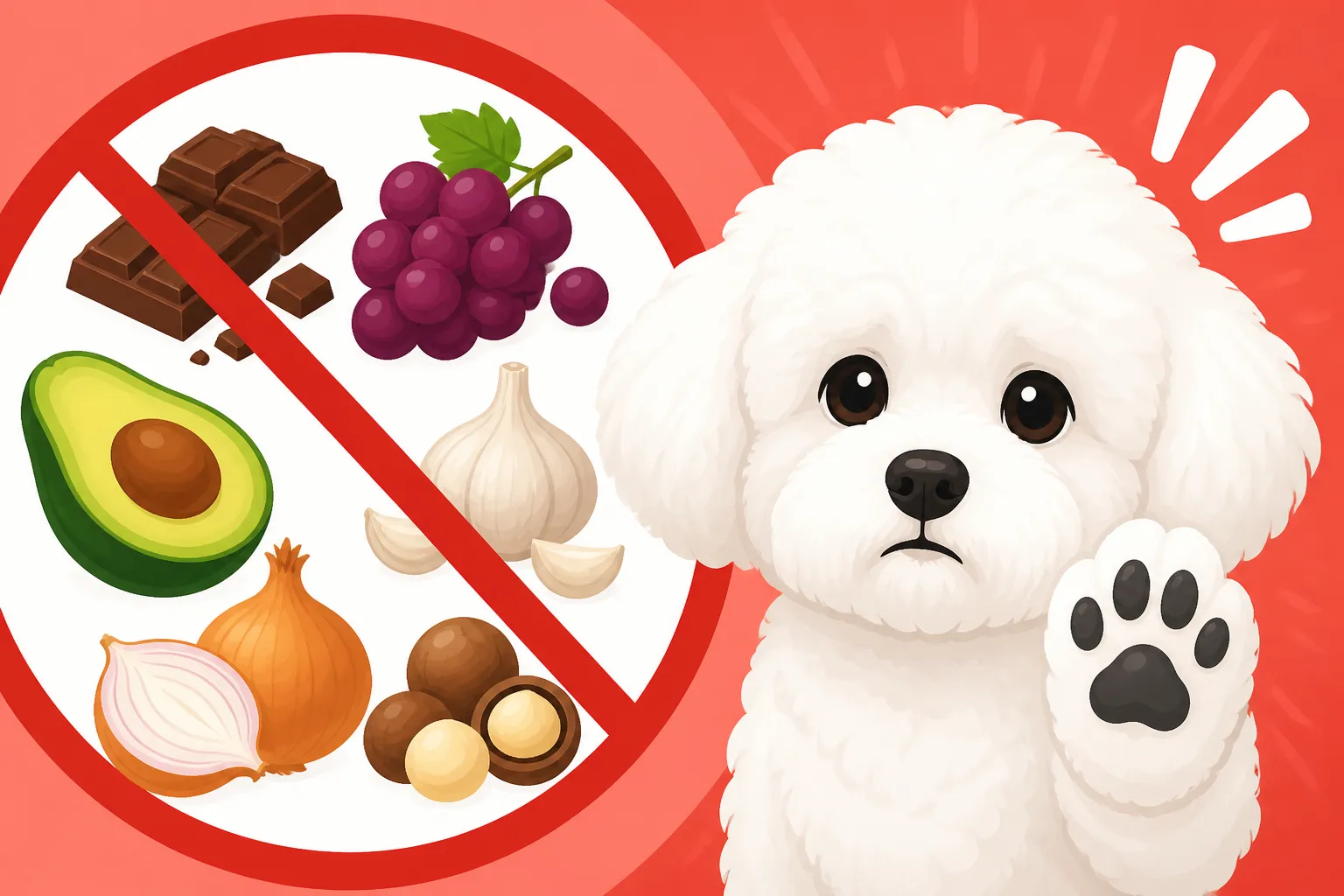
Chocolate is one of the most widely known dangerous foods for dogs, and for good reason. It contains a compound called theobromine, a stimulant similar to caffeine, which dogs process much more slowly than humans. This means it builds up in their system, leading to toxic levels. All forms of chocolate are dangerous, but the darker the chocolate, the higher the concentration of theobromine, and thus, the greater the danger. Baking chocolate and dark chocolate are the most potent, but even milk chocolate and cocoa powder can cause problems, especially for a small dog like a Bichon Frise.
Symptoms of chocolate poisoning can vary greatly depending on the amount consumed and the dog's size. For a little Bichon, even a small amount can be problematic. You might see vomiting, diarrhea, increased thirst, restlessness, hyperactivity, and an elevated heart rate. In more severe cases, tremors, seizures, and even heart failure can occur. Remember, it's not just chocolate bars; anything containing chocolate, like brownies, cookies, or even chocolate-flavored coffee, is off-limits. Keep all chocolate secured, perhaps in a high cupboard, and always be mindful during holidays like Easter or Halloween when chocolate is abundant.
Caffeine, found in coffee, tea, energy drinks, and some medications, is equally dangerous because it also contains methylxanthines, the same class of stimulant as theobromine. Even small amounts can cause similar symptoms to chocolate poisoning, with rapid heartbeat and neurological issues being particularly concerning for a small breed. Never leave your morning coffee cup where your Bichon could sneak a lap.
Grapes and Raisins: A Mysterious but Potent Threat
The exact toxic agent in grapes and raisins remains a mystery to scientists, but their danger to dogs is undeniable and can be severe, leading to acute kidney failure. What's even more perplexing is that some dogs can eat them with no ill effects, while others become gravely ill after consuming just a single grape or raisin. Due to this unpredictable nature, it's always best to treat them as highly toxic for all dogs, especially smaller breeds who have less body mass to dilute any potential toxins.
If your Bichon Frise ingests grapes or raisins, signs of toxicity typically appear within 6-12 hours. Initial symptoms might include vomiting, diarrhea, lethargy, and a lack of appetite. As kidney damage progresses, dogs may become weak, dehydrated, and show signs of increased thirst and urination, or conversely, a complete lack of urine production. Without immediate veterinary intervention, kidney failure can be fatal. This is one of those situations where you absolutely cannot wait to see if symptoms develop; veterinary attention is paramount. It’s not just the fresh fruit; anything containing grapes or raisins, like oatmeal raisin cookies or grape juice, poses the same risk.
Onions, Garlic, and Chives: The Allium Family's Bite
These common kitchen staples, members of the allium family, contain compounds that can damage a dog's red blood cells, leading to a condition called hemolytic anemia. While cooking reduces the immediate potency slightly, it doesn't eliminate the danger, and consuming large quantities or smaller amounts regularly can still be harmful. For a petite Bichon, even a moderate amount can be problematic.
Symptoms of allium poisoning can be delayed, sometimes appearing several days after ingestion. Look for lethargy, weakness, pale gums, rapid breathing, and a decreased appetite. Your Bichon might also show red or brown urine due to the damaged red blood cells. Garlic is considered more potent than onions, but both should be strictly avoided. This means no table scraps containing cooked onions or garlic, no garlic bread, and certainly no raw pieces. Even small amounts used as seasoning in human food can accumulate over time and cause issues, so be very careful about giving any leftovers.
Avocados: More Than Just Guac
Avocados contain a substance called persin, which is generally not harmful to humans but can be toxic to some animals, including dogs, especially in larger quantities. While dogs are considered more resistant to persin than birds or horses, it can still cause gastrointestinal upset in sensitive individuals. The real danger for a Bichon Frise, however, often lies in the avocado pit.
The large, hard pit can easily become a choking hazard for a small dog or cause an obstruction in their digestive tract. If ingested, it could lead to severe blockages requiring emergency surgery. Even without the pit, the high fat content of avocados can be an issue. High-fat foods, in general, can trigger pancreatitis in dogs, a painful inflammation of the pancreas. Given a Bichon's smaller size and sometimes delicate digestive system, it’s best to avoid feeding them avocado entirely.
Hidden Dangers: Ingredients to Watch Out For
Sometimes the most dangerous items aren't whole foods but rather insidious ingredients tucked away in human products. These can be even more dangerous because they're often not immediately obvious.
Xylitol: The Sweetener You Must Avoid
Xylitol is a sugar substitute commonly found in a surprising number of products: sugar-free gum, mints, candies, certain peanut butters, baked goods, toothpaste, and some medications. It's incredibly toxic to dogs, far more so than chocolate, and ingestion can be life-threatening even in small amounts for a tiny dog like a Bichon Frise.
When a dog ingests xylitol, it causes a rapid and profound release of insulin from their pancreas, leading to a sudden and severe drop in blood sugar (hypoglycemia). This can occur very quickly, sometimes within 10-60 minutes. Symptoms of hypoglycemia include weakness, vomiting, lethargy, loss of coordination, and collapse. In higher doses, xylitol can also cause acute liver failure, which manifests later with symptoms like jaundice, vomiting, and dark stools. It's absolutely critical to check the ingredient list of any human food you might consider sharing, especially peanut butter (a common treat for dogs!) or dental products, to ensure it doesn't contain xylitol. Whether a Diabetic Bichon Frise Goes Blind is a serious concern, and while xylitol causes hypoglycemia, it's a stark reminder of how sensitive a Bichon's metabolic system can be.
Alcohol: No Drinks for Dogs
It should go without saying, but alcohol is strictly off-limits for dogs. Even small amounts can cause significant problems. Dogs are far more sensitive to ethanol (the alcohol found in alcoholic beverages) than humans are, and their smaller body size means toxicity occurs at much lower doses.
Symptoms of alcohol poisoning include vomiting, diarrhea, disorientation, tremors, difficulty breathing, and a dangerous drop in body temperature. In severe cases, it can lead to coma and death. This includes not just alcoholic drinks but also food products containing alcohol, like certain desserts or fermented bread dough. Yeast in unbaked bread dough can also ferment in the dog's warm stomach, producing alcohol and causing similar issues. Keep all alcohol and yeast dough well out of reach.
Nuts and Seeds: A Mixed Bag of Trouble
While not all nuts are strictly toxic, many pose significant health risks for Bichons. Macadamia nuts are highly toxic, causing weakness, tremors, vomiting, and hyperthermia (elevated body temperature). The exact mechanism of toxicity isn't fully understood, but symptoms can last for up to 48 hours.
Other nuts, like almonds, pecans, and walnuts, while not as acutely toxic as macadamias, are very high in fat. As mentioned before, high-fat foods can trigger pancreatitis in dogs, a painful and potentially serious inflammation of the pancreas. For a small breed like a Bichon Frise, even a small handful of fatty nuts could be enough to cause issues. The shells of nuts also pose a choking hazard or can cause digestive irritation.
Seeds, like apple seeds or cherry pits, often contain cyanide. While the amount in one or two seeds might be negligible, if a dog chews and ingests many, it could be a concern. The main risk with fruit pits and larger seeds is often the choking hazard or gastrointestinal obstruction, particularly for a small dog. It's always safest to remove all pits and seeds from fruit before offering it to your Bichon.
Dairy Products: Not Always a Treat
Many dogs, especially Bichons, are lactose intolerant. This means they lack the enzyme lactase needed to break down lactose, the sugar found in milk and other dairy products. While a small amount of plain yogurt might be tolerated by some, large quantities or regular feeding of milk, cheese, or ice cream can lead to gastrointestinal upset.
Symptoms of lactose intolerance include diarrhea, vomiting, and abdominal pain. Even if your Bichon isn't severely lactose intolerant, the high fat content in many dairy products, like cheese, can still pose a risk for pancreatitis. So, while a tiny lick of ice cream might seem harmless, it's generally best to avoid dairy or offer only very small, plain, unsweetened yogurt as an occasional treat if you know your dog tolerates it.
When in Doubt: What to Do if Your Bichon Eats Something Dangerous
Despite your best efforts, accidents can happen. A dropped pill, a curious sniff resulting in a bite, or a sneaky counter-surfing incident. If you suspect your Bichon Frise has eaten something dangerous, time is often of the essence. Don't panic, but act quickly and calmly.
Immediate Action: Contact Your Veterinarian
The very first thing you should do is call your veterinarian or an emergency veterinary clinic immediately. Don't wait for symptoms to appear, especially with highly toxic items like xylitol, grapes, or dark chocolate. The sooner you get professional advice, the better the outcome for your Bichon.
When you call, be prepared to provide as much information as possible:
- What was ingested? Be specific (e.g., "a chocolate chip cookie," "three grapes," "sugar-free gum").
- How much was ingested? Estimate the quantity as accurately as you can.
- When was it ingested? Give the approximate time.
- Your Bichon Frise's weight. This is crucial for calculating toxic doses.
- Any symptoms you've observed. Even subtle changes are important.
Your vet will advise you on the best course of action. This might include inducing vomiting (which should only be done under veterinary guidance, as it can be dangerous if done incorrectly or for certain toxins) or instructing you to bring your Bichon in for immediate treatment. Never try to induce vomiting at home without direct instructions from a vet, as it can be harmful if the substance is corrosive or if your dog is already showing severe symptoms.
Veterinary Treatment and Follow-Up
Upon arrival at the clinic, the vet will assess your Bichon's condition. Treatment will vary depending on the toxin and the time since ingestion. It might involve inducing vomiting, administering activated charcoal to absorb toxins in the digestive tract, intravenous fluids to support kidney function, or medications to manage specific symptoms like seizures or heart arrhythmias.
In some cases, your Bichon Frise might need to stay overnight for observation and supportive care. Follow all veterinary instructions carefully, including dietary changes or medication, to ensure a full recovery. Prevention is always the best medicine, but knowing how to react swiftly can save your Bichon's life. If your vet recommends a special diet during recovery, you might find specific therapeutic options on sites like Chewy or Amazon.
Beyond the Obvious: Why Some "Safe" Foods Aren't Ideal for Bichons
Even foods generally considered non-toxic can cause problems for a Bichon Frise due to their specific breed sensitivities, size, or overall health requirements. It's not just about avoiding poison; it's about promoting optimal health. What Bichon Frises Are Most Often Treated For often includes digestive issues or conditions that can be exacerbated by inappropriate foods.
High-Fat Foods: A Pancreatitis Risk
Foods rich in fat, even those that aren't inherently toxic, pose a significant risk to Bichons. Small breeds, including the Bichon Frise, are prone to pancreatitis, a painful and potentially life-threatening inflammation of the pancreas. A sudden influx of fatty food, like bacon grease, fried chicken skin, or even rich cheese, can trigger an attack.
Symptoms of pancreatitis include severe abdominal pain, vomiting, diarrhea, lethargy, and a hunched posture. If your Bichon develops pancreatitis, they will require immediate veterinary care, often involving hospitalization, intravenous fluids, and pain medication. Long-term management typically involves a low-fat diet. Therefore, avoid feeding fatty table scraps and stick to lean, vet-approved treats. If you need to switch to a specific therapeutic diet, many reputable brands are available through retailers like Chewy or directly from your vet. Whether a Bichon Frise's Diabetes Follows Cushing's is another delicate health matter where dietary management is paramount, highlighting the importance of proper nutrition.
High-Sodium Foods: Watch the Salt
While a tiny amount of salt isn't harmful, foods excessively high in sodium can be dangerous for dogs, especially small ones. Large intakes of salt can lead to sodium ion poisoning, which can cause vomiting, diarrhea, lethargy, tremors, seizures, and even death. It can also exacerbate underlying heart conditions if your Bichon Frise has one.
Common culprits include salty snacks like pretzels, potato chips, heavily salted deli meats, and some processed human foods. Always be mindful of the salt content when considering sharing any human food. It’s far better to opt for plain, unsalted options if you're going to share a tiny piece of cooked meat or vegetable.
Bones and Rawhide: Choking and Obstruction Hazards
While dogs are natural chewers, giving your Bichon Frise bones or rawhide can be surprisingly risky. Cooked bones, especially chicken or pork bones, can splinter easily, leading to choking, internal lacerations, or blockages in the digestive tract. The sharp fragments can cause serious damage from the esophagus all the way through the intestines.
Rawhide can also pose a choking hazard, especially if your Bichon manages to tear off a large piece and swallow it whole. It can also cause stomach upset or, if a large piece is swallowed, an intestinal obstruction. For a small dog, even relatively small pieces can cause significant problems.
It's safer to offer dental chews specifically designed for small dogs or rubber chew toys that are indestructible and cannot be swallowed. If your Bichon is on a special diet, such as The Diet a Bichon Frise Stays On for Life for stone prevention, it's crucial that any treats align with those dietary restrictions. Always choose appropriate, vet-recommended chew alternatives.
Overfeeding: The Road to Obesity
While not strictly about dangerous foods, overfeeding any food, even healthy kibble or approved treats, is a significant danger to your Bichon Frise's long-term health. Obesity is a widespread problem in companion animals and can lead to a host of serious health issues, including diabetes, arthritis (especially if they are predisposed to conditions like Slipping Kneecaps in a Bichon Frise), heart disease, and a shortened lifespan.
Bichons are small and don't need a lot of calories. It’s easy to inadvertently overfeed them with just a few extra treats or a slightly too-generous portion size. Always measure your Bichon's food according to the guidelines on their food bag and your veterinarian's recommendations. Be disciplined with treats, ensuring they make up no more than 10% of their daily caloric intake. This is especially important if your Bichon is on a specialized diet like Whether a Bichon Frise Must Stay on the Diet Forever for bladder stones, where calorie control is essential. Companies like Ollie offer portion-controlled fresh food, which can help manage intake.
Comprehensive List of Dangerous Foods
To make things easy, here’s a quick reference table of common dangerous foods and their potential effects on your Bichon Frise. Remember, this isn't an exhaustive list, but it covers the most common kitchen culprits.
| Dangerous Food/Ingredient | Toxic Component | Potential Symptoms in Bichon Frise | Severity |
|---|---|---|---|
| Chocolate | Theobromine | Vomiting, diarrhea, hyperactivity, tremors, seizures, heart problems | Moderate to Severe |
| Xylitol | Xylitol | Hypoglycemia (low blood sugar), liver failure, vomiting, lethargy, loss of coordination, collapse | Severe, Life-threatening |
| Grapes & Raisins | Unknown | Vomiting, diarrhea, lethargy, kidney failure, increased thirst/urination | Severe, Life-threatening |
| Onions, Garlic, Chives | Thiosulphates | Vomiting, diarrhea, lethargy, pale gums, red/brown urine, hemolytic anemia | Moderate to Severe |
| Alcohol | Ethanol | Vomiting, diarrhea, disorientation, tremors, difficulty breathing, coma, death | Severe, Life-threatening |
| Macadamia Nuts | Unknown | Weakness, tremors, vomiting, hyperthermia | Moderate |
| Avocado (esp. pit) | Persin (flesh), Choking/Obstruction (pit) | Gastrointestinal upset (flesh), choking, intestinal blockage (pit) | Mild to Severe |
| Coffee, Tea, Caffeine | Caffeine | Restlessness, hyperactivity, elevated heart rate, tremors, seizures | Moderate to Severe |
| Yeast Dough (unbaked) | Ethanol production, Gas expansion | Bloating, vomiting, disorientation, tremors, coma, stomach rupture | Severe, Life-threatening |
| High-Fat Foods | Excess Fat | Vomiting, diarrhea, abdominal pain, lethargy, pancreatitis | Moderate to Severe |
| High-Salt Foods | Sodium | Vomiting, diarrhea, excessive thirst/urination, lethargy, tremors, seizures | Moderate to Severe |
| Bones (cooked) | Splinters | Choking, internal lacerations, gastrointestinal obstruction | Severe |
| Dairy (lactose intolerant) | Lactose | Diarrhea, vomiting, abdominal discomfort | Mild to Moderate |
| Fruit Pits/Seeds | Cyanide, Choking Hazard | Choking, gastrointestinal obstruction, (cyanide poisoning with large quantities) | Moderate to Severe |
Final Thoughts on Keeping Your Bichon Safe
Caring for a Bichon Frise means being vigilant about what they eat. Their small size makes them particularly vulnerable to toxins and digestive upsets that might be less severe in a larger dog. The best approach is to feed them a high-quality, balanced dog food appropriate for their life stage and size, and stick to vet-approved treats. If your Bichon is on a special diet, Whether a Bichon Frise Ever Comes Off the Stone Diet or for allergies, dietary adherence is even more critical.
Resist the urge to share human food, especially items that haven't been thoroughly researched as safe for dogs. Always keep dangerous foods secured and out of reach, and educate everyone in the household, including children and guests, about what your Bichon cannot eat. By being proactive and informed, you can help ensure your fluffy companion lives a long, healthy, and happy life, free from preventable food-related emergencies.
Disclaimer
This article is for general informational purposes only and does not constitute professional advice. Laws, prices and regulations vary by location and change over time. Consult a qualified professional for guidance on your specific situation.