Signs a Bichon Frise Is Carrying Too Much Weight
It’s a common worry for many Bichon Frise parents: is my fluffy companion a little too fluffy? Because of their gorgeous, cloud-like coats, it can be incredibly hard to tell if your Bichon is carrying a few extra pounds, or if that roundness is just their natural, beautifully groomed puffball shape. This guide will walk you through the subtle and not-so-subtle signs that your beloved Bichon Frise might be carrying too much weight, and what to look out for beyond just the number on the scale.
The Tricky Truth About the Bichon Frise Coat and Weight
Let's be honest, it's incredibly easy for a Bichon Frise to hide weight gain. Their dense, soft, double coat is designed to make them look like a living cotton ball, which is utterly adorable but also a master camouflage for extra padding. You might think your Bichon feels perfectly fine, a lovely squishy pillow, when in reality, that squish might be more fat than fluff. This can lead to owners being genuinely surprised when their vet gently suggests a diet plan. It’s not about judgment; it’s about recognizing that their unique coat, combined with their generally loving and sometimes less active senior years, creates a perfect storm for unnoticed weight creep.
Many of us don't even realize it's happening until the vet points it out during a routine check-up, and by then, it can be a significant amount of weight. The initial signs are often missed because we rely so much on visual cues, and a Bichon's coat simply doesn't allow for those easy visual checks you might perform on a shorter-haired breed. This is why learning to feel your dog is so important, alongside observing their overall demeanor and daily habits. It’s all about being a proactive pet parent, especially when dealing with a breed prone to certain health challenges where weight can play a detrimental role.
Visual Cues: What to Look for Beyond the Fluff
Even with all that glorious hair, there are still some visual clues you can pick up on if you know where to look. These might be subtle at first, but once you start paying attention, they become more apparent. It's like finding Waldo, but for fat pads on a Bichon Frise!
Less Defined Waistline and "Barrel" Shape
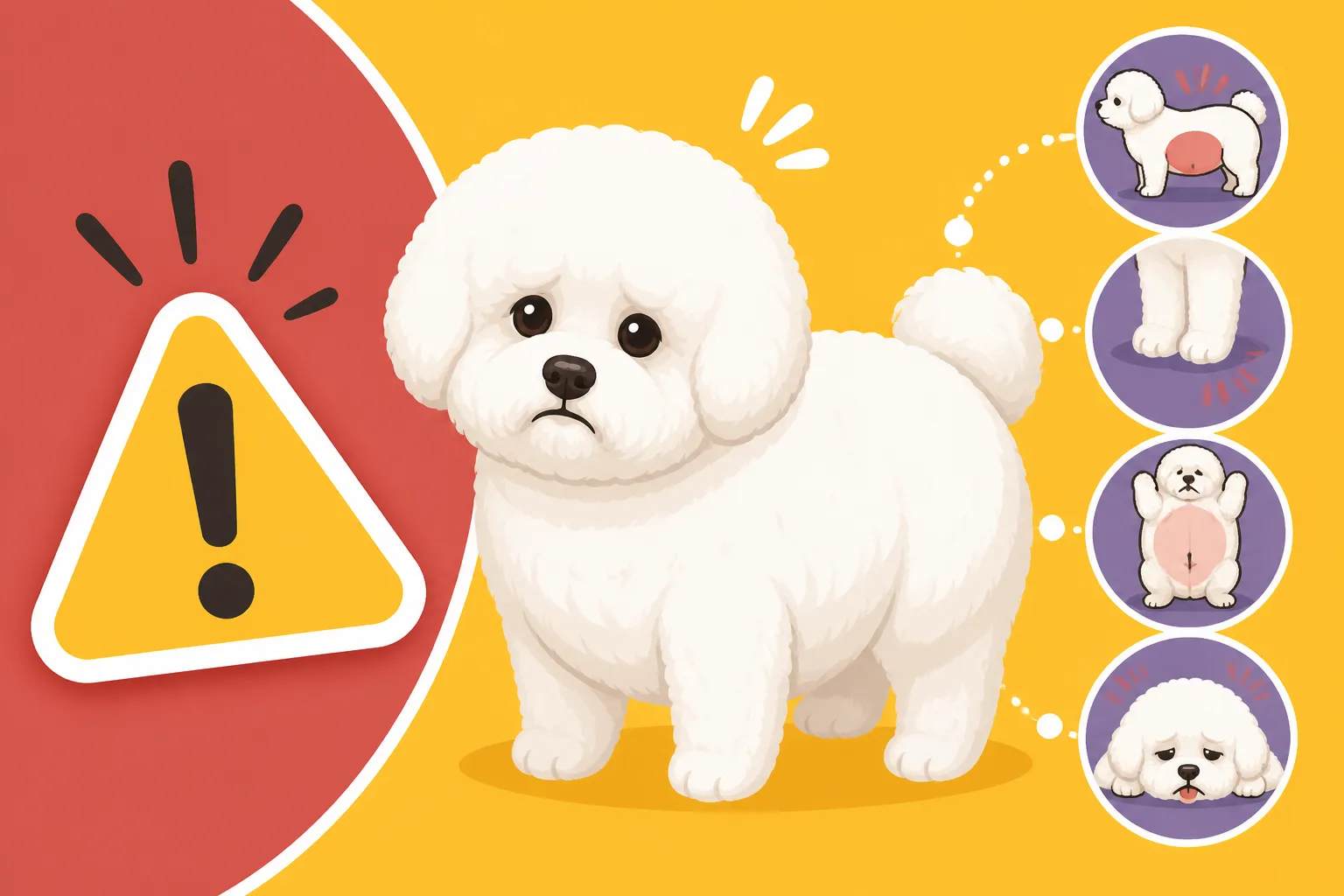
One of the first places to look, even through the fluff, is your Bichon's waist. When viewed from above, a healthy Bichon Frise should have a noticeable tuck-in behind their ribs, creating a gentle hourglass shape. An overweight Bichon will start to lose this definition, appearing more cylindrical or "barrel-shaped." Imagine a perfect tube, that's what you're trying to avoid. From the side, their abdomen should also tuck up slightly rather than hanging low or looking distended. Sometimes, their entire silhouette just starts to look a bit heavier, less nimble, and more solid. If you groom your Bichon at home or have them professionally groomed, pay close attention when their coat is wet or freshly clipped. That's when you'll truly see their body shape without the optical illusion of their fur. You might be surprised at what's been hiding under there! This is also why The Powder Puff Outline the Bichon Frise Standard Describes is not just about looks, but about maintaining their ideal physical form.
Changes in Gait and Mobility
An increase in weight, even a small amount, can put additional strain on your Bichon Frise's joints. You might notice them moving a little slower, being less enthusiastic about walks, or even having difficulty jumping onto furniture they once leaped onto effortlessly. Perhaps they hesitate before climbing stairs, or seem stiffer when they first wake up. This is particularly concerning for Bichons, who can be prone to conditions like Slipping Kneecaps in a Bichon Frise. Extra weight exacerbates these issues, causing more pain and accelerating joint degeneration. Observe their usual "Bichon Blitz" – those sudden bursts of energy where they race around the house. Are they happening less frequently, or do they seem less energetic during these joyful sprints? If your typically spry Bichon seems to be dragging their paws, or if their happy zoomies have turned into sluggish trundles, it's a definite red flag.
Excess Skin Folds and "Chunky" Appearance
While their coat can hide a lot, sometimes you'll start to see more pronounced skin folds, particularly around their neck, chest, or tail base. When you pick them up, do they feel surprisingly heavy for their size? Does their face look rounder, almost as if they have chubby cheeks? Sometimes, the fat deposits can make their legs look shorter and thicker, and their overall posture might seem squatter. If you ever see your Bichon after a bath, before their coat is fluffed, take a good look. Is there a visible "roll" around their middle? Do their ribs feel hard to find even when wet? This visual inspection during bath time is an invaluable, regular opportunity to assess their true physical form without the distracting fluff. It’s a good moment to really get hands-on and feel what's going on underneath.
The Hands-On Approach: Palpating for Pounds
Visual cues are a starting point, but the most accurate way for a pet parent to assess their Bichon Frise's weight at home is by getting hands-on. This isn't about being rough; it's about a gentle, systematic check of their body condition. Think of it as a loving massage with a purpose!
Rib Check: Can You Feel Them Without Seeing Them?
This is the gold standard for at-home weight assessment. Gently run your palms along your Bichon Frise's sides, just behind their front legs. You should be able to easily feel their ribs, almost like feeling the knuckles on your hand, but without seeing them protruding. If you have to press firmly to feel the individual ribs, or if you can't feel them at all because there's a thick layer of fat obscuring them, then your Bichon is likely overweight. If you can see their ribs without pressing, they might be underweight, which is another concern. The goal is to feel them distinctly but not have them visually prominent. This takes a little practice, especially with a fluffy coat, so don't be discouraged if it's not immediately obvious. Practice regularly so you know what feels normal for your dog.
Spine and Hip Bone Assessment
Continue your tactile assessment by feeling along their spine. You should be able to feel the individual bumps of their vertebrae, but again, not see them. As you move towards their hips, you should be able to feel their hip bones without them sticking out sharply. If their spine feels like a smooth, flat surface with no discernible bumps, or if their hip bones are buried under a cushion of fat, it's another indicator of excess weight. An ideal body condition means you can feel these bony landmarks with light pressure. For a Bichon Frise, whose overall frame is delicate, being able to palpate these areas easily is key. This careful touch-test can tell you more than any scale ever could about their actual body condition.
Tail Base and Fat Pads
Don't forget the tail base! This is a common spot for fat deposits in many dogs, including Bichons. Gently feel around the base of your Bichon's tail where it meets their back. If it feels thick and squishy with noticeable fat pads, rather than a smooth transition to bone, it's another sign of being overweight. You might also notice fat deposits forming over their shoulders or at the base of their neck. These little pockets of extra fat are often subtle and easily hidden by their thick fur, but your fingertips will reveal them. It’s like finding a hidden marshmallow where there should be just bone and muscle. Regularly feeling these areas helps you monitor for changes and catch weight gain early.
Here’s a quick guide to help you assess your Bichon’s body condition:
| Feature | Underweight | Ideal Weight | Overweight |
|---|---|---|---|
| Ribs | Easily visible and palpable, no fat cover | Easily palpable, not visible, slight fat cover | Difficult to feel, covered by thick fat layer |
| Waist | Severely tucked, hourglass shape | Clearly visible tuck from above | Absent or barely visible, barrel-shaped |
| Abdomen | Markedly tucked up | Tucked up | Flat or sagging, no tuck |
| Spine | Easily visible and palpable | Easily palpable, not visible | Difficult to feel, covered by fat |
| Tail Base | Prominent bones | Smooth, bones felt under light cover | Thick, broad, covered in fat, prominent fat pads |
| Overall Look | Bony, gaunt | Well-proportioned, athletic | Round, heavy, no definition |
Beyond the Physical: Behavioral and Health Indicators
It’s not just about what you see and feel; your Bichon Frise’s behavior can also be a huge indicator that they’re carrying extra weight. Sometimes, these behavioral changes are the first real red flags, even before the physical signs become obvious to the untrained eye.
Decreased Energy and Reluctance to Play
A healthy Bichon Frise is typically a playful, energetic little dog. If your Bichon seems less interested in their favorite games, sleeps more than usual, or is generally more lethargic, it could be due to carrying too much weight. Think about it: if you had to carry an extra 10-20% of your body weight around all day, you'd probably feel pretty tired too! This reduced energy isn't just about being lazy; it's often a direct result of the physical burden on their body. They might opt for short naps over a rousing game of fetch or greet you with a slow wag instead of a full-body happy dance. While some decrease in energy is natural as they age, a sudden or significant drop should prompt a weight check. This can be especially noticeable if you have a Bichon Frise Is Playful Into Old Age.
Changes in Breathing and Stamina
Overweight dogs often have a harder time breathing, especially after even mild exercise. You might notice your Bichon panting more heavily than usual after a short walk, or struggling to catch their breath. Their stamina might decrease significantly; what used to be a brisk 20-minute walk might now leave them winded after 10. This is because excess fat restricts lung capacity and makes their heart work harder. If your Bichon is huffing and puffing after a quick stroll to the mailbox, or if you hear new snoring or snorting sounds, it's definitely time to assess their weight. This added strain on their respiratory and cardiovascular systems can lead to more serious health problems down the line. Keep an eye out for these subtle but important changes.
Uncharacteristic Grumpiness or Discomfort
Sometimes, an overweight Bichon might become uncharacteristically grumpy or even show signs of discomfort when touched, particularly around their joints or back. The added weight can cause aches and pains, making them less tolerant of being handled, especially if those handling moments are usually associated with play or grooming. They might snap or shy away if you touch their back or legs, which is a big change for a breed known for its merry temperament. This isn't naughtiness; it's a sign they're in pain. If your once-cuddly Bichon starts to push you away or shows signs of irritation when petted, consider that physical discomfort from excess weight might be a contributing factor. Addressing their weight could dramatically improve their mood and willingness to interact.
What to Do When You Suspect Weight Gain
Okay, so you've done your checks, and you have a sneaking suspicion that your adorable fluffball is indeed carrying a bit too much weight. Don't panic! This is a common issue, and the good news is that it's manageable. The key is to approach it systematically and, most importantly, with the guidance of your veterinarian.
Consult Your Veterinarian First
The very first step is always a visit to your vet. They can accurately assess your Bichon Frise's body condition score, weigh them on a proper scale, and rule out any underlying medical conditions that might be contributing to weight gain, like hypothyroidism or Cushing's disease. They can also provide a realistic target weight and help you develop a safe and effective weight loss plan tailored to your dog's individual needs and health status. Never put your dog on a restrictive diet without vet supervision, as it could lead to nutritional deficiencies or other health issues. Your vet is your best partner in this journey to a healthier pup. They might also discuss a proper diet if your Bichon is predisposed to issues like bladder stones, as The Diet a Bichon Frise Stays On for Life is crucial.
Adjusting Their Diet
Once you have your vet's recommendation, the next big step is adjusting their diet. This usually involves reducing portion sizes or switching to a specially formulated weight-management food. Many pet food brands, like Purina Pro Plan, Royal Canin, or Hill's Science Diet, offer prescription or over-the-counter weight-loss formulas. These foods are designed to be lower in calories but still provide all the essential nutrients your Bichon needs.
It's tempting to just feed less of their current food, but sometimes this can leave them feeling hungry or lacking certain vitamins and minerals. A dedicated weight-loss food allows them to eat a more satisfying volume while still cutting calories. Be meticulous about measuring their food; don't just eyeball it. And this is crucial: eliminate or severely restrict treats and human food. Even small amounts of high-calorie treats can sabotage a diet. If you absolutely must give treats, opt for very low-calorie options like small pieces of carrot, green beans, or special diet-friendly treats. You can find many healthy treat options on platforms like Chewy or Amazon, but always check with your vet first to ensure they are appropriate for a weight-loss plan. For those interested in alternative meal plans, some services like Ollie offer fresh, pre-portioned meals, which could be an option if approved by your vet, as portion control is key.
Increasing Exercise Gradually
Diet alone often isn't enough; exercise is a vital component of any weight loss plan. Start slowly and gradually increase the duration and intensity of your Bichon Frise's physical activity. If they're currently very sedentary, begin with shorter, more frequent walks. For example, instead of one long walk, try two or three shorter 10-15 minute strolls throughout the day. Gradually increase the time as their stamina improves.
Consider introducing more interactive playtime sessions indoors, especially if weather limits outdoor activities. Games of fetch in the hallway or even hide-and-seek can get them moving. Just be mindful of their joints, especially if they already show signs of stiffness or Arthritis in a Bichon Frise at Eleven. Avoid high-impact activities initially and focus on consistent, moderate movement. Swimming, if accessible and enjoyable for your Bichon, can be an excellent low-impact exercise. The goal is to make exercise a fun, regular part of their day, not a chore. This sustained effort will contribute significantly to them reaching a healthy weight and improving their overall quality of life. Consistent, gentle exercise is much more effective than sporadic bursts.
Disclaimer
This article is for general informational purposes only and does not constitute professional advice. Laws, prices and regulations vary by location and change over time. Consult a qualified professional for guidance on your specific situation.