Whether a Bichon Frise’s Ears Trap Moisture
If you're a Bichon Frise parent, you've probably noticed that their adorable floppy ears, while adding to their charm, can also be a bit of a challenge. One common worry is whether those fluffy ears actually trap moisture, leading to a host of uncomfortable and persistent problems for your beloved companion. This guide will delve into the unique characteristics of Bichon Frise ears, explain why they're prone to moisture retention, and, most importantly, provide you with actionable steps to keep them healthy and dry.
Understanding the Bichon Frise Ear Structure and Why It's Prone to Moisture
It's not just a hunch; there's a real anatomical and physiological basis for why your Bichon Frise's ears are more susceptible to moisture issues than, say, a German Shepherd's. Their ear structure, combined with their signature coat, creates a perfect storm if not managed proactively.
The Anatomy of a Bichon Ear
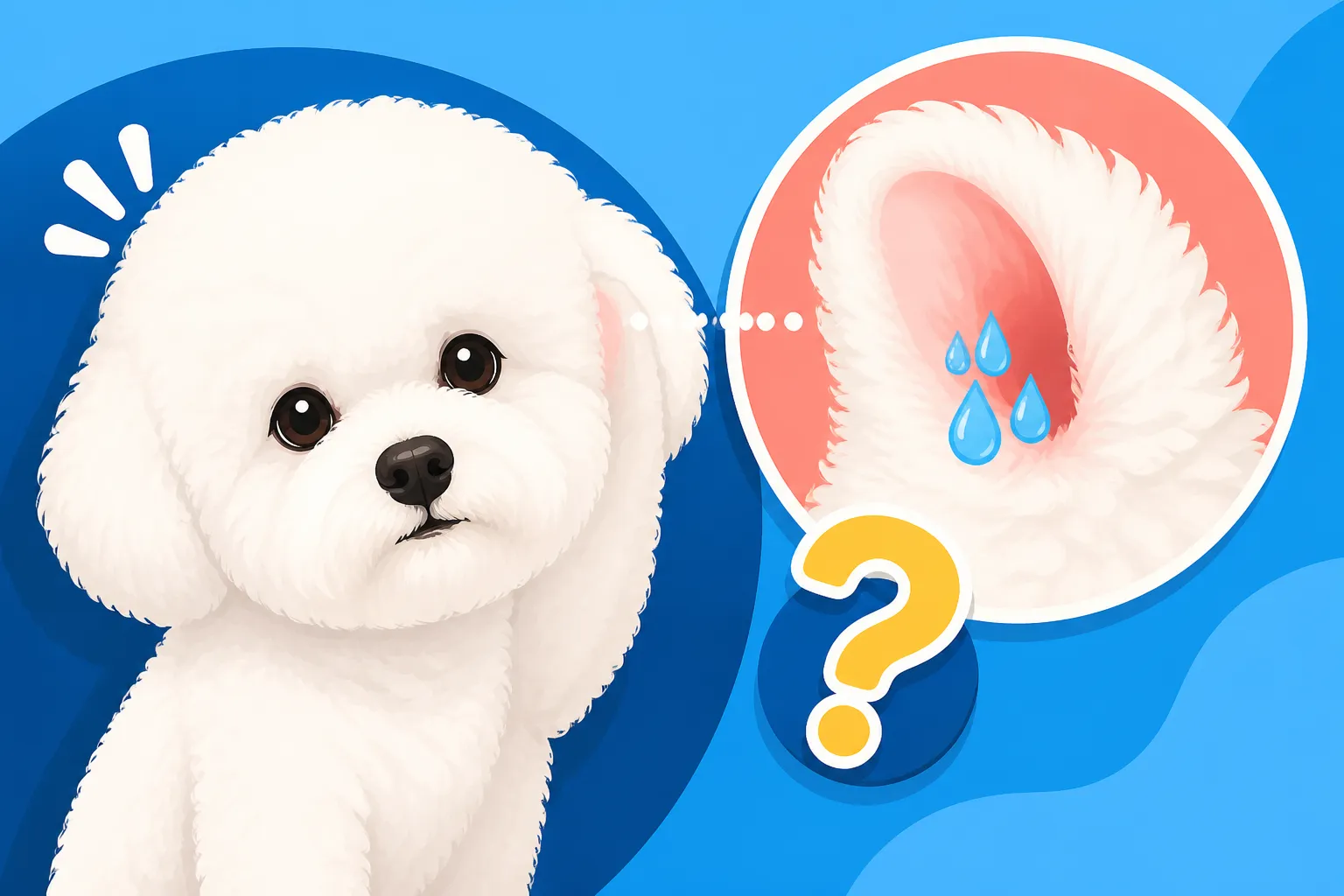
Let's break down what makes a Bichon's ear a little different. First, you have those lovely, pendulous ears. Unlike breeds with upright, "prick" ears, a Bichon's ears hang down, covering the ear canal opening. This design inherently limits airflow into the ear canal. Think of it like putting a blanket over a vent – it stops the air from circulating freely.
Now, add to that the fact that Bichons, being a fluffy breed, often have a fair amount of hair growing inside their ear canals. This isn't just a few stray hairs; it can be a dense mat of soft fur that acts like a sponge. This hair traps debris, wax, and crucially, moisture. When moisture gets trapped in this warm, dark, and poorly ventilated environment, it creates an ideal breeding ground for bacteria and yeast, which absolutely thrive in such conditions. It's a stark contrast to breeds with less ear hair and open ear canals, where air circulation helps keep things dry and healthy naturally. This combination of floppy ears and dense inner-ear hair is a primary reason why Bichons are often predisposed to ear problems.
The Role of Coat Type in Moisture Retention
Beyond the internal ear hair, the Bichon Frise's iconic dense, curly double coat plays a significant role in external moisture retention. That beautiful, fluffy coat, which we all adore, is designed to be water-resistant and provide insulation. While great for keeping them warm, it can inadvertently act like a seal around the ears.
When your Bichon gets wet—whether it’s from a bath, a romp in dewy grass, or even a drink of water that splashes up—that dense outer coat around their ears can hold onto moisture for a surprisingly long time. Imagine wearing a thick wool hat that gets wet; it takes ages to dry, right? The same principle applies here. If this moisture isn't thoroughly dried, it can seep into the less ventilated inner ear area, further contributing to the damp, humid environment we just discussed. This means that even if you're careful about water entering the ear canal, the external coat can still create a moisture problem if not properly managed. It's a constant battle to keep that gorgeous coat, especially around the ears, truly dry.
The Risks Associated with Trapped Moisture in Bichon Frise Ears
Allowing moisture to linger in your Bichon Frise’s ears isn't just a minor inconvenience; it opens the door to a cascade of potential health issues that can cause significant discomfort and require veterinary intervention. Understanding these risks is crucial for proactive care.
Fostering Bacterial and Yeast Infections
The most immediate and common consequence of trapped moisture in a Bichon’s ears is the proliferation of unwelcome microorganisms: bacteria and yeast. These microscopic invaders are always present on a dog's skin and in their ears in small, manageable numbers. However, when the environment shifts to become warm, dark, and damp, it's like an open invitation for them to throw a party and multiply exponentially.
Yeast, often Malassezia pachydermatis, thrives in humidity, leading to a characteristic musty, yeasty smell, often described as smelling like old bread or corn chips. Bacterial infections, frequently caused by Staphylococcus or Pseudomonas, can produce a more pungent, foul odor and often result in pus-like discharge. Both types of infections cause intense itching, leading your Bichon to shake their head, scratch at their ears, and rub their head against furniture or the floor. This self-trauma only exacerbates the inflammation and can even break the delicate skin lining the ear canal, creating further entry points for infection. If you’ve ever had an earache, you know how miserable it can be, and our Bichons feel the same intense discomfort. Left untreated, these infections can spread deeper into the ear or lead to more severe, chronic conditions. For more on this, check out Recurrent Ear Infections in a Bichon Frise.
Contributing to Chronic Ear Issues and Discomfort
While acute infections are painful enough, the real long-term danger of consistently trapped moisture is the development of chronic ear disease. Each time an infection flares up, the tissues lining the ear canal become inflamed, swollen, and irritated. Over time, repeated inflammation can lead to irreversible changes in the ear canal's structure.
What does this look like? The skin inside the ear canal can thicken and become leathery, a process called lichenification. The ear canal itself might narrow, making it even harder for air to circulate and for debris and discharge to exit naturally. This narrowing creates an even more perfect environment for future infections, setting up a frustrating cycle of recurrent problems. In severe, chronic cases, calcium deposits can form in the ear canal, or the eardrum can rupture, potentially affecting hearing and even leading to neurological issues if the infection spreads to the middle or inner ear. Imagine living with constant itchiness, pain, and muffled hearing – it significantly impacts your dog's quality of life. Preventing moisture from getting trapped is the first and most critical step in avoiding this painful, long-term struggle.
Practical Strategies to Prevent Moisture Trapping and Ear Problems
The good news is that preventing moisture from trapping in your Bichon Frise’s ears is absolutely achievable with consistent effort and the right routine. It might seem like a lot of work at first, but it quickly becomes second nature, and your happy, healthy Bichon will thank you for it.
Regular Cleaning and Drying Routines
This is perhaps the most crucial aspect of ear care for a Bichon Frise. You need to establish a routine that ensures their ears are clean and, more importantly, bone dry, especially after baths or any exposure to moisture.
- During Baths: Before you even get your Bichon wet, place large cotton balls gently (not deep into the canal) into their ear openings. These act as a barrier to prevent water from running directly into the ear canal. Make sure they are big enough to easily retrieve. After the bath, remove the cotton balls immediately.
- Thorough Drying is Key: This isn't just about towel-drying the outside of the ear flap. You need to ensure the inner ear is dry too. Use a soft, absorbent cloth or cotton pad to gently wipe the visible parts of the ear canal and outer ear flap. You can also use a low-setting hairdryer (held at a safe distance and never aimed directly into the canal) to gently dry the surrounding hair and promote airflow into the canal. Always check the temperature on your skin first! For a more targeted approach, many vets recommend a post-bath ear drying solution. These often contain alcohol or other drying agents to help evaporate any lingering moisture. Just a few drops after a bath can make a big difference. Remember, the goal is dry.
- Weekly Checks and Cleaning: Even without a bath, performing a weekly ear check is vital. Gently lift the ear flap and look inside. Does it look clean? Is there any redness, discharge, or a funky smell? If you see a small amount of wax or debris, use a vet-approved ear cleaner. Apply the cleaner as directed, gently massage the base of the ear to help break up debris, and then let your Bichon shake their head. Finally, use a clean cotton ball or gauze to wipe away any loosened gunk from the visible parts of the ear. Never use cotton swabs deep inside the ear canal, as this can push debris further in and damage the eardrum. For a detailed guide on routine ear cleaning, refer to How Often a Bichon Frise's Ears Should Be Cleaned.
The Importance of Professional Grooming
While you can do a lot at home, a professional groomer is an invaluable partner in maintaining your Bichon Frise's ear health. Their expertise specifically targets the unique needs of a Bichon's coat and ear hair.
- Trimming and Plucking Ear Hair: As we discussed, hair growing within the ear canal can trap moisture and debris. Many groomers will carefully trim this hair or, if recommended by your vet and suitable for your individual dog, gently pluck it. Plucking opens up the ear canal, dramatically improving air circulation and making it much harder for moisture to get trapped. It’s a delicate process that requires skill to avoid irritating the sensitive skin, which is why a professional touch is often best. However, some dogs are prone to irritation from plucking, so always discuss this with your vet and groomer to decide what’s best for your particular Bichon. You can learn more about this specific task by looking at Whether a Bichon Frise's Ear Hair Needs Plucking.
- Maintaining External Ear Fluff: A good groomer will also trim the hair around the outside of the ear canal opening. This prevents the dense outer coat from forming a tight seal over the ear, allowing more air to flow in and around the ear flap, helping to dry any residual moisture.
- Early Detection: Professional groomers spend a lot of time closely examining your dog. They often spot early signs of ear trouble – slight redness, a subtle odor, or increased wax – before you might notice it at home. They can then alert you to consult your veterinarian, potentially catching an infection before it becomes severe. Regular grooming, usually every 4-6 weeks, is a non-negotiable part of Bichon Frise care, and ear health is a significant component of that service.
Environmental Considerations and Lifestyle Adjustments
Beyond direct ear care, thinking about your Bichon's environment and daily habits can also help minimize moisture issues.
- Avoid Excessive Moisture Exposure: This sounds obvious, but it's worth reiterating. If your Bichon loves to splash in puddles or get super enthusiastic with their water bowl, be prepared to dry their ears immediately afterward. Using a shallower water bowl or a fountain designed for dogs might reduce splashes.
- Swimming and Water Play: While many Bichons aren't avid swimmers, if yours enjoys a dip, their ears will definitely be susceptible to waterlogging. After any swim, even a short one, it is absolutely essential to dry their ears thoroughly using cotton balls and an ear-drying solution as described above. Consider limiting swim time, especially if your dog has a history of ear infections.
- Humidity at Home: In very humid climates or during certain seasons, simply the ambient moisture in the air can contribute to a damp ear environment. Running a dehumidifier in the room where your Bichon spends most of their time can help reduce overall humidity levels.
- Appropriate Treats and Diet: While not directly related to external moisture, a dog's overall health, including their diet, can impact their susceptibility to yeast overgrowth. If your Bichon is prone to yeast infections, discuss their diet with your vet. Sometimes, dietary changes can help manage systemic yeast issues that manifest in the ears. Brands like Chewy, Ollie, and Amazon offer a variety of dog foods and treats, so always ensure any special diet is vet-approved, especially if your Bichon is on a prescription diet for other issues.
| Ear Care Practice | Description | Benefit | Frequency / Notes |
|---|---|---|---|
| Cotton Balls in Bath | Placing large cotton balls in the ear openings before bathing. | Prevents water from entering the ear canal directly. | Every bath. Remove immediately after bath. |
| Thorough Drying | Using soft cloths, cotton pads, or low-setting hairdryer (safely) to dry inside and around the ear flap. | Eliminates trapped moisture that leads to infections. | After every bath, swim, or significant wetness. |
| Weekly Ear Checks | Lifting the ear flap to inspect for redness, odor, discharge, or excessive wax. | Early detection of problems. | At least once a week, more if prone to issues. |
| Ear Cleaning Solution | Applying vet-approved cleaner, massaging, and wiping visible debris. | Removes wax and debris, maintains healthy ear environment. | As needed (often weekly or bi-weekly), or as directed by vet. |
| Professional Grooming | Trimming/plucking internal ear hair and external ear fluff. | Improves airflow, reduces hair-trapping. | Every 4-6 weeks, as part of regular grooming. Discuss hair plucking with vet. |
| Environmental Control | Managing humidity in living areas, mindful of water activities. | Reduces ambient moisture and exposure to wetness. | Ongoing; adjust practices based on climate and lifestyle. |
Recognizing the Signs of Ear Trouble and When to Seek Vet Care
Even with the best preventative measures, sometimes ear problems can still arise. Knowing what to look for and when to call your veterinarian is critical to addressing issues quickly and preventing them from becoming chronic or severe.
Common Symptoms of Ear Infections in Bichons
Your Bichon Frise can't tell you in words that their ears hurt, so it's up to us, their devoted parents, to be vigilant and recognize the subtle and not-so-subtle signs of discomfort.
- Excessive Head Shaking: This is often one of the first and most obvious indicators. If your Bichon is frequently shaking their head more than usual, it’s a strong sign something is bothering them in or around their ears. This behavior is their attempt to dislodge foreign bodies, fluid, or relieve itchiness. For more details on this behavior, read Whether a Bichon Frise Shakes Its Head.
- Persistent Scratching: Another tell-tale sign is constant scratching at their ears with a paw, often vigorously. They might also rub their head along the carpet, furniture, or your leg in an attempt to alleviate the intense itch. Pay attention if one ear seems to be scratched more than the other, as infections often start unilaterally.
- Redness or Swelling: Gently lift your Bichon's ear flap and compare it to the other ear (if only one is affected) or observe the general appearance. Is the skin inside the ear flap or the opening of the canal red, inflamed, or swollen? Healthy ear skin is typically a pale, healthy pink.
- Discharge: Look for any abnormal discharge coming from the ear canal. This could range from dark brown, waxy build-up (often associated with yeast infections or ear mites) to yellowish, greenish, or pus-like discharge (more indicative of bacterial infections). The amount can vary from a small, sticky residue to a significant amount that mats the hair around the ear opening.
- Odor: Trust your nose! A healthy dog's ears should have a very faint, almost neutral smell. If you detect a strong, unpleasant odor – often described as musty, sweet, or foul – it's a definite red flag. Yeast infections tend to be musty, while bacterial infections can be quite pungent.
- Pain or Sensitivity: Your Bichon might become sensitive or even aggressive when you try to touch their head or ears. They might yelp, pull away, or snap if you accidentally hit a sore spot. They might also hold one ear slightly lower or tilted.
- Hair Loss or Scabbing: Constant scratching and rubbing can lead to hair loss around the ear and even self-inflicted wounds, scabs, or thickened skin on the ear flap or the surrounding facial area.
Any of these signs warrant a call to your veterinarian. Don't wait, as ear infections can escalate quickly and become much harder to treat if left unchecked.
The Veterinary Approach to Diagnosing and Treating Ear Issues
When you bring your Bichon Frise to the vet with ear concerns, they won't just guess what's going on. They'll perform a thorough examination to accurately diagnose the problem and prescribe the most effective treatment.
- Physical Examination and Otoscopy: The vet will start with a general physical exam, paying close attention to your Bichon's ears. They'll use an otoscope, a specialized instrument with a light and magnifying lens, to look deep into the ear canal. This allows them to visualize the eardrum, check for foreign bodies, assess the degree of inflammation, and identify any structural changes or blockages. They'll also assess for pain or discomfort during this process.
- Ear Swab and Cytology: This is a crucial diagnostic step. The vet will gently collect a sample of the discharge or debris from the ear canal using a cotton swab. This sample is then placed on a microscope slide and examined. Under the microscope, they can identify the type and quantity of microorganisms present – distinguishing between yeast, different types of bacteria, and even ear mites. This guides the choice of medication, as different infections require different treatments.
- Culture and Sensitivity (if needed): If the infection is severe, recurrent, or not responding to initial treatment, the vet might send a swab to a laboratory for a culture and sensitivity test. This test identifies the specific species of bacteria or yeast causing the infection and determines which antibiotics or antifungals will be most effective against them.
- Treatment Plan: Based on the diagnosis, your vet will prescribe appropriate medication. This typically involves topical ear drops or ointments that contain antibiotics, antifungals, and/or anti-inflammatory agents. In some cases, oral medications might also be prescribed, especially if the infection is deep-seated or very severe. They'll provide detailed instructions on how to administer the medication and how often.
- Follow-Up: It’s vital to follow through with all prescribed medication, even if your Bichon's ears seem better. Stopping treatment too early is a common reason for recurrence. Your vet will likely schedule a follow-up appointment to recheck the ears and ensure the infection has completely cleared. This ensures the problem doesn't return with a vengeance. For an idea of the costs involved in treating these issues, you might find What an Ear Infection Costs to Treat on a Bichon Frise informative. Prompt and thorough veterinary care is the best way to get your Bichon back to comfortable, healthy ears.
Disclaimer
This article is for general informational purposes only and does not constitute professional advice. Laws, prices and regulations vary by location and change over time. Consult a qualified professional for guidance on your specific situation.