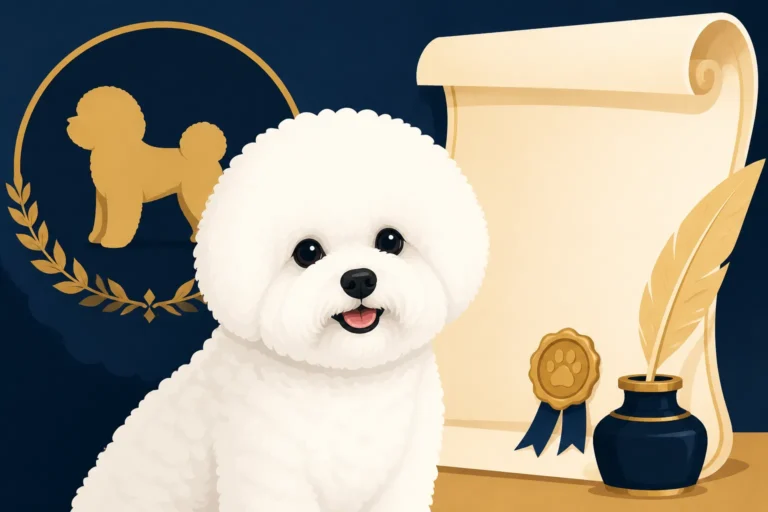
What Bichon Frise Means in French
Many Bichon Frise owners, and even those just admiring these fluffy little dogs from afar, often wonder about the origin of their charming name. It's not just a cute combination of sounds; "Bichon Frise" actually has a very specific meaning in French that tells a story about the breed's history and defining characteristics. This guide will dive deep into the linguistic roots of the name, exploring how each part translates and what it reveals about this beloved breed.
Unpacking the Name: What "Bichon Frise" Actually Translates To
It’s easy to just call them “Bichons” and move on, but there’s a lovely poetry to their full name, and understanding its French roots gives you a deeper appreciation for these wonderful dogs. The name isn't just a randomly assigned label; it’s a descriptor, a mini-history lesson packed into two words. For anyone who has ever gazed at their Bichon Frise's cloud-like coat, the "frise" part will probably make immediate sense!
The "Bichon" Part: A Rich History
Let's start with "Bichon." This part of the name is where things get a little bit debated among etymologists, but the most widely accepted theory ties it to a couple of older French words. One prominent theory suggests it comes from "barbichon," which is a diminutive of "barbet." The Barbet is a medium-sized French water dog with a curly coat, and "barbichon" essentially means "little barbet." Imagine a smaller, perhaps daintier version of that curly-haired water dog, and you start to get a visual of the Bichon's ancestors. This lineage hints at a dog that was historically valued for its coat and perhaps even its companionship, much like the barbet itself. It speaks to a long line of dogs with distinctive, often curly, coats.
Another fascinating, albeit less commonly cited, theory connects "Bichon" to the Old French word "bichonner," which means "to pamper" or "to doll up." Now, if you've ever spent time grooming a Bichon Frise, or simply delighting in their fluffy appearance, this meaning might resonate deeply! It paints a picture of a dog that was historically cared for, perhaps even adorned, and certainly adored. This isn't a working dog name like "Shepherd" or "Retriever"; it's a name that implies a life of luxury and attention, hinting at the breed's pampered past in European courts.
The "Frise" Part: Describing That Iconic Coat
The second part, "Frise," is much more straightforward. In French, "frisé" means "curly" or "frizzy." And honestly, could there be a more perfect descriptor for the Bichon Frise's signature coat? That dense, soft, spiraling fur that springs back when you touch it is exactly what "frise" is referring to. It’s not just wavy; it’s genuinely curly, creating that distinctive powder-puff look we all know and love. This isn't a sleek, smooth-coated dog; its very name highlights its most striking physical characteristic.
This "frise" also implies a certain texture – not coarse or wiry, but soft and springy. It's the kind of coat that invites petting and cuddling, reinforcing their role as companion animals. For anyone considering owning one, or for existing owners, the "frise" is a constant reminder of the grooming commitment! That beautiful curl requires regular attention to prevent matting and keep it looking its best. The name itself is a subtle nod to the grooming routine you'll embark on.
The Historical Journey of the Name
Understanding how the name came about isn't just a fun linguistic exercise; it's a peek into the long and storied past of the Bichon Frise. This breed has traveled through centuries, across seas, and into the laps of royalty, all while its name evolved to reflect its changing status and enduring appeal. It's a testament to their charm that they've remained beloved companions for so long.
From "Tenerife Dog" to "Barbichon"
Before it was officially known as the Bichon Frise, this charming little dog had other names that reflected its origins and early travels. One of the most common early names was the "Tenerife dog," referring to Tenerife, one of the Canary Islands. It's believed that Spanish sailors brought these small, white, curly-haired dogs from the Mediterranean, possibly from Italy or Spain, to the Canary Islands. The name stuck, marking their association with those sunny shores. It's fascinating to think of these little white dogs sailing the seas, becoming companions to sailors before they ever graced the elegant halls of European nobility. You can read more about The Canary Island the Bichon Frise Is Named After.
From these nautical beginnings, the dogs eventually made their way back to mainland Europe, particularly Italy. Here, they were embraced by Italian nobility and quickly gained popularity. It's during this period, or shortly after their arrival in France, that the term "barbichon" likely came into use. As we discussed, "barbichon" suggests a "little barbet," hinting at their curly coat and smaller stature compared to the larger water dog. This transition in nomenclature shows their evolving role from island companions to fashionable pets, setting the stage for their grand introduction to the French court.
The French Court and the Name's Popularity
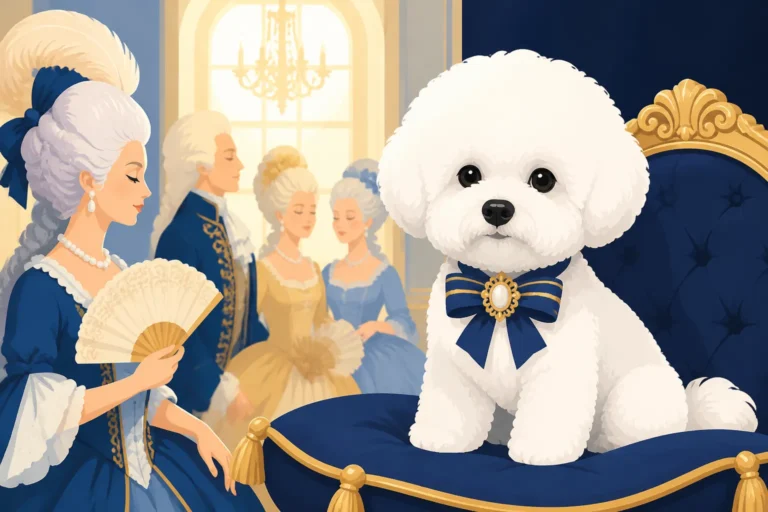
The 16th century marked a pivotal moment for the Bichon Frise. Italian sailors brought them to France, where they caught the eye of the French aristocracy. King Henry III, in particular, was absolutely smitten with these little dogs, reportedly carrying his Bichons in a basket wherever he went. This royal endorsement catapulted the breed into widespread popularity among the French nobility. Imagine these fluffy white dogs adorning the opulent courts, nestled in silk baskets, being groomed to perfection. Their charming demeanor and distinctive appearance made them the ultimate status symbol of the era. The breed's association with the aristocracy cemented its place as a pampered pet, a legacy that still influences how we perceive them today.
It was during this time that the name "Bichon Frise" truly took hold, or at least its components solidified into the form we recognize. The French adopted these delightful dogs, and their language naturally lent itself to describing them. The term "Bichon" became synonymous with these small, affectionate, often pampered dogs, while "Frise" perfectly captured their curly white coats. This period was crucial for the breed, not just for its popularity, but for the formalization of its name, a name that would carry its essence through centuries of history. You can delve deeper into The French Court That Made the Bichon Frise Fashionable and The Barbichon Family the Bichon Frise Belongs To.
Why the Name Matters Beyond Just a Translation
Beyond a simple translation, the name "Bichon Frise" carries significant weight for anyone who owns or loves these dogs. It's more than just an identifier; it’s a blueprint for their physical appearance, their care needs, and even their characteristic temperament. The name subtly communicates expectations and responsibilities, offering insights into what it means to truly understand and care for a Bichon.
Understanding the Breed Standard Through Its Name
The "frise" in Bichon Frise isn't just a casual observation; it's a critical component of the breed standard. When judges evaluate a Bichon Frise in the show ring, the texture and curl of the coat are paramount. It's expected to be a soft, dense, curly, double coat that gives the dog its famous powder-puff appearance. A coat that is straight, wiry, or overly silky would be a fault. This means that the very name of the breed dictates a key physical characteristic that breeders strive to maintain and improve.
Moreover, the entire "powder puff outline" that is so iconic for the breed relies heavily on this specific coat type. It's the bouncy, springy curl that allows groomers to sculpt that perfect round head and body. Without the "frise," the Bichon wouldn't look like a Bichon. So, when you hear "Bichon Frise," you're not just hearing a name; you're hearing a description of its ideal form, a testament to the meticulous breeding and grooming efforts that go into creating that quintessential look. This is why learning The Powder Puff Outline the Bichon Frise Standard Describes is so important.
Impact on Grooming and Care Expectations
That prominent "frise" in their name is a huge hint about the level of grooming commitment these dogs require. A curly coat, while beautiful and often described as "hypoallergenic" (because it traps shed hair instead of releasing it), is also incredibly prone to matting. This isn't a wash-and-wear dog. Regular brushing, often daily, is essential to prevent painful mats from forming close to the skin. Ignoring this aspect of their care can lead to discomfort for the dog and costly trips to a professional groomer for a complete shave-down.
This consistent grooming, from brushing to bathing and professional trims, is a non-negotiable part of Bichon Frise ownership. Owners quickly learn that the "frise" isn't just about aesthetics; it's about health and comfort. Regular professional grooms, typically every 4-6 weeks, are needed to maintain their distinctive shape and keep their coat healthy. The choice of shampoos, conditioners, and grooming tools all revolve around managing that unique curly texture. Even finding grooming products on sites like Chewy for their specific coat needs becomes a regular task. For example, a good detangling spray or a slicker brush is often a Bichon owner's best friend. Understanding how often a Bichon Frise needs a full groom is crucial for new owners.
Common Misconceptions and Variations
Like many breeds with a long history and international presence, the Bichon Frise name can sometimes be the source of slight confusion or different interpretations. It's interesting to explore how the formal terminology might differ from common usage and how these variations reflect the breed's journey through various cultures.
"Bichon à poil frisé": The Formal Moniker
While "Bichon Frise" is the most widely recognized and commonly used name, especially in English-speaking countries, the more formal and historically accurate French name is "Bichon à poil frisé." This translates more precisely to "Bichon with curly hair." It's a subtle but important distinction. The "à poil" literally means "with hair," making the description of the coat even more explicit. This full name leaves no room for ambiguity about what kind of hair this "Bichon" possesses.
This longer, more descriptive name is often used in breed standards by international canine organizations, such as the FCI (Fédération Cynologique Internationale), which originally recognized the breed. It emphasizes the defining characteristic of the coat texture. For serious breeders and those involved in the conformation show world, knowing the full, formal name is a mark of respect for the breed's heritage and its precise definition. However, for everyday use, "Bichon Frise" has become the accepted and much easier shorthand, demonstrating how language adapts for convenience while still retaining the core meaning.
Nicknames and Affectionate Shorthands
It's rare to meet a dog owner who doesn't have a special nickname for their beloved pet, and Bichon Frise owners are no exception! While "Bichon Frise" rolls off the tongue quite nicely, many owners shorten it to simply "Bichon." This affectionate shorthand is common and immediately understood by anyone familiar with the breed. It’s a testament to how integrated the first part of the name has become with the dog itself.
Beyond "Bichon," other loving nicknames often pop up, reflecting their appearance or playful nature. Terms like "fluffy," "powder puff," "cotton ball," or even "cloud dog" are frequently used. These nicknames, while not official, speak to the distinct physical characteristics that the breed's French name highlights – their white color and incredibly soft, curly coat. They also underscore the deep affection owners have for these charming dogs. For example, you might overhear a Bichon owner discussing their "fluffball's" latest adventures, perhaps even after ordering new toys from Chewy. These informal names are a beautiful expression of the bond between humans and their canine companions, showing how a formal name can evolve into terms of endearment.
Here's a quick linguistic breakdown:
| French Term | Direct Translation | Bichon Frise Context |
|---|---|---|
| Bichon | Little Barbet / Pampered | Refers to the small, pampered companion dog |
| Frisé | Curly / Frizzy | Describes the breed's distinctive dense, spiraling coat |
| À poil | With hair | Emphasizes the type of hair (curly) |
How the Name Reflects the Bichon Frise's Personality and Appearance
The name "Bichon Frise" isn't just about ancient history or linguistic accuracy; it's a living description that perfectly encapsulates the very essence of the breed today. From their vivacious spirit to their signature look, the two words, "Bichon" and "Frise," beautifully sum up what makes these dogs so endearing.
The "Merry" Disposition and "Frilly" Appearance
When you combine the historical implications of "Bichon" – hinting at a pampered, beloved companion – with the descriptive "frise" (curly), you get a dog that is both inherently cheerful and visually charming. The breed standard often describes the Bichon Frise as having a "merry" temperament, and it’s no coincidence that this jovial nature aligns with the idea of a dog historically kept for companionship and delight. They are often playful, outgoing, and eager to please, thriving on interaction with their human families. This "merry" aspect makes them fantastic family pets, always ready for a game or a cuddle. The Merry Temperament the Bichon Frise Standard Demands is a cornerstone of the breed's appeal.
Coupled with this sunny disposition is their "frilly" or "frothy" appearance, directly linked to their "frise" coat. That cloud-like white fur, when properly groomed, creates an almost ethereal quality. They look like little living dolls, which certainly contributes to their "pampered" image. This combination of a cheerful spirit and an adorable, fluffy exterior is what draws so many people to the breed. It's a visual promise of joy and companionship, perfectly captured by their descriptive name. You can't help but smile when you see a happy Bichon Frise, all bouncy curls and wagging tail.
Connecting the Past to the Present-Day Bichon
The journey of the Bichon Frise, reflected in its evolving name, directly influences the breed we know and love today. Their historical role as pampered companions, whether on sailing ships or in royal courts, meant they were bred for temperament and charm, not for utilitarian tasks. This focus on companionship over work has solidified their gentle, affectionate nature. They learned to interact closely with humans, adapting to indoor life and becoming masters of winning hearts. This deep connection to human interaction is why they are often described as "velcro dogs," loving to be near their people.
Today, their name serves as a constant reminder of both their beauty and the responsibilities that come with it. The "frise" is a beautiful attribute, but it demands commitment to grooming. The "Bichon" part reminds us of their long history as cherished pets, reinforcing their need for companionship and love. So, when you choose a Bichon Frise, you're not just getting a dog; you're adopting a piece of history, a fluffy, merry companion whose very name encapsulates centuries of selective breeding for charm, beauty, and unwavering devotion. Exploring What Bichon Frise Owners Wish They Had Known often brings up grooming and health considerations directly tied to these characteristics.
Breed Relatives: Other "Bichons" in the Family
The term "Bichon" isn't exclusive to the Bichon Frise. In fact, it's a family name for a delightful group of small, non-shedding, often white, companion dogs. Understanding these relatives helps to put the Bichon Frise's name into broader context and appreciate the shared characteristics that bind this charming group of breeds together. They share a common ancestry and many defining traits, even if their specific histories diverged.
The Barbichon Family: A Close-Knit Group
The Bichon Frise belongs to a larger family of dogs often referred to as the "Barbichon" family or "Bichon type" dogs. This group includes several beloved breeds, all descended from the Barbet (or similar water dog types) and sharing the characteristic soft, curly, often white coat. These breeds were historically developed in various Mediterranean regions, primarily for companionship. Their common ancestry explains why they often share similar temperaments, sizes, and grooming needs. It's a testament to the enduring appeal of this specific type of dog throughout history.
The shared lineage means that if you appreciate one Bichon-type dog, you're likely to appreciate others. They all tend to be intelligent, affectionate, and relatively easy to train, making them wonderful pets for many different households. Their "hypoallergenic" coats, a result of that characteristic "frise" or curl, also make them popular choices for allergy sufferers. This family connection is a wonderful aspect of the Bichon Frise's identity, showing that they are part of a proud and cherished lineage of companion animals.
Maltese, Havanese, and Bolognese: Cousins in Charm
Among the most well-known cousins in the Barbichon family are the Maltese, the Havanese, and the Bolognese. While they each have their unique traits and origins, their connection to the "Bichon" type is clear.
-
Maltese: These elegant dogs are perhaps the most closely related in appearance to the Bichon Frise, though their coat is typically long, straight, and silky rather than curly. They share the same ancient Mediterranean roots and a history as cherished companions, often depicted in art. Like the Bichon Frise, the Maltese were bred purely for companionship, reflecting the "pampered" aspect of the Bichon name.
-
Havanese: Originating from Cuba (hence "Havana"), the Havanese is the national dog of Cuba. They also boast a soft, double coat, though it can be wavy rather than tightly curled and comes in a wider array of colors than the pure white Bichon Frise. The Havanese also shares the lively, outgoing "merry" temperament common to the Bichon family. Their adaptation to a warmer climate meant their coat evolved slightly differently, but the underlying "Bichon" charm remains.
-
Bolognese: Hailing from Bologna, Italy, the Bolognese is another small, white, fluffy companion dog. Their coat is distinctly different from the Bichon Frise, being more cotton-like and flocculent (flock-like) rather than tight curls, but still incredibly soft. They are known for being more reserved than their Bichon Frise cousins but still deeply devoted to their families.
These breeds, along with the Coton de Tulear and the Löwchen, form a fascinating group that showcases the diversity and enduring appeal of the "Bichon" type. They are all small, intelligent, and affectionate dogs bred to bring joy and companionship to their human families, each a unique variation on a beloved theme. While they each have their own specific name and history, the "Bichon" connection ties them all back to a shared heritage of being cherished, fluffy companions.
The Global Understanding of "Bichon Frise"
While the name "Bichon Frise" is rooted deeply in French, its meaning and the image it conjures have transcended linguistic barriers, becoming universally recognized. This global understanding speaks volumes about the breed's distinct characteristics and its consistent appeal across cultures.
Universal Recognition of the "Curly White Dog"
Walk into any dog park or pet store, almost anywhere in the world, and mention "Bichon Frise," and people immediately picture a small, white, curly-haired dog with a joyful demeanor. The explicit description embedded in its name – a "curly Bichon" – has resonated universally, making it one of the most descriptive breed names out there. This clarity helps people, even those unfamiliar with French, grasp the essence of the dog's appearance. It's a name that manages to be both exotic and incredibly straightforward at the same time.
This universal recognition is also a testament to the breed's enduring popularity. For centuries, these dogs have charmed people with their looks and personalities, ensuring that their descriptive name became synonymous with their image. Whether you're researching breeds online through platforms like Chewy or simply chatting with another dog enthusiast, the name "Bichon Frise" acts as a clear, vivid identifier that leaves little to the imagination.
The Name as a Cultural Touchstone
Beyond mere description, "Bichon Frise" has become a cultural touchstone, representing a specific type of companion dog. It evokes images of joy, playfulness, and a certain elegance. In popular culture, Bichon Frises are often portrayed as cheerful, lovable pets, perfectly content to be doted upon. This cultural image reinforces the "pampered" aspect hinted at by the "Bichon" part of their name.
The name, therefore, is more than just a label; it's a promise. It promises a dog with a charming personality and a distinctive, beautiful coat. For prospective owners, it sets expectations about their appearance, temperament, and care requirements. It’s a name that has traveled through time and across continents, carrying with it a rich history and a clear identity, making the Bichon Frise one of the most recognizable and beloved small dog breeds in the world. It tells you, without needing further explanation, precisely what kind of fluffy companion you can expect to welcome into your home.
Disclaimer
This article is for general informational purposes only and does not constitute professional advice. Laws, prices and regulations vary by location and change over time. Consult a qualified professional for guidance on your specific situation.