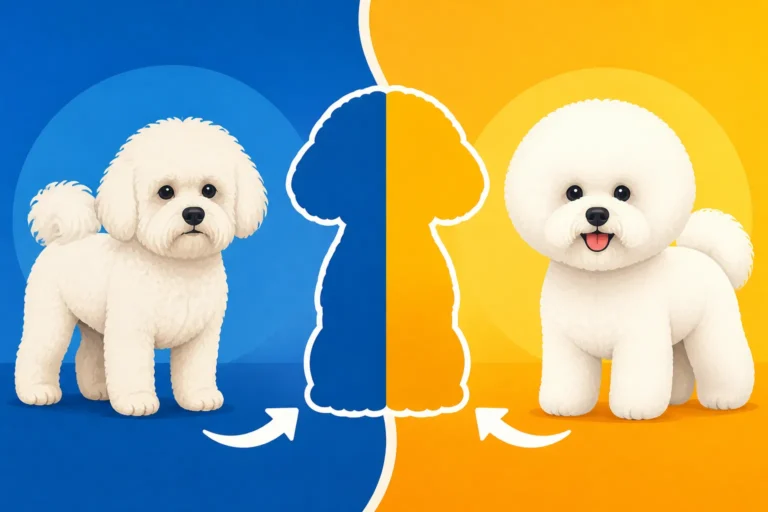
Whether a Teacup Bichon Frise Exists
It's incredibly tempting to imagine a tiny, fluffy Bichon Frise, even smaller than their already petite standard size, fitting perfectly into a teacup or your pocket. Many people searching for a new furry family member come across the term "Teacup Bichon Frise" and are naturally drawn to the idea of a miniature version of this already delightful breed. However, the reality behind this appealing label is often far more complex and, frankly, concerning than the picture it paints. This guide will dive deep into what a true Bichon Frise is according to breed standards, expose the truth behind the "teacup" designation, and discuss the serious health and ethical implications that can arise when breeders aim for extreme miniaturization.
Understanding the Standard Bichon Frise
Before we can even begin to talk about "teacup" versions, it's essential to understand what a Bichon Frise truly is in the eyes of reputable breeders and official kennel clubs. The Bichon Frise is already a small, compact breed known for its cheerful disposition and distinctive white, powder-puff coat. They are, by nature, a toy breed, and their size is already quite manageable for many households, even those in apartments.
Official Breed Standards for Size
When a breed is recognized by major kennel clubs, like the American Kennel Club (AKC) in the United States or The Kennel Club in the UK, a detailed breed standard is established. This standard describes the ideal characteristics of the breed, including temperament, coat, movement, and crucially, size and weight. For the Bichon Frise, these standards are quite specific, not because breeders are trying to be overly restrictive, but because these dimensions are associated with optimal health and the breed's historical function and form.
A standard Bichon Frise typically stands between 9.5 to 11.5 inches tall at the shoulder. Their weight usually falls in the range of 12 to 18 pounds. These are not arbitrary numbers; they reflect generations of careful breeding to maintain the health, structure, and lively personality that defines the Bichon Frise. There isn't a "mini" or "teacup" category within these official standards. If a dog is significantly outside these parameters, it's generally considered to be outside the breed standard, which often comes with its own set of potential issues. You can learn more about their typical size in What a Bichon Frise Actually Weighs.
Why Size Matters in Purebred Dogs
You might wonder why these specific size parameters are so important. It's not just about winning ribbons in dog shows, though that's part of it for some breeders. Breed standards exist to preserve the health, function, and unique characteristics of a breed. When breeders deliberately try to create dogs far smaller than the standard, they often sacrifice genetic diversity and health. A dog that is too small might have a more fragile skeletal structure, making them prone to injuries. Their internal organs might be proportionally smaller or simply not function as robustly as those in a standard-sized dog.
Moreover, temperament can sometimes be tied to size. While Bichons are known for their merry temperament, extremes in size can sometimes lead to anxiety or undue fragility, which might make a dog more fearful or prone to certain behavioral quirks. The standard size is a sweet spot where the breed's playful, resilient, and charming nature can truly shine. These dogs are generally sturdier than their delicate appearance might suggest, a characteristic that often gets lost in extreme miniaturization. You might be interested in reading Whether a Bichon Frise Is Sturdier Than It Looks to understand this better.
The Myth of the "Teacup" Bichon Frise
The term "teacup" is incredibly popular in the pet world, especially for small breeds like the Bichon Frise, Yorkshire Terrier, or Chihuahua. It conjures images of delicate, dainty dogs that can literally fit in a teacup, implying a level of cuteness and portability that many prospective owners find irresistible. However, it's crucial to understand that "teacup" is not an official breed designation. There is no recognized breed standard for a "Teacup Bichon Frise."
What "Teacup" Really Means in the Pet Market
When you see a dog advertised as "teacup," it's generally a marketing term used by breeders to describe a dog that is significantly smaller than the accepted breed standard. These dogs might weigh anywhere from two to seven pounds as adults, a far cry from the standard 12-18 pounds for a Bichon Frise. This terminology is designed to appeal to buyers looking for the absolute smallest pet, often for novelty or fashion reasons.
The problem is that this desire for extreme smallness often comes at a steep price for the animals themselves. The "teacup" label can be applied to runts of a litter, or puppies that have been intentionally bred from the smallest dogs available, often without regard for their overall health or genetic soundness. It's a commercial classification, not a genetic one, and it's almost always a red flag that you're dealing with a breeder who prioritizes marketability over the well-being of their animals. This is why it's so important to scrutinize breeder claims, especially when terms like "teacup" are used.
How Breeders Achieve "Teacup" Sizes
The pursuit of "teacup" size in breeds like the Bichon Frise involves specific breeding practices, many of which are ethically questionable due to the health risks they impose on the puppies.
Here are the common ways breeders attempt to produce these tiny dogs:
- Breeding the Runts: In any litter, there are usually puppies that are naturally smaller than their siblings, often referred to as "runts." While runts can sometimes grow up to be healthy, standard-sized adults, breeding runts together over generations to consistently produce smaller dogs concentrates any underlying health issues associated with their small stature. It's like selecting for the weakest rather than the strongest in the gene pool.
- Premature Breeding: Some unscrupulous breeders may breed dogs that are not yet fully mature, or they might not allow adequate recovery time between litters, which can result in smaller, weaker offspring. This is incredibly detrimental to the health of the mother dog as well.
- Breeding Dogs Under the Standard: The most common method is to intentionally breed two dogs that are both below the accepted breed standard for size. While this might achieve the desired smallness, it also increases the likelihood of passing on genes that contribute to health problems associated with being undersized. These aren't just "small dogs"; they are often genetically predisposed to a host of medical complications directly linked to their diminutive stature.
It's a high-risk game for the puppies, and it's a practice that responsible, ethical breeders staunchly avoid. The true goal of responsible breeding is to produce healthy, well-adjusted dogs that conform to the breed standard, not to create fashionable novelties that may suffer lifelong health challenges.
Health Concerns Associated with Undersized Dogs
The charm of a "teacup" Bichon Frise quickly fades when confronted with the significant health challenges these extremely small dogs often face. Their tiny bodies are simply not designed to function optimally at such reduced sizes, leading to a range of chronic and often life-threatening conditions.
Common Health Issues in "Teacup" Varieties
When dogs are bred down to unnaturally small sizes, their bodies are often not fully developed or are disproportionate, leading to a host of vulnerabilities. These issues are far more prevalent and severe in "teacup" dogs compared to their standard-ized counterparts.
Here's a closer look at some of the most common health problems:
- Hypoglycemia (Low Blood Sugar): This is one of the most dangerous and common issues, especially in "teacup" puppies. Their tiny livers aren't always efficient at storing and releasing glucose, and their small fat reserves mean they can't maintain body temperature or energy levels easily. A sudden drop in blood sugar can lead to lethargy, seizures, coma, and even death if not promptly treated. This requires constant vigilance from owners, especially in young puppies, who need frequent, small meals.
- Fragile Bones and Injuries: Imagine a bone as thin as a pencil lead. That's the reality for many "teacup" dogs. Their bones are much more delicate and prone to fractures from even minor falls or jumps. A simple misstep off a sofa, or being accidentally stepped on, can result in a broken leg or more severe trauma. This means a "teacup" Bichon Frise needs an exceptionally cautious environment and careful handling, far beyond what a standard, sturdy Bichon would require.
- Heart Problems: Congenital heart defects are more common in extremely miniaturized dogs. Conditions like patent ductus arteriosus (PDA) or various murmurs can compromise their cardiovascular system, leading to shortness of breath, exercise intolerance, and a shortened lifespan. Regular veterinary check-ups are paramount, and often these issues are discovered early in life.
- Liver Shunts (Portosystemic Shunts): This is a serious condition where blood bypasses the liver, failing to be properly detoxified. While standard Bichons can get liver shunts, the incidence is often higher in "teacup" lines due to the genetic issues associated with extreme smallness. Symptoms can include stunted growth, poor muscle development, behavioral changes, seizures, and increased thirst/urination. Diagnosis typically involves blood tests and imaging. If you're concerned about this, reading Whether a Bichon Frise Gets a Liver Shunt can provide more detail on the condition itself.
- Dental Problems: Tiny jaws often mean overcrowded teeth. This isn't just an aesthetic issue; it leads to severe dental disease, including tartar buildup, gingivitis, and early tooth loss. Retained puppy teeth are also common, requiring extractions. These issues can be painful and lead to systemic infections if not addressed with regular professional dental care. Dental Disease in a Bichon Frise is a relevant read here, as these problems are exacerbated in undersized dogs.
- Difficulty Regulating Body Temperature: With minimal body fat and a small surface area, "teacup" dogs struggle to maintain a stable body temperature. They can quickly become hypothermic in cool environments or overheat in warm ones, making them more susceptible to illness and requiring owners to be constantly mindful of their environment.
- Hydrocephalus ("Water on the Brain"): This is a neurological condition where there's an abnormal accumulation of cerebrospinal fluid within the brain. It's more common in toy breeds, and the risk can be amplified in extremely small dogs, leading to symptoms like seizures, blindness, head pressing, and developmental delays.
The Lifespan Impact of Extreme Miniaturization
When a dog faces a multitude of chronic health problems from birth, it inevitably takes a toll on their overall quality of life and longevity. A standard Bichon Frise, with proper care and responsible breeding, can live a good 14-15 years, sometimes even longer. However, the lifespan of a "teacup" Bichon Frise is often significantly shorter.
Owners of "teacup" dogs frequently find themselves managing a dog with fragile health throughout its life, facing constant worries about hypoglycemia, potential injuries, and the progression of congenital conditions. This translates into frequent, often expensive, veterinary visits and specialized care. While all pet ownership requires commitment, owning a "teacup" often means a level of medical intervention and vigilance that can be overwhelming for many. It's a heartbreaking reality that the desire for an exceptionally tiny pet can lead to a life of compromised health for the dog, often cutting their joyful years short. You might consider researching The Full Cost of Fifteen Years With a Bichon Frise to understand the typical commitment, and then imagine those costs amplified by chronic health issues.
Ethical Considerations and Responsible Breeding
The pursuit of "teacup" dogs raises significant ethical questions for anyone considering adding a Bichon Frise to their family. It challenges the fundamental principle of responsible breeding: to produce healthy, well-adjusted animals that improve the breed.
Identifying Reputable vs. Irresponsible Breeders
When you're looking for a Bichon Frise, distinguishing between a responsible breeder and an irresponsible one is paramount, especially given the "teacup" trend. A responsible breeder focuses on health, temperament, and adherence to breed standards. They see themselves as custodians of the breed. An irresponsible breeder, often called a "backyard breeder" or associated with "puppy mills," is primarily driven by profit and will often cut corners, leading to sick or poorly socialized puppies.
Here's how to tell the difference:
- Reputable Breeders:
- Health Testing: They will openly discuss and provide proof of health testing for the parent dogs, screening for genetic conditions relevant to the Bichon Frise, such as patellar luxation, eye conditions, and cardiac health. They understand that The Health Tests Both Bichon Frise Parents Should Have are critical.
- Breed Standard: They aim to produce dogs that meet the official breed standard in terms of size, appearance, and temperament. They would never advertise a "Teacup Bichon Frise."
- Transparency: They welcome visits to their home or kennel to see the puppies with their mother in a clean, stimulating environment. They are happy to answer all your questions, and they will ask you many questions in return to ensure their puppy is going to a good home.
- Support: They offer lifelong support and are available to answer questions throughout your dog's life. They also typically have a take-back clause in their contract, ensuring their dogs never end up in a shelter.
- Waitlists: Good breeders often have waiting lists because they breed infrequently and carefully. They don't always have puppies "available now."
- Cost: While good puppies aren't cheap, the price reflects the investment in health testing, quality care, and ethical practices. For more on what to expect, read What a Bichon Frise Puppy Costs From a Real Breeder.
- Irresponsible Breeders (Red Flags):
- "Teacup" or "Mini" Labels: As discussed, this is a major red flag.
- No Health Testing: They either claim it's unnecessary, too expensive, or simply don't provide documentation.
- Won't Let You Visit: They might insist on meeting in a public place, like a park or highway rest stop, or delivering the puppy to you, preventing you from seeing the living conditions or the mother dog.
- Always Have Puppies Available: This suggests overbreeding, often in unhygienic conditions.
- Multiple Breeds for Sale: Often a sign of a puppy mill operation.
- Focus on Price: They emphasize low prices or discounts, rather than health and temperament. Be wary if a price seems too good to be true, as Whether a Cheap Bichon Frise Is a Mill Dog can attest.
- No Contract or Health Guarantee: A responsible breeder will always provide a written contract and health guarantee.
The Importance of Health Testing and Guarantees
When considering any purebred dog, and especially a Bichon Frise, understanding the health screening processes is critical. Reputable breeders invest significant time and money into screening their breeding stock for genetic conditions common in the breed. This practice isn't just about preventing suffering; it's about preserving the health and vitality of the entire breed line.
For Bichon Frises, some key health screenings often include:
- Ophthalmologist Evaluation: To check for inherited eye diseases like juvenile cataracts.
- Patellar Luxation Evaluation: To assess the stability of the kneecaps. Grading a Bichon Frise's Luxating Patella covers this in detail.
- Cardiac Exam: To screen for heart conditions.
- BAER Testing: For hearing, though less common for Bichons.
A responsible breeder will share these results with prospective buyers. They will also offer a health guarantee, typically for the first year or two, against serious inherited conditions. This demonstrates their confidence in their breeding program and their commitment to the health of their puppies. This is a stark contrast to breeders of "teacup" dogs, who often cannot or will not provide such guarantees, leaving buyers solely responsible for potentially enormous veterinary bills down the line.
Remember, a health guarantee isn't just a piece of paper; it's a reflection of a breeder's ethics and their dedication to the welfare of their dogs. It means they've taken precautions to avoid common health pitfalls and stand behind the puppies they produce.
Alternatives to "Teacup" Bichons
If you're drawn to the idea of a "teacup" Bichon Frise, it's likely because you envision a small, cuddly companion that fits seamlessly into your life. The good news is that you can absolutely find that, and more, without compromising a dog's health or supporting unethical breeding practices.
Embracing the Standard Bichon Frise
The standard Bichon Frise is already a remarkably small and highly adaptable breed, perfectly suited for apartment living and close companionship. They typically weigh between 12-18 pounds and stand under a foot tall, making them incredibly portable and easy to manage. They are not large dogs by any stretch of the imagination, and their compact size makes them ideal lap dogs.
Here’s why a standard Bichon Frise is likely everything you're looking for:
- Manageable Size: They are small enough to travel with ease, fit comfortably in pet carriers, and thrive in smaller living spaces. You won't struggle to pick them up or cuddle them on the couch. Their moderate size also makes them less prone to the severe fragilities seen in "teacup" versions.
- Robust Health (from reputable breeders): A well-bred, standard Bichon Frise from health-tested parents has a much higher chance of living a long, healthy life free from the chronic issues plaguing "teacups." This means fewer heartbreaking vet visits and more joyful years together.
- Wonderful Temperament: Bichons are renowned for their cheerful, outgoing, and affectionate nature. They are truly "merry" companions that thrive on human interaction and bring immense joy to their families. This playful spirit and willingness to please are core to the breed standard. The Merry Temperament the Bichon Frise Standard Demands is a great article to dive deeper into this.
- Lower Risk of Injury: While all small dogs require care, a standard Bichon is much less delicate than a "teacup." They are sturdier, can handle normal play, and are less likely to suffer severe injuries from minor mishaps.
- Ample Cuddle Factor: Don't let the idea of a "teacup" trick you into thinking standard Bichons aren't cuddly! They absolutely are. They love being close to their people and are more than happy to curl up on your lap or snuggle in bed. You can explore Whether a Bichon Frise Is a Lap Dog for more on their affectionate nature.
When you bring a standard Bichon Frise into your home, especially from a responsible breeder, you're not settling. You're making a wise and compassionate choice that prioritizes the dog's well-being while still getting all the charm and companionship you desire. You can find all the necessary supplies, from beds to harnesses, at major pet retailers. Even well-known online stores like Chewy offer a fantastic selection of products perfectly suited for a standard-sized Bichon, catering to their nutritional needs and grooming requirements.
Considering Other Small Breeds
If your heart is truly set on a dog even smaller than a standard Bichon Frise, it's vital to explore other genuinely miniature breeds that have been selectively bred for small stature over generations, maintaining their health and soundness. While no dog is entirely without potential health concerns, some officially recognized toy breeds are naturally smaller than a Bichon Frise within their own breed standards.
For example, a healthy adult Chihuahua might weigh as little as two to six pounds, and a Maltese typically weighs between four to seven pounds. These breeds have their own specific breed standards and health considerations that have been carefully managed by responsible breeders for decades.
Here's what to keep in mind if exploring other small breeds:
- Research Breed Standards: Always check the official breed standards for any breed you're considering to understand their natural size range. Avoid any breeder using "teacup" or "micro" labels, even for these tiny breeds, as it often still implies extreme and potentially unhealthy miniaturization.
- Investigate Breed-Specific Health: Every breed has its predispositions. Research common health issues for any new breed you consider and ensure breeders conduct relevant health tests.
- Meet the Parents: Just like with Bichons, always insist on meeting the puppy's parents to assess their size, health, and temperament.
- Responsible Breeders are Key: Regardless of the breed, always seek out responsible, ethical breeders who prioritize health over extreme smallness. They will ensure their dogs meet the breed standard, are well-socialized, and come with appropriate health guarantees.
Choosing a small companion is a wonderful journey, and there are many delightful breeds to consider. The most important thing is to make an informed decision that prioritizes the health and ethical treatment of animals. By supporting responsible breeding practices, you're ensuring that your future furry friend has the best possible start in life and many happy, healthy years ahead. When it comes to finding the right food or accessories for any small breed, retailers like Chewy offer specialized lines designed for tiny dogs, from easily digestible kibble to tiny collars and even small harnesses, which are especially important for fragile necks on small breeds.
Ultimately, while the idea of a "Teacup Bichon Frise" might sound incredibly appealing, the reality is that such a designation does not exist within reputable breeding circles. It's a marketing term associated with significant health risks. A standard Bichon Frise is already a perfectly charming, small, and robust companion that will bring you all the joy of a pint-sized dog without the ethical and health compromises.
Comparative Overview: Standard Bichon Frise vs. "Teacup" Claims
To better illustrate the differences, here's a quick comparison of what you can expect from a standard, responsibly bred Bichon Frise versus the often-unpredictable reality of a "teacup" advertised dog.
| Feature | Standard Bichon Frise (from Reputable Breeder) | "Teacup" Bichon Frise (Marketing Term) |
|---|---|---|
| Official Recognition | Yes, recognized by major kennel clubs (AKC, KC, etc.) | No, not an official breed or size classification |
| Adult Height | 9.5 – 11.5 inches at the shoulder | Often 8 inches or less |
| Adult Weight | 12 – 18 pounds | Typically 2 – 7 pounds |
| Breeding Goal | Health, temperament, adherence to breed standard | Extreme smallness, marketability |
| Health Risks | Predisposed to certain breed-specific conditions (e.g., patella luxation, stones) but generally robust | High risk of severe issues: hypoglycemia, fragile bones, organ failure, hydrocephalus, dental problems |
| Lifespan | 14-15+ years with good care | Often significantly shortened, unpredictable due to chronic health issues |
| Vet Care | Routine preventative care, occasional management of breed-specific conditions | Frequent emergency visits, specialized and ongoing medical care, potentially very high costs |
| Temperament | Merry, playful, confident, adaptable, generally sturdy | Can be overly timid, fragile, prone to anxiety due to physical vulnerability |
| Ethical Concerns | Low, if from a responsible breeder focused on welfare | High, as breeding practices often prioritize size over health and ethics |
| Where to Find | Reputable breed clubs, ethical hobby breeders | Online ads, pet stores, disreputable breeders |
Disclaimer
This article is for general informational purposes only and does not constitute professional advice. Laws, prices and regulations vary by location and change over time. Consult a qualified professional for guidance on your specific situation.