The Bichon Frise Against a Toy Poodle
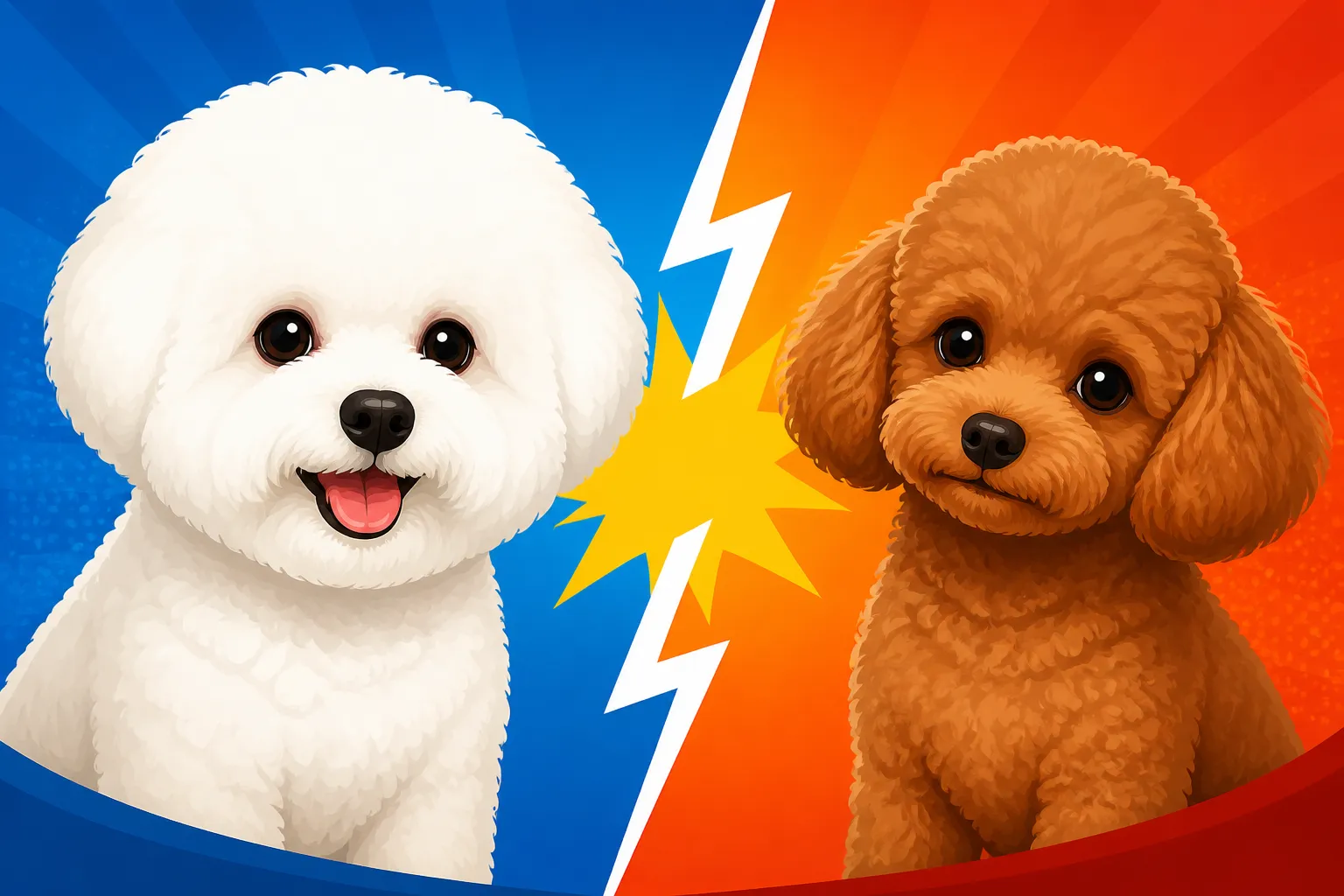
Choosing between a Bichon Frise and a Toy Poodle can feel like a delightful but overwhelming task, as both breeds are incredibly charming, intelligent, and known for their non-shedding coats. Many prospective owners find themselves torn, wondering which fluffy companion will truly fit into their home and heart, often feeling frustrated by conflicting advice or superficial comparisons. This guide aims to delve deeply into the unique characteristics of each breed, offering a comprehensive look at their temperaments, grooming needs, health considerations, and overall suitability to help you make an informed decision for your family.
Temperament and Personality: A Study in Joy
Both Bichon Frises and Toy Poodles are renowned for their vivacious and affectionate personalities, but they express their joy in subtly different ways. Understanding these nuances is key to finding the perfect match for your household's energy and lifestyle.
Energy Levels and Playfulness
A Bichon Frise is often described as a "merry" dog, and it's a fitting term. They possess a playful, cheerful disposition that often manifests in bursts of energetic activity, sometimes famously called the "Bichon Blitz" or "zoomies." Imagine a tiny, fluffy cloud suddenly zipping around the living room, toy in mouth, before collapsing for a cuddle – that's a typical Bichon. They love to play interactive games with their families, thriving on attention and engagement. While they certainly enjoy their outdoor walks and playtime, they are generally content with moderate exercise and derive immense satisfaction from being close to their people indoors. Their playfulness tends to persist well into their senior years, which is a delightful trait for owners who cherish a lively companion.
Toy Poodles, on the other hand, are also very playful and energetic, but their energy often feels a bit more refined and directed. They are incredibly intelligent and agile, making them excellent candidates for dog sports like obedience, agility, and even rally. A Toy Poodle's play often involves problem-solving or learning new tricks, showcasing their keen minds. They can be just as enthusiastic about a game of fetch or a run in the park as a Bichon, but they also possess a certain dignified air. Owners might find that a Toy Poodle's energy demands a bit more mental stimulation alongside physical activity to prevent boredom. A bored Toy Poodle, with its high intelligence, can sometimes invent its own (not always desirable) forms of entertainment.
Affection and Companionship
When it comes to showering their families with love, both breeds excel, but their styles of affection can differ. Bichon Frises are true companion dogs, thriving on human interaction and often forming very strong bonds with their primary caregivers. They are notoriously cuddly and love to be in the thick of family life. If you're looking for a dog that will happily curl up on your lap for hours while you watch TV or work, a Bichon will likely fit the bill perfectly. They tend to follow their owners from room to room, preferring not to be left alone for extended periods. This intense desire for companionship means they can be prone to Whether a Bichon Frise Cries When You Leave if not properly accustomed to alone time from a young age. Their cheerful demeanor and constant presence make them wonderful emotional support animals.
Toy Poodles are also deeply affectionate and devoted to their families, but their loyalty can sometimes be expressed with a touch more independence or reserve, especially initially. They enjoy cuddling and being close, but might not always be the constant "shadow" that a Bichon often is. Their intelligence means they often understand human moods and can offer comforting presence without being overly demanding. A Toy Poodle might be happy to nap in its bed nearby while you work, rather than insisting on being on your lap. They form strong bonds with all family members, and their keen intellect means they often pick up on subtle cues, making them highly responsive companions. They appreciate consistent interaction and training, which deepens their bond with their owners.
Reactions to Strangers and Other Pets
Both breeds can be quite social, but early socialization is absolutely paramount for both to ensure they grow into well-adjusted adults. A Bichon Frise generally greets strangers with a cautious curiosity that quickly turns into enthusiastic tail wags once they've deemed the new person friendly. They are rarely aggressive but can be vocal initially, letting everyone know a new presence is near. When it comes to other pets, Bichons are usually adaptable and can coexist happily with other dogs and even cats, especially if introduced thoughtfully. Their playful nature often means they enjoy having a canine companion.
Toy Poodles, with their inherent intelligence and keen senses, can sometimes be a bit more reserved or even wary of strangers at first. They are not typically aggressive, but they will observe and assess a new person before offering their affection. Once they accept someone, they are usually very friendly. Their intelligence also means they can sometimes be a bit "bossy" with other dogs if not properly socialized or if they perceive themselves as the pack leader. However, a well-socialized Toy Poodle can be a wonderful companion to other pets and will enjoy the company. Because of their history as retrieving dogs, some Toy Poodles may have a higher prey drive than Bichons, though this is often minimal in the smaller varieties.
Grooming Needs: The Cloud vs. The Curl
One of the most significant considerations for both breeds is their intensive grooming requirements. Both are known for their non-shedding, hypoallergenic coats, which is a huge plus for allergy sufferers, but this benefit comes with a commitment to regular, thorough grooming.
Coat Type and Maintenance
The Bichon Frise boasts a distinctive double coat: a soft, dense undercoat and a coarser, curly outer coat that stands off the body, creating that iconic powder-puff look. This coat doesn't shed in the traditional sense; instead, loose hairs get caught within the curls, which can quickly lead to painful mats if not brushed out regularly. To maintain their pristine appearance and prevent matting, a Bichon requires daily brushing, often taking How Long Brushing a Bichon Frise Takes, down to the skin with a slicker brush and then a comb to ensure no tangles are left. They also need professional grooming every 4-6 weeks to be bathed, blow-dried, and expertly scissored into their characteristic shape. Neglecting this routine will result in severe matting, necessitating a complete shave down, which can be distressing for both dog and owner. Whether a Matted Bichon Frise Must Be Shaved is a real concern if upkeep slides.
Toy Poodles have a single coat of dense, curly hair that, much like the Bichon's, grows continuously and doesn't shed. Their coat texture is typically finer and woollier than a Bichon's. While Poodles also require regular brushing to prevent matting, their curls tend to be tighter, which can sometimes make brushing feel a bit different. They also need professional grooming every 4-6 weeks for bathing, drying, and clipping. Poodles offer a bit more versatility in terms of hairstyles; while the "poodle clip" is classic, many owners opt for a simpler "sporting clip" or "lamb cut" that is easier to maintain at home. Regardless of the chosen style, regular professional attention is non-negotiable. Both breeds' coats demand significant time and financial investment to stay healthy and looking their best. You can find many grooming tools, like slicker brushes and conditioning sprays, on sites like Chewy that can help with daily upkeep.
Bathing and Tear Staining
Regular bathing is essential for both breeds to keep their white coats bright and their skin healthy. For a Bichon Frise, especially, maintaining that brilliant white can be a challenge. They are prone to The Tear Stains Under a Bichon Frise's Eyes around their eyes and mouths, and sometimes their feet can stain if they lick them excessively. These reddish-brown stains are caused by porphyrins in their tears and saliva, which are activated by light. Owners often use specific whitening shampoos and tear stain removers, available at pet supply retailers or online like Chewy, and diligent daily wiping to manage this. Thorough rinsing after baths is critical to prevent skin irritation and ensure their coat remains fluffy and soft.
Toy Poodles also benefit from regular bathing, especially if they are active outdoors. While their coats are often uniform in color (Poodles come in a wide array of colors, not just white), keeping them clean helps maintain their coat health and softness. Tear staining can also be an issue for lighter-colored Toy Poodles, though perhaps not as universally pronounced as in Bichons. Daily facial wiping and keeping the hair around the eyes trimmed short can help minimize staining for both breeds. For an itchy Bichon Frise, regular medicated baths prescribed by a vet can be part of managing their skin condition. The key for both is making bath time a positive experience from puppyhood, as it will be a recurring event throughout their lives.
Health Considerations: Common Ailments
Every breed has its predispositions, and both Bichons and Toy Poodles are generally healthy dogs with decent lifespans, typically living The Fourteen to Fifteen Years a Bichon Frise Lives or slightly longer for Toy Poodles. However, being aware of common health issues can help prospective owners prepare.
Orthopedic Issues
Both small breeds can be susceptible to certain orthopedic problems. Luxating patella, or "slipping kneecaps," is a concern for both Bichons and Toy Poodles. This condition occurs when the kneecap dislocates from its normal position. In Bichons, it's one of the more common issues, and the severity can range from mild, intermittent skipping steps to chronic lameness requiring surgery. Grading a Bichon Frise's Luxating Patella involves a vet assessing how easily the kneecap moves. Toy Poodles can also suffer from this, and reputable breeders for both breeds will screen their breeding stock for patellar luxation. Owners might notice their dog occasionally hopping or holding up a back leg for a few steps before returning to normal.
Another orthopedic concern, though less common than luxating patella, is Legg-Calvé-Perthes disease, particularly in Toy Poodles. This condition affects the hip joint, where the head of the femur degenerates, leading to pain and lameness. While not exclusively a Poodle issue, it is seen more frequently in toy breeds. Responsible breeding practices and early veterinary intervention are crucial for managing these conditions. Owners looking for a puppy should always inquire about the health testing of the parents for these and other hereditary issues. Whether a Bichon Frise Should Be Screened Before Its First Stone is also a crucial health question, especially since stones are so common in the breed.
Eye and Skin Conditions
Eye problems are a concern for both breeds. Bichon Frises can be prone to various ocular issues, including cataracts (which can lead to Whether a Bichon Frise Goes Blind), progressive retinal atrophy, and entropion (inward rolling eyelids). Whether a Bichon Frise Gets Dry Eye is another potential issue that can lead to discomfort and require lifelong management. Toy Poodles can also develop cataracts and progressive retinal atrophy, as well as glaucoma. Regular eye examinations by a veterinary ophthalmologist are recommended for both breeds, especially if you notice any changes in their vision or eye appearance.
Skin allergies are particularly prevalent in Bichon Frises. Many Bichons suffer from What Atopic Dermatitis Does to a Bichon Frise, an inherited predisposition to environmental allergies that can cause intense itching, redness, skin infections, and ear problems. Managing these allergies often involves a multi-faceted approach, including special diets, medicated shampoos, and sometimes medications like Apoquel or Cytopoint. Toy Poodles can also develop skin sensitivities and allergies, though perhaps not with the same widespread prevalence as Bichons. If you notice your dog licking paws raw or rubbing their face frequently, it's vital to consult your vet. Whether a Bichon Frise's Itching Is Food or Pollen is a common question owners grapple with, often requiring vet input and dietary trials. Many specialized shampoos and conditioners for sensitive skin are available through pet retailers like Chewy.
Urinary Tract Health
This is where the Bichon Frise has a particularly notable predisposition. Bichons are genetically prone to developing bladder stones, especially calcium oxalate stones, with a significantly higher incidence than many other breeds. Why a Bichon Frise Forms Stones Twenty Times as Often is a question many owners face, often requiring lifelong dietary management and vigilance. These stones can cause frequent urination, straining, blood in the urine, and in severe cases, a life-threatening urinary blockage, particularly in males. Spotting a Blocked Bichon Frise in Time is critical knowledge for owners.
Toy Poodles are not known to have the same high genetic predisposition to bladder stones as Bichons. While any dog can potentially develop stones due to diet or infection, it is not a hallmark health concern for the Poodle breed. This difference is a significant factor for potential owners to consider, as managing bladder stones in a Bichon Frise can be a lifelong commitment involving prescription diets, regular urine testing, and sometimes costly surgeries. The cost of What One Bichon Frise Stone Surgery Costs and What Three Cost can be substantial.
Training and Intelligence: Minds Eager to Please
Both Bichons and Toy Poodles are highly intelligent and eager to please, making them generally delightful to train. However, their specific temperaments can influence their training journey.
Housetraining Challenges
While both breeds are smart, housetraining can be a common frustration for owners of both, though perhaps more notoriously for Bichons. Bichon Frises have a reputation for being somewhat challenging to housetrain, often leading to owners asking Whether Bichon Frises Really Are Hard to Housetrain. This isn't usually due to a lack of intelligence, but rather a combination of small bladder size, a tendency to get distracted, and sometimes a strong preference for not going out in inclement weather. Consistency, frequent potty breaks, and positive reinforcement are essential. Many Bichon owners find bell training or designated indoor potty areas helpful.
Toy Poodles are generally quicker to grasp housetraining concepts due to their higher natural intelligence and ability to generalize. They respond very well to routine and positive reinforcement. However, their small size means they also have small bladders, requiring frequent trips outside, especially as puppies. If housetraining becomes a persistent issue, it's always wise to rule out medical causes like a urinary tract infection before blaming the dog's intelligence or stubbornness. For both breeds, supervision and consistency are far more effective than punishment, which can set back progress significantly.
Obedience and Trick Training
Toy Poodles are superstars in obedience and trick training. Their exceptional intelligence, coupled with their desire to please and their athletic build, makes them highly trainable. They pick up new commands quickly and often excel in competitive obedience, rally, and agility. They thrive on mental stimulation, and training sessions provide an excellent outlet for their sharp minds. Teaching a Toy Poodle a wide repertoire of tricks not only strengthens your bond but also keeps them mentally engaged and happy.
Bichon Frises are also intelligent and enjoy learning, though they might not have the same intense drive for formal obedience competitions as a Poodle. They respond very well to positive reinforcement and can learn a vast array of tricks and commands. However, their playful and sometimes stubborn nature means that training sessions need to be kept fun and engaging to hold their attention. They might decide a game of chase is more appealing than practicing "stay" for the tenth time. They make excellent therapy dogs due to their gentle and cheerful dispositions, demonstrating their trainability for specific roles. Both breeds benefit immensely from The Merry Temperament the Bichon Frise Standard Demands and will respond best to joyful, consistent training methods.
Suitability for Different Lifestyles: Finding Your Match
Considering how each breed integrates into daily life is crucial for a harmonious relationship. Both Bichons and Toy Poodles are generally adaptable, but they do have preferences and requirements that might sway your decision.
Apartment Living and Exercise Needs
Both Bichons and Toy Poodles are wonderfully suited for apartment living, provided their exercise and mental stimulation needs are met. Their small size means they don't require vast spaces, and they are generally clean indoors once housetrained. A Bichon Frise needs daily walks and playtime, but isn't typically a high-intensity exercise dog. A couple of moderate walks a day, combined with indoor play, usually suffices. They are happiest when they are with their family, whether that's on a leisurely stroll or snuggled on the couch.
Toy Poodles, while also small, often have a slightly higher energy level and a greater need for mental engagement. They thrive on structured walks, playtime, and opportunities to learn new things. A daily walk might need to be a bit more brisk or involve more sniffing and exploring for a Poodle to be truly satisfied. If you're an active individual who enjoys training or participating in dog sports, a Toy Poodle might be a more natural fit. For both, access to a secure outdoor space for potty breaks and some supervised off-leash play is a bonus, but not strictly necessary if daily walks are consistent.
Compatibility with Children and Other Pets
Both breeds can make excellent family pets, particularly with older, respectful children. However, due to their small size and delicate bone structure, supervision is always essential with very young children. A rambunctious toddler could accidentally injure a small dog. Whether a Bichon Frise Is Fragile Around Children is a valid concern, and teaching children how to interact gently with any dog is paramount. Bichons are generally good-natured and tolerant, making them good companions for children who understand boundaries.
Toy Poodles are also generally good with children and other pets, often enjoying playful interactions. Their intelligence means they can often pick up on social cues and learn to navigate family dynamics quite well. As with Bichons, early socialization and teaching children appropriate interactions are key. When integrating either breed into a multi-pet household, gradual introductions and supervision are always the best approach. Both breeds thrive on being part of the family unit, so they tend to do well in homes where they receive plenty of attention and inclusion.
Loneliness and Independence
One of the more challenging aspects of Bichon ownership, which some find frustrating, is their strong need for companionship and propensity for separation anxiety. Bichons were bred to be constant companions, and they genuinely struggle with prolonged periods of solitude. If you have a busy household where someone is usually home, or you can take your dog with you often, a Bichon will likely thrive. However, if you work long hours and expect your dog to be alone for much of the day, a Bichon might not be the best choice, as it can lead to destructive behaviors, excessive barking, or Whether a Bichon Frise Cries When You Leave.
Toy Poodles, while also devoted, often handle alone time a bit better than Bichons, especially if they've been properly trained and exercised before you leave. Their independence, coupled with their intelligence, means they can entertain themselves more readily, perhaps with puzzle toys or a good chew. However, no dog should be left alone for excessively long periods. Both breeds are highly social and crave interaction, but the intensity of that need can vary. For families where everyone is out all day, dog walkers or doggie daycare could be good options for both, ensuring their social and exercise needs are met.
| Feature | Bichon Frise | Toy Poodle |
|---|---|---|
| Temperament | Merry, playful, affectionate, cuddly, sensitive | Intelligent, proud, alert, playful, devoted |
| Energy Level | Moderate, bursts of "zoomies," enjoys playtime | Moderate to high, needs mental stimulation |
| Grooming Needs | High; daily brushing, professional groom every 4-6 weeks for powder-puff look, prone to matting and tear stains | High; daily brushing, professional groom every 4-6 weeks for clipping, versatile styling, prone to matting |
| Shedding | Minimal to none (hypoallergenic) | Minimal to none (hypoallergenic) |
| Housetraining | Can be challenging, requires consistency | Generally quicker, responds well to routine |
| Trainability | Eager to please, learns tricks well, fun-loving | Highly intelligent, excels in obedience/agility, loves to learn |
| Common Health Issues | Bladder stones (especially calcium oxalate), allergies, luxating patella, eye conditions | Luxating patella, eye conditions, Legg-Calvé-Perthes, occasional allergies |
| Companionship Needs | Very high, prone to separation anxiety | High, but can be slightly more independent |
| Suitability for | Families, retirees, therapy work | Active individuals, families, dog sports, therapy work |
Ultimately, both the Bichon Frise and the Toy Poodle are fantastic companions who bring immense joy to their families. The "best" choice truly depends on which breed's unique blend of personality traits, grooming demands, and health predispositions aligns most closely with your lifestyle and expectations. Whichever you choose, be prepared for a lifetime of love, laughter, and consistent care.
Disclaimer
This article is for general informational purposes only and does not constitute professional advice. Laws, prices and regulations vary by location and change over time. Consult a qualified professional for guidance on your specific situation.