How a Bichon Frise’s Stones Are Removed
Finding out your beloved Bichon Frise has bladder stones can be a truly upsetting experience. You see their discomfort, their straining, and the worry about what it all means for their health and happiness. It’s a common issue for this breed, and the thought of surgery can be daunting. This comprehensive guide will walk you through the various ways bladder stones in a Bichon Frise are typically removed, from the diagnostic process to the surgical options and crucial post-operative care, helping you understand each step.
Confirming the Presence of Bladder Stones
Before any discussion of removal can begin, your veterinarian needs to definitively confirm the presence of bladder stones and understand their nature. This isn't just a simple peek; it involves a detailed investigation because the symptoms of stones can sometimes mimic other urinary tract issues.
The Initial Vet Visit and Diagnostics
When you first notice your Bichon Frise exhibiting signs like frequent urination, straining to urinate, having accidents in the house, or seeing blood in their urine, your first stop is always the vet. During this initial visit, your veterinarian will conduct a thorough physical examination, paying close attention to your dog's abdomen to feel for a distended bladder or any palpable masses. They'll also typically recommend a urinalysis. This involves collecting a urine sample – often through a sterile procedure called cystocentesis, where a needle is used to draw urine directly from the bladder.
The urinalysis is critical because it can reveal a lot about what's going on internally. It checks for things like blood, protein, glucose, and the presence of crystals (like calcium oxalate or struvite) which are the building blocks of stones. It also measures the urine's pH level, which can offer clues about the type of stone that might be forming. For example, highly acidic urine often correlates with calcium oxalate stones, which are unfortunately very common in Bichon Frises. While a urinalysis can suggest stones, it doesn't confirm their size, number, or exact location, which is why further imaging is usually needed. To understand more about the initial steps, you might find it helpful to read about How a Vet Confirms Stones in a Bichon Frise.
Advanced Imaging for Confirmation
Once suspicion of bladder stones arises from the clinical signs and urinalysis, advanced imaging techniques become indispensable. The two primary methods are X-rays (radiographs) and ultrasound. X-rays are excellent for detecting most types of bladder stones because many common stone compositions, like calcium oxalate, are "radiopaque," meaning they show up clearly on the image. Your vet will usually take at least two views to ensure no stones are hidden. However, some stone types, like urate or cystine, are "radiolucent" and won't appear on standard X-rays.
This is where an abdominal ultrasound truly shines. Ultrasound uses sound waves to create a real-time image of the bladder's contents, allowing the vet to see radiolucent stones, sludge, and any abnormalities in the bladder wall. It also provides a better idea of the size, shape, and number of stones, which is crucial for planning the most effective removal strategy. An ultrasound can even detect stones lodged in the urethra, which might not be visible on a bladder-focused X-ray. Understanding the nuances of these imaging techniques is vital, and you can delve deeper into Whether an Ultrasound Finds a Bichon Frise's Stones for more information.
Why Surgical Intervention is Often Necessary
For Bichon Frises, the most common type of bladder stone is calcium oxalate. Unlike struvite stones, which can sometimes be dissolved with a special prescription diet, calcium oxalate stones cannot be dissolved. This unfortunate reality often means that surgery is the most direct and effective path to relief for your furry friend.
Understanding Calcium Oxalate Stones
Calcium oxalate stones are a persistent problem for many Bichon Frises, often forming even in acidic urine. These stones are hard, jagged, and can range from tiny grains of sand to large, golf-ball-sized masses. Their rough texture can cause irritation to the bladder lining, leading to inflammation, pain, and sometimes bleeding. It's a frustrating situation for owners because, as mentioned, there's no magic diet that can make these specific stones simply disappear. They grow, they irritate, and they can cause serious complications if left unaddressed.
The underlying reasons for their formation are complex, involving genetics, diet, and urine chemistry. Bichon Frises, unfortunately, have a genetic predisposition that makes them more susceptible to forming these stones. This predisposition, combined with factors like insufficient water intake or certain dietary components, creates an environment ripe for stone development. Because they won't dissolve, removal becomes the primary concern. To gain a deeper insight into these stubborn formations, consider exploring What a Calcium Oxalate Stone Is in a Bichon Frise and Why a Bichon Frise's Stones Must Be Cut Out.
Risks of Leaving Stones Untreated
Ignoring bladder stones in your Bichon Frise is not an option; it's a ticking time bomb for their health. The most immediate and life-threatening risk, particularly for male Bichons, is a complete urethral obstruction. This happens when one or more stones move from the bladder and become lodged in the urethra, blocking the outflow of urine. When this occurs, your dog cannot urinate at all, leading to a rapid buildup of toxins in their body. This is an extremely painful and critical emergency that can quickly lead to kidney failure, bladder rupture, and even death if not addressed within hours.
Beyond obstruction, untreated stones cause chronic pain and inflammation of the bladder lining, leading to recurrent urinary tract infections. The constant irritation from the stones creates a perfect breeding ground for bacteria. These infections can be difficult to clear as long as the stones remain. Over time, the chronic inflammation can even lead to irreversible damage to the bladder wall. Monitoring for early warning signs is paramount, and understanding Spotting a Blocked Bichon Frise in Time can equip you to act swiftly, as well as being aware of the severe implications discussed in Whether a Blocked Bichon Frise Can Die. This is why proactive removal is almost always recommended to prevent suffering and potentially fatal complications.
The Primary Surgical Approach: Cystotomy
When stones are confirmed and dissolution isn't an option, a cystotomy is the most common and effective surgical procedure for removing bladder stones. It's a direct approach that allows the veterinarian to visually inspect the bladder and remove all stones.
Preparing for Surgery
The journey to a successful cystotomy begins long before your Bichon Frise is wheeled into the operating room. First, your vet will conduct comprehensive pre-operative bloodwork to assess your dog's overall health, kidney and liver function, and ensure they can safely undergo anesthesia. This often includes a complete blood count (CBC) and a chemistry panel. If a urinary tract infection (UTI) is present, a course of antibiotics will typically be prescribed before surgery to minimize the risk of post-operative complications, though sometimes the infection is so intertwined with the stones that it can only fully resolve once the stones are out.
You'll also receive specific instructions regarding food and water restrictions, usually no food after midnight the night before surgery, but sometimes water is allowed until a few hours beforehand. It's vital to follow these instructions precisely to reduce the risk of aspiration during anesthesia. Your vet will discuss the anesthesia protocol, potential risks, and what to expect during and after the procedure, including pain management strategies. This thorough preparation ensures your Bichon is in the best possible condition for surgery, increasing the chances of a smooth procedure and recovery.
The Surgical Procedure Itself
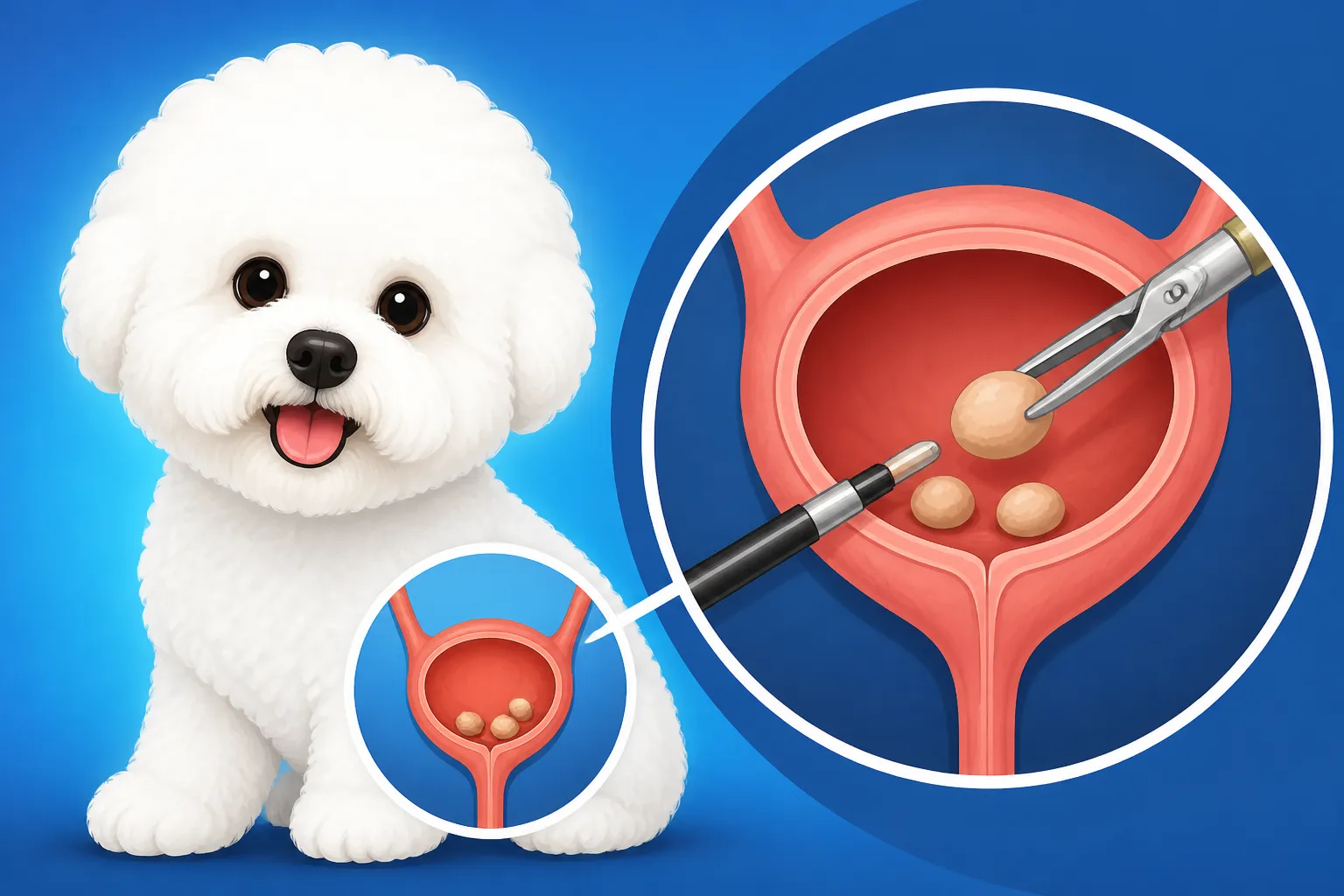
A cystotomy is a relatively straightforward abdominal surgery, typically performed under general anesthesia. The veterinary surgeon will make an incision in the lower abdomen to access the bladder. Once the bladder is exposed, a small incision is made into the bladder wall. This allows the surgeon to carefully remove all visible stones. A critical part of the procedure is thoroughly flushing the bladder and urethra multiple times with sterile saline to ensure no tiny fragments or gravel are left behind. These small pieces, if missed, can quickly serve as new nuclei for future stone formation.
After all stones are removed and the urinary tract is clear, the bladder incision is meticulously closed in multiple layers to ensure a watertight seal. The abdominal muscles and skin layers are then closed with sutures. A sample of the stones will always be sent to a specialized laboratory for analysis. This analysis is paramount because knowing the exact composition of the stones (e.g., calcium oxalate monohydrate, dihydrate) is the only way to formulate an effective long-term prevention plan, usually involving a specific prescription diet. For a deeper dive into the specifics, check out What Stone Surgery Involves on a Bichon Frise.
Post-Surgical Care and Monitoring
The period immediately following a cystotomy is crucial for your Bichon Frise's recovery. Your dog will likely stay at the veterinary clinic for 1-3 days for close monitoring, pain management, and to ensure they are urinating normally. Pain medication, usually a combination of anti-inflammatory drugs and opioids, will be administered to keep them comfortable. They will also typically be sent home with a course of antibiotics to prevent post-surgical infections.
Once home, activity will need to be strictly restricted for several weeks. This means no jumping, running, or strenuous play to allow the surgical incision to heal properly and prevent tension on the bladder sutures. Leash walks for potty breaks only are usually recommended. You'll need to monitor their urination closely – checking for frequency, straining, and any blood in the urine. A small amount of blood is normal for the first few days, but it should gradually decrease. An Elizabethan collar (cone) will be essential to prevent your Bichon from licking or chewing at their incision, which could lead to infection or dehiscence (opening of the wound). This careful post-operative phase significantly contributes to a successful recovery.
When a Urethrostomy May Be Required
While a cystotomy addresses stones within the bladder, sometimes the problem lies further down the urinary tract, specifically in the urethra. In severe or recurrent cases of urethral obstruction, especially in male Bichon Frises, a urethrostomy might be considered.
Understanding Urethral Obstruction
Urethral obstruction is a terrifying emergency for any dog owner. It primarily affects male dogs due to their longer, narrower urethra, making them more prone to stones getting stuck. When stones pass from the bladder into the urethra and become completely lodged, they prevent any urine from exiting the body. This is not just uncomfortable; it's life-threatening. The bladder can become dangerously distended, leading to pain, potential damage to the bladder wall, and a rapid buildup of toxins in the bloodstream, causing acute kidney injury.
The signs are usually dramatic: intense straining to urinate with little to no urine production, howling in pain, lethargy, and sometimes vomiting. If you suspect your Bichon Frise is blocked, this is an immediate veterinary emergency. Attempts will be made to flush the stones back into the bladder or relieve the obstruction via catheterization. However, if these methods repeatedly fail, or if the obstruction is caused by multiple stones or scar tissue, a more permanent surgical solution might be necessary.
The Urethrostomy Procedure
A urethrostomy is a specialized surgical procedure designed to create a wider, permanent opening for urine to exit the body, bypassing the narrowest part of the urethra where stones often get stuck. In male dogs, this typically involves removing a section of the penis and creating a new urethral opening in the perineal region (the area below the anus), where the urethra is naturally wider. This essentially creates a "female-like" opening, significantly reducing the likelihood of future obstructions because stones can pass more easily.
This is a more extensive and irreversible procedure than a cystotomy, reserved for cases where conventional methods fail or recurrent obstructions pose a significant risk. While it solves the obstruction problem, it does carry its own set of potential complications, including post-operative bleeding, stricture formation (narrowing of the new opening), and increased risk of urinary tract infections due to the wider, more exposed opening. For detailed information on this procedure, you may want to consult Whether a Urethrostomy Is Ever Done on a Bichon Frise.
Long-Term Management After Urethrostomy
Life after a urethrostomy requires dedicated care and vigilance. Immediately after surgery, there can be significant bleeding from the new urethral opening, and your dog will likely need to wear an Elizabethan collar continuously for several weeks to prevent licking. Keeping the surgical site clean and dry is crucial to prevent infection and promote healing.
In the long term, while the risk of obstruction is greatly reduced, dogs who have undergone a urethrostomy may have an increased susceptibility to urinary tract infections because the new opening is wider and closer to the external environment, allowing bacteria easier access. Regular monitoring of urine for signs of infection and continued adherence to a stone-preventative diet are still essential. Owners must be diligent in observing their dog's urination habits and general well-being. Pet insurance plans like those offered by Healthy Paws can be a real lifeline in managing the ongoing costs associated with such specialized care and potential complications, helping cover treatments for future UTIs or related health issues.
Recovery and Lifelong Management After Stone Removal
Getting through surgery is a huge hurdle, but it's just the beginning of a lifelong commitment to preventing recurrence. For Bichon Frises, who are genetically predisposed to calcium oxalate stones, proper post-operative care and a stringent preventative plan are non-negotiable.
The Initial Recovery Period
The first few weeks after bladder stone surgery are critical for your Bichon Frise's healing. Expect your pup to be a bit groggy and possibly uncomfortable for the first few days. Pain management is paramount, and your vet will prescribe appropriate medications. It's common to see a small amount of blood in their urine, especially in the first week, and they might strain a little more than usual. This generally subsides as the bladder heals. Restricted activity is vital; jumping on and off furniture, rough play, or too much stair climbing can put undue stress on the incision, potentially leading to complications.
Keeping the surgical incision clean and dry is also essential. Most vets recommend gentle cleaning with a warm, damp cloth if it gets dirty. And, of course, the dreaded "cone of shame" (Elizabethan collar) is a non-negotiable accessory for several weeks. This prevents your dog from licking or chewing at the stitches, which can introduce bacteria and delay healing. You'll usually have a follow-up appointment within 10-14 days for suture removal and a check-up to ensure everything is healing well. Understanding that this recovery isn't always instant can help manage expectations, and you can learn more about Whether a Bichon Frise Recovers Quickly From Stone Surgery.
Dietary Changes and Prevention
This is perhaps the most crucial aspect of long-term management for Bichon Frises prone to calcium oxalate stones. Once the stone analysis results are back, your veterinarian will prescribe a specific therapeutic diet designed to prevent recurrence. These diets typically aim to increase urine volume (making the urine more dilute), modify urine pH, and control the levels of minerals that contribute to stone formation, particularly calcium and oxalate. Brands like Royal Canin Urinary SO, Hill's Prescription Diet c/d Multicare, or Purina Pro Plan Veterinary Diets UR Urinary are commonly prescribed.
It's absolutely essential that your Bichon Frise eats only this prescribed diet. This means no table scraps, no unauthorized treats, and no switching brands without veterinary approval. Even a small amount of "off-diet" food can counteract the benefits of the therapeutic diet and pave the way for new stones. Increasing water intake is also vital to keep urine dilute, so encourage drinking with multiple fresh water bowls, filtered water, or even a pet water fountain. Consider adding some water to their dry food or feeding wet prescription food if they're not drinking enough. This dietary change is a commitment for life, as thoroughly detailed in The Diet a Bichon Frise Stays On for Life.
Monitoring for Recurrence
Unfortunately, even with diligent care, Bichon Frises have a high rate of stone recurrence. This makes ongoing monitoring a fundamental part of their healthcare routine. Your vet will likely recommend regular check-ups, typically every 3-6 months, which include urinalysis to monitor urine pH, specific gravity (to check dilution), and the presence of any crystals or infection. Additionally, periodic imaging, either X-rays or ultrasound, is often recommended to screen for new stone formation.
Many vets advise imaging every 6 to 12 months, especially for Bichons with a history of calcium oxalate stones. This proactive approach helps catch new stones when they are small and potentially easier to manage, before they grow large enough to cause severe symptoms or obstruction. This regular monitoring can feel like a lot, but it’s the best way to stay ahead of this recurring problem. Planning for these regular check-ups, including potential imaging costs, is an important part of owning a Bichon with stone history. Many pet insurance providers, like Healthy Paws, offer coverage for diagnostic tests and ongoing management, which can significantly ease the financial burden of these essential preventative measures. This proactive monitoring is critical, as elaborated in Whether a Bichon Frise Needs Imaging Every Six Months.
Comparison of Stone Removal Approaches
To help understand the primary methods of stone removal, here's a quick comparison of the two main surgical approaches:
| Feature | Cystotomy | Urethrostomy |
|---|---|---|
| Purpose | Remove stones from the bladder | Create a permanent, wider urethral opening to prevent obstructions |
| Location | Abdominal incision, directly into bladder | Perineal (near anus) incision, reshaping the urethra |
| Invasiveness | Moderate | More extensive, altering anatomy permanently |
| Primary Use | Most common method for bladder stones | For recurrent urethral obstructions, usually in male dogs |
| Healing Time | Typically 2-4 weeks for bladder/incision | Longer, more delicate healing due to location, potential for bleeding |
| Recurrence Risk | Stones can still form; managed by diet & monitoring | Obstruction risk greatly reduced; UTI risk may increase |
| Complications | Infection, incision dehiscence | Bleeding, stricture, increased UTI risk |
Disclaimer
Please remember that this article is intended for informational purposes only and does not constitute professional veterinary advice. Always consult with a qualified veterinarian for any health concerns or before making any decisions about your pet's medical care.