Whether Any Bichon Frise Is Not White
One of the most charming things about a Bichon Frise is their iconic fluffy white coat, a true hallmark of the breed. But have you ever seen a Bichon puppy with distinct apricot or cream patches and wondered if something was "off"? Or perhaps you've heard whispers about "buff" Bichons and questioned if any purebred Bichon Frise could actually be anything other than snowy white. This guide will dive deep into the fascinating world of Bichon Frise coat colors, clarifying the breed standard, explaining common puppy variations, and discussing how to keep your pup's coat looking its brilliant best.
The Foundation of White: Why the Bichon Frise is Known for Its Coat
When you picture a Bichon Frise, that image is almost certainly of a pristine, cloud-like white dog. This isn't just a popular aesthetic; it's deeply ingrained in the breed's history and official standards. The expectation of a white coat is one of the most defining characteristics of the Bichon Frise.
The Historical Significance of a White Coat
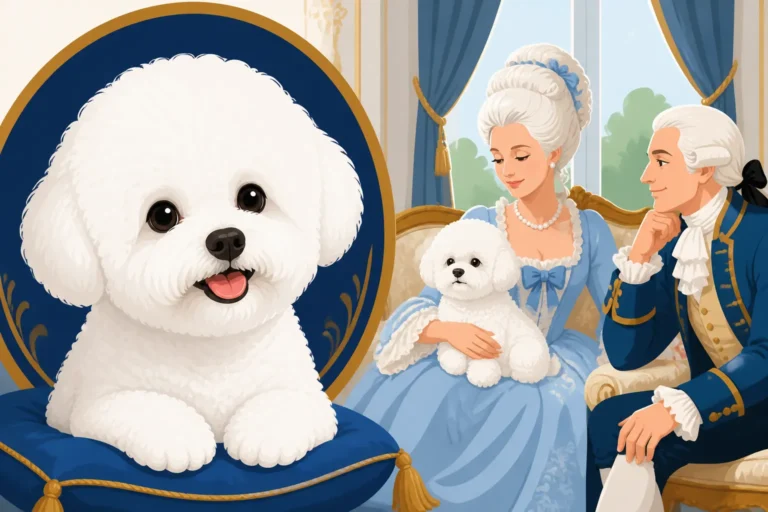
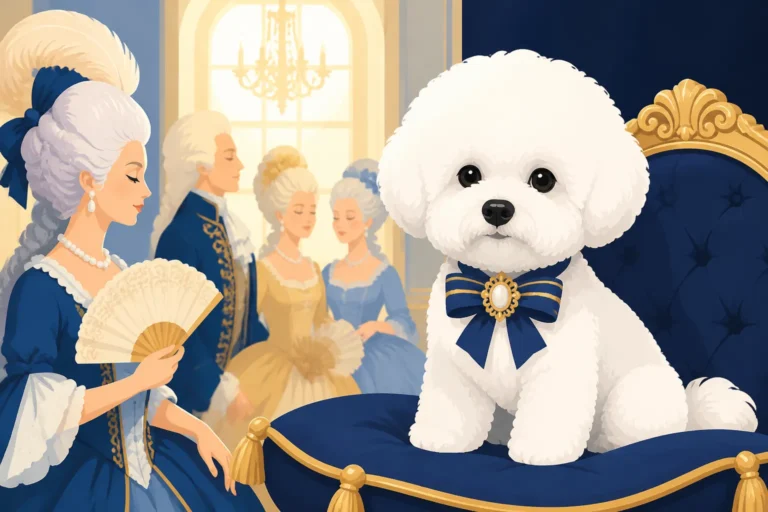
The very name "Bichon Frise" gives us a clue about their traditional appearance. "Bichon à poil frisé" translates from French to "curly-haired lapdog," but the "Bichon" part itself historically has connections to small, white, fluffy dogs. These delightful canines were adored by European nobility for centuries, prized for their charming personalities and their dazzling white coats, which stood out as a symbol of purity and luxury. Imagine a royal court filled with these little white bundles of joy – they were truly a fashion statement of their era. This long history of being a companion animal meant their appearance, particularly their pristine white color, was carefully cultivated and maintained through generations of breeding.
Their heritage as a fluffy, white companion has always been central to their identity. This isn't just about superficial beauty; it speaks to the care and attention historically bestowed upon these dogs, ensuring their coats remained immaculate. To understand the breed fully, it's impossible to separate them from this iconic white presentation.
The Official Breed Standard for Color
When you look at the breed standards set by organizations like the American Kennel Club (AKC) or the Fédération Cynologique Internationale (FCI), the emphasis on white is unmistakable. For example, the AKC standard states that the coat is "pure white." They do, however, make allowances for slight variations in puppies, but the ultimate goal for a mature Bichon Frise is that brilliant, unadulterated white. Any discernible color in the adult coat that isn't white is generally considered a fault in the show ring. This strict adherence to white is what helps maintain the distinct look of the Bichon Frise, differentiating it from its Barbichon relatives like the Havanese or Maltese, which may have color variations.
This isn't to say that a Bichon with a slight color tinge isn't a wonderful pet – far from it! But from a breeder's and judge's perspective, achieving and maintaining that pure white coat is a significant part of preserving the breed's ideal. The careful selection in breeding aims to minimize any genetic predisposition to non-white pigmentation. The distinctive shape of their coat, often referred to as The Powder Puff Outline the Bichon Frise Standard Describes, also relies on this pure white canvas to truly stand out.
Puppy Markings: The Creamy or Apricot "Surprise"
It's a common scenario: you pick up your adorable Bichon Frise puppy, and nestled among their pristine white fluff, you notice a hint of cream or even a distinct apricot patch. For a moment, you might panic, wondering if you've been misled about their breed or if they'll stay this color forever. Rest assured, this is a very normal part of many Bichon Frise puppies' development.
Understanding Temporary Puppy Markings
Many Bichon Frise puppies are born with patches of cream, buff, or apricot fur. These markings can range from a faint shading around the ears or tail to more prominent patches on their back or head. It’s not unusual to see a puppy that looks more "oatmeal" colored than pure white at just a few weeks old. These are typically temporary puppy markings, and they are usually perfectly acceptable by breed standards in young puppies. Think of it as a baby's temporary hair color before their adult hair comes in. These soft shades are part of their initial coat development and are not indicative of a "colored" adult Bichon Frise. It's a common question, Whether Cream Markings Are Allowed on a Bichon Frise Puppy, and the answer is generally yes, especially in very young puppies.
It's natural to be surprised if you're expecting a perfectly white fluffball right from the start. However, these markings are rarely a cause for concern regarding their purebred status. In fact, many experienced Bichon breeders will tell you they expect to see some degree of these markings in their litters. The presence of these softer hues can even add a touch of unique charm to each puppy, making them even more endearing in their early weeks.
The Genetics Behind Fading Markings
So, why do these charming little patches fade away? It comes down to genetics and the way their coat pigmentation develops. The genes responsible for color intensity and distribution change as the puppy matures. What might appear as a distinct apricot or cream patch in a young puppy often becomes much lighter, blending into the surrounding white fur, or disappearing entirely as the adult coat grows in. This process is very similar to how some human babies are born with one hair color and then it changes dramatically as they get older. The expectation that Whether Apricot Markings Fade on a Bichon Frise Puppy is a common one, and in most cases, they do.
This fading process typically happens over the first few months, sometimes up to a year. As the puppy coat sheds and the denser, adult double coat comes through, the genetic expression for strong pigment in those areas often diminishes. It’s a fascinating natural phenomenon that allows breeders to anticipate the eventual pure white coat, even when the puppy doesn’t start out quite so starkly white. A reputable breeder will be able to explain this to you, often showing you photos of past puppies from the same line that had similar markings which later faded.
When Markings Are (and Aren't) Acceptable
For a puppy, those cream or apricot markings are generally fine. In the context of conformation showing, judges understand that puppies are works in progress. However, as a Bichon Frise matures, the expectation is that these markings will fade. If an adult Bichon Frise still displays strong, visible patches of color, it would typically be considered a fault in the show ring because it deviates from the "pure white" standard. This doesn't make the dog any less of a wonderful pet, but it means they wouldn't meet the aesthetic requirements for showing at a high level.
For most pet owners, a slight cream tint on the ears or a faint buff patch might not matter at all. The concern primarily arises in the world of competitive dog shows, where strict adherence to the breed standard is paramount. If you're considering adopting a Bichon Frise, especially from a breeder, they should be transparent about the likelihood of such markings and how they tend to develop. They will often guide you through examples and discuss the pedigree to give you an idea of the genetic likelihood of your puppy retaining or losing its temporary hues.
Adult Color Variations and What They Mean
While puppy markings are often a fleeting phenomenon, some owners might still wonder about persistent color or external factors that can make a white coat appear less than pristine. Understanding these aspects is key to appreciating the true nature of the Bichon Frise coat.
The "Buff" Bichon Frise: A Purebred Reality or Myth?
The term "buff Bichon Frise" sometimes crops up, causing confusion. Historically, some lines may have carried genes for more persistent color, or perhaps the interpretation of "pure white" was once slightly more lenient. However, according to modern breed standards, a purebred Bichon Frise should be white as an adult. If an adult dog has significant, genetically determined buff or cream coloring, it would be considered a deviation from the standard. It's not a separate "type" of Bichon Frise that is recognized. So, the question, Whether a Buff Bichon Frise Is Purebred, often leads to the clarification that while they are purebred, their coloring is not aligned with the breed's ideal.
These dogs are still 100% Bichon Frise in every other respect – their joyful temperament, their curly coat texture, their loving nature. The distinction is purely aesthetic and related to breed conformity for showing purposes. For a family pet, this really makes no difference whatsoever to their value as a companion. It simply means that if you were hoping for a show-quality dog, a pronounced buff color in an adult would likely preclude that.
Environmental Factors Affecting Coat Color
Beyond genetics, many environmental factors can temporarily "color" a Bichon Frise's coat, making it appear less white. These are not genetic colors, but rather stains or discolorations. The most common culprit is tear staining, which leads to reddish-brown streaks under the eyes. This can be exacerbated by diet, water quality, or even blocked tear ducts. The Tear Stains Under a Bichon Frise's Eyes are a constant battle for many Bichon owners, and addressing them is key to maintaining a white face.
Similarly, saliva from licking can cause brown or reddish staining around the mouth and on the paws, leading to concerns like Whether a Bichon Frise's Feet Stain Brown. Urine can also cause staining on the belly or legs, particularly if a dog has accidents or is a male who squats to urinate. Even sun exposure can sometimes cause a slight yellowing or cream tint over time, making you ponder Whether Sun Yellows a Bichon Frise's Coat. These aren't true colors, but rather pigments from external sources that adhere to the white fur, and they require regular grooming and care to prevent and remove. Products available at retailers like Chewy often include specialized shampoos or tear stain wipes designed to combat these issues.
The Difference Between Pigment and Staining
It's crucial to distinguish between true genetic pigment and environmental staining. Genetic pigment is inherent to the hair follicle; the hair grows out colored. Staining, on the other hand, is extrinsic – it's something deposited onto the hair shaft. Imagine spilling coffee on a white shirt versus the shirt being dyed coffee-colored from the factory. You can wash the coffee stain out, but you can't change the factory dye.
This distinction is vital for Bichon owners. If your Bichon has persistent yellowing or brownish areas, your first step is usually to rule out external staining. Are they licking excessively? Is there tear overflow? Are they prone to urinary accidents? Often, with diligent grooming, appropriate products (many of which you can find on Chewy), and addressing any underlying health issues causing excessive moisture, these stains can be significantly reduced or even eliminated. If, after all this, the coat still presents a strong color, then it’s likely a genetic pigment, which is a part of that particular dog's unique genetic makeup, even if it deviates from the breed standard.
What to Look for When Choosing a Bichon Frise
Bringing a Bichon Frise into your life is a joyful experience, but it's important to make informed decisions. While coat color is often a talking point, it's far from the most important consideration.
Prioritizing Health and Temperament Over Coat Color
When you're looking for a Bichon Frise, whether a puppy or an older rescue, the health and temperament of the dog should always be your absolute top priorities. A dog with a pure white coat but a host of health issues or a difficult temperament will bring more heartache than joy. Focus on finding a dog that is well-socialized, comes from healthy lines, and has parents with good temperaments. Ask about The Health Tests Both Bichon Frise Parents Should Have to ensure you're getting a puppy that has the best chance at a long, healthy life. A dog's personality and their ability to integrate into your family are far more impactful than the exact shade of their white coat.
A dog with a wonderful, merry temperament – as described in The Merry Temperament the Bichon Frise Standard Demands – will be a cherished family member regardless of a faint cream patch on its ear. Many of the characteristic health issues associated with Bichons, such as bladder stones, patellar luxation, or allergies, are far more significant than a slight color variation. Investing your time and resources into ensuring your potential new family member is sound in body and mind will pay dividends over their lifetime.
Working with Reputable Breeders
A reputable breeder will not only adhere to the breed standard regarding color but will also prioritize health, temperament, and responsible breeding practices. They will be transparent about any puppy markings and can explain how they are likely to fade. They should be willing to show you the parents, provide health clearances, and answer all your questions. A breeder who focuses solely on "perfectly white" puppies without concern for these other crucial aspects might be cutting corners. When considering What a Bichon Frise Puppy Costs From a Real Breeder, remember that you're not just paying for a white coat, but for the careful breeding, health testing, and early socialization that sets your puppy up for success.
A good breeder will also provide early socialization and care, ensuring the puppy is accustomed to handling, grooming, and human interaction. They should also be a lifelong resource for you, willing to answer questions and offer support as your Bichon grows. Don't be swayed by someone promising a "rare" colored Bichon; true Bichon Frises are white, and these claims often come from less-than-reputable sources.
Managing Staining to Maintain a White Coat
Even with a genetically pure white Bichon, maintaining that pristine appearance requires dedication. Environmental staining is a constant challenge for white-coated breeds. Regular grooming is essential, not just for preventing mats, but for keeping their coat bright. Keeping a White Bichon Frise Actually White is an ongoing effort that involves several key steps.
Daily wiping of the face, especially around the eyes and mouth, with a damp cloth or specialized tear stain wipe (many excellent options are available on Chewy) can prevent stains from setting in. Regular bathing with whitening shampoos, followed by thorough rinsing and drying, will also help. Make sure to address any underlying causes of excessive moisture, such as allergies causing paw licking or eye irritation. For instance, if your Bichon constantly licks their paws due to allergies, you'll see a pinkish-brown stain. A consistent grooming schedule, perhaps every How Often a Bichon Frise Needs Grooming, and attention to detail will keep your Bichon looking like the magnificent cloud they are meant to be. This proactive approach is much easier than trying to remove deep-set stains later on.
Bichon Frise Coat Color Overview
| Characteristic | Puppy (0-12 months) | Adult (12+ months) | Significance |
|---|---|---|---|
| Genetic Color | Predominantly white, may have cream/apricot patches | Pure white (ideal) | Essential for breed standard & show ring |
| Acceptable Markings | Cream, buff, apricot (often fading) | None (or extremely faint, barely visible) | Temporary puppy trait, should disappear with maturity |
| "Buff" Adult Bichon | Generally considered a departure from standard | Deviation from breed standard | Still purebred, but not ideal for conformation |
| Tear/Saliva Stains | Common, due to moisture/porphyrins | Common, ongoing management required | Not genetic color, but affects perceived whiteness |
| Sun/Grass Stains | Possible | Possible | Environmental, removable with grooming |
| Breed Standard Ideal | White with minimal fading markings | Pure White | Maintains iconic Bichon Frise appearance |
Disclaimer
This article is for general informational purposes only and does not constitute professional advice. Laws, prices and regulations vary by location and change over time. Consult a qualified professional for guidance on your specific situation.