Whether a Bichon Frise Rubs Its Face
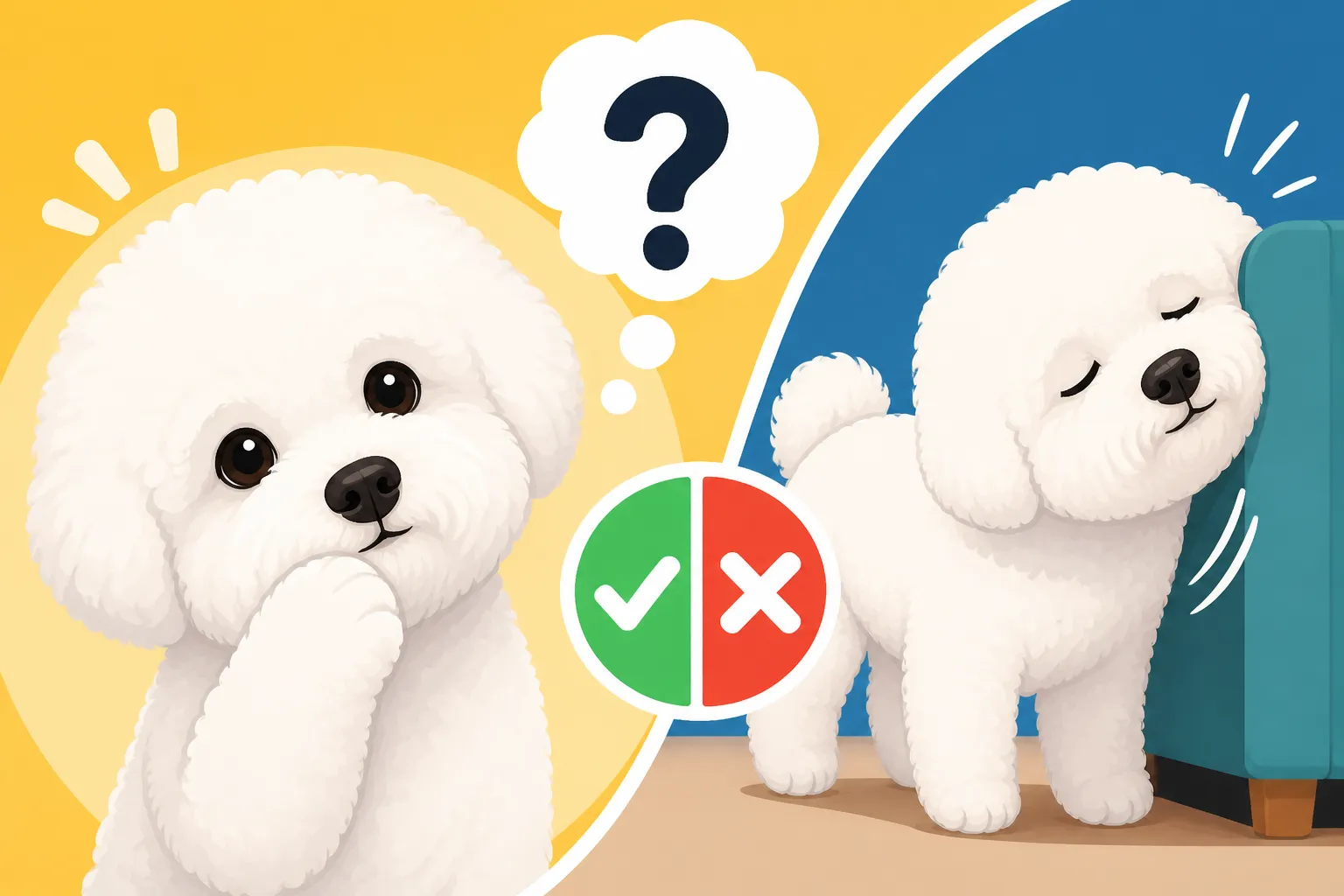
It’s a sight many Bichon Frise parents know all too well: your sweet, fluffy companion suddenly starts dragging their face along the carpet, rubbing it frantically on furniture, or pawing at it incessantly. This isn’t just a cute quirk; it’s a clear signal that something is bothering your Bichon, and it can be incredibly frustrating to witness without knowing the cause. This guide will walk you through the common reasons why your Bichon Frise might be rubbing its face and what steps you can take to help them find relief.
Why Your Bichon Frise Might Be Rubbing Its Face
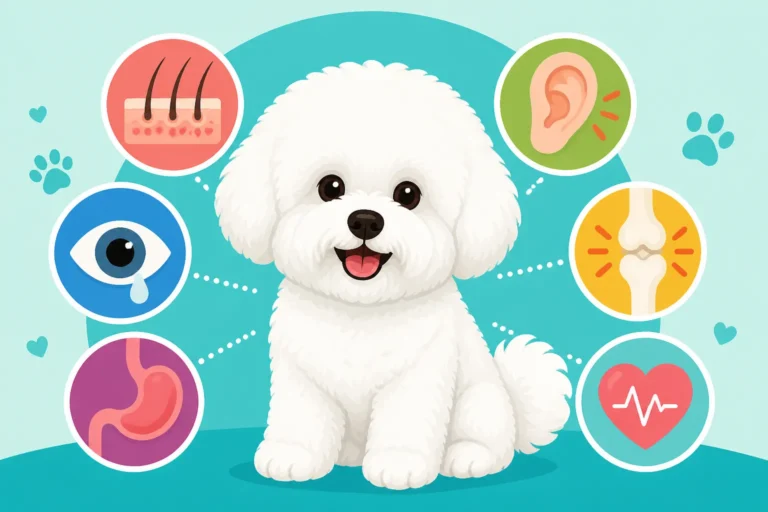
When your Bichon Frise starts rubbing their face, it's their way of telling you, loud and clear, "Something isn't right here!" This isn't usually just a random act; it's a specific behavior driven by irritation or discomfort. For a breed known for its delicate skin, profuse coat, and sometimes specific health predispositions, a little face rub can quickly escalate into a big problem if left unaddressed. It’s crucial to understand the most common culprits behind this behavior so you can better identify what your furry friend is experiencing.
Skin Allergies and Irritations
One of the most frequent reasons Bichon Frises rub their faces is due to underlying skin allergies or simple irritations. Their dense, curly coats, while beautiful, can trap allergens, moisture, and debris close to the skin, creating a perfect storm for itchiness. Imagine having an itch you can't quite reach, and all you can do is rub against something rough – that's often what your Bichon is feeling.
These allergies can be environmental, triggered by things like pollen, dust mites, or certain grasses. When a Bichon is exposed to these allergens, their immune system overreacts, leading to inflammation and intense itching. You might notice them rubbing their face after a walk in the park or a particularly dusty day indoors. It’s a common scenario for many Bichon owners to wonder whether a Bichon Frise's itching is food or pollen as they try to pinpoint the exact trigger. Food allergies, though less common as a sole cause for facial rubbing compared to environmental ones, can also manifest as skin irritation. Certain proteins or ingredients in their diet might cause a systemic allergic response that includes facial itching. This persistent irritation can lead to your Bichon becoming quite uncomfortable, constantly seeking relief by rubbing their sensitive facial areas against whatever they can find, sometimes even causing the skin to go Whether a Bichon Frise's Skin Goes Pink and inflamed.
Ear Infections and Discomfort
The ears are another prime suspect when a Bichon Frise is rubbing its face. Bichons have lovely floppy ears, which, coupled with their abundant ear hair, can create a warm, moist environment ideal for bacteria and yeast to flourish. This makes them particularly prone to ear infections. An ear infection is incredibly irritating and often quite painful, and since dogs can't exactly scratch the inside of their ear canal effectively, they resort to rubbing their entire face, shaking their head, or pawing at their ears.
If your Bichon is frequently shaking its head, tilting it to one side, or you notice a foul odor or discharge coming from their ears, an infection is highly likely. The discomfort from an ear infection often extends to the surrounding facial area, making the whole side of their head feel itchy and inflamed. Some Bichons suffer from chronic ear issues, requiring constant vigilance and care. It’s a heartbreaking reality that many owners deal with recurrent ear infections in a Bichon Frise and the accompanying discomfort. The rubbing behavior might be an early sign that an infection is brewing, or it could be a persistent symptom of an ongoing, untreated issue.
Dental Pain and Oral Issues
Believe it or not, dental problems are a huge contributor to face rubbing in dogs, and Bichons are no exception. These small breeds are notorious for developing dental disease early in life. Tartar buildup, gingivitis, loose teeth, or even more serious issues like abscesses can cause significant pain and discomfort in their mouth. When their gums or teeth hurt, dogs will often rub their faces in an attempt to alleviate the pain or dislodge whatever is bothering them.
Think about a time you had a toothache; you probably rubbed your jaw or cheek trying to make it feel better. Your Bichon is doing something similar. If you notice your dog has bad breath, difficulty eating, blood on their chew toys, or is suddenly reluctant to let you touch their muzzle, dental pain is a strong possibility. The rubbing might be localized to one side of their face if a particular tooth is bothering them. Regular dental care is critical for Bichons, as dental disease in a Bichon Frise is not just painful but can lead to other serious health issues. Ignoring these signs can lead to worsening conditions that require more invasive and costly interventions.
Eye Problems and Excessive Tearing
Bichon Frises are known for their beautiful, expressive eyes, but they can also be prone to various eye issues that cause discomfort and lead to face rubbing. Perhaps the most obvious sign is excessive tearing, which often results in those reddish-brown tear stains under their eyes. While tear stains themselves aren't usually painful, the constant moisture can irritate the skin, leading to a secondary yeast infection or general itchiness. When a Bichon’s The Tear Stains Under a Bichon Frise's Eyes become severe, the area beneath their eyes can become inflamed, prompting them to rub their face against surfaces to scratch the itch.
Beyond cosmetic staining, more serious eye problems can cause significant irritation. Conditions like dry eye (keratoconjunctivitis sicca), where the eyes don't produce enough tears, can cause a gritty, painful sensation. Eyelid abnormalities, such as entropion (where the eyelid rolls inward, causing eyelashes to rub against the cornea) or distichiasis (extra eyelashes growing from the eyelid margin), can constantly irritate the surface of the eye. Even a foreign object, like a piece of dust or a stray hair, can cause intense discomfort. If you see redness, discharge, squinting, or a cloudy appearance in your Bichon's eyes, alongside the face rubbing, it's a strong indication of an underlying ocular issue that needs professional attention.
Identifying the Specific Cause of Face Rubbing
Pinpointing why your Bichon Frise is rubbing its face can feel like detective work, but observing closely and knowing what to look for will give you crucial clues. It's not always straightforward, as sometimes multiple issues can be at play, especially with a breed like the Bichon that has specific predispositions. However, a systematic approach can help you narrow down the possibilities and get your dog the right kind of help.
Observing Accompanying Symptoms
The key to understanding your Bichon's face rubbing lies in looking beyond just the rubbing itself. What else is happening? Are there other behaviors or physical signs that accompany the rubbing? For instance, if the rubbing is primarily focused on the ears, and you notice increased head shaking, pawing at the ears, or a discharge, then an ear infection is a strong contender. The smell can be a dead giveaway – a yeasty or foul odor often accompanies ear infections. You might also notice your Bichon is generally more irritable or sensitive around their head.
If the rubbing seems more generalized across the face, and perhaps includes paw licking or body scratching, then environmental allergies are higher on the list. Many Bichon owners will also see their dog whether a Bichon Frise licks its paws raw when dealing with widespread allergic reactions. This broader itching suggests a systemic issue rather than a localized one. Changes in appetite, reluctance to chew hard toys, or sensitivity around the mouth when touched would strongly point towards dental problems. Look for specific times when the rubbing occurs: Is it after eating? After waking up? After spending time outdoors? These details can provide invaluable insights for your veterinarian.
Here's a quick reference table to help you connect symptoms to potential causes:
| Accompanying Symptom | Most Likely Causes |
|---|---|
| Head shaking, ear discharge/odor | Ear Infection, Allergies |
| Paw licking, body scratching | Skin Allergies (Environmental or Food), Fleas |
| Bad breath, drooling, reluctance to eat | Dental Pain, Oral Lesion |
| Squinting, red eyes, eye discharge | Eye Irritation, Dry Eye, Eyelid Issues |
| Generalized itching, pink skin | Skin Allergies, Yeast Infection (whether a bichon frise gets yeast on its skin) |
| Sneezing, nasal discharge | Allergies, Nasal Irritation |
Checking Your Bichon's Face and Mouth
Once you've observed accompanying symptoms, the next step is a gentle physical examination of your Bichon's face, if they'll allow it. Start by carefully parting the fur around their eyes. Look for redness, swelling, unusual discharge, or any foreign objects. Pay close attention to the skin under the eyes, especially if tear staining is present; is it red, raw, or do you see any small bumps? Sometimes, a simple ingrown hair or a piece of debris can be the culprit.
Next, move to the ears. Gently lift the ear flap and look inside the ear canal. Is it red or swollen? Do you see any waxy buildup, black debris (often a sign of ear mites), or discharge? Is there a noticeable odor? Remember, Bichon Frises can have a lot of hair in their ears, which can exacerbate problems by trapping moisture and debris, so carefully check underneath that fluff.
Finally, and perhaps most challenging, check their mouth. Lift their lips to examine their gums and teeth. Are the gums red and inflamed? Is there heavy tartar buildup on the teeth? Are any teeth loose, broken, or discolored? While a thorough dental exam usually requires sedation at the vet, you might be able to spot obvious issues. Be gentle and stop immediately if your Bichon shows signs of pain or aggression. It's often difficult to fully assess The Age a Bichon Frise Forms Its First Stone without professional help, but a visual check can still be very informative.
The Importance of a Veterinary Examination
While your home observations are invaluable, they are not a substitute for a professional veterinary examination. A vet has the tools and expertise to properly diagnose the underlying cause of your Bichon's face rubbing. They can perform a thorough physical exam, including otoscopic examination of the ears, ophthalmic evaluation of the eyes, and a detailed oral exam. If allergies are suspected, your vet might discuss options like allergy testing or an elimination diet to help identify specific triggers. Conditions like the atopic skin a Bichon Frise is born with often require professional diagnosis and a tailored management plan.
For ear issues, they can take a swab and examine it under a microscope to determine if yeast, bacteria, or mites are present, allowing them to prescribe the correct medication. For eye problems, specialized stains can detect corneal ulcers, and a Schirmer tear test can diagnose dry eye. Dental X-rays, often performed under anesthesia, are usually necessary to assess the full extent of dental disease beneath the gumline. Don't delay a vet visit if the rubbing is persistent, intense, or accompanied by other worrying symptoms, as early intervention can prevent more serious complications and provide quicker relief for your beloved Bichon. Many pet parents find it incredibly reassuring to have a good pet insurance plan, like those offered by Healthy Paws, to help cover the costs of these diagnostic tests and treatments.
Home Care and When to See the Vet
Finding your Bichon Frise constantly rubbing their face is concerning, and your natural instinct is to help them feel better. While some minor irritations can be managed with careful home care, it's equally important to know when to escalate the situation and seek professional veterinary help. Trying to treat a serious underlying issue at home can prolong your dog's discomfort and potentially worsen their condition.
Gentle Cleaning and Temporary Relief
For very mild, occasional face rubbing, especially if it seems to be related to something temporary like a bit of dirt or tear staining, some gentle home care might offer relief. If you notice tear stains, cleaning the area around your Bichon's eyes daily with a soft, damp cloth and a veterinarian-approved tear stain remover can help prevent irritation. Make sure the products are safe for use around the eyes. For overall facial cleanliness, a gentle, hypoallergenic dog shampoo used during regular baths, ensuring thorough rinsing, can help remove allergens and irritants from their coat. When bathing, be sure to use a shampoo designed for sensitive skin, especially since a Bichon can often have What Atopic Dermatitis Does to a Bichon Frise.
If the issue seems to stem from a minor environmental irritant, simply wiping their face with a damp cloth after outdoor excursions might help. You can also try using dog-specific wipes that are free of harsh chemicals and fragrances. For ear hygiene, a regular ear cleaner recommended by your vet can help keep the ear canal free of wax and debris, but only use this if there's no sign of infection or pain. If you notice discomfort, stop immediately. Always ensure the products you use are specifically formulated for dogs and always avoid human products, which can be irritating or toxic. Remember, these are temporary measures for minor issues, not solutions for persistent or painful problems.
When to Seek Professional Help Immediately
Knowing when to bypass home remedies and head straight to the vet is critical. If your Bichon's face rubbing is persistent, intense, or accompanied by any of the following symptoms, it's time for professional intervention without delay:
- Visible Redness, Swelling, or Open Sores: These are signs of significant inflammation, infection, or self-trauma.
- Discharge from Eyes or Ears: Yellow, green, or strong-smelling discharge indicates an infection that requires medication.
- Pain or Tenderness: If your Bichon yelps, flinches, or becomes aggressive when you try to touch their face or ears, they are likely in pain.
- Squinting or Excessive Tearing: These suggest an eye injury, foreign body, or painful eye condition.
- Difficulty Eating or Drooling: Strong indicators of dental problems or oral pain.
- Lethargy or Loss of Appetite: These generalized symptoms suggest your dog is feeling unwell overall, and the face rubbing is just one manifestation.
- Sudden Onset or Worsening: If the rubbing started suddenly and severely, or is rapidly getting worse, it warrants immediate attention.
Conditions like severe allergies, deep ear infections, or dental abscesses can cause immense discomfort and can become more complicated and costly to treat if delayed. Prompt veterinary care, potentially covered by a comprehensive pet insurance plan like Healthy Paws, is essential for your Bichon's well-being.
Preparing for Your Vet Visit
When you notice your Bichon is constantly rubbing its face, and you've decided it's time for a vet visit, gathering information beforehand can make the appointment much more productive. Vets rely on your observations to help them piece together the puzzle of your dog's symptoms. Before you head to the clinic, take a few moments to jot down some notes.
First, consider the onset of the behavior: when did you first notice the face rubbing? Was it sudden or gradual? Next, think about the frequency and intensity: how often does your Bichon rub their face, and how vigorously do they do it? Is it worse at certain times of day or after specific activities (e.g., after walks, after eating, during specific seasons)? Document any other symptoms you've observed, such as head shaking, paw licking, changes in appetite, or lethargy. Have you noticed any unusual odors, discharge, or visible changes to their skin, eyes, or ears? It's also helpful to recall any recent changes in their diet, environment, or routine, as these could be potential triggers for allergies. For instance, have you recently started using a new cleaning product, or introduced a new treat into their diet?
Be prepared to discuss your Bichon's complete medical history, including any previous diagnoses, medications they are currently taking, and their vaccination status. If you have pet insurance, such as Healthy Paws, have your policy information ready. Providing a detailed account of your observations will give your veterinarian a clear picture, allowing them to perform a more targeted examination and recommend the most appropriate diagnostic tests and treatment plan.
Long-Term Management and Prevention
Once your veterinarian has diagnosed the cause of your Bichon Frise's face rubbing, the next step is often implementing a long-term management and prevention strategy. This is especially true for chronic conditions common in Bichons, like allergies or dental disease. Proactive care is truly the best defense against recurring discomfort and can significantly improve your furry friend's quality of life.
Dietary Considerations and Allergen Avoidance
If environmental allergies are the culprit behind your Bichon's face rubbing, minimizing exposure to identified allergens is key. This might involve more frequent vacuuming with a HEPA filter, using air purifiers, washing their bedding regularly in hot water, and wiping their face and paws after outdoor excursions to remove pollen. During high pollen seasons, limiting outdoor time during peak hours can also help. For cases of The Atopic Skin a Bichon Frise Is Born With, a vet-prescribed regimen may be needed.
If food allergies are suspected, your vet will likely recommend a strict elimination diet. This involves feeding a novel protein or hydrolyzed protein diet for several weeks (typically 8-12) to see if symptoms improve. During this time, absolutely no other treats, table scraps, or flavored medications can be given. Once symptoms clear, ingredients are slowly reintroduced to identify the specific allergens. This can be a challenging process, as Bichons can be notoriously picky eaters, and finding a prescription food they enjoy can take time. However, it's a crucial step for long-term relief. Many prescription diets are available to help manage allergies, and your vet can guide you on the best option for the diet a Bichon Frise stays on for life if needed for underlying conditions.
Regular Grooming and Hygiene Practices
Proper grooming is absolutely non-negotiable for a Bichon Frise, and it plays a vital role in preventing facial irritation and rubbing. Their fluffy, non-shedding coats need consistent attention to prevent matting, which can pull on the skin and cause discomfort, especially around the face and ears. Regular brushing, ideally daily or every other day, helps to remove loose hair, dirt, and allergens.
Regular professional grooming, typically every 4-6 weeks, is also essential. A good groomer will keep the hair around your Bichon's eyes, mouth, and ears trimmed short and tidy, which reduces the chance of hair irritating the eyes or trapping moisture and debris in the ears. For ear health, consistent cleaning with a vet-approved solution, especially for Bichons prone to infections, is crucial. If your Bichon’s ears are known to whether a Bichon Frise's ears trap moisture, preventative cleaning is even more important. Your vet can show you how often a Bichon Frise's ears should be cleaned and how to do it safely. Don't forget their teeth! Daily tooth brushing with dog-specific toothpaste, along with professional dental cleanings as recommended by your vet, will keep dental disease at bay and prevent a significant source of facial pain and rubbing. While maintaining Keeping a White Bichon Frise Actually White is a common grooming concern, addressing underlying health issues is paramount.
Proactive Health Monitoring
The best long-term strategy for preventing your Bichon Frise from excessive face rubbing is proactive health monitoring. This means staying vigilant and establishing a consistent routine of check-ups and preventative care. Regular veterinary check-ups, ideally once a year for adult Bichons and twice a year for seniors, are crucial. During these visits, your vet can perform thorough examinations of their skin, ears, eyes, and teeth, often catching potential problems before they become severe enough to cause intense discomfort and face rubbing. These annual exams are also a great opportunity to discuss any new behaviors or subtle changes you've noticed at home. For example, your vet will likely want to conduct whether a Bichon Frise needs a yearly eye exam to screen for common breed conditions.
It’s also important to be consistent with any prescribed medications or preventative treatments. If your Bichon has chronic allergies, sticking to their allergy management plan, whether it involves medications like Apoquel or Cytopoint, or regular medicated baths, is key to preventing flare-ups. Similarly, for Bichons prone to ear infections, consistent ear cleaning as directed by your vet will help keep those pesky infections at bay. Investing in pet insurance, such as a plan from Healthy Paws, can provide significant peace of mind, knowing that you'll be financially supported in pursuing all necessary diagnostic tests and long-term treatments to keep your Bichon comfortable and healthy throughout their life.
Disclaimer
This article is for general informational purposes only and does not constitute professional advice. Laws, prices and regulations vary by location and change over time. Consult a qualified professional for guidance on your specific situation.