Whether a Limping Bichon Frise Needs X Rays
It’s truly disheartening when your cheerful Bichon Frise, usually a bouncy ball of fluff and energy, suddenly starts limping. One moment they’re playing, the next they’re holding up a paw, or hobbling along, and your heart sinks. The immediate worry is always "What happened?" and perhaps even more pressingly, "Do they need X-rays?" This guide will walk you through the common causes of limping in Bichon Frises, when X-rays become a crucial diagnostic tool, and what to expect during the process, helping you understand when it’s time to head to the vet for that vital imaging.
Understanding Limping in Bichon Frises: More Than Just a "Boo-Boo"
When your sweet Bichon Frise develops a limp, it's natural to jump to conclusions, often hoping it's just a minor bruise or a bit of soreness. And sometimes, it truly is something simple! But with a breed known for certain genetic predispositions, a limp can often signal something more complex under that fluffy white coat. It’s important to pay close attention to the nuances of their lameness to give your vet the best possible information.
Common Causes of Limping in Bichons
Bichon Frises, despite their small size, are quite active and can sometimes get themselves into little scrapes, just like any other dog. However, they also have a genetic blueprint that makes them prone to specific orthopedic issues that can definitely lead to a limp.
First, let's talk about the everyday stuff. Sometimes, a limp can be as straightforward as a thorn in their paw, a bruised nail, or a minor muscle strain from an enthusiastic play session at the dog park. Perhaps they jumped off the couch a bit awkwardly, or twisted their paw while chasing a squirrel. These minor injuries often improve with a day or two of rest and careful observation. You might notice them favoring a leg slightly, but still putting weight on it, and usually, they're not overtly vocal about pain unless you touch the sore spot directly. Checking their paw pads and between their toes for foreign objects or cuts is always a good first step, but don't force them if they're in pain.
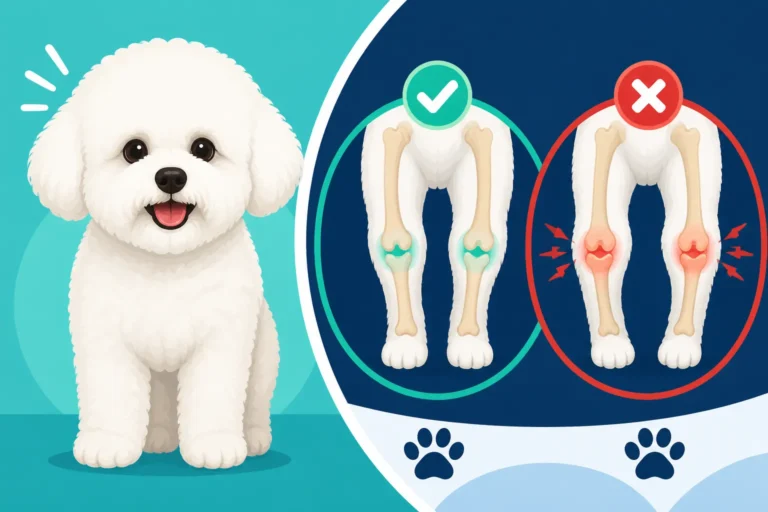
Then there are the breed-specific concerns that us Bichon parents need to be extra vigilant about. One of the most common culprits for limping in Bichons is patellar luxation, often referred to as "Slipping Kneecaps in a Bichon Frise". This is where their kneecap (patella) slips out of its groove, causing them to skip or hold up their leg for a few steps before it pops back into place. You might see this happening quite often, or just occasionally, depending on the severity of the luxation. The age a Bichon Frise's kneecap first slips can vary, but it's often something seen in younger dogs. Another significant, though less common, orthopedic issue in Bichons is Legg-Calve-Perthes disease. This condition affects the hip joint, specifically the head of the femur, causing it to degenerate and leading to pain and lameness, typically in puppies or young adult dogs. It's truly heartbreaking to see your young pup in pain, and it often presents as a gradual but persistent limp. As our furry companions age, arthritis can also rear its head, causing stiffness and limping, especially in the mornings or after periods of rest. "Arthritis in a Bichon Frise at Eleven" is a reality many senior Bichon owners face.
When to Be Concerned: Signs That Warrant Immediate Attention
Knowing when a limp is just a temporary inconvenience versus a serious issue requiring veterinary intervention can be tricky. It's about observing your dog closely and understanding the warning signs. Don't hesitate to reach out to your vet if you're ever in doubt – it's always better to be safe than sorry, especially with our small, delicate Bichons.
One of the first things to consider is the severity of the lameness. Is your Bichon just favoring a leg slightly, or are they completely refusing to put any weight on it? A non-weight-bearing lameness is always a red flag that requires immediate veterinary attention. This often indicates a fracture, a severe sprain, or a dislocation, which are incredibly painful and need professional assessment right away. Similarly, pay attention to the duration of the limping. If a mild limp persists for more than 24-48 hours, or if it seems to be getting worse rather than better, it’s definitely time to call the vet. What might seem like a minor issue could be progressing into something more serious, or perhaps it wasn't so minor to begin with.
Beyond the limp itself, look for accompanying symptoms. Is your Bichon vocalizing when you try to touch the affected area? Are they panting excessively, indicating pain? Is there any visible swelling, heat, or deformity in the limb? Are they lethargic, refusing to eat, or running a fever? These are all signs that your Bichon is in significant discomfort and potentially dealing with something serious like an infection or a fracture. A sudden onset of severe limping, particularly after an accident or a hard landing, should always be treated as an emergency. Conversely, a gradual limp that worsens over weeks or months could point towards degenerative joint disease or, in rarer cases, even a bone tumor. Being able to describe these details to your vet will be incredibly helpful in guiding their diagnostic process.
The Role of X-Rays in Diagnosing Bichon Frise Lameness
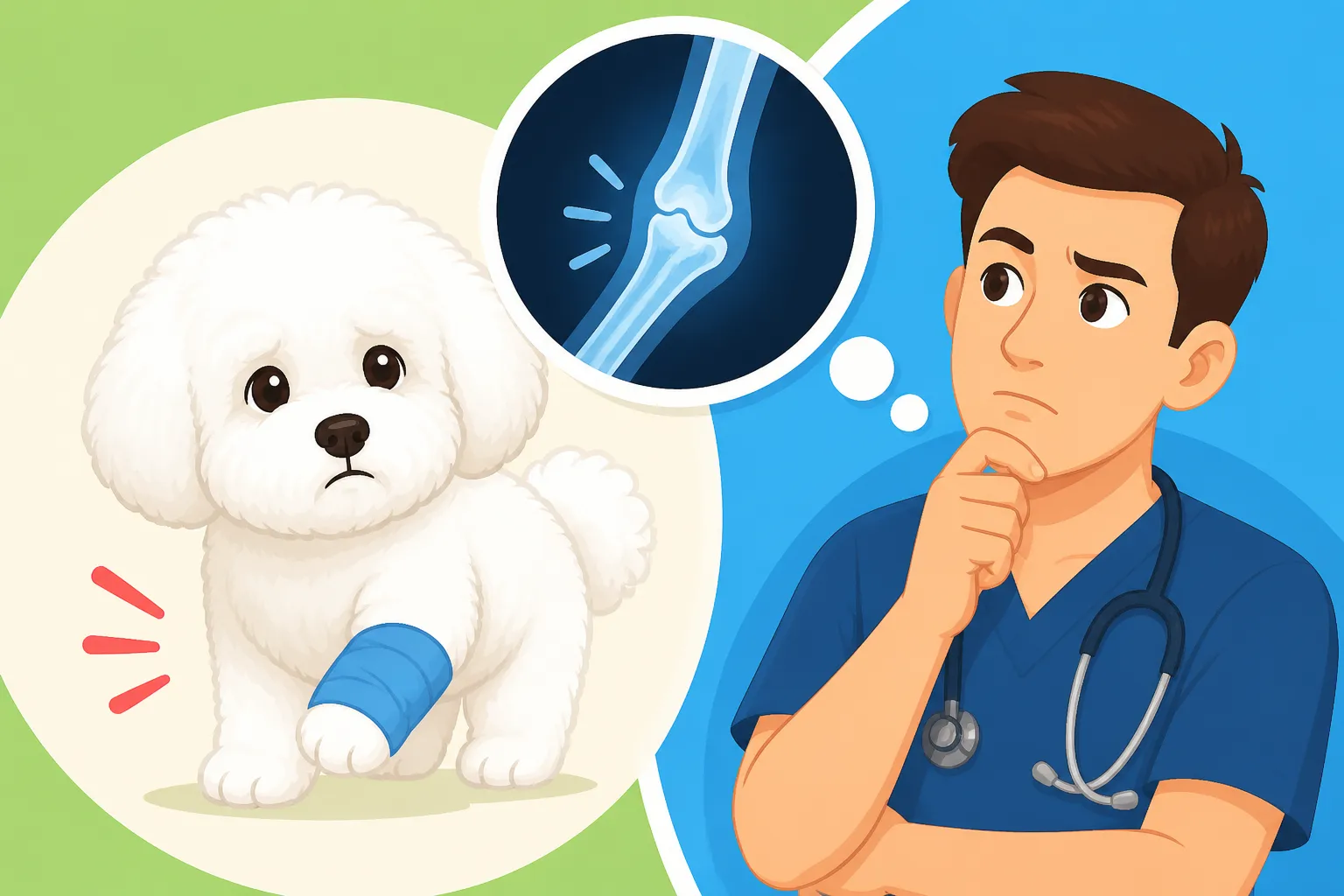
Once you've noticed a persistent or severe limp, your vet will perform a thorough physical examination. This usually involves feeling the bones and joints, checking for pain responses, and observing your Bichon's gait. Often, the next logical step, especially if the cause isn't immediately obvious, is diagnostic imaging – and that usually means X-rays. X-rays are invaluable tools in veterinary medicine, providing a window into the skeletal system that we can't get just by looking or feeling.
What X-Rays Can and Cannot Reveal
X-rays, or radiographs, are incredibly powerful for visualizing bones and joints. They can clearly show:
- Fractures: From hairline cracks to complete breaks, X-rays are excellent at identifying bone fractures, which are often the cause of sudden, severe lameness.
- Dislocations: If a joint like the hip or knee has come out of alignment, an X-ray can confirm this. This is especially true for conditions like patellar luxation, where X-rays can help assess the alignment of the patella within the trochlear groove and identify any associated bone changes.
- Degenerative Joint Disease (Arthritis): While X-rays won't show the initial inflammation of arthritis, they can reveal the chronic changes that occur in the joints over time, such as bone spurs (osteophytes), joint space narrowing, and changes in bone density. For an older Bichon, these findings can confirm why they've been slowing down.
- Bone Tumors: In some unfortunate cases, a limp can be caused by a bone tumor. X-rays can often detect abnormal bone growth or destruction, providing the first crucial clue for further investigation.
- Malformations: Congenital conditions like hip dysplasia (though less common in Bichons than larger breeds, it can still occur) or Legg-Calve-Perthes disease involve structural abnormalities that X-rays can pinpoint.
However, it's equally important to understand what X-rays cannot fully reveal. They aren't great at showing soft tissue injuries. Things like ligament tears (e.g., cruciate ligament injuries in the knee), tendon strains, or muscle damage are not directly visible on standard X-rays. While an X-ray might show joint effusion (fluid buildup in the joint) which can hint at a soft tissue injury, it won't give you the full picture of the actual ligament or tendon. Early stages of inflammation or cartilage damage also often go unnoticed on X-rays. This is why sometimes, even after clear X-rays, your vet might recommend further diagnostics if the clinical signs persist, especially if they suspect a soft tissue issue.
The X-Ray Process: What to Expect at the Vet
When your Bichon Frise needs X-rays, the process usually starts with that thorough physical examination by your veterinarian. They’ll carefully manipulate the affected limb, trying to pinpoint the source of pain and assessing the range of motion. This clinical exam is crucial because it helps the vet decide which specific views (angles) of the X-ray are most necessary. They might also check your Bichon’s other joints, as conditions like patellar luxation can affect both knees.
For small dogs like Bichons, and especially when they are in pain, sedation or light anesthesia is often necessary to obtain good quality X-rays. This isn't just about keeping your dog still; it's about ensuring their comfort and allowing the vet to position the limb correctly for diagnostic images without causing additional pain or stress. Precise positioning is absolutely critical for accurate interpretation, and a wiggly, painful pup simply won't cooperate. Your vet will discuss the risks and benefits of sedation with you, and generally, for a healthy Bichon, it's a very safe procedure. They'll monitor your dog closely throughout.
Once sedated, your Bichon will be carefully positioned on the X-ray table, and multiple views of the affected area will be taken. For example, if it's a knee issue, they might take images from the front-to-back and side-to-side, and possibly a "skyline" view of the kneecap. The vet or a trained veterinary technician will then review the images. Sometimes, the diagnosis is clear immediately – a broken bone, for instance. Other times, the changes might be subtle, or require a specialist's eye. In such cases, your vet might send the X-rays to a board-certified veterinary radiologist for a second opinion, ensuring the most accurate interpretation possible. This step can provide invaluable insights, helping to confirm a diagnosis or even suggesting further diagnostic steps.
Beyond X-Rays: Other Diagnostic Tools and Management Strategies
While X-rays are often the first line of defense for investigating limping, they aren't always the end of the diagnostic journey. Sometimes, the initial images don't quite tell the whole story, or the nature of the injury points towards issues that X-rays simply can't visualize in detail. In these situations, your vet might recommend more advanced imaging or specialized tests to get to the bottom of your Bichon's discomfort.
When X-Rays Aren't Enough: Advanced Imaging and Diagnostics
If your Bichon's X-rays come back inconclusive, or if your vet suspects a significant soft tissue injury, they might suggest advanced imaging techniques. MRI (Magnetic Resonance Imaging) or CT (Computed Tomography) scans offer much more detailed views of soft tissues, such as ligaments, tendons, muscles, and even cartilage. For instance, if your Bichon has a suspected cruciate ligament tear – a common injury in dogs that can cause severe limping – an MRI would provide a clear picture of the damaged ligament, something X-rays can only hint at indirectly. These scans are more expensive and usually require referral to a specialist veterinary hospital, but they can be absolutely essential for precise diagnosis and planning treatment, especially for complex cases.
Another useful tool is ultrasound. While more commonly associated with abdominal imaging, musculoskeletal ultrasound can be highly effective for examining specific tendons and ligaments, looking for tears, inflammation, or even foreign bodies that might be embedded in soft tissue. It's less invasive than an MRI or CT and can often be performed in a general practice setting. Beyond imaging, your vet might also recommend a joint fluid analysis. This involves carefully drawing a small sample of fluid from the affected joint (arthrocentesis) and analyzing it for signs of inflammation, infection, or abnormal cells. This can be crucial in diagnosing conditions like infectious arthritis or certain autoimmune joint diseases. Finally, routine blood tests can sometimes provide clues, especially if there’s a systemic illness causing muscle weakness or inflammation, though they aren't typically used as a primary diagnostic for a localized limp.
Management and Treatment Options Based on Diagnosis
Once a definitive diagnosis is made, your vet will discuss the best course of action for your Bichon. The treatment plan will vary dramatically depending on the specific cause of the limping. For minor sprains or muscle strains, conservative management is often the first step. This usually involves strict rest, which can be challenging for an energetic Bichon, but is vital for healing. Your vet might prescribe anti-inflammatory medications to manage pain and reduce swelling. Sometimes, physical therapy, including gentle exercises or hydrotherapy, can aid recovery, strengthening the surrounding muscles and improving joint mobility. This can be especially helpful for long-term conditions like arthritis. You might also want to explore whether Joint Supplements Help a Bichon Frise as part of a comprehensive management plan.
For more severe or chronic orthopedic issues, surgical intervention might be necessary. This is often the case for high-grade patellar luxation, where the kneecap frequently dislocates and causes significant pain or gait issues. Surgery can involve deepening the trochlear groove, repositioning the patellar ligament, or adjusting bone alignment to stabilize the kneecap. Similarly, Legg-Calve-Perthes disease often requires surgical removal of the head of the femur (Femoral Head Ostectomy, or FHO) to eliminate bone-on-bone friction and relieve pain. Fractures almost always require surgical repair to realign the bone fragments and secure them with plates, pins, or screws, allowing them to heal properly. The decision for surgery is a significant one, and your vet will explain "Which Patella Grade Needs Surgery in a Bichon Frise" and other surgical considerations in detail. Post-operative care for these procedures is intensive and crucial for a successful outcome, often involving weeks of restricted activity and rehabilitation. Ensuring your Bichon does not jump off furniture will be particularly important during this recovery period.
For chronic conditions like arthritis, the focus shifts to long-term pain management and improving quality of life. This can involve a combination of non-steroidal anti-inflammatory drugs (NSAIDs), joint supplements, weight management, and environmental modifications (like ramps instead of stairs). The goal is to keep your Bichon as comfortable and mobile as possible for many years to come.
Financial Considerations and Pet Insurance for Lameness
The moment you realize your beloved Bichon Frise is limping, your immediate concern is their well-being. But let's be realistic: the practical side of veterinary care, especially diagnostics and potential treatments, can quickly add up. Understanding the financial implications, and how options like pet insurance can help, is a crucial part of responsible pet ownership.
The Cost of Diagnostics and Treatment
It's no secret that veterinary care can be expensive, and diagnosing and treating a limping Bichon can involve a spectrum of costs. An initial vet visit for a lameness exam might range from $50 to $150, depending on your location and clinic. If X-rays are needed, which is very common, you're generally looking at anywhere from $200 to $600 or more, especially if sedation is required and multiple views or areas are imaged. Sending those X-rays to a board-certified radiologist for expert interpretation can add another $100-$200. These are just the diagnostic steps.
If the diagnosis reveals a condition requiring ongoing medication, like for arthritis, you might face monthly costs for prescription drugs, which can be $30-$100+. For more serious conditions like patellar luxation or fractures that necessitate surgery, the costs can be substantial. A knee surgery for a luxating patella, for example, can range from $1,500 to $5,000 per knee, depending on the severity, your location, and whether you go to a specialist orthopedic surgeon. This doesn't even include the pre-surgical bloodwork, anesthesia, post-operative medications, or follow-up physical therapy. For complex cases requiring advanced imaging like MRI or CT scans, you could be looking at an additional $2,000-$5,000. It quickly becomes clear that a single incident of lameness can significantly impact your wallet, making you wonder what a Bichon Frise's yearly vet bill looks like even without major issues.
How Pet Insurance Can Help
This is where pet insurance can truly be a lifesaver, transforming a potentially devastating financial burden into a manageable one. Pet insurance policies are designed to help cover the costs of unexpected accidents, illnesses, and injuries – exactly like a sudden limp or a diagnosis of a chronic condition. Instead of having to choose between your Bichon's health and your savings account, insurance allows you to focus on getting them the best possible care.
Providers like Healthy Paws offer comprehensive plans that can cover a significant portion of veterinary bills for accidents and illnesses, including diagnostics, surgery, medication, and even rehabilitation. Imagine facing a $4,000 surgery bill for your Bichon's knee. With a good Healthy Paws policy that covers 80-90% of costs after your deductible, you could be responsible for only a fraction of that amount, which is a huge relief. However, it's crucial to understand that pet insurance typically operates on a reimbursement model – you pay the vet directly, and then submit a claim to your insurer. Also, pre-existing conditions are generally not covered, so getting a policy when your Bichon is young and healthy is key. This ensures that any new conditions, like a developing luxating patella or an unexpected fracture, will be covered. When considering a policy, think about whether "An Annual Limit Is Enough for a Bichon Frise" given their breed-specific health concerns, and consider the benefits of "Setting Money Aside for a Bichon Frise's Vet Bills" as a supplement to insurance. Pet insurance, especially from reputable providers, truly offers peace of mind, knowing you can say "yes" to the best treatment options for your beloved furry family member.
Disclaimer
This article is for general informational purposes only and does not constitute professional advice. Laws, prices and regulations vary by location and change over time. Consult a qualified professional for guidance on your specific situation.