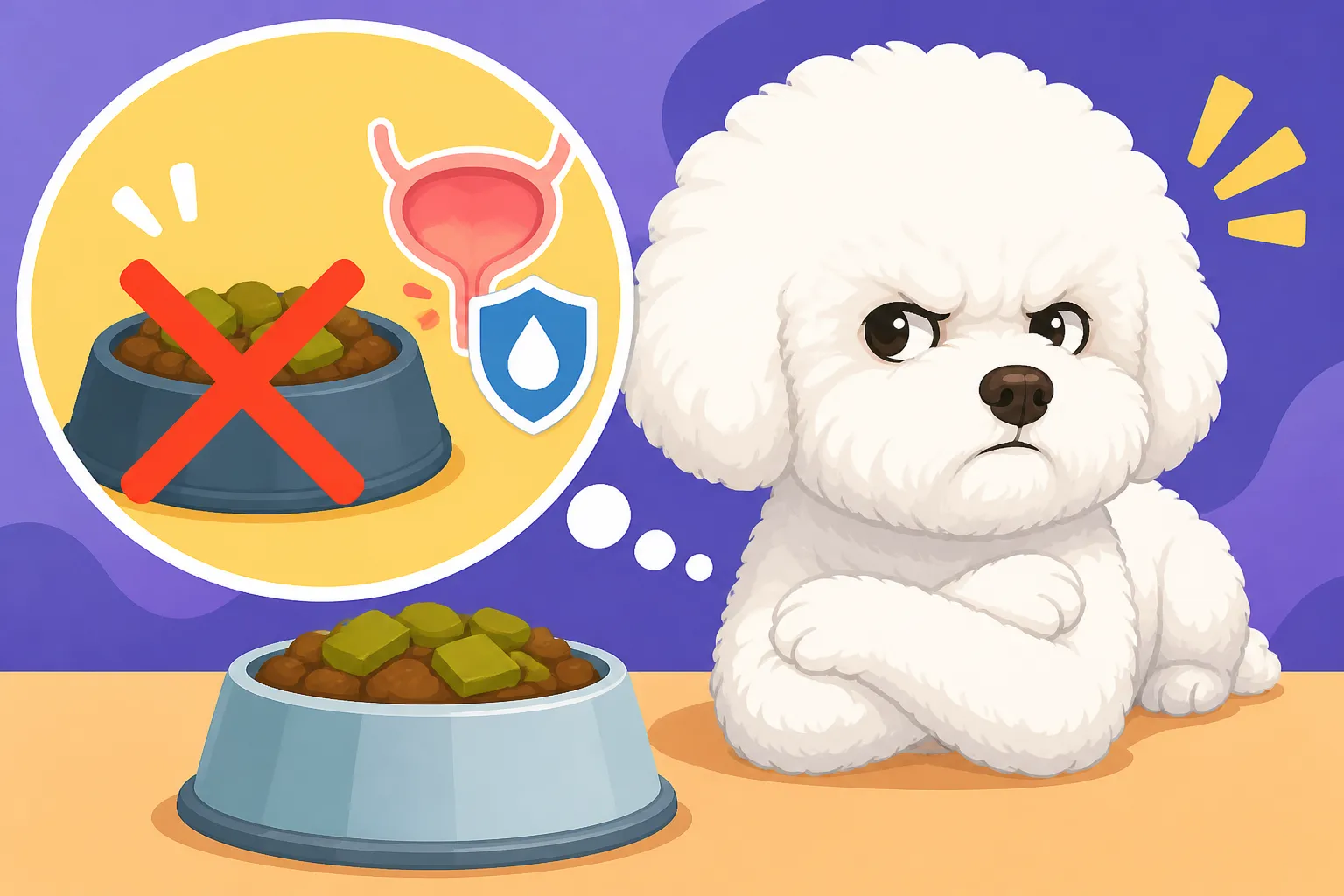
Whether a Fussy Bichon Frise Refuses the Urinary Diet
It's a familiar scenario for so many Bichon Frise parents: you've been given crucial advice from your vet – your sweet, fluffy companion needs a specialized urinary diet to prevent the recurrence of painful bladder stones. You leave the clinic with a bag of prescription kibble or cans, feeling relieved to have a plan, only to be met with the cold shoulder (or cold nose!) from your discerning little eater. The anxiety sets in: what if they just won't eat it? This guide is here to walk you through the very real struggle of getting a fussy Bichon Frise to accept their urinary diet, offering practical strategies and a healthy dose of empathy.
Understanding Why Your Bichon Frise Might Be Fussy with Food
Bichon Frises, with their charming personalities and often dainty appetites, can present a unique challenge when it comes to dietary changes, especially for something as critical as a prescription urinary diet. It’s not just stubbornness; there are often legitimate reasons behind their reluctance.
The Natural Pickiness of Small Breeds
Let's be honest, many small breeds, including our beloved Bichons, can be notorious for their pickiness. They're often accustomed to being catered to, perhaps with a variety of foods, or even a little bit of human food here and there. Their small size means they don't need a huge volume of food, which can sometimes translate into them holding out for something 'better' if they don't immediately love what's in their bowl. Imagine being a tiny dog, faced with a sudden, unfamiliar smell and texture in your food bowl. It’s a big change, and their sensitivity can make them wary. For a Bichon already prone to health issues like bladder stones, this pickiness can feel like a huge obstacle, especially when their health literally depends on this specific diet.
Previous Dietary Habits and Expectations
Think about what your Bichon was eating before the urinary diet was introduced. Was it a gourmet kibble, homemade meals, or did they frequently get yummy treats? If they were used to a high-flavor, perhaps less-than-ideal diet, suddenly switching to a prescription formula can feel like a downgrade. These specialized diets, while nutritionally formulated to manage conditions like What a Calcium Oxalate Stone Is in a Bichon Frise, sometimes prioritize specific ingredient profiles over strong flavors that might appeal to a dog's palate. They don't have the same high fat or protein content that makes many commercial foods so enticing. Your Bichon might quite literally be missing the taste experience they’ve grown accustomed to, leading them to turn up their nose at the new, healthier option. It’s a habit you need to gently break, understanding that their previous diet might have inadvertently trained them to be choosy.
The Impact of Underlying Health Issues on Appetite
Sometimes, it's not just pickiness. The very condition that necessitates the urinary diet, like the discomfort of bladder stones or a urinary tract infection, can actually suppress your Bichon's appetite. If your dog is feeling unwell, perhaps with mild nausea or abdominal pain, even the most delicious food might not appeal. You might have seen The First Signs a Bichon Frise Has Stones which can include changes in appetite. Furthermore, stress or anxiety related to their illness, vet visits, or even the general change in routine can also contribute to a decreased desire to eat. It's important to differentiate between genuine lack of appetite due to feeling unwell and simple fussiness. Always keep an eye on their overall demeanor, energy levels, and if they're showing other signs of discomfort. If they refuse to eat for more than 24 hours, or are showing signs like lethargy or vomiting, it's time to call the vet again, as this could be more serious than just being a picky eater.
Introducing a Urinary Diet to a Reluctant Bichon Frise
So, you've got this new, vital food, and your Bichon is giving you "the look." Don't despair! Introducing a new diet, especially a prescription one, requires patience, strategy, and a little bit of stealth.
Gradual Transition is Key
This is probably the most important step. Cold turkey usually leads to rejection, digestive upset, and more stress for everyone involved. Start by mixing a tiny amount of the new urinary diet with their old food, perhaps just 10% new food to 90% old. Over the course of 7-10 days (or even longer for extremely sensitive Bichons), gradually increase the proportion of the new food while decreasing the old.
Here’s a rough schedule:
| Day | Old Food Percentage | New Urinary Diet Percentage |
|---|---|---|
| 1-3 | 90% | 10% |
| 4-6 | 70% | 30% |
| 7-9 | 50% | 50% |
| 10-12 | 30% | 70% |
| 13-15 | 10% | 90% |
| 16+ | 0% | 100% |
Watch your Bichon closely during this transition. If they start to refuse the mixture or show signs of digestive upset (like diarrhea or vomiting), slow down the process. Go back to the previous ratio for a few extra days before attempting to increase the new food again. Remember, the goal is long-term acceptance, not a speed record. For many Bichons, this gentle approach is essential to avoid completely turning them off the new food.
Enhancing Palatability and Appeal
Sometimes, the texture or aroma of the new food isn't quite hitting the spot. This is where you can get a little creative to make the prescription diet more appealing.
- Warm it Up: For canned or wet urinary diets, warming them slightly can release aromas, making them more enticing. Just a few seconds in the microwave (stir well to avoid hot spots!) or mixing with a little warm water can make a huge difference. If you're using kibble, adding some warm water to create a gravy-like consistency can also help.
- Add Low-Sodium Broth: A tiny splash of plain, low-sodium chicken or beef broth (ensure it's onion and garlic-free!) can add flavor without compromising the dietary restrictions. Again, warmth can enhance this.
- Mix with Water: This is particularly important for urinary diets, as increased water intake helps dilute urine and prevent stone formation. Adding water to kibble can make it softer and easier to eat for some fussy dogs, and many find the softer texture more appealing. Whether a Bichon Frise Drinks Enough is a common concern for owners, and this method helps address both palatability and hydration.
- Toppers (Vet-Approved Only): Be incredibly cautious here. Only use toppers that your vet has specifically approved, as anything outside the prescription diet can negate its purpose for stone prevention. Some vets might suggest a tiny amount of the wet version of the same prescription food mixed into the kibble, or a very small portion of cooked, unseasoned chicken breast (which typically has a lower oxalate content, but always check with your vet for specifics related to your Bichon's stone type). Services like Chewy offer a wide range of pet supplies, but remember, for prescription foods or specific toppers, always consult your veterinarian first.
Establishing a Consistent Feeding Routine
Dogs thrive on routine, and fussy eaters are no exception. Feed your Bichon at the same times each day, in the same location. This predictability can reduce anxiety around mealtime.
- Meal Duration: Offer the food for a set period, say 15-20 minutes. If your Bichon doesn't eat within that time, pick up the bowl. This teaches them that food isn't available on demand all day and encourages them to eat when it's offered. Don't leave the food down all day, as this can reinforce pickiness and lead to spoilage.
- No Free-Feeding: Especially with a prescription diet, free-feeding (leaving food out all day) isn't advisable. It allows them to graze, potentially leading to them holding out for preferred foods or not eating enough of the specific diet. Structured mealtimes help you monitor their intake and ensure they are eating their full, required portion of the specialized food.
- Patience and Persistence: It might take several days, or even a couple of weeks, for your Bichon to fully accept the new routine and food. Stay calm and don't give in to their pleas for other foods or excessive treats. Consistency is your most powerful tool.
When Fussy Eating Becomes a Serious Concern on a Urinary Diet
While patience is paramount, there comes a point when a fussy Bichon's refusal to eat their urinary diet crosses into a health concern. It's vital to recognize these red flags and know when to seek professional help.
Recognizing Red Flags and Health Risks
If your Bichon Frise is consistently refusing their urinary diet, it's more than just an inconvenience; it can pose significant health risks, especially if they are prone to stone formation. The entire purpose of the diet is to modify urine chemistry, and if they're not eating it, that critical balance isn't being achieved.
- Prolonged Refusal: If your Bichon goes for more than 24 hours without eating anything (or eating very little), it's a concern. Small dogs, particularly, can quickly become hypoglycemic (low blood sugar), which can be dangerous.
- Weight Loss: Any noticeable weight loss while on the diet indicates they're not getting adequate nutrition. Keep an eye on their body condition and consult your vet if you see them getting thinner.
- Lethargy or Sickness: If refusal to eat is accompanied by other symptoms like lethargy, vomiting, diarrhea, or increased urination/straining, this is an emergency. It could indicate a worsening of their underlying condition or a new problem entirely. For a Bichon prone to stones, not eating their urinary diet means they're unprotected, and blockages can happen rapidly. Whether a Straining Bichon Frise Is an Emergency or What a Bichon Frise's Emergency Blockage Costs highlights the severity of these situations.
- Incomplete Diet Intake: Even if they're eating some of it, if they're consistently not finishing their prescribed amount, they aren't getting the full benefit of the diet. This can lead to the urine not being adequately modified, increasing the risk of The Stone That Comes Back a Year After Bichon Frise Surgery.
Professional Guidance and Intervention
Your veterinarian is your best partner in this journey. Don't hesitate to reach out if you're struggling to get your Bichon to eat their urinary diet.
- Discuss Palatability Issues: Explain exactly what you've tried and how your Bichon has reacted. Your vet might have specific tips or tricks they've learned from other clients. They can also rule out any underlying medical issues contributing to the lack of appetite.
- Vet-Approved Appetite Stimulants: In some cases, if a dog is truly struggling to eat, a vet might prescribe a short-term appetite stimulant to help kickstart their interest in food. This is usually a temporary measure to get them over the hump.
- Nutritional Consultations: Some veterinary practices have certified veterinary nutritionists on staff or can refer you to one. These specialists can offer in-depth advice tailored to your dog's specific needs, dietary preferences, and stone type. They might analyze the ingredients for The Diet a Bichon Frise Stays On for Life and suggest subtle modifications or alternatives.
Exploring Alternative Prescription Options
It’s easy to assume all urinary diets are created equal, but that’s not the case. If your Bichon absolutely refuses one brand or formula, there might be other options.
- Different Brands/Formulations: There are several veterinary prescription diet manufacturers (like Royal Canin, Hill's Prescription Diet, Purina Pro Plan Veterinary Diets) that offer various urinary support formulas. While the core purpose is the same, they use different ingredients, textures (kibble, wet food, stew-style), and flavor profiles. If your Bichon hates one, they might tolerate or even enjoy another. For instance, if they refuse dry kibble, trying a wet food option might be more appealing, even if Whether Wet Urinary Food Costs More. Discuss with your vet which other prescription options are suitable for your Bichon's specific stone type and needs.
- Combination Feeding: Sometimes, a combination of wet and dry food from the same prescription line can work. You might find your Bichon prefers the wet mixed with the dry, or perhaps eats the wet food more readily.
- Customization (Under Strict Vet Guidance): For extremely difficult cases, a veterinary nutritionist might work with you to formulate a homemade diet that meets all the urinary requirements. This is a complex undertaking and must be done under the strict supervision of a specialist, as improper balancing can lead to severe deficiencies or exacerbate the stone problem. Never attempt a homemade diet for a dog with a urinary condition without expert guidance. This is also where understanding the full financial commitment, including for potential future issues, is crucial. Pet insurance providers like Healthy Paws can be a real lifeline for managing these ongoing specialized care costs.
Practical Tips and Tricks for Encouraging Acceptance
Beyond the gradual transition and consulting your vet, there are many day-to-day strategies you can employ to make the urinary diet a success for your fussy Bichon Frise.
Making Mealtime a Positive Experience
Mealtime shouldn't be a battleground. Creating a positive association with their food can make a world of difference.
- Quiet and Calm Environment: Feed your Bichon in a peaceful, consistent spot where they feel safe and undisturbed. Avoid loud noises, other pets, or children constantly approaching the bowl. For a sensitive Bichon, any stressor can turn them off their food.
- Interactive Feeders: Some Bichons get bored with just eating from a bowl. Using a slow feeder bowl or a puzzle toy that dispenses kibble can make mealtime more engaging. The "work" involved can sometimes make the food more desirable.
- Positive Reinforcement: When your Bichon does eat their food, offer gentle praise and affection. Avoid making a fuss if they don't eat, as this can inadvertently give them attention for not eating.
- Hand-Feeding (Initially): If your Bichon is utterly refusing, try hand-feeding a few pieces. This can re-establish a connection between you and the food, and sometimes, the warmth of your hand makes it more appealing. Once they start eating from your hand, gradually move to placing it in the bowl while still sitting with them, and then eventually, just placing the bowl down.
- Separate Bowls: If you have multiple pets, feed your Bichon separately to ensure they don't feel intimidated or rushed, and that they are only eating their prescribed food.
Creative Ways to Hydrate and Supplement
Hydration is a cornerstone of preventing urinary stones in Bichon Frises. Getting enough water helps dilute the urine, making it harder for crystals to form.
- Water Fountains: Many dogs prefer fresh, moving water. A pet water fountain can encourage your Bichon to drink more throughout the day.
- Add Water to Food: As mentioned before, mixing warm water into their kibble or wet food is an excellent way to sneak in extra hydration. The added moisture can also make the food more palatable.
- Ice Cubes: Some Bichons enjoy ice cubes as a treat. You can even freeze low-sodium, onion/garlic-free broth into ice cubes, though always clear this with your vet to ensure it doesn't interfere with the urinary diet's specific composition.
- Wet Food Options: If available and approved by your vet, switching entirely or partially to a wet urinary diet is often beneficial for hydration. Whether Wet Food Helps a Bichon Frise's Stones is a common question, and generally, the answer is yes, due to the higher moisture content.
- Urine Monitoring: Your vet may recommend Whether a Bichon Frise Needs Urine pH Monitored or Whether a Bichon Frise Should Be Urine Tested Yearly. Regular monitoring helps confirm the diet is working effectively and that hydration levels are adequate for optimal urine dilution.
The Role of Treats and Chews in a Urinary Diet
This is a tricky area, as many common dog treats can be high in ingredients that counteract the effects of a urinary diet.
- Prescription Treats Only: Ideally, any treats your Bichon receives should be specifically formulated for urinary health and approved by your vet. Some prescription diet brands offer complementary treats.
- Limited Quantity: Even with prescription treats, moderation is key. Treats should never make up a significant portion of their daily caloric intake, as this can throw off the carefully balanced nutrition of their main diet.
- "Food as Treat": Consider using small portions of their actual urinary kibble as treats for training or rewards. This reinforces the idea that their diet is good and reduces the risk of introducing harmful ingredients.
- Non-Food Rewards: Sometimes, the best treat isn't food at all. Praise, a favorite toy, a short play session, or a gentle cuddle can be just as rewarding for your Bichon Frise, especially when you're trying to establish the new diet.
- Beware of "Human Food" Temptation: It can be incredibly hard to resist those pleading Bichon eyes, but table scraps or even small pieces of unapproved human food can be detrimental to a urinary diet. For a dog needing specific dietary management, a single wrong treat can literally restart the process of stone formation. This is particularly true if your Bichon is on a strict low-oxalate diet. While tempting to look at popular fresh food brands like Ollie for options, remember that custom diets for specific medical conditions must be precisely balanced by a veterinary professional to prevent adverse effects.
Ultimately, navigating a fussy Bichon Frise and their critical urinary diet requires dedication, communication with your vet, and a lot of love. It might feel like a never-ending battle at times, but with patience and the right strategies, you can help your furry friend stay healthy and stone-free.
Disclaimer
This article is for general informational purposes only and does not constitute professional advice. Laws, prices and regulations vary by location and change over time. Consult a qualified professional for guidance on your specific situation.