Whether a Bichon Frise Regresses at Six Months
It’s incredibly disheartening when your sweet, seemingly well-trained Bichon Frise puppy suddenly seems to forget everything you’ve taught them around the six-month mark. One day they're hitting all their potty breaks and responding to commands, and the next it feels like you're back to square one, dealing with accidents indoors and a pup who acts like they've never heard their name before. This guide aims to shed light on why this "regression" is a common, normal part of a Bichon Frise's development and offers practical advice to help you navigate this often-frustrating adolescent phase.
Understanding Canine Adolescence: Why Six Months Feels Like a Step Backward
Just like human teenagers, adolescent dogs go through a period of significant change that can turn their world (and yours!) upside down. It’s not that they’ve forgotten their training out of spite; it’s a complex interplay of hormones, brain development, and a newfound curiosity about the world around them. Recognizing this phase for what it is—a perfectly normal, albeit challenging, developmental stage—is the first step to managing it effectively.
The Hormonal Rollercoaster
Around six months of age, and sometimes a little earlier or later depending on the individual dog, Bichon Frises (and most other breeds) begin to experience significant hormonal shifts. This is the onset of puberty. Male Bichons will start to feel the effects of increased testosterone, which can lead to behaviors like marking, increased sniffing, and a greater interest in other dogs. Females will enter their first heat cycle, which brings its own set of hormonal changes that can influence mood, behavior, and focus.
These surges of hormones don't just affect reproductive urges; they can genuinely impact a dog's emotional state and impulse control. Think of it as a constant background noise in their brain, making it harder for them to concentrate on your cues or remember the rules they once seemed to know so well. They're still the same sweet Bichon Frise underneath, but they're literally wired differently for a while, driven by new, powerful instincts.
It’s crucial to remember that these hormonal changes are biological and not a reflection of your training efforts or your Bichon's intelligence. What was once easy to recall becomes difficult because their brain is prioritizing new sensations and drives. Patience and consistency become even more vital during this phase, as you're essentially working with a puppy who's trying to figure out their place in a bigger, more complicated world.
Brain Development and New Priorities
Beyond hormones, your Bichon Frise's brain is undergoing significant remodeling during adolescence. The puppy brain is largely focused on immediate learning and basic survival, but the adolescent brain starts to develop more complex functions, including problem-solving, independent thought, and risk assessment (or lack thereof!). This means they're becoming more adventurous, more likely to explore, and unfortunately, more likely to test boundaries.
Where once your puppy looked to you for every decision, your adolescent Bichon Frise is now more likely to make their own choices, sometimes to your dismay. They might suddenly decide that sniffing that interesting patch of grass is more important than coming when called, or that playing with a loose leaf is more exciting than walking politely on the leash. This isn't defiance in the human sense; it's often a puppy trying to understand the world and their place in it, and sometimes that means pushing limits.
This developmental stage can also see a resurgence of fear periods. A sound or situation that never bothered them as a younger puppy might now trigger anxiety or a fearful reaction. It's a time when their perception of safety and novelty is being re-evaluated, making consistent, positive experiences with new things incredibly important. Don't be surprised if your formerly fearless Bichon suddenly acts wary of a new park bench or a rustling bush; they're still processing the world.
Normalizing the "Regression"
Understanding that this "regression" is a normal, predictable part of canine development can be incredibly liberating for a frustrated owner. You haven't failed at training, and your Bichon hasn't suddenly become "bad." They're simply going through a phase, much like human teenagers. Instead of viewing it as a breakdown in training, consider it an opportunity to solidify what they've learned and to teach them how to navigate these new, more complex impulses.
Many owners feel isolated when their otherwise well-behaved puppy starts exhibiting these challenging behaviors. It's easy to look around and think everyone else has a perfectly behaved dog. However, nearly all dog owners experience some form of adolescent regression. It's a universal canine experience, and frankly, a badge of honor that you're helping your Bichon Frise grow into a well-adjusted adult. The First Year With a Bichon Frise Puppy often highlights these developmental shifts.
Embrace this period as a chance to deepen your bond and communication with your Bichon Frise. It requires more patience, more repetition, and often a return to basics, but the effort you put in now will lay the groundwork for a calm, confident, and well-mannered adult dog. Remember, this phase doesn't last forever, and with the right approach, your Bichon will emerge from it even better than before.
Common Regression Behaviors in Your Six-Month-Old Bichon Frise
When your Bichon Frise hits the six-month mark, you might notice a sudden shift in their behavior that feels like they're actively trying to undo all your hard work. It's not malice; it's adolescence rearing its head. These behaviors are common across many breeds, but for a delicate, intelligent Bichon Frise, they can be particularly pronounced and frustrating, especially if you're dealing with a breed already Why a Bichon Frise Is Famously Hard to Housetrain.
The Housetraining Hurdles Return
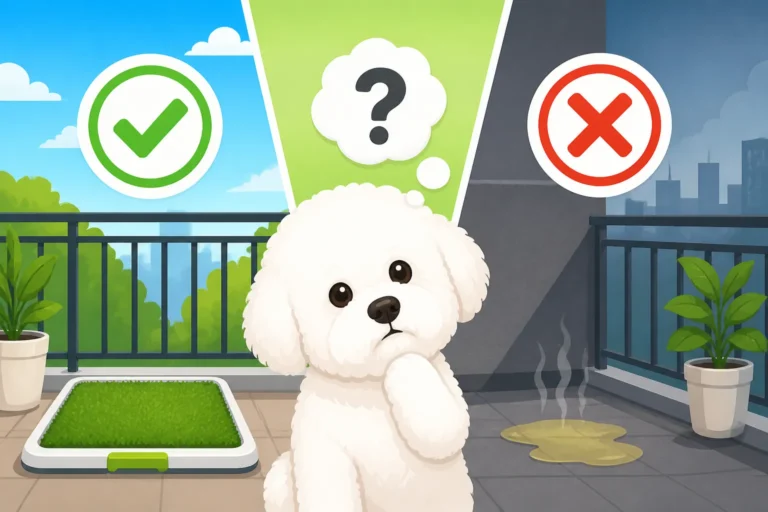
One of the most common and often exasperating signs of adolescent regression in a Bichon Frise is a sudden backslide in housetraining. Your puppy might have been reliably going outside for weeks, and then, seemingly overnight, starts having accidents indoors again. This could manifest as peeing in the house shortly after being outside, suddenly forgetting to signal that they need to go, or even marking territory indoors, particularly in male Bichons. Whether a Male Bichon Frise Marks Indoors is a common concern during this time.
This isn't necessarily a sign that your Bichon has forgotten where to go; it's often a combination of factors. The hormonal changes can increase the urge to mark, even in places they shouldn't. Their newfound independence might lead them to prioritize playing or exploring over holding it, or they might simply get distracted and forget until it's too late. Sometimes, they might even try to hold it longer outside because there are so many new, exciting smells, only to have an accident the moment they get back inside.
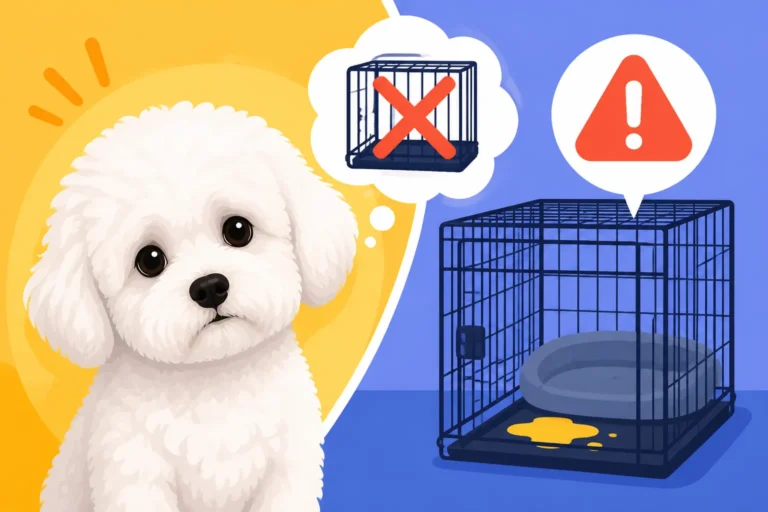
To combat this, you'll need to essentially go back to basics with housetraining, treating your adolescent like a young puppy again. Increase the frequency of potty breaks, reward heavily for success outside, and supervise them closely indoors. Crate training can be a lifesaver here, as most dogs are reluctant to soil their sleeping area. When you can't actively supervise, a crate or playpen can prevent accidents and help reinforce good habits.
Selective Hearing and Testing Boundaries
The charming little puppy who once hung on your every word might suddenly develop "selective hearing" around six months. You call their name, they glance at you, and then deliberately turn away to investigate something more interesting. Commands they once executed flawlessly, like "sit" or "stay," might now be met with a blank stare, a slow response, or simply ignored altogether. This is classic boundary-testing behavior.
Your Bichon Frise is figuring out who's in charge and what they can get away with. They're exploring their limits and testing your consistency. It’s not that they don’t know the command; it’s that they’re choosing not to obey it, weighing the immediate gratification of their current activity against the reward you might offer. This can be especially frustrating for owners who prided themselves on their puppy's early training success.
The key here is to remain calm, consistent, and persistent. Go back to basics in a low-distraction environment, ensuring your rewards are high-value and motivating. Practice short, frequent training sessions, and always end on a successful note. Consider enrolling in a follow-up puppy class or a beginner obedience class to reinforce structure and proof their skills in new environments. This phase is less about teaching new commands and more about strengthening their reliability under distractions. How Fast a Bichon Frise Learns a New Cue might seem slower now, but it's really about consistency.
Increased Chewing and Destructive Tendencies
While teething generally winds down by six months, adolescent Bichon Frises can still exhibit increased chewing and destructive behaviors. This might be due to a combination of factors: residual teething discomfort, boredom, anxiety, or simply a need to expend excess energy. What used to be a chew on a designated toy might now be a nibble on furniture legs, shoes, or even doorframes.
This behavior can be particularly problematic for small breeds like Bichons, as their size doesn't prevent them from causing significant damage, and ingesting foreign objects can be dangerous. They might suddenly show a preference for items that smell like you, like socks or remote controls, as a way to self-soothe or seek attention. This heightened oral exploration is part of their developmental stage.
To manage this, ensure your Bichon Frise has an abundance of appropriate chew toys, rotating them regularly to maintain interest. Consider puzzle toys and interactive feeders that keep their mind engaged. Supervise them closely, and if you catch them chewing something inappropriate, calmly redirect them to an approved chew toy and praise them enthusiastically when they take it. Management is crucial: put away anything you don't want them to chew, and block access to off-limit areas. Investing in a good selection of durable chew toys from a reputable online retailer like Amazon can be very helpful here.
Practical Strategies for Navigating Bichon Frise Adolescence
Successfully guiding your Bichon Frise through adolescence requires a shift in perspective and a renewed commitment to consistent training and management. It’s not about punishment, but about understanding their developmental stage and setting them up for success. Think of yourself as their unwavering guide through a confusing, exciting, and sometimes overwhelming period of their life.
Reinforcing Foundational Training
The most effective strategy during adolescent regression is to revisit and strengthen your Bichon Frise's foundational training. This means going back to the basics as if they were a much younger puppy. Don't assume they "know" a command; approach it as if you're teaching it for the first time, but with higher stakes and higher rewards. Practicing commands like sit, stay, come, and leash manners in various environments is crucial.
Start in low-distraction environments, like your living room, where success is almost guaranteed. Once your Bichon is reliably responding there, gradually introduce more distractions, always setting them up to win. Use incredibly high-value treats – things they rarely get, like small pieces of cooked chicken or cheese – to motivate them. Their brain is now competing with more environmental stimuli, so your rewards need to be more enticing than ever.
Consistency is absolutely non-negotiable. Every family member needs to be on the same page, using the same cues and expectations. If one person lets your Bichon jump on them while another corrects it, you're sending mixed signals that a testing adolescent will quickly exploit. Regular, short training sessions (5-10 minutes, several times a day) are far more effective than one long, infrequent session. This reinforces the idea that listening to you is always worthwhile.
Management and Prevention are Key
During adolescence, prevention and management become your best friends. This isn't about stifling your Bichon Frise's natural curiosity, but about protecting them from making bad choices and practicing undesirable behaviors. Think of it as putting guardrails up while they learn to drive. This means actively controlling their environment to prevent opportunities for "naughty" behavior.
For housetraining regression, this might mean keeping them leashed to you indoors (umbilical cord training) or confined to a puppy-proofed area or crate when you can't actively supervise. If they’re chewing inappropriately, ensure all tempting items are out of reach. If they're jumping on guests, keep them on a leash when visitors arrive and practice greeting manners. Whether Crate Training Works on a Bichon Frise can be a great management tool during this phase.
Management also extends to their daily routine. A predictable schedule for feeding, potty breaks, exercise, and training provides structure and security, which can be comforting to an adolescent dog navigating new sensations. Limiting opportunities for them to practice unwanted behaviors will significantly reduce the likelihood of those behaviors becoming ingrained habits.
Enrichment and Exercise for a Busy Mind
Adolescent Bichon Frises have a lot of energy and an even more active mind. If this energy and mental capacity aren't channeled appropriately, it often manifests as destructive behavior, excessive barking, or general mischief. Providing ample mental and physical enrichment is crucial for a well-adjusted adolescent.
Physical exercise should be appropriate for their size and age, but frequent. Short, brisk walks throughout the day, opportunities for safe off-leash play in a fenced yard, or even indoor games like fetch can help burn off excess energy. Remember, a tired Bichon Frise is often a well-behaved Bichon Frise. The Bichon Blitz and What It Means is also a natural way for them to release pent-up energy, so providing safe spaces for that is good.
Mental enrichment is just as important, if not more so. Puzzle toys, snuffle mats, and engaging chew toys keep their brains working. Learning new tricks, even simple ones, is a fantastic way to bond and provide mental stimulation. Consider an online training program like BAXTER & Bella that offers structured activities and lessons designed to keep dogs engaged and learning. These activities build confidence, reduce boredom, and reinforce positive associations with learning and interacting with you.
Addressing Specific Bichon Frise Challenges During This Period
Bichon Frises, with their unique combination of intelligence, sensitivity, and often a touch of stubbornness, can present particular challenges during adolescence. Understanding these breed-specific tendencies and tailoring your approach can make a significant difference in navigating this phase successfully. It's about recognizing their inherent traits and working with them, rather than against them.
Tackling Re-emergent Housetraining Issues
For a breed already known for being tricky to housetrain, a regression at six months can feel like a devastating setback. It’s easy to get frustrated when your previously reliable Bichon Frise starts having accidents indoors again. But it’s important not to lose heart. The techniques you used as a puppy still apply, but they need to be implemented with renewed vigor and even more consistency.
Re-establish a strict potty schedule, taking your Bichon outside much more frequently than you think they need to go – every hour or two, especially after waking up, eating, or playing. Go with them to ensure they actually relieve themselves and offer immediate, enthusiastic praise and a high-value treat as soon as they finish. If they only sniff around, bring them back inside and try again in 10-15 minutes, or use a tether to keep them close until the next scheduled break. The Toilet Routine That Finally Works on a Bichon Frise will emphasize this consistency.
For male Bichons who might be starting to mark, clean any indoor accidents thoroughly with an enzymatic cleaner (you can find many effective options on Amazon) to remove all scent traces. Consider using a belly band indoors for male dogs if marking becomes a persistent issue, though this should be used as a management tool, not a substitute for training. The goal is to prevent accidents, so they don't develop into habits. If the issue is leakage or increased frequency, a vet visit is warranted to rule out a urinary tract infection or Whether a Bichon Frise Urgency Problem Looks Like Bad Training.
Managing Leash Reactivity and Socialization Bumps
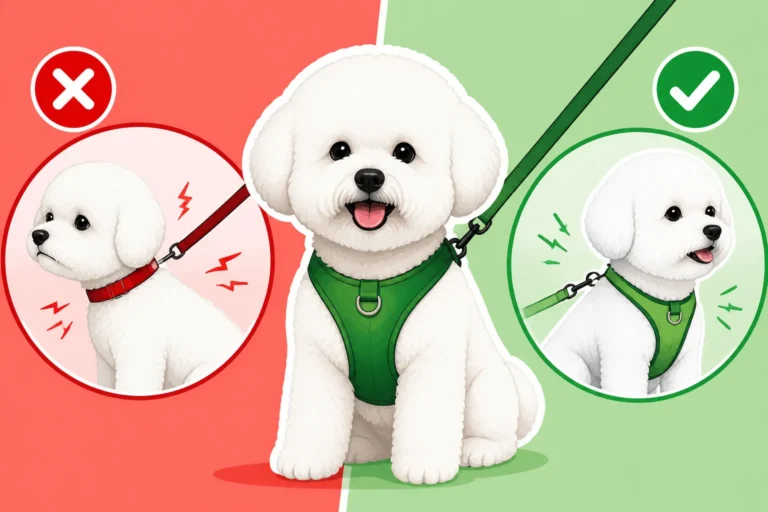
Adolescence can be a time when previous positive socialization experiences are re-evaluated. Your Bichon Frise, who once happily greeted every dog and person, might suddenly become more wary, bark at strangers, or pull excessively on the leash when seeing another dog. This isn't always aggression; it can be fear, over-excitement, or simply a lack of impulse control as their brain develops.
Continue to provide positive, controlled socialization experiences. Instead of forcing greetings, focus on teaching your Bichon to calmly observe other dogs and people from a distance. Reward them for looking at another dog without reacting, or for walking calmly past a stranger. Enroll in a well-run obedience class where they can learn to focus on you around other dogs in a structured environment.
If leash reactivity becomes a serious concern, seek guidance from a certified professional dog trainer. They can help you understand the root cause of the behavior and implement a counter-conditioning and desensitization plan. Remember that your Bichon Frise is small and can easily be overwhelmed; protect them from negative interactions and always advocate for their comfort.
Grooming Resistance and Handling Sensitivity
The grooming needs of a Bichon Frise are extensive, and adolescence can throw a wrench into what might have been an easy routine. A Bichon who once tolerated brushing, nail trims, and ear cleaning might suddenly become squirmy, mouthy, or even fearful during these sessions. This can be due to a combination of their newfound independence, hormonal changes making them more sensitive, or simply testing boundaries.
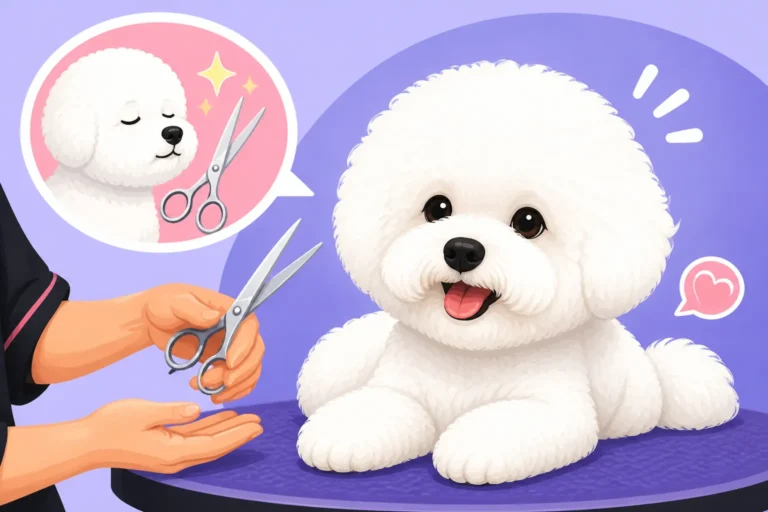
It's crucial to maintain a consistent grooming schedule, but adapt your approach. Make grooming sessions shorter and more positive. Use lots of high-value treats and praise. If your Bichon is resisting a particular part of grooming, such as nail trims, work on desensitizing them to the clippers or grinder very slowly, pairing the tool with treats. Teaching a Bichon Frise to Stand for an Hour of Scissoring is hard enough without adding adolescent defiance.
If your Bichon Frise becomes genuinely aggressive or fearful during grooming, stop immediately and re-evaluate. It could be a sign of pain or discomfort, so a vet check-up might be warranted. Otherwise, break down the grooming tasks into tiny, manageable steps and reward heavily for compliance. A professional groomer who understands adolescent dog behavior can also be a valuable resource, helping to reinforce positive experiences during this challenging time.
When to Seek Professional Guidance for Your Adolescent Bichon Frise
While adolescent regression is a normal phase, there's a fine line between typical teenage antics and behaviors that might indicate a deeper issue or become dangerous. Knowing when to reach out for professional help is crucial for your Bichon Frise's well-being and your peace of mind. Ignoring escalating issues can lead to deeply ingrained problems that are much harder to resolve later.
Recognizing Serious Behavioral Changes
Not all regression is created equal. While a bit of selective hearing and a few housetraining accidents are common, certain behaviors warrant a closer look. If your Bichon Frise exhibits sudden, severe aggression towards people or other animals, intense fear or phobias that interfere with daily life, constant anxiety (pacing, whining, destructive chewing when left alone), or self-mutilation (excessive licking or chewing of paws/body), these are red flags.
Other serious concerns include profound changes in appetite or sleep patterns, extreme resource guarding (aggressively protecting food, toys, or even you), or destructive behaviors that are consistently dangerous (e.g., chewing electrical cords). These aren't just "teenage rebellion"; they could indicate underlying anxiety, stress, or other behavioral conditions that need expert intervention. Trust your gut feeling if something feels "off" or beyond typical adolescent testing.
It's also important to consider the intensity and frequency of the "bad" behaviors. An occasional ignored command is one thing, but if your Bichon Frise consistently refuses all cues or becomes completely unresponsive to you, it's a sign that your training methods might need adjustment or that external factors are at play. Don't wait until you're at your wit's end; early intervention is always best.
The Benefits of a Trainer or Behaviorist
If you're struggling to manage your Bichon Frise's adolescent behaviors, a professional dog trainer or veterinary behaviorist can be an invaluable resource. A good trainer can observe your Bichon, identify the specific triggers for their challenging behaviors, and help you develop a tailored training plan using positive reinforcement techniques. They can offer new strategies, provide support, and hold you accountable, which can be incredibly helpful when you're feeling overwhelmed.
For more severe or complex issues, such as aggression, severe anxiety, or phobias, a veterinary behaviorist is the appropriate specialist. These are veterinarians with advanced training in animal behavior, meaning they can diagnose and treat behavioral conditions, including prescribing medication if necessary, in conjunction with behavior modification. They understand the interplay between physical health and behavior, offering a holistic approach.
When choosing a professional, look for certifications (e.g., CPDT-KA for trainers, DACVB for veterinary behaviorists) and ensure they use humane, positive reinforcement methods. Avoid any trainer who suggests punishment-based techniques, as these can damage your bond with your Bichon Frise and exacerbate fear or aggression, especially in a sensitive breed. Programs like BAXTER & Bella can also offer online guidance and support, connecting you with certified trainers who can provide virtual assistance and personalized advice.
Veterinary Check-ups to Rule Out Medical Issues
Before attributing all behavioral changes to adolescence, it’s always wise to schedule a veterinary check-up for your Bichon Frise. Sometimes, what looks like a training regression or a new behavioral problem can actually be a symptom of an underlying medical condition. This is especially true for changes related to housetraining or energy levels.
For instance, a sudden increase in indoor accidents or straining to urinate could indicate a urinary tract infection or even bladder stones, which Bichon Frises are unfortunately prone to. Whether a Straining Bichon Frise Is an Emergency can easily be mistaken for bad training. Similarly, a sudden drop in energy, increased thirst, or changes in appetite could signal an endocrine issue or other health problems. Your vet can perform a physical exam, urinalysis, blood tests, or other diagnostics to rule out any medical causes.
Even if your Bichon seems perfectly healthy, a vet visit offers an opportunity to discuss their adolescent development and any concerns you have. Your vet can provide advice on nutrition, spaying/neutering (if not already done, which can impact hormonal behaviors), and general wellness during this critical developmental stage. It's an essential step in ensuring you're addressing the root cause of any behavioral changes, rather than just the symptoms.
Conclusion
The adolescent phase, often marked by what feels like a significant regression around six months of age, is a completely normal and temporary chapter in your Bichon Frise's life. While it can test your patience and commitment, it's also a period of immense growth and opportunity to solidify the bond and trust you've built. By understanding the hormonal shifts and brain development at play, maintaining unwavering consistency in your training, implementing smart management strategies, and providing ample mental and physical enrichment, you can guide your fluffy companion through their "teenage years" with grace and success. Remember, the effort you invest now will pay dividends in the form of a well-adjusted, well-mannered adult Bichon Frise who will bring you joy for many years to come.
Disclaimer
This article is for general informational purposes only and does not constitute professional advice. Laws, prices and regulations vary by location and change over time. Consult a qualified professional for guidance on your specific situation.